
Contents
Manufacturing Insight: Woodworking Cnc Router Machines
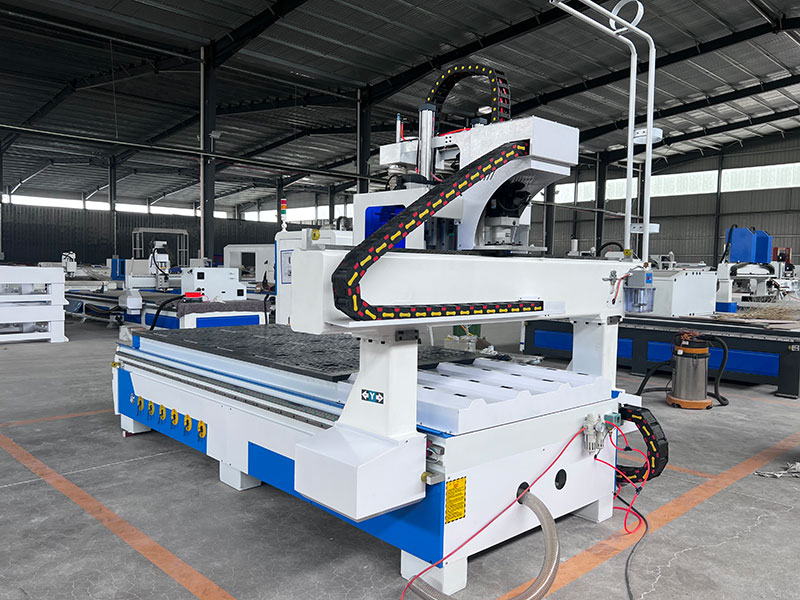
Precision Woodworking CNC Router Solutions for Demanding Applications
Honyo Prototype delivers advanced CNC machining services engineered specifically for woodworking applications, where material integrity and dimensional accuracy are non-negotiable. Our state-of-the-art CNC router systems combine high-speed spindle technology with rigid gantry structures to execute intricate 2D, 2.5D, and 3D geometries in hardwoods, softwoods, MDF, plywood, and engineered composites. Unlike standard production routers, our machines operate under calibrated environmental controls to minimize thermal drift and material movement, ensuring sub-millimeter tolerances across complex contours, joinery, and surface details critical for architectural millwork, furniture prototyping, and exhibition fabrication.
We address the unique challenges of wood machining—such as tear-out, resin buildup, and fiber deflection—through optimized toolpath strategies and adaptive feed-rate algorithms. Our engineering team collaborates with clients to select appropriate cutter geometries, spindle speeds, and hold-down methodologies that preserve material aesthetics while maximizing yield. This technical rigor reduces scrap rates by up to 30% compared to conventional routing and accelerates iteration cycles for design validation. For projects requiring seamless integration of metal or plastic components, our hybrid manufacturing capabilities ensure unified tolerance stacks across multi-material assemblies.
Accelerate your development timeline with Honyo’s Online Instant Quote platform. Upload CAD files in STEP, IGES, or native formats to receive a detailed manufacturability analysis and binding price within minutes—not days. This transparent, engineer-reviewed quoting system eliminates procurement delays while highlighting potential cost-saving design refinements upfront. Whether producing single prototypes or low-volume batches, our ISO 9001-certified processes guarantee repeatability and documentation traceability from concept to final part.
Material & Process Specifications
| Parameter | Capability Range | Wood-Specific Optimization |
|---|---|---|
| Max Work Envelope | 3050 x 1525 x 150 mm | Vacuum table with zoned suction |
| Positional Accuracy | ±0.02 mm | Dynamic spindle cooling system |
| Spindle Speed | 24,000 RPM | Resin-resistant tool coatings |
| Supported Formats | DXF, DWG, STEP, IGES, SLDPRT | Grain-direction-aware toolpaths |
| Lead Time | 3-5 days (standard) | In-process moisture monitoring |
Technical Capabilities
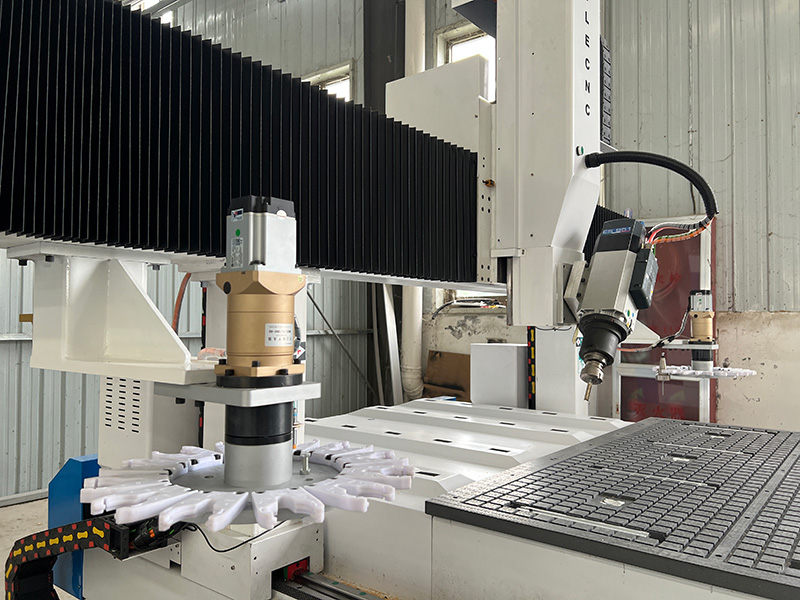
Woodworking CNC router machines are primarily designed for precision machining of wood and wood-based materials, but advanced models can also handle non-ferrous metals and engineering plastics when configured for higher rigidity and accuracy. When equipped with 3, 4, or 5-axis capabilities, these machines expand their functionality to include complex 3D contouring, turning operations (with optional rotary axes), and tight-tolerance machining. Below are the technical specifications relevant to high-performance CNC routers capable of multi-axis milling, light turning, and precision work across materials such as aluminum, steel, ABS, and nylon.
| Specification | 3-Axis CNC Router | 4-Axis CNC Router | 5-Axis CNC Router |
|---|---|---|---|
| Spindle Power | 3.0 – 7.5 kW | 5.0 – 9.0 kW | 6.0 – 12.0 kW |
| Spindle Speed Range | 6,000 – 24,000 RPM | 8,000 – 24,000 RPM | 10,000 – 24,000 RPM |
| Positioning Accuracy | ±0.02 mm | ±0.015 mm | ±0.01 mm |
| Repeatability | ±0.01 mm | ±0.01 mm | ±0.005 mm |
| Axis Travel (X×Y×Z) | 1200×2500×200 mm (typical) | 1200×2500×200 mm + A-axis (0–360°) | 1000×1500×180 mm + A & B/C-axis (±100° tilt/rotation) |
| Control System | Siemens, Fanuc, or Syntec | Siemens 828D, Heidenhain TNC, or Mach4 | Heidenhain TNC640, Siemens 840D, or UCCNC |
| Tool Changer | Optional ATC (8–16 tools) | Standard ATC (12–20 tools) | High-speed ATC (16–30 tools) |
| Maximum Material Capacity | Wood, MDF, PVC, ABS, Nylon, Aluminum 6061, Brass | Same, plus light steel (e.g., 1018), thicker aluminum | Full range including hardened steels (with appropriate tooling) |
| Typical Materials Processed | Wood, ABS, Nylon, Aluminum (soft alloys) | Wood, ABS, Nylon, Aluminum, mild steel | Aluminum, steel (annealed), ABS, Nylon, PEEK |
| Surface Finish Capability | 1.6 – 3.2 µm Ra | 0.8 – 1.6 µm Ra | 0.4 – 0.8 µm Ra |
| Minimum Feature Size | 2.0 mm (end mill limited) | 1.0 mm with micro-tooling | 0.5 mm with micro-tooling and high precision |
| Turning Capability | None (dedicated spindle) | Optional 4th axis with indexing/rotary milling | B-axis spindle or trunnion table enables full 5-axis simultaneous turning/milling |
| Cooling System | Air blast or mist coolant | Mist or through-spindle coolant | Flood or high-pressure through-tool coolant |
| Frame Construction | Heavy-duty welded steel or cast iron | Reinforced steel with vibration damping | Mineral casting or granite composite for thermal stability |
Notes on Material Processing:
Aluminum: Routers with spindle speeds above 18,000 RPM and high feed rates are optimal for aluminum. Use carbide or diamond-coated tools. Chip evacuation and coolant are critical.
Steel: Limited to low-carbon or annealed steels in 4/5-axis models with high-torque spindles. Requires rigid tooling and slower speeds.
ABS & Nylon: Easily machined with sharp HSS or carbide tools. Low melting points require controlled feed rates and cooling to prevent deformation.
Tight Tolerance Capability: 5-axis systems with linear scales and thermal compensation achieve tolerances down to ±0.005 mm, suitable for aerospace and prototyping applications.
These routers are commonly used in cabinetry, mold making, aerospace prototyping, and custom fabrication where complex geometries and material versatility are required.
From CAD to Part: The Process
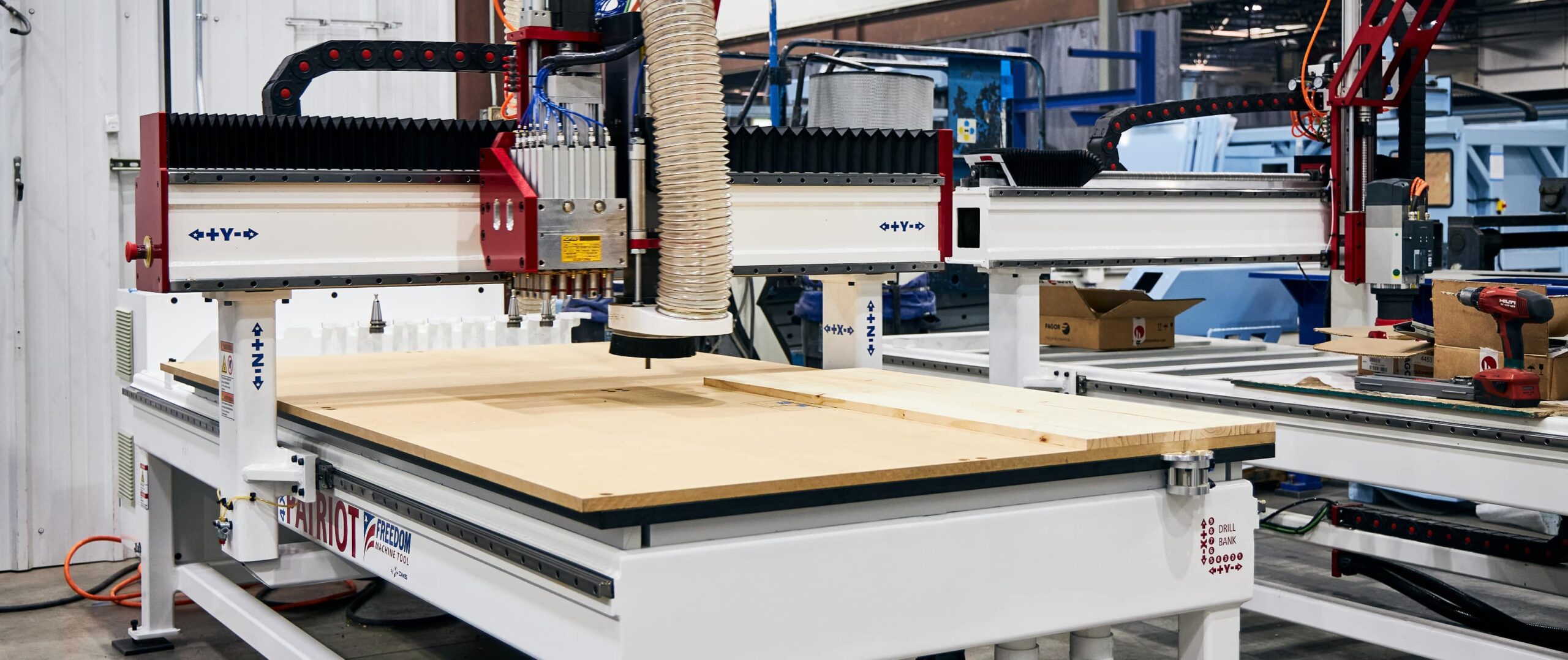
Honyo Prototype Woodworking CNC Router Machine Process Overview
At Honyo Prototype, our streamlined workflow for woodworking CNC router projects ensures precision, efficiency, and client alignment from initial design to final delivery. The process is rigorously structured to address material-specific challenges inherent in wood substrates, including grain direction, moisture content, and dust management. Below is a detailed technical breakdown of each phase.
CAD Upload and File Validation
Clients submit native CAD files (preferred formats: .STEP, .IGES, .DXF) via our secure portal, specifying material type (e.g., plywood, MDF, solid hardwood), thickness, and critical tolerances. Our system automatically checks for geometric integrity, layer consistency, and toolpath feasibility. Files failing validation—such as those with open contours or unsupported units—trigger immediate client notification for correction. This phase ensures manufacturability before proceeding, reducing downstream delays.
AI-Powered Quoting with Engineering Oversight
Uploaded designs enter our proprietary AI quoting engine, which analyzes part complexity, material utilization, and machine runtime. The AI cross-references real-time data on wood supplier costs, router spindle availability, and historical waste rates for substrates (e.g., 12% kerf loss for 18mm birch plywood). However, all AI-generated quotes undergo mandatory review by a Senior Manufacturing Engineer. This step validates material suitability (e.g., avoiding end-grain routing for structural parts) and adjusts for wood-specific variables like seasonal humidity impacts on dimensional stability. Clients receive a detailed quote within 4 business hours, including lead time and material certification options.
Design for Manufacturability (DFM) Review
The DFM phase is critical for woodworking CNC projects. Our engineers conduct a material-centric analysis using ISO 2768-mK tolerancing standards, focusing on:
Grain orientation to prevent tear-out during routing
Minimum feature sizes relative to router bit diameters (e.g., 3mm bits for intricate profiles)
Nesting optimization to maximize sheet yield and minimize wood waste
Dust extraction requirements based on substrate density (e.g., MDF vs. oak)
Clients receive a formal DFM report with actionable recommendations, such as modifying sharp internal corners to reduce chipping or adjusting pocket depths to avoid blowout. This phase typically reduces rework by 30% and is completed within 24–48 hours of quote acceptance.
Production Execution
Approved designs move to production on our 5-axis CNC routers (e.g., ShopSabre 408), calibrated for wood-specific parameters:
Spindle speeds optimized per substrate (18,000 RPM for softwoods; 24,000 RPM for composites)
Vacuum table pressure adjusted for material rigidity to prevent movement
Real-time moisture monitoring to maintain wood at 6–8% equilibrium moisture content
In-process inspections at 25%, 50%, and 75% completion using calibrated dial indicators
All toolpaths undergo dry-run verification, and final parts are deburred with automated sanding modules. Production timelines are tracked via our MES, with client access to live dashboards showing machine uptime and quality checkpoints.
Quality-Controlled Delivery
Prior to shipment, every batch undergoes:
Dimensional verification per ASME Y14.5 using CMM for critical features
Surface roughness testing (Ra ≤ 3.2 μm for visible faces)
Moisture content certification with calibrated meters
Packaging in anti-static, climate-controlled containers to prevent warping
Delivery includes full traceability documentation: material mill certificates, router log files, and inspection reports. Standard lead time is 7–10 business days post-DFM approval, with expedited options for time-sensitive projects. International shipments comply with ISPM-15 phytosanitary standards for wood products.
This end-to-end process leverages Honyo’s specialization in wood CNC manufacturing, ensuring parts meet functional requirements while minimizing material waste and project risk. Clients receive predictable outcomes through our integration of AI efficiency with hands-on engineering expertise.
Start Your Project
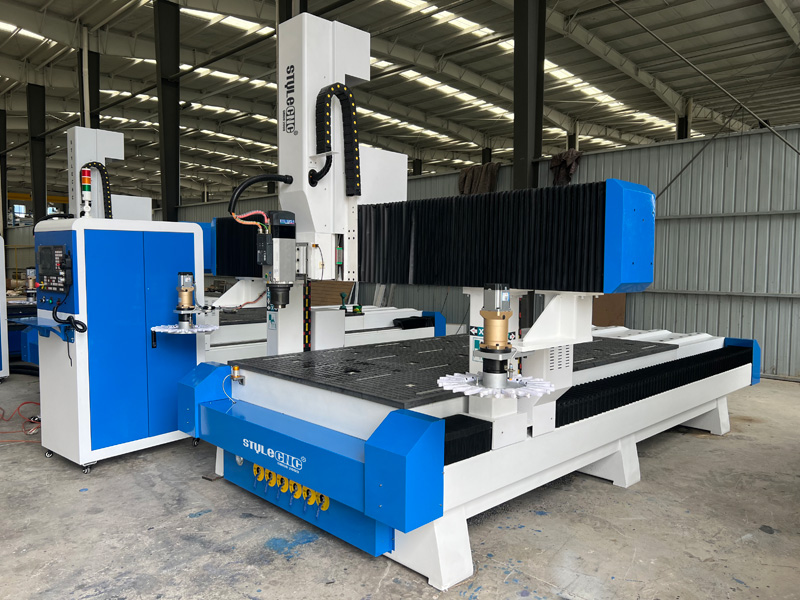
Discover precision and reliability with our woodworking CNC router machines, engineered for high-performance manufacturing. Built in our Shenzhen factory, each machine is designed to deliver exceptional accuracy, durability, and efficiency for demanding woodworking applications.
For product inquiries, technical specifications, or custom solutions, contact Susan Leo at [email protected]. Let’s collaborate to enhance your production capabilities with advanced CNC technology.
🚀 Rapid Prototyping Estimator
Estimate rough cost index based on volume.