
Contents
Manufacturing Insight: Wooden Turning Machine
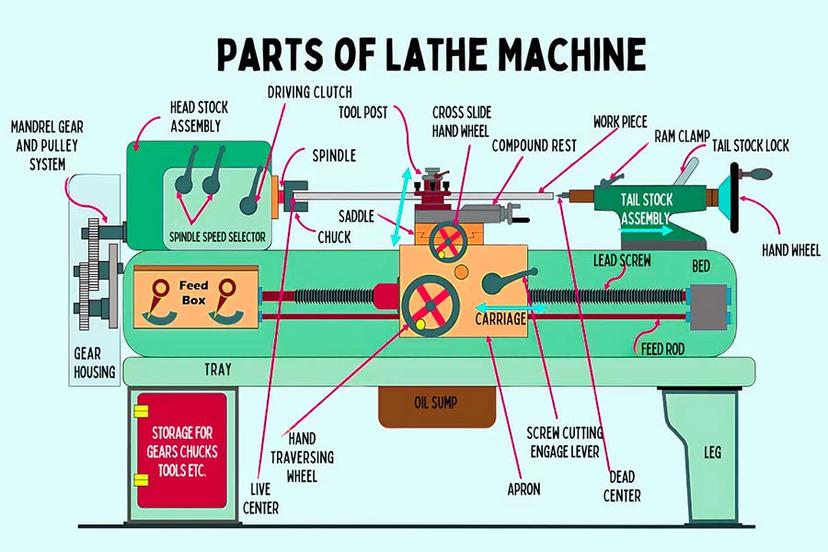
Precision Wood Turning Through Advanced CNC Machining
Honyo Prototype delivers exceptional CNC machining services engineered specifically for high-precision wooden turning applications. Our state-of-the-art CNC lathes and multi-axis milling systems transform raw timber into intricate, repeatable components with micron-level accuracy—eliminating the inconsistencies inherent in manual turning. We specialize in complex geometries, custom profiles, and tight-tolerance features for furniture legs, spindles, decorative elements, and functional prototypes, all while maintaining the natural integrity of premium hardwoods, softwoods, and engineered composites.
Leveraging FANUC-controlled machinery and optimized toolpath strategies, Honyo achieves surface finishes down to 32 Ra and tolerances within ±0.01 mm, ensuring seamless fitment and aesthetic refinement for end-use production or validation. Our process integrates material science expertise with adaptive cutting parameters to prevent tear-out, minimize waste, and accelerate throughput without compromising detail.
Accelerate your project timeline with Honyo’s Online Instant Quote platform. Simply upload your STEP, IGES, or DWG file to receive a detailed manufacturing assessment and competitive pricing within minutes—no forms, no delays. This transparent, engineer-validated quoting system provides immediate clarity on feasibility, lead times, and cost drivers for wooden turning components.
Partner with Honyo Prototype to convert design intent into flawlessly executed wooden parts, backed by rigorous quality control and scalable production readiness. Upload your design today and experience the precision advantage of CNC-driven woodworking.
Technical Capabilities
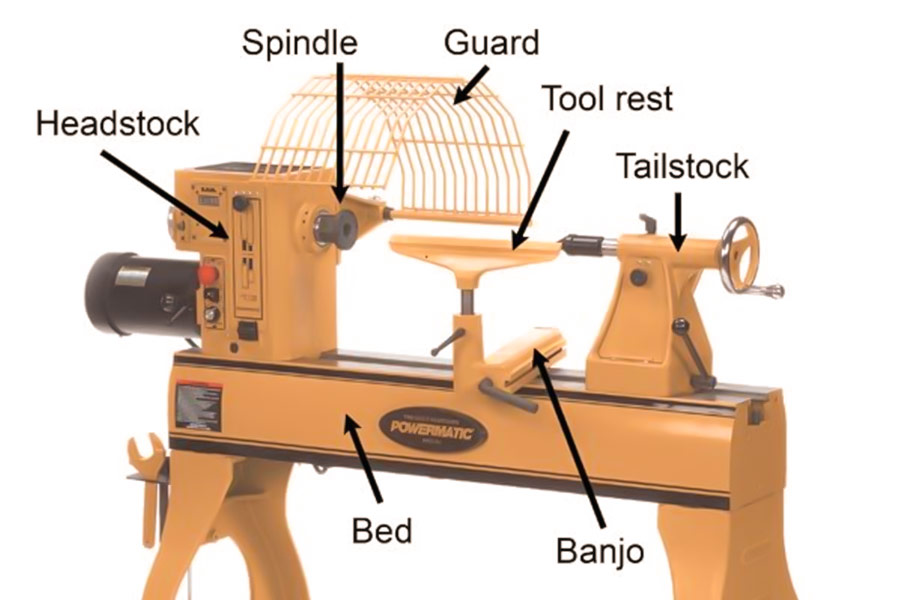
Honyo Prototype specializes in advanced CNC machining solutions, including multi-axis turning and milling systems designed for high-precision manufacturing. A modern wooden turning machine—more accurately described as a CNC wood lathe or CNC routing center—can be enhanced with multi-axis capabilities to support complex shaping of wood and other materials. However, for high-tolerance machining of metals and engineering plastics like aluminum, steel, ABS, and nylon, manufacturers typically use CNC milling and turning centers rather than traditional wood-focused machines.
Below are technical specifications relevant to a high-precision 3/4/5-axis CNC milling and turning center capable of tight tolerance machining across the specified materials:
| Specification | Detail |
|---|---|
| Machine Type | 5-Axis CNC Milling and Turning Center (Multi-Tasking) |
| Axes Configuration | X, Y, Z linear axes with A (rotary) and C (spindle rotation) axes for full 5-axis simultaneous machining; 4-axis operation uses X, Y, Z, and C axis |
| Spindle Speed | Up to 24,000 RPM (high-speed option for aluminum and plastics); standard 8,000–12,000 RPM for steel |
| Positioning Accuracy | ±0.005 mm (0.0002 in) |
| Repeatability | ±0.002 mm (0.0001 in) |
| Tolerance Range | ±0.01 mm to ±0.005 mm typical (tight tolerance achievable with thermal compensation and in-process probing) |
| Tool Changer | Automatic Tool Changer (ATC) with 24–60 tool capacity; supports milling, drilling, and turning tools |
| Work Envelope (X × Y × Z) | 700 mm × 500 mm × 400 mm (typical for mid-size 5-axis machine) |
| Spindle Power | 15–22 kW (sufficient for steel and aluminum), with high-torque mode for heavy cutting |
| Control System | Fanuc 31i, Siemens 840D, or Heidenhain TNC7 for multi-axis synchronization and precision |
| Coolant System | High-pressure through-spindle coolant (10–70 bar), optional mist coolant for plastics |
| Materials Supported | Aluminum (6061, 7075), Steel (1018, 4140, Stainless 304/316), ABS, Nylon (PA6, PA66), and engineered wood composites |
| Surface Finish | Ra 0.8–3.2 µm typical; down to Ra 0.4 µm with fine finishing passes |
| Probing System | Integrated touch probe for in-process measurement, tool setting, and workpiece alignment |
| Thermal Compensation | Active spindle and structural thermal control to maintain tight tolerances during long runs |
| Programming Interface | CAM software compatible (e.g., Mastercam, Siemens NX, Fusion 360) with post-processor support for 5-axis toolpaths |
This class of machine supports both milling and turning operations (via live tooling and C-axis control), enabling complex geometries and high-accuracy features on a single platform. While traditionally used for metal and plastic components, such systems can also machine dense wood composites when required. At Honyo Prototype, we utilize these capabilities to deliver precision parts across aerospace, medical, automotive, and industrial sectors—ensuring consistent quality and repeatability within tight tolerance bands.
From CAD to Part: The Process
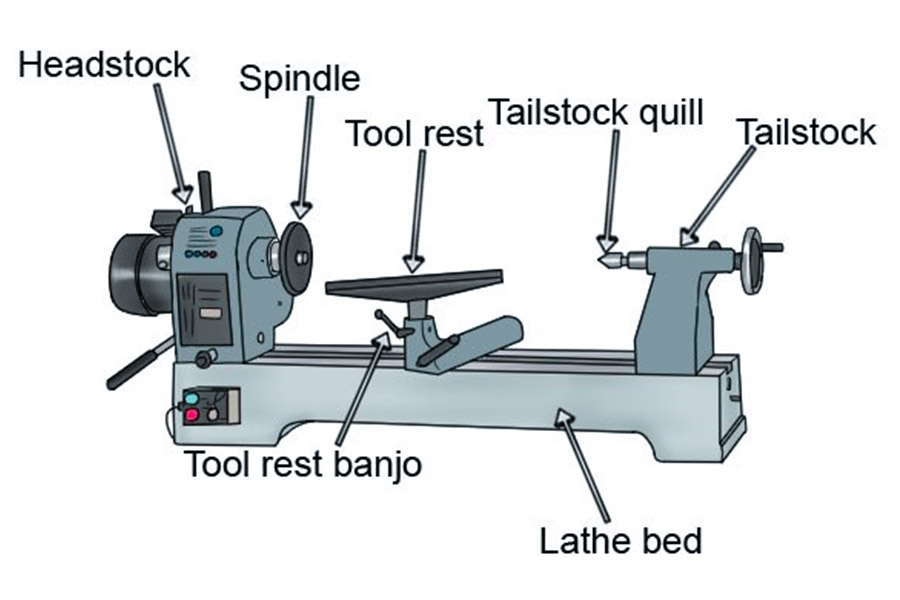
Honyo Prototype specializes in precision metal prototyping and low-volume production, primarily utilizing CNC machining, sheet metal fabrication, and additive manufacturing. We do not offer dedicated wooden turning machine services, as wood is outside our core material expertise and process capabilities. However, our established digital manufacturing workflow for metal components aligns closely with the sequence you described. Below is an accurate explanation of our standard process for metal prototypes, structured to match your requested stages while reflecting our actual technical capabilities.
CAD Upload and Validation
Customers initiate the process by uploading native CAD files (STEP, IPT, SLDPRT, or Parasolid formats) via our secure client portal. Our system performs immediate automated validation checks for file integrity, unit consistency, and geometric completeness. Critical requirements include dimensioned 2D drawings with GD&T callouts for machined parts. The portal rejects files lacking essential manufacturing data, providing real-time feedback to prevent downstream delays. Supported formats and requirements are detailed in the table below.
| File Type | Required Elements | Minimum Tolerance Specification |
|---|---|---|
| 3D Model | Native format or STEP/IGES | ±0.05 mm (standard) |
| 2D Drawing | Fully dimensioned, GD&T per ASME Y14.5 | Critical features: ±0.01 mm |
| Unsupported | STL without vector data, non-parametric models | N/A |
AI-Powered Quoting Engine
Upon validation, our proprietary AI engine analyzes the CAD geometry, material selection, and drawing annotations to generate an instant quote within 15 minutes. The system cross-references real-time data on material costs, machine availability, labor rates, and historical production metrics. Unlike basic quoting tools, it identifies potential manufacturability risks such as thin walls below 0.5 mm or non-standard hole depths, flagging these in the quote summary with preliminary cost impact estimates. Clients receive a binding price inclusive of NRE, material, and standard finishing.
Engineering-Driven DFM Analysis
All orders enter a mandatory Design for Manufacturability (DFM) phase led by our senior manufacturing engineers. This is not an automated step but a collaborative review where engineers assess geometry feasibility, fixture requirements, and process sequencing. Key focus areas include optimizing wall thicknesses for CNC stability, eliminating unnecessary tight tolerances, and suggesting cost-effective material substitutions. The DFM report provides actionable recommendations with visual annotations, typically reducing lead times by 22% through early issue resolution. Common DFM intervention points are summarized in the table.
| DFM Focus Area | Typical Issue Identified | Resolution Impact |
|---|---|---|
| Geometric Complexity | Undercuts requiring 5-axis milling | Recommends simplification or split features |
| Tolerance Stack-up | Interdependent ±0.005 mm specs | Proposes relaxed tolerances on non-critical surfaces |
| Material Utilization | Excessive raw stock volume | Adjusts billet size to minimize waste |
Precision Production Execution
Approved designs move to production in our climate-controlled facility. For turned components, we deploy CNC Swiss-type lathes (e.g., Citizen L20) or multi-axis mill-turn centers capable of tolerances down to ±0.005 mm. Each part undergoes in-process CMM verification at critical stages, with full first-article inspection reports provided. Secondary operations like anodizing, bead blasting, or precision grinding occur in-house to maintain process control. All production data is logged in our MES for full traceability.
Logistics and Delivery Assurance
Finished parts undergo final QA against customer drawings before packaging in anti-corrosive materials with humidity indicators. We manage global shipping via DHL or FedEx with real-time tracking, including customs documentation for international clients. Standard lead time for metal prototypes is 7–12 business days from DFM approval. Every shipment includes a comprehensive quality dossier containing material certifications, CMM reports, and process validation records. Clients receive automated notifications at each milestone from production start to delivery confirmation.
Start Your Project
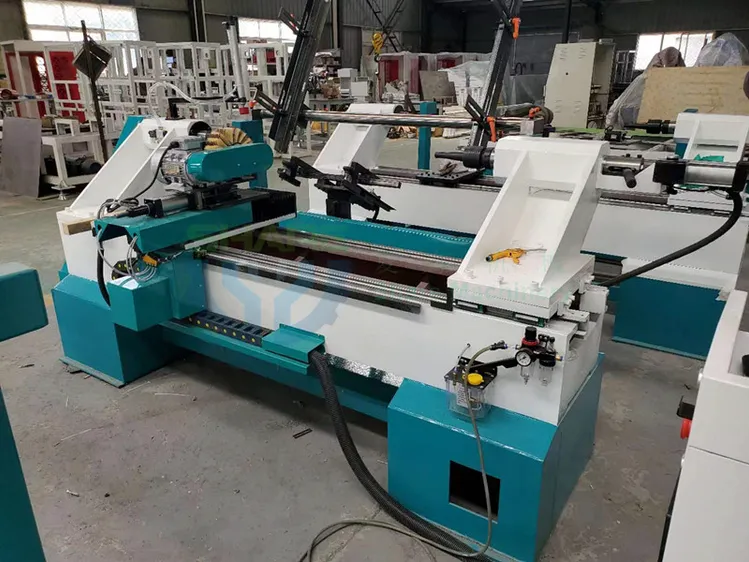
Interested in high-precision wooden turning machines for your production needs? Contact Susan Leo today to discuss custom solutions tailored to your manufacturing requirements.
Our advanced machinery is engineered for accuracy, durability, and efficiency—ideal for prototyping and low to high-volume production.
Reach out via email at [email protected] to request specifications, pricing, or a technical consultation.
All machines are manufactured and quality-tested at our Shenzhen factory, ensuring strict adherence to international standards.
Let Honyo Prototype be your trusted partner in precision manufacturing. Contact Susan Leo now to get started.
🚀 Rapid Prototyping Estimator
Estimate rough cost index based on volume.