
Contents
Manufacturing Insight: Which Is Better Stainless Steel Or Alloy
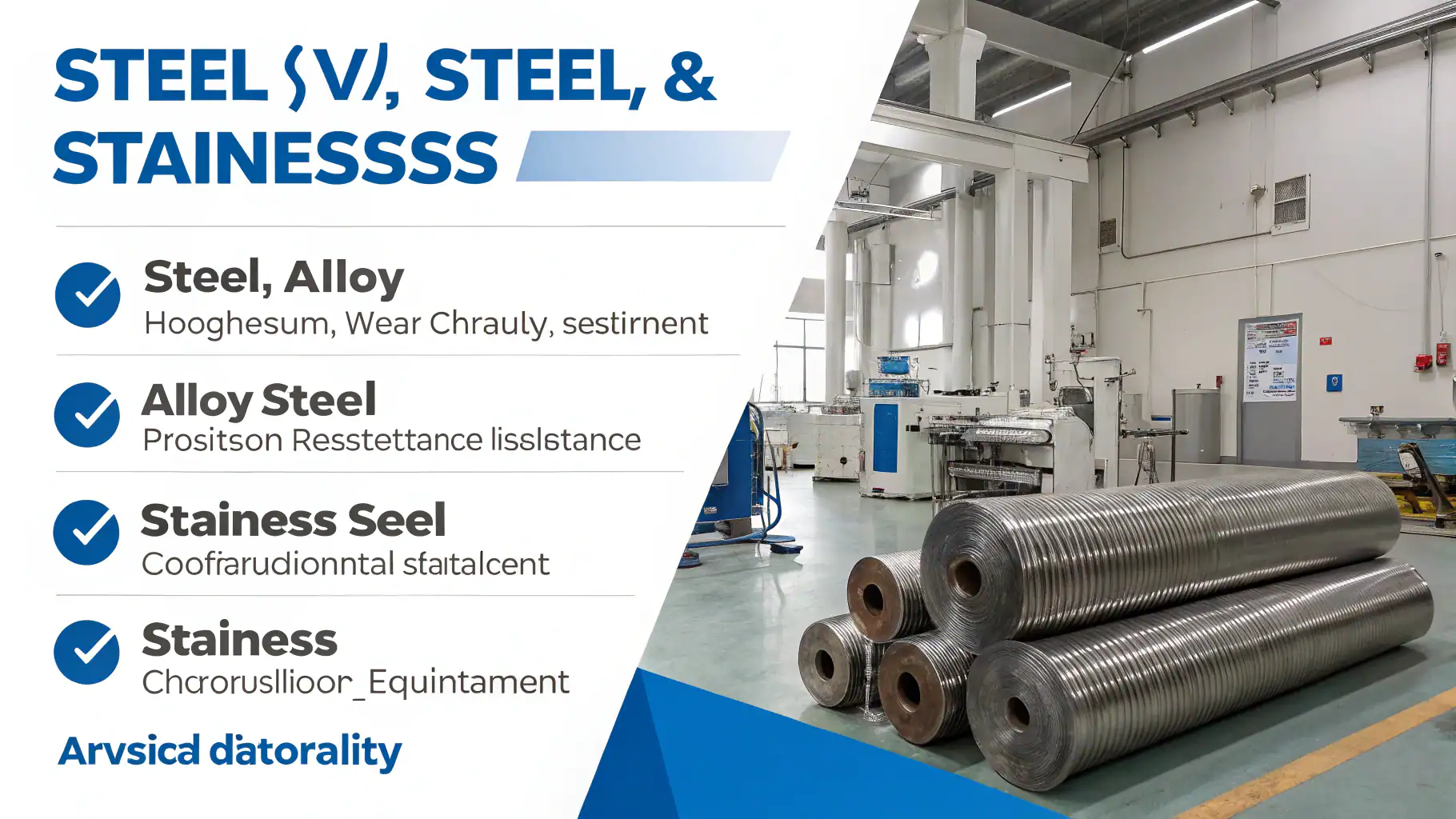
Material Selection Dilemma Resolved Through Precision Manufacturing Expertise
The persistent question of whether stainless steel or aluminum alloy better serves a specific application often stalls critical prototyping and low-volume production timelines. While material properties like corrosion resistance, strength-to-weight ratio, and machinability are fundamental considerations, the true determinant of success lies not solely in the raw material but in the precision and adaptability of the manufacturing process applied. At Honyo Prototype, our advanced CNC machining capabilities transform this complex decision from a bottleneck into a strategic advantage. We machine both 304/316 stainless steel and aerospace-grade aluminum alloys like 6061-T6 and 7075-T6 with equal mastery, leveraging multi-axis milling, turning, and tight-tolerance finishing to extract optimal performance from either material based on your functional requirements.
Our engineering team collaborates early in the design phase to evaluate thermal, mechanical, and environmental factors, ensuring the chosen material aligns with both performance goals and manufacturability. This eliminates costly redesigns and material waste, as our processes are calibrated to handle the unique challenges of each—whether it’s managing stainless steel’s work-hardening tendencies or optimizing chip evacuation for aluminum alloys. The outcome is a component that meets exact specifications without compromise, delivered faster through our streamlined workflow.
Accelerate your path from concept to validated prototype by leveraging our Online Instant Quote system. Input your CAD file and material preference, and receive a detailed manufacturability assessment and competitive pricing within hours—not days—enabling data-driven decisions without sacrificing engineering rigor.
Technical Capabilities
The comparison between stainless steel and alloy (typically referring to aluminum alloys or engineering plastics like ABS and nylon in prototyping and precision machining contexts) depends heavily on the application, machining process, and performance requirements. Below is a technical evaluation focused on 3/4/5-axis milling, turning, and tight tolerance manufacturing across common materials: aluminum (e.g., 6061-T6), stainless steel (e.g., 304/316), ABS, and nylon.
| Parameter | Stainless Steel (304/316) | Aluminum Alloy (6061-T6) | ABS (Acrylonitrile Butadiene Styrene) | Nylon (PA6/PA66) |
|---|---|---|---|---|
| Machinability (Mill/Turn) | Moderate to poor – work hardens, requires rigid setups, lower speeds, high tool wear | Excellent – easy to machine, high MRR, low tool wear, ideal for complex 3/4/5-axis milling | Very good – low cutting forces, minimal tool wear, but sensitive to heat | Good – machinable but can be gummy; requires sharp tools and chip control |
| Tight Tolerance Capability | Excellent – high dimensional stability, low thermal expansion, maintains tolerances down to ±0.0002″ | Very good – stable for tight tolerances (±0.0005″), but more sensitive to thermal changes | Fair – prone to moisture absorption and thermal expansion; tolerances ~ ±0.001″ | Fair to moderate – hygroscopic, dimensional shifts possible; tolerances ~ ±0.001″ |
| Strength & Rigidity | High strength, excellent rigidity, good for load-bearing parts | Moderate strength, good stiffness-to-weight ratio | Low strength and rigidity, suitable for non-structural parts | Moderate strength, good impact resistance, higher toughness than ABS |
| Corrosion Resistance | Excellent – inherently corrosion-resistant, ideal for harsh environments | Good (with anodizing), but prone to oxidation | Poor – degrades under UV and moisture | Good – resistant to many chemicals, but absorbs moisture |
| Weight (Density) | High (~8.0 g/cm³) – heavier components | Low (~2.7 g/cm³) – lightweight, ideal for aerospace and mobility | Very low (~1.04 g/cm³) – ultra-light | Low (~1.13 g/cm³) – lightweight with good durability |
| Thermal Stability | High – maintains properties up to 800°F (427°C) | Moderate – softens at elevated temperatures (~350°F) | Low – softens at ~200°F (93°C), prone to warping | Moderate – usable up to ~300°F (150°C), but absorbs heat |
| Surface Finish Quality | Excellent – can achieve fine finishes; suitable for polishing | Very good – excellent for polished or anodized surfaces | Good – easily post-processed, paintable, sandable | Moderate – fibrous chips, may require finishing steps |
| Typical Applications | Medical devices, food processing, aerospace, marine hardware | Enclosures, brackets, aerospace components, heatsinks | Prototypes, housings, non-structural models | Gears, bushings, wear components, low-friction parts |
Summary for Precision Machining:
For 3/4/5-axis milling and turning requiring tight tolerances, stainless steel offers superior dimensional stability and durability but demands more robust tooling and slower cycle times. It excels in high-performance and corrosive environments.
Aluminum alloys, particularly 6061-T6, provide the best balance of machinability, weight, and precision—making them ideal for complex, tight-tolerance prototypes and production parts where efficiency and speed are critical.
ABS and nylon are suitable for non-metallic prototypes and low-stress components. While they machine easily, their hygroscopic nature and thermal sensitivity limit their use in ultra-precision or high-reliability environments.
Recommendation:
Choose stainless steel for high strength, corrosion resistance, and long-term stability under load.
Choose aluminum for high-precision, lightweight, and cost-effective machined parts.
Use ABS for visual prototypes; nylon for functional plastic parts requiring wear resistance.
From CAD to Part: The Process
Honyo Prototype Material Selection Process: Stainless Steel vs. Alloy Analysis
Honyo Prototype does not declare a universal “better” material between stainless steel and alloys (e.g., aluminum, titanium, or specialty alloys). Material selection is strictly application-driven, determined through our structured engineering workflow. Below is the precise process for evaluating such decisions within our standard operational sequence.
CAD Upload
Upon receiving the client’s CAD file, our system extracts geometric, tolerance, and surface finish requirements. At this stage, no material recommendation occurs. The file undergoes initial validation for completeness and manufacturability flags, but material properties remain undefined until engineering review.
AI-Powered Quoting
Our AI engine generates preliminary cost and lead time estimates based solely on geometry and client-specified parameters. If no material is designated in the CAD file or RFQ, the AI defaults to common base materials (e.g., aluminum 6061 or stainless steel 304) to establish a baseline quote. Crucially, the AI does not adjudicate material superiority; it highlights cost deltas between material options (e.g., stainless steel 316 vs. aluminum 7075) and flags potential manufacturability risks like extended machining times for hardened alloys. Clients receive comparative cost projections but no engineering endorsement.
Engineering DFM Analysis
This phase drives the material decision. Honyo’s senior manufacturing engineers conduct a rigorous Design for Manufacturability review, evaluating:
Functional requirements (corrosion exposure, load conditions, temperature range)
Regulatory or industry standards (e.g., ASTM, ISO, medical-grade certifications)
Secondary operations (welding, anodizing, passivation feasibility)
Total cost of ownership (raw material cost vs. machining time vs. lifecycle durability)
For instance, marine components requiring saltwater resistance would prioritize stainless steel (e.g., 316L), while weight-sensitive aerospace brackets favor high-strength aluminum alloys (e.g., 7075-T6). The DFM report explicitly justifies the recommended material with engineering rationale, including trade-offs.
Production Execution
Material procurement aligns with the DFM-approved specification. Stainless steel orders undergo mill-certified traceability verification, while non-ferrous alloys receive hardness and composition validation. Machining parameters are dynamically adjusted: stainless steel uses lower RPMs and specialized tooling to prevent work hardening, whereas aluminum alloys employ high-speed toolpaths with aggressive coolant. In-process inspections validate material properties via hardness testing or spectrographic analysis where critical.
Delivery and Documentation
Final parts ship with full material traceability documentation, including heat numbers, test reports, and compliance certificates. A summary of the material selection rationale—referencing DFM findings—is included in the project closeout report. This ensures the client understands why the chosen material optimizes performance, cost, and manufacturability for their specific use case.
Material Comparison Reference
The table below illustrates typical decision factors for common materials. Final selection always requires context-specific engineering analysis.
| Property | Stainless Steel 304 | Aluminum Alloy 6061 | Decision Driver Example |
|---|---|---|---|
| Tensile Strength | 505 MPa | 310 MPa | High-load structural parts favor stainless |
| Corrosion Resistance | Excellent (chlorides: fair) | Good (saltwater: poor) | Marine environments require stainless |
| Machinability | Moderate (work hardens) | Excellent | Complex geometries favor aluminum |
| Weight (Density) | 8.0 g/cm³ | 2.7 g/cm³ | Weight-critical applications favor aluminum |
| Cost (Raw Material) | Higher | Lower | Budget-driven prototypes may use aluminum |
Critical Note
Stainless steel is an alloy (iron-chromium-carbon); the distinction here refers to non-ferrous alloys like aluminum or titanium. Honyo’s process rejects blanket comparisons—material suitability is derived from physics, not preference. Our DFM engineers provide data-driven recommendations to ensure optimal performance, cost efficiency, and compliance for each unique application.
Start Your Project
For expert guidance on whether stainless steel or alloy is the better choice for your specific application, contact Susan Leo at [email protected]. With deep technical expertise and precision manufacturing capabilities, Honyo Prototype supports engineering teams in making informed material decisions that optimize performance, durability, and cost.
Our ISO-certified factory in Shenzhen specializes in rapid prototyping and low-volume production using both stainless steel and various high-performance alloys. From corrosion resistance to strength-to-weight ratios, we provide material analysis and custom fabrication to ensure your design meets exact requirements.
Reach out today to discuss your project with Susan Leo and receive tailored recommendations backed by advanced manufacturing insights.
🚀 Rapid Prototyping Estimator
Estimate rough cost index based on volume.