
Contents
Manufacturing Insight: Weldable Steel Castings
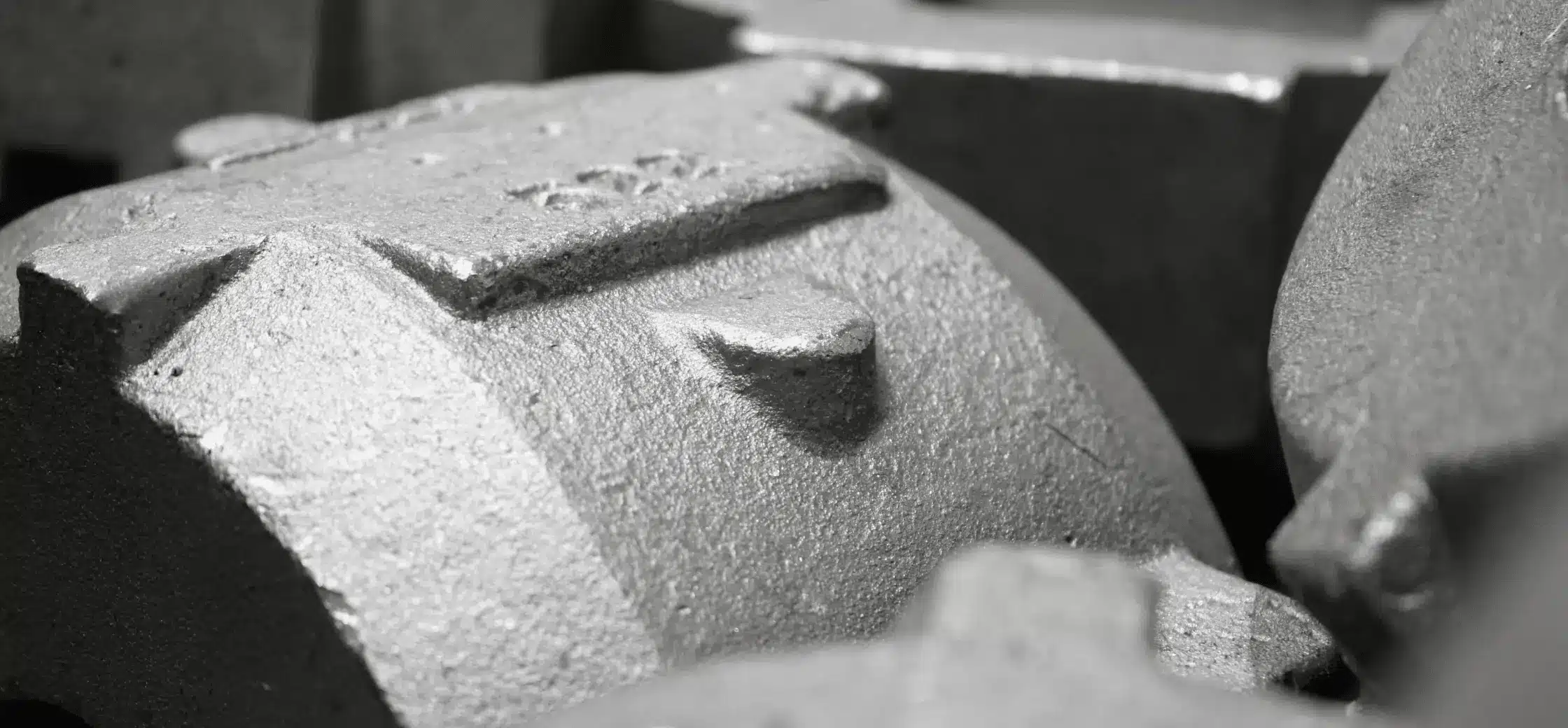
Precision Integration of Weldable Steel Castings Through Advanced CNC Machining
Honyo Prototype delivers engineered solutions for weldable steel castings where dimensional accuracy and structural integrity are non-negotiable. While steel castings provide exceptional design flexibility and material strength for complex geometries, their inherent surface variability and dimensional tolerances often require precision CNC machining to achieve weld-ready interfaces. Our integrated manufacturing approach bridges this gap, transforming near-net-shape castings into fully functional components with tight-tolerance features, critical bore alignments, and certified surface finishes essential for reliable welding integration.
Leveraging our in-house 5-axis CNC machining centers and metrology systems, we consistently hold tolerances to ±0.025 mm while maintaining material integrity in challenging alloys like ASTM A216 WCB, A352 LCB, and custom low-alloy steels. This capability eliminates field-fit issues during welding assembly, reduces scrap rates by up to 35% compared to post-weld machining, and ensures repeatable weld penetration profiles. Every component undergoes rigorous first-article inspection with GD&T validation, providing documented compliance for ASME, API, and NACE standards.
Accelerate your prototyping or low-volume production with Honyo’s Online Instant Quote platform. Upload CAD files for weldable casting assemblies, and receive a comprehensive machining assessment—including lead time, cost breakdown, and DFM feedback—within minutes. This seamless digital workflow is engineered for time-sensitive prototyping cycles, allowing design teams to validate manufacturability before committing to casting tooling.
Request a Quote Today to Transform Your Weldable Casting Designs into Precision-Engineered Reality.
Technical Capabilities
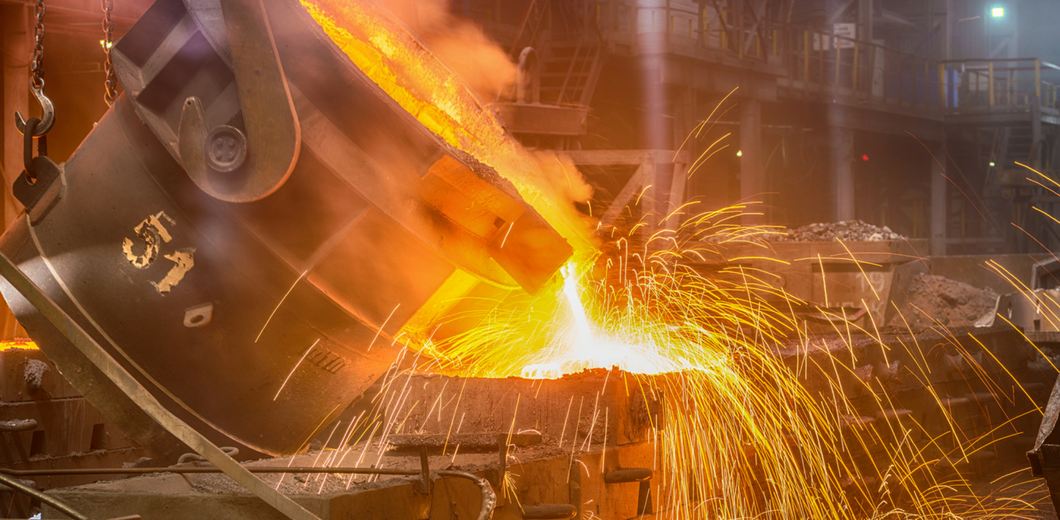
Weldable steel castings are engineered components designed to maintain structural integrity during and after welding operations while supporting precision machining processes such as 3-axis, 4-axis, and 5-axis milling, as well as turning. These castings are typically manufactured from low-carbon or alloyed steels with controlled chemistry to ensure weldability, minimal distortion, and compatibility with tight-tolerance machining. While the primary focus is on steel, comparative context is provided for aluminum, ABS, and nylon to highlight material-specific behaviors in similar manufacturing environments.
The following table outlines key technical specifications relevant to weldable steel castings and their performance in high-precision machining applications:
| Parameter | Weldable Steel Castings | Aluminum Alloys | Steel (General Machining) | ABS (Thermoplastic) | Nylon (Polyamide) |
|---|---|---|---|---|---|
| Typical Material Grades | ASTM A216 WCB, A352 LCB, AISI 4130, A387 | 6061-T6, 7075-T6 | 1018, 4140, 4340 | ABS 430, Magnum 4300 | Nylon 6, Nylon 6/6 |
| Weldability | Excellent (with pre/post-heat as required) | Excellent | Good to Moderate (alloy dependent) | Not weldable (adhesive/joining methods used) | Moderate (ultrasonic/hot plate welding) |
| Machinability (Mill/Turn) | Moderate to Good (requires rigid setup) | Excellent | Moderate (higher tool wear) | Excellent | Good (tends to gum, sharp tools needed) |
| 3/4/5-Axis Milling Suitability | High (dimensional stability post-weld) | High (lightweight, fast feeds) | High (rigid, holds tolerances) | Medium (for prototypes only) | Medium (hygroscopic, dimensional drift) |
| Turning Compatibility | High (stable blanks, uniform structure) | High | High | Medium | Medium |
| Typical Tolerance Range | ±0.005″ (standard), down to ±0.001″ (tight) | ±0.005″, down to ±0.0005″ | ±0.005″, down to ±0.001″ | ±0.010″ (limited by material stability) | ±0.010″ (affected by moisture) |
| Surface Finish (as machined) | 32–125 μin Ra (can achieve 16 μin with finishing passes) | 16–63 μin Ra | 32–125 μin Ra | 63–125 μin Ra | 63–250 μin Ra (soft material) |
| Thermal Stability | High (low residual stress when normalized) | Moderate (thermal expansion high) | High | Low (creep under load/heat) | Low (absorbs moisture, swells) |
| Common Applications | Oil & gas valves, pump housings, structural components | Aerospace fixtures, enclosures | Industrial machinery, tooling | Prototypes, jigs, non-load-bearing parts | Gears, bushings, wear components |
Notes:
Weldable steel castings require post-weld heat treatment (PWHT) in critical applications to relieve stresses and maintain dimensional stability prior to precision machining.
Tight-tolerance machining (±0.001″ or better) on steel castings demands thermal control, high-precision CNC equipment, and iterative inspection using CMM or laser probing.
While aluminum offers superior machinability and tighter achievable tolerances due to lower cutting forces, steel castings provide higher strength and wear resistance in load-bearing weld-integrated assemblies.
ABS and nylon are not weldable in the traditional sense and are typically used for non-structural, prototyping, or low-volume applications where dimensional precision is secondary to cost and speed.
From CAD to Part: The Process
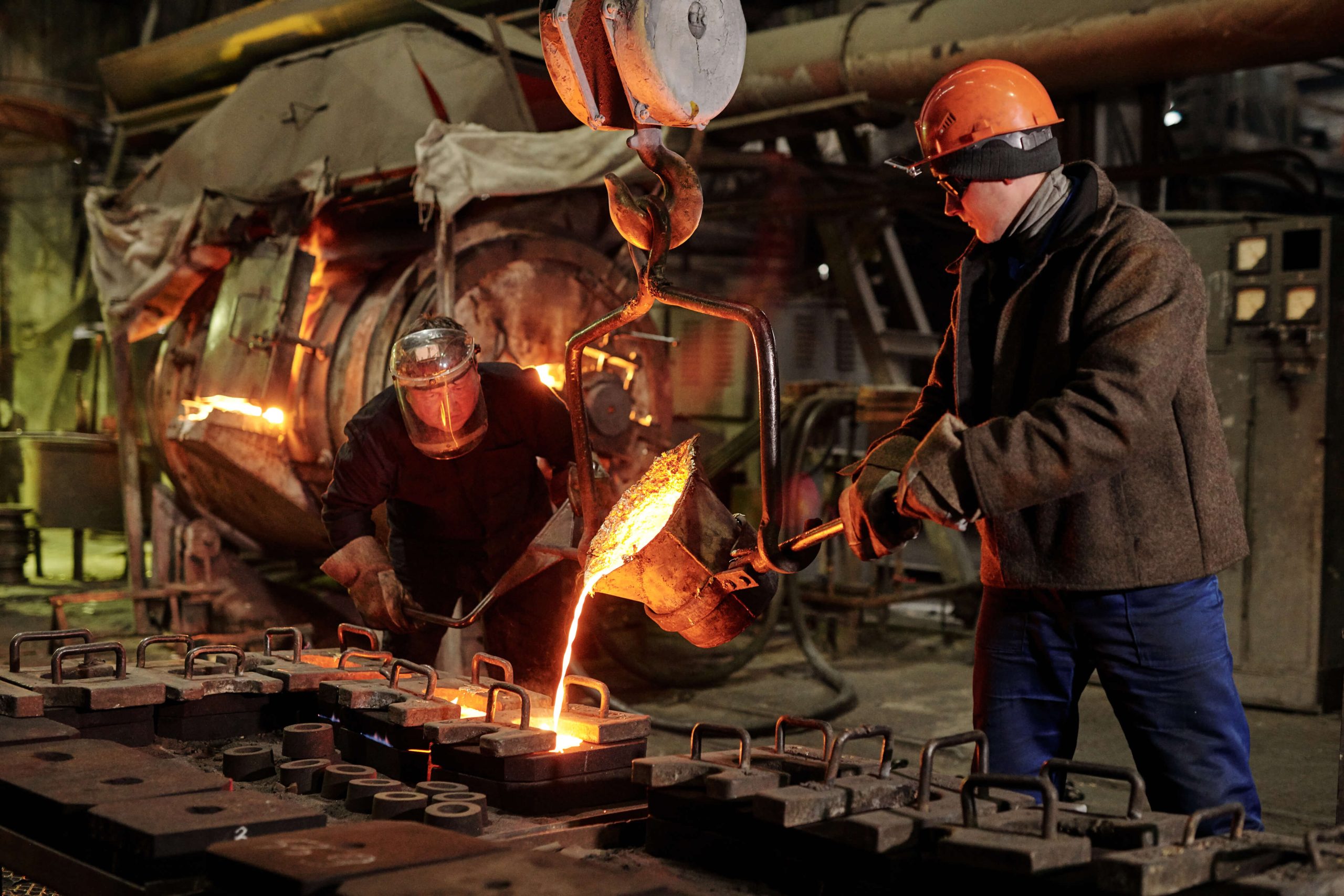
Honyo Prototype delivers weldable steel castings through a rigorously controlled, technology-integrated process designed for precision, speed, and metallurgical integrity. It is critical to clarify that we produce steel castings engineered for subsequent welding operations; we do not perform the welding itself. Our expertise ensures the casting’s chemistry, microstructure, and geometry are optimized to prevent weld defects like cracking or porosity. Below is our end-to-end workflow.
Upload CAD
Clients initiate the process by uploading 3D CAD models (STEP, IGES, or native formats) via our secure customer portal. Our system immediately validates file integrity and geometry completeness. Crucially, clients must specify the required steel grade (e.g., ASTM A216 WCB, A352 LCB) and any critical welding zones. Incomplete material specifications trigger an automated request for clarification before proceeding, ensuring metallurgical requirements are defined from the outset.
AI-Powered Quote Generation
Within 24 hours, our proprietary AI engine analyzes the CAD geometry, material specification, and client-supplied requirements to generate a comprehensive quote. This system cross-references real-time data on raw material costs, energy consumption, labor rates, and historical production efficiency metrics. The output includes a firm price, lead time estimate, and preliminary manufacturability flags—such as sections prone to shrinkage or areas requiring weld preparation chamfers. Unlike manual quoting, this eliminates human error and provides consistent, auditable cost breakdowns.
Metallurgical DFM Review
All quotes undergo mandatory Design for Manufacturability (DFM) validation by our senior metallurgical engineering team. This phase is non-automated and focuses exclusively on weldability assurance. Engineers assess:
Carbon equivalent (CE) calculation to confirm preheat requirements per AWS D1.1
Section thickness transitions that could cause residual stress during welding
Critical surface finish specifications for weld prep areas (e.g., 250 μin Ra max)
Internal soundness requirements (e.g., ASTM E165 liquid penetrant level for weld zones)
Clients receive a detailed DFM report with actionable recommendations, such as modifying fillet radii to reduce stress concentration or adjusting gating to minimize porosity in weld areas. No casting proceeds to production without client sign-off on this review.
Precision Production
Approved designs move to our ISO 9001-certified foundry with full traceability:
1. Pattern Creation: 3D-printed sand patterns or CNC-machined tooling based on final CAD
2. Melting & Pouring: Electric arc furnace melting followed by Argon Oxygen Decarburization (AOD) refining to achieve tight chemistry control (e.g., max 0.23% C for WCB)
3. Solidification Control: Directional cooling with chills to ensure soundness in weld-critical sections
4. NDT Verification: Every casting undergoes 100% visual inspection, magnetic particle testing (ASTM E709) on weld zones, and ultrasonic testing (ASTM A388) for internal defects
5. Dimensional Validation: CMM inspection of critical weld prep surfaces against CAD nominal dimensions
Delivery with Certified Documentation
Shipments include:
Castings cleaned to SSPC-SP 6 standard for weld areas
Full material test reports (MTRs) with chemical composition and mechanical properties
NDT certification confirming weld zone integrity
Dimensional conformance report
Certificate of Conformance to ASTM/ASME specifications
All documentation is digitally signed and accessible via our client portal. Standard lead time from DFM approval to delivery is 15–20 business days for quantities under 500 kg, with expedited options available. We maintain a 99.2% on-time delivery rate for this product line, backed by our process capability indices (Cpk > 1.67) for critical dimensions.
This integrated approach ensures your weldable steel castings arrive with guaranteed metallurgical readiness for welding—eliminating field failures caused by casting defects. Every step is engineered to reduce your total cost of ownership through first-time-right production.
Start Your Project
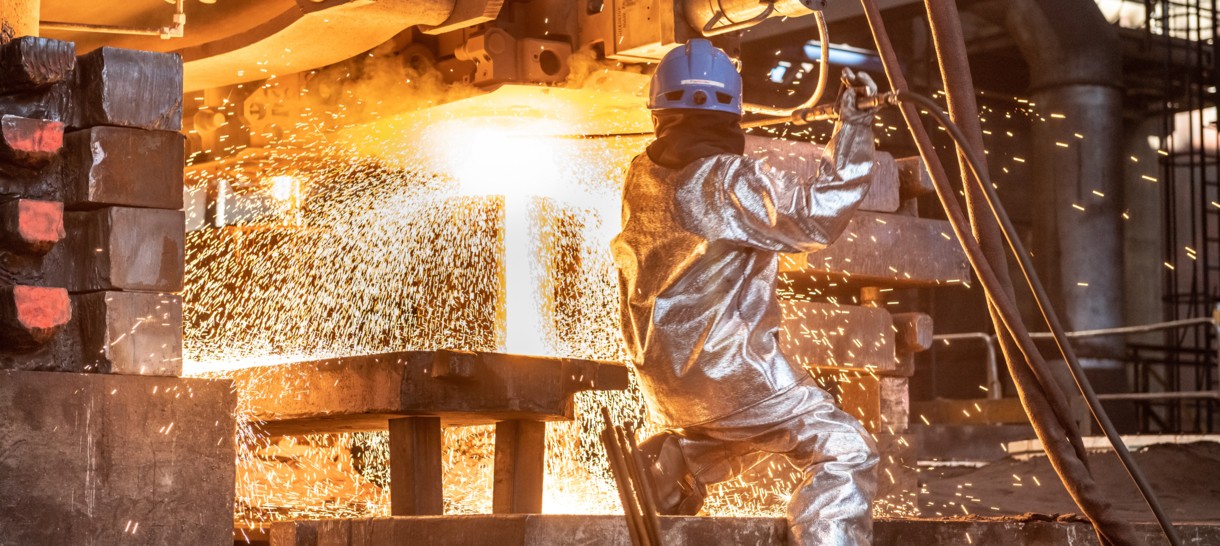
For reliable weldable steel castings manufactured to exact specifications, contact Susan Leo at [email protected]. Our dedicated production facility in Shenzhen ensures high-quality output with efficient lead times, supporting your industrial and prototyping needs with precision and consistency. Reach out today to discuss your project requirements.
🚀 Rapid Prototyping Estimator
Estimate rough cost index based on volume.