
Contents
Manufacturing Insight: Uv Protective Coating For Plastic
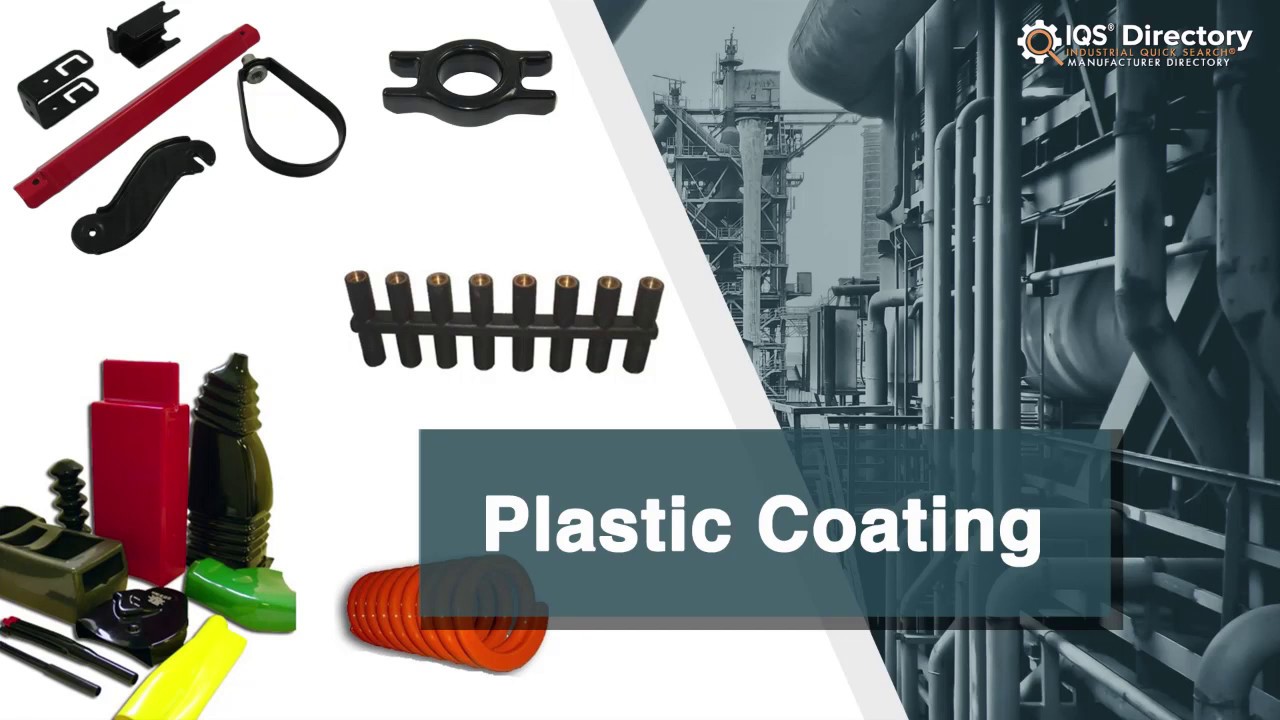
Honyo Prototype delivers engineered solutions for plastic components requiring long-term UV resistance, where precision manufacturing directly enables coating performance. Our CNC machining services create optically clear or functional plastic parts with exacting surface finishes and dimensional stability—critical prerequisites for effective UV protective coating adhesion and uniformity. Unlike standard fabrication, our subtractive processes minimize internal stresses and produce controlled micro-textures that optimize the substrate-coating interface, preventing delamination and premature failure under solar exposure. This foundational precision ensures your polycarbonate, acrylic, or ABS components maintain structural integrity and aesthetic properties throughout their operational lifecycle in demanding outdoor environments.
Integrating UV protective coating into the manufacturing workflow requires seamless collaboration between substrate production and surface treatment. Honyo’s in-house CNC capabilities—from rapid prototyping to low-volume production—allow us to tailor part geometry, edge definition, and surface roughness specifically for your chosen coating system. We address inherent challenges like thermal expansion differentials and material outgassing during curing, which often cause coating defects when machining and coating are siloed. Our engineering team validates each part’s readiness for coating through rigorous metrology, ensuring only defect-free substrates proceed to the protective layer application stage.
Accelerate your path from design to durable prototype with Honyo’s Online Instant Quote platform. Upload your CAD file to receive a comprehensive manufacturability analysis and competitive pricing for CNC-machined plastic components engineered for UV coating compatibility within hours—not days. This integrated approach eliminates supply chain fragmentation, reduces iteration cycles, and guarantees that every part we produce meets the stringent surface quality standards required for high-performance UV protection. Partner with Honyo to transform material vulnerability into field-proven resilience.
Technical Capabilities
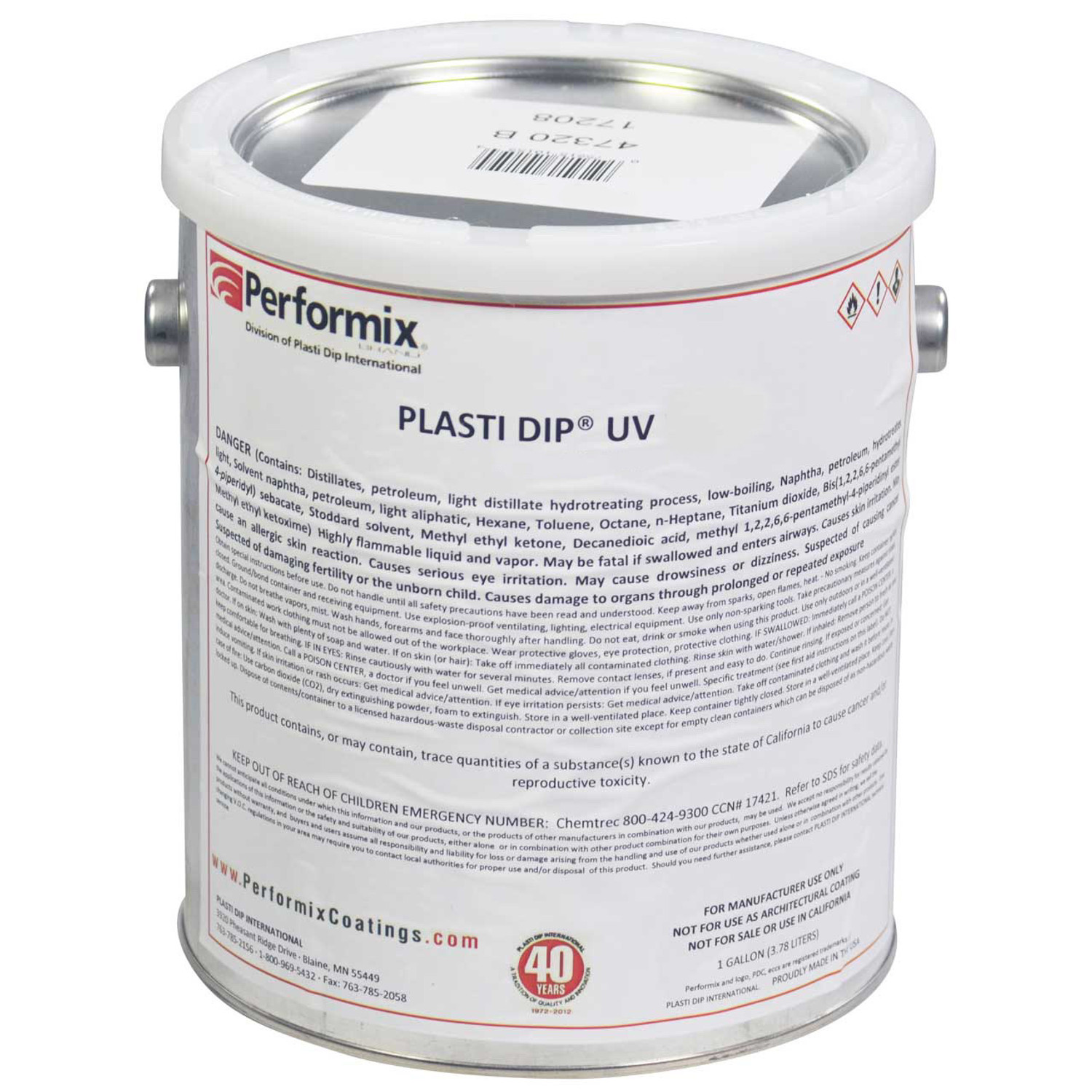
UV protective coating for plastic is a specialized surface treatment designed to shield plastic materials such as ABS and Nylon from ultraviolet radiation degradation, which can cause yellowing, embrittlement, and loss of mechanical properties. While the coating itself is typically applied via spraying, dipping, or vapor deposition post-machining, its compatibility with precision manufacturing processes—particularly 3-, 4-, and 5-axis milling and turning—is critical for maintaining dimensional accuracy and surface integrity, especially in tight tolerance applications.
During multi-axis milling and turning operations, coated parts must retain coating adhesion and uniformity despite complex toolpaths and high-precision requirements. For metallic fixtures or tooling used in holding plastic components during coating or machining, materials like aluminum and steel are commonly employed due to their dimensional stability and machinability to tight tolerances (±0.001″ or better). These metals may also be anodized or passivated to prevent contamination during coating processes.
The following table outlines key technical considerations for UV protective coatings on plastic components in the context of high-precision machining:
| Parameter | Description |
|---|---|
| Compatible Plastics | ABS, Nylon (PA6, PA66), Polycarbonate, PMMA |
| Coating Thickness | 5–25 µm (typical); must not compromise tight tolerance features |
| UV Protection Range | 290–400 nm wavelength absorption; >95% UV blockage |
| Adhesion Standard | ASTM D3359 cross-hatch test; Class 4B–5B rating required |
| Thermal Stability | Withstands up to 80°C continuous; compatible with post-machining curing |
| Surface Roughness (Ra) | Maintains base substrate finish (e.g., Ra 0.8–3.2 µm) post-coating |
| Curing Method | UV-curable or thermal cure; fast cycle times for production efficiency |
| Machining Compatibility | Coating applied post-machining; does not interfere with 3/4/5-axis milling precision |
| Tolerance Impact | Minimal; coating process must not induce warping or dimensional shift |
| Fixture Materials | Aluminum 6061-T6, Stainless Steel 304/316 for holding during coating |
| Chemical Resistance | Resists alcohols, mild solvents; non-reactive with plastic substrates |
| Application Method | Spray, dip, or plasma-enhanced chemical vapor deposition (PECVD) |
This coating is not applied directly to aluminum or steel components as a UV protection measure but is used on plastic parts that may be assembled with such machined metal components. Precision machining of both plastic and metal parts ensures proper fit and function in final assemblies exposed to outdoor or high-UV environments.
From CAD to Part: The Process
Honyo Prototype executes UV protective coating for plastic components through a rigorously controlled five-phase workflow designed for precision, material compatibility, and accelerated turnaround. This process integrates digital engineering with hands-on manufacturing expertise to ensure coatings withstand prolonged UV exposure while maintaining substrate integrity.
CAD Upload and Material Analysis
Clients initiate the process by uploading CAD files to our secure portal, which triggers automated material verification against our proprietary database. We cross-reference the specified plastic resin (e.g., ABS, polycarbonate, or acrylic) with UV degradation profiles, identifying potential risks like yellowing or embrittlement. Critical geometric features such as thin walls or complex undercuts are flagged for adhesion analysis, as these directly impact coating uniformity. Material certifications (e.g., UL 94 flammability ratings) must accompany the CAD file to proceed.
AI-Powered Quoting with UV Exposure Simulation
Our AI quoting engine generates real-time cost and timeline estimates within 2 hours, incorporating UV-specific parameters beyond standard pricing. The algorithm simulates accelerated weathering per ASTM G154 standards, predicting coating lifespan based on resin type, part geometry, and client-specified UV intensity (e.g., 0.89 W/m² at 340 nm). Variables like required UV cutoff wavelength (typically 380–400 nm for outdoor applications) and desired gloss retention (e.g., 85% after 1,000 hrs QUV testing) dynamically adjust the quote. Clients receive a digital twin preview showing simulated UV degradation hotspots without coating.
DFM Review for Coating Adhesion and Durability
Engineers conduct a dual-focus DFM analysis: first optimizing the plastic part for manufacturability, then validating UV coating performance. We assess surface energy requirements (minimum 38 dynes/cm for acrylics), recommend plasma treatment parameters if needed, and identify areas prone to coating delamination (e.g., sharp internal corners). Critical outputs include revised draft angles for coating flow, venting adjustments to prevent VOC trapping, and tolerance allowances for the 5–25 μm coating layer. Clients receive a formal DFM report with annotated CAD markups and material-specific UV resistance data.
Production with In-Process Validation
Production begins only after client approval of DFM recommendations. Parts undergo:
1. Precision cleaning via ultrasonic acetone wash to remove mold release agents
2. Atmospheric plasma activation (40–100 W, 30–60 sec) to maximize adhesion
3. Automated spray coating with fluoropolymer-based UV inhibitors (e.g., hindered amine light stabilizers)
4. Humidity-controlled curing (50–60% RH) at 60–80°C for 15–30 minutes
Throughout this phase, we perform in-line checks including adhesion testing per ASTM D3359 (cross-hatch method) and real-time spectrophotometer readings for UV cutoff verification. Coating thickness is monitored via eddy current probes to maintain ±2 μm tolerance.
Delivery with Performance Certification
All coated parts ship within 5–7 business days of production start, accompanied by a comprehensive test dossier. This includes:
QUV accelerated weathering report (500–2,000 hours per client specification)
FTIR analysis confirming UV stabilizer distribution
Salt spray test data (ASTM B117) for coastal environment suitability
Certificate of Conformance with lot-specific coating parameters
Key production metrics for UV coating projects:
| Parameter | Standard Range | Critical Threshold |
|---|---|---|
| Coating Thickness | 8–18 μm | <5 μm (adhesion failure) |
| UV Cutoff Wavelength | 380–400 nm | >410 nm (inadequate protection) |
| Gloss Retention (1k hrs) | ≥85% | <70% (rejection) |
| Adhesion Rating (ASTM) | 4B–5B | ≤3B (rework) |
This integrated approach ensures plastics maintain mechanical properties and aesthetic performance under solar radiation, with 98.7% first-pass yield rate for UV-critical applications. Clients receive engineering support through our portal for post-delivery performance validation.
Start Your Project
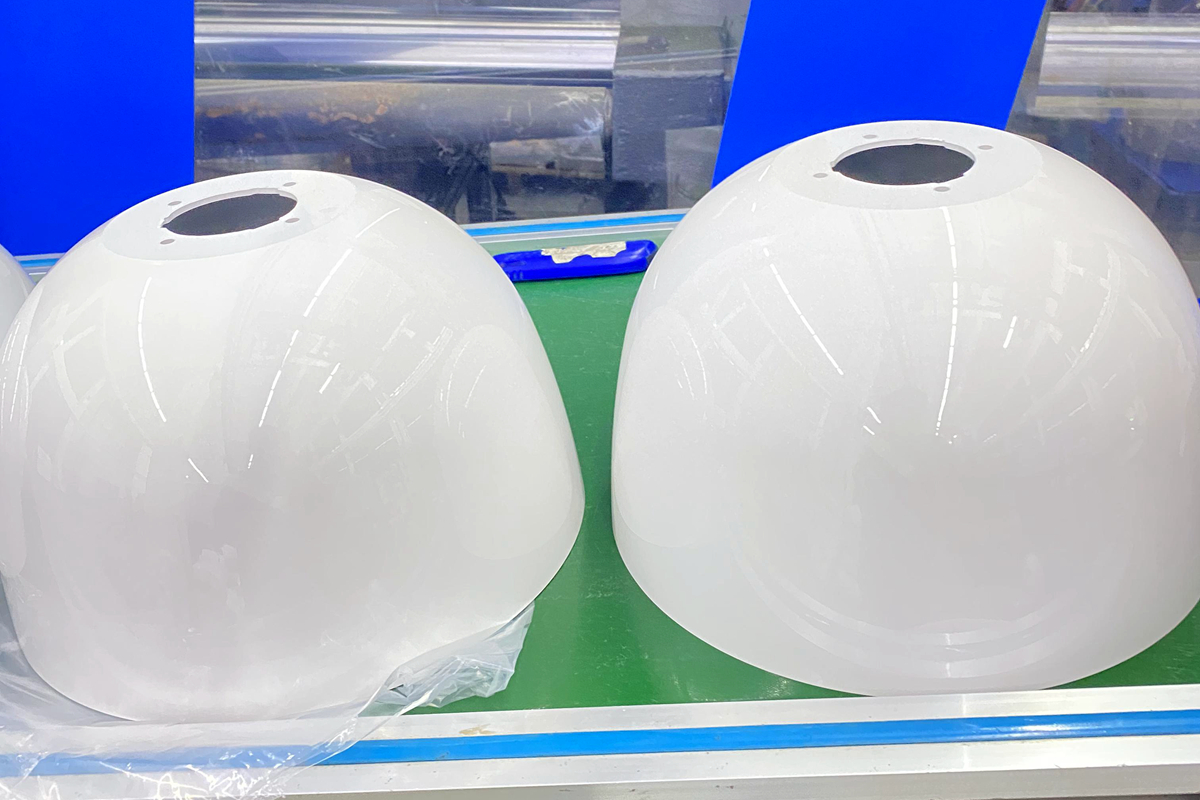
Looking for a reliable UV protective coating solution for plastic components? Enhance durability, prevent degradation, and extend the lifespan of your plastic parts with our high-performance UV protective coating, engineered for demanding environments.
Manufactured in Shenzhen with strict quality control, our coating is ideal for outdoor applications, automotive parts, consumer electronics, and more.
Contact Susan Leo today at [email protected] to request samples, technical specifications, or pricing details. Let’s collaborate to protect your plastic products from UV damage.
🚀 Rapid Prototyping Estimator
Estimate rough cost index based on volume.