
Contents
Manufacturing Insight: Uv Protection Coating For Plastics
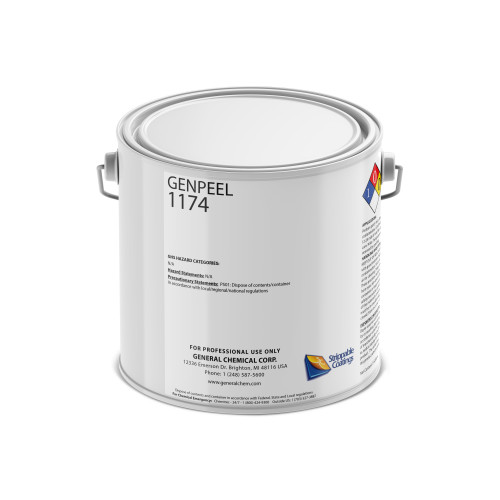
Honyo Prototype delivers precision CNC machined plastic components engineered for demanding applications where ultraviolet radiation exposure threatens part integrity and longevity. Our advanced CNC machining capabilities produce substrates with exceptional surface finish and dimensional accuracy, creating the optimal foundation for effective UV protection coating adhesion and performance. When plastic parts require resistance to solar degradation—preventing yellowing, embrittlement, and loss of mechanical properties in outdoor or high-exposure environments—the quality of the underlying machined component is critical. A poorly prepared surface compromises even the highest-grade UV inhibitors.
We understand that integrating reliable UV protection starts with a flawlessly machined base. Honyo’s expertise in machining engineering plastics like polycarbonate, acrylic, ABS, and polypropylene ensures minimal surface defects and consistent geometry, directly enhancing the durability and effectiveness of subsequent UV-resistant coatings. This synergy between precision substrate manufacturing and protective finishing is essential for applications spanning automotive lighting, medical device housings, outdoor electronics enclosures, and aerospace components.
Accelerate your development cycle with Honyo’s Online Instant Quote system. Upload your CAD file today to receive a detailed, transparent cost assessment and manufacturability feedback for your UV-protected plastic component within hours—not days. Let us partner with you to transform design concepts into resilient, production-ready prototypes and low-volume runs.
Technical Capabilities
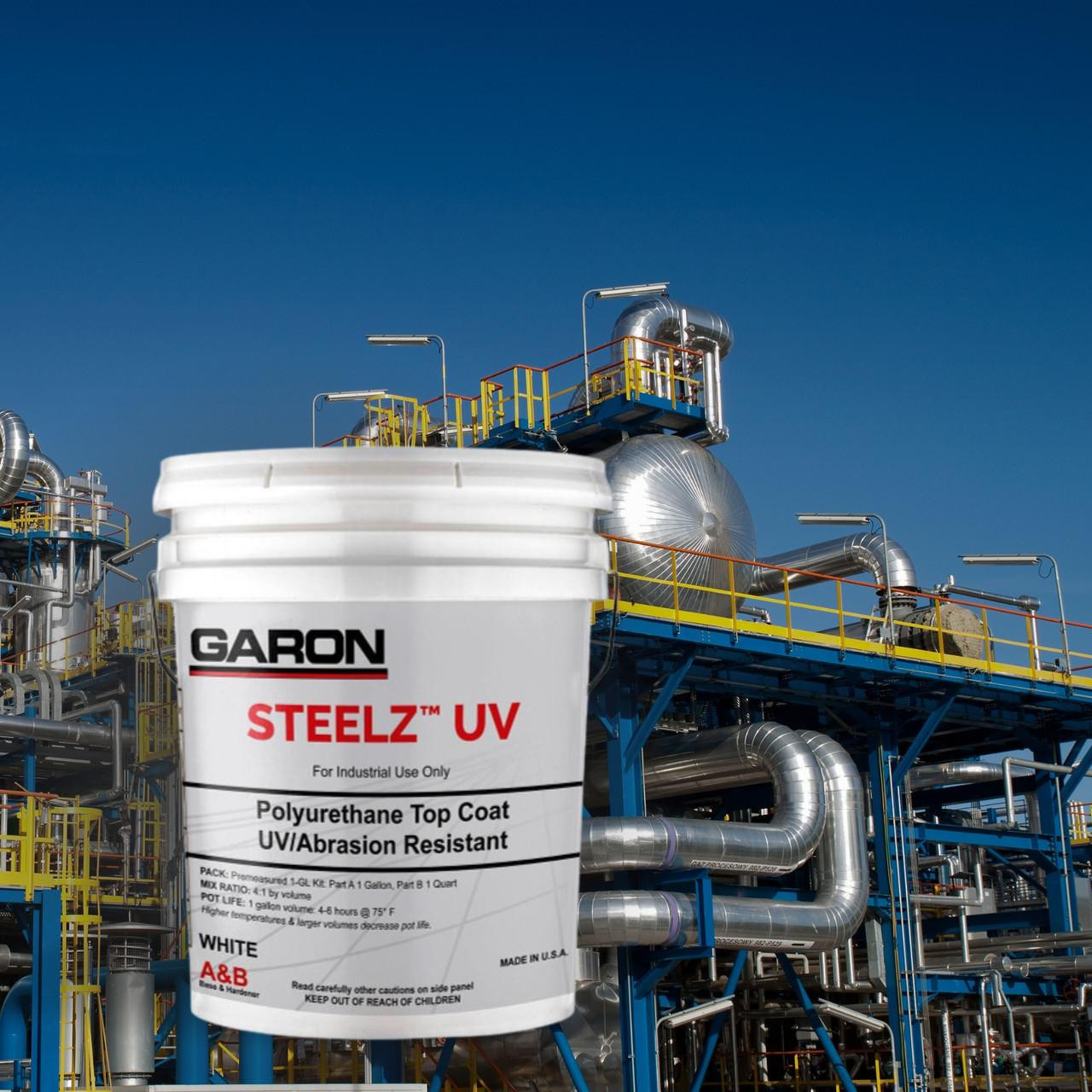
UV protection coating for plastics is typically applied to polymer components to prevent degradation caused by ultraviolet radiation, such as discoloration, embrittlement, and loss of mechanical properties. While this coating is not directly involved in machining processes like 3/4/5-axis milling or turning, the selection of substrate material and tight tolerance requirements significantly influence how and when the coating is applied in the manufacturing workflow.
For precision-machined components requiring tight tolerances (±0.005 mm to ±0.025 mm), UV coatings must be considered in the context of dimensional stability and adhesion, especially for plastics like ABS and Nylon. Coating thickness (typically 5–25 µm) must be factored into final dimensions, and post-coating handling should avoid stress on critical features.
The table below outlines relevant technical considerations for UV protection coatings in the context of high-precision machining operations across common materials.
| Material | Compatible UV Protection Coating Type | Machining Process Compatibility | Coating Thickness Range | Effect on Tight Tolerance | Notes |
|---|---|---|---|---|---|
| ABS (Acrylonitrile Butadiene Styrene) | Acrylic-based UV inhibitors or clear polyurethane topcoats | 3/4/5-axis milling, turning | 10–25 µm | Requires pre-coating final machining; coating can affect dimensional accuracy on thin walls | Coating improves surface resistance to yellowing and cracking; avoid high heat during machining to prevent premature degradation |
| Nylon (Polyamide) | UV-stabilized additives (e.g., HALS) or fluoropolymer topcoats | 3/4/5-axis milling, turning | 5–15 µm (if topcoat applied) | Minimal impact if additives are internal; topcoats require post-machining application | Internal UV stabilizers preferred for tight tolerance parts; external coatings may require masking of critical surfaces |
| Aluminum | Anodizing with UV-resistant sealants or acrylic/polyurethane topcoats | 3/4/5-axis milling, turning, precision boring | 15–25 µm (including anodized layer) | Critical; anodizing growth affects dimensions (0.5–1 µm per surface per µm coating) | Used in hybrid assemblies; ensure coating does not bridge toleranced gaps or threaded features |
| Steel (e.g., Stainless, Tool Steel) | Epoxy or polyurethane coatings with UV stabilizers | Turning, milling, grinding | 20–50 µm | High impact; coating often applied after final machining and passivation | Typically used for protective housings; UV coating is secondary process; ensure CTE compatibility |
Key Technical Notes:
UV protection is generally not applied before high-precision machining due to coating thickness variability and potential for dimensional inaccuracy. For tight tolerance components, machining is completed to final dimensions, followed by coating if required—especially in optical, outdoor, or medical applications.
In multi-axis milling and turning operations, fixturing and tool paths must account for post-processing coating requirements. Critical surfaces may need masking to maintain tolerance and surface finish. For plastics like ABS and Nylon, internal UV stabilizers are often more effective than external coatings when dimensional stability is paramount.
Coating selection must also consider thermal and chemical exposure during and after machining, especially when coolants or post-machining cleaning agents are used.
From CAD to Part: The Process
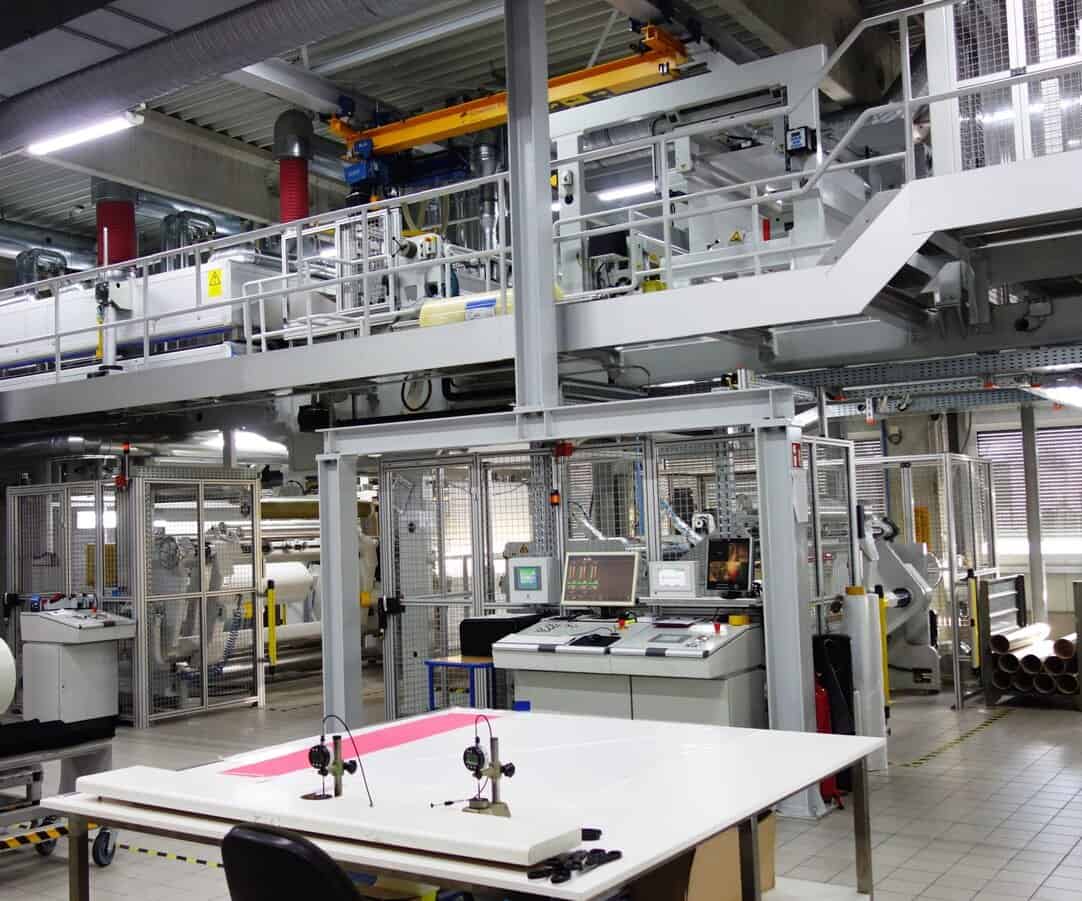
Honyo Prototype UV Protection Coating Process for Plastics
Honyo Prototype delivers precision UV protection coatings for plastic components through a tightly integrated digital workflow designed for speed, quality, and manufacturability. Our process begins with seamless digital onboarding and concludes with validated delivery, ensuring optimal UV resistance while maintaining substrate integrity.
CAD Upload & AI Quoting
Customers initiate the process by uploading 3D CAD files (STEP, IGES, or native formats) via our secure portal. Our proprietary AI quoting engine instantly analyzes geometric complexity, surface area, material type (e.g., polycarbonate, ABS, PMMA), and coating coverage requirements. The system cross-references real-time data on resin-specific UV chemistry compatibility, curing parameters, and historical process yields to generate a technically validated quote within 24 hours. Critical parameters like required UV cutoff wavelength (e.g., <400 nm) and optical clarity targets are captured during this phase to prevent downstream rework.
DFM Analysis & Process Validation
All projects undergo mandatory Design for Manufacturing (DFM) review by our coating engineering team. This phase verifies:
Plastic resin compatibility with UV-curable acrylic or polyurethane chemistries (e.g., avoiding stress-cracking in PC with solvent-based systems)
Adhesion promoter requirements based on substrate surface energy (measured via dyne testing)
Geometric constraints affecting uniform coating thickness (e.g., deep recesses, thin walls)
Thermal stability limits for UV curing (typically 60–85°C max for engineering plastics)
Masking requirements for non-coated features
We provide actionable DFM feedback within 48 hours, including recommended process adjustments to achieve ASTM G154/G155 compliance for accelerated weathering.
Production Execution
Coating is performed in Class 10K cleanrooms using automated dip, spin, or spray systems calibrated to ±2µm thickness control. Key production stages:
1. Substrate Prep: Plasma treatment (50–100 W/m²) to enhance adhesion, followed by solvent wiping per ASTM D2651
2. Coating Application: Precision dispensing of UV-stable oligomers (e.g., triazine or benzotriazole-based) with 90–95% UV absorption at 290–400 nm
3. Curing: Broad-spectrum UV lamps (320–450 nm) with real-time radiometry monitoring to ensure 3–5 J/cm² dose
4. Validation: In-process checks of gloss retention (ASTM D523), pencil hardness (ASTM D3363), and yellowing index (ASTM E313)
Quality Assurance & Delivery
Every batch undergoes final inspection per AQL 1.0 standards, including:
Spectrophotometric UV transmission analysis (250–450 nm range)
Cross-hatch adhesion testing (ASTM D3359)
1,000-hour QUV accelerated weathering reports (optional)
| Critical Parameter | Target Specification | Test Standard |
|---|---|---|
| UV Transmission @ 380 nm | ≤5% | ASTM D1003 |
| Adhesion Rating | 5B (no detachment) | ASTM D3359 |
| Yellowing Index (ΔYI) | ≤2.0 after 500h QUV | ASTM E313 |
| Coating Thickness | 5–25 µm (part-dependent) | ISO 2808 |
Components ship in anti-static, UV-blocking packaging with full traceability documentation. Standard lead time is 7–10 business days from DFM sign-off, with expedited 5-day options available for qualified geometries. All processes adhere to ISO 9001:2015 and IATF 16949 frameworks, ensuring repeatability for both prototypes and low-volume production runs.
Start Your Project
Looking for a reliable UV protection coating solution for your plastic components? Enhance durability, prevent degradation, and maintain optical clarity with our high-performance UV coating services, engineered for demanding environments.
Manufactured in our Shenzhen facility with strict quality control and process consistency, our UV protection coatings are ideal for outdoor, automotive, and industrial applications.
Contact Susan Leo today to discuss your project requirements or request technical specifications.
Email: [email protected]
🚀 Rapid Prototyping Estimator
Estimate rough cost index based on volume.