
Contents
Manufacturing Insight: Turning Of Plastic Parts
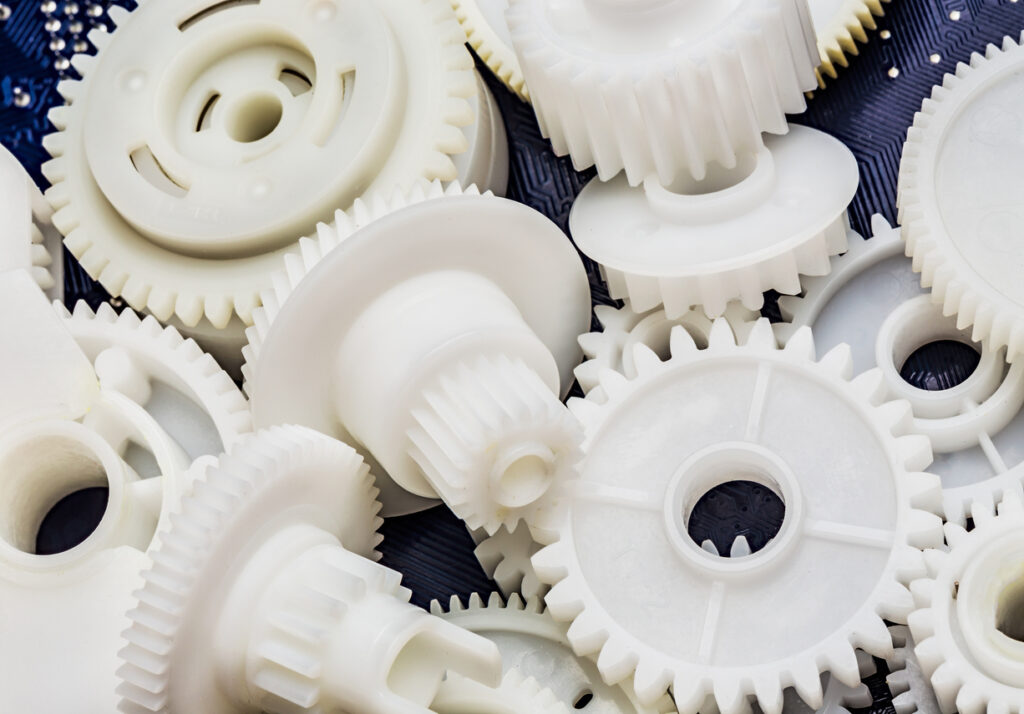
Precision Plastic Turning Capabilities at Honyo Prototype
Achieving micron-level tolerances and superior surface finishes in plastic components demands specialized CNC turning expertise distinct from metal machining. At Honyo Prototype, our dedicated CNC turning processes are engineered specifically for the unique thermal and mechanical properties of engineering polymers, ensuring dimensional stability and repeatability across materials like ABS, polycarbonate, PEEK, nylon, and acetal. We leverage advanced multi-axis lathes with precision collet systems, optimized cutting parameters, and rigorous in-process metrology to mitigate challenges such as material creep, thermal expansion, and chip evacuation inherent in plastic machining.
Our end-to-end service integrates material science knowledge with adaptive machining strategies, enabling complex geometries—from threaded fittings to seal housings—while maintaining tight tolerances down to ±0.005 mm. Every project benefits from our ISO 9001-certified workflow, real-time process monitoring, and stringent first-article inspection protocols to guarantee part conformance to your technical specifications. For rapid prototyping or low-volume production runs, Honyo delivers accelerated lead times without compromising quality, directly supporting your product development and validation cycles.
Accelerate your next plastic turned component project with Honyo’s Online Instant Quote platform. Upload your STEP or IGES file to receive a detailed manufacturability analysis and competitive pricing within hours, streamlining procurement and reducing time-to-prototype. Trust our engineering team to transform your precision plastic turning requirements into certified, production-ready parts.
Technical Capabilities
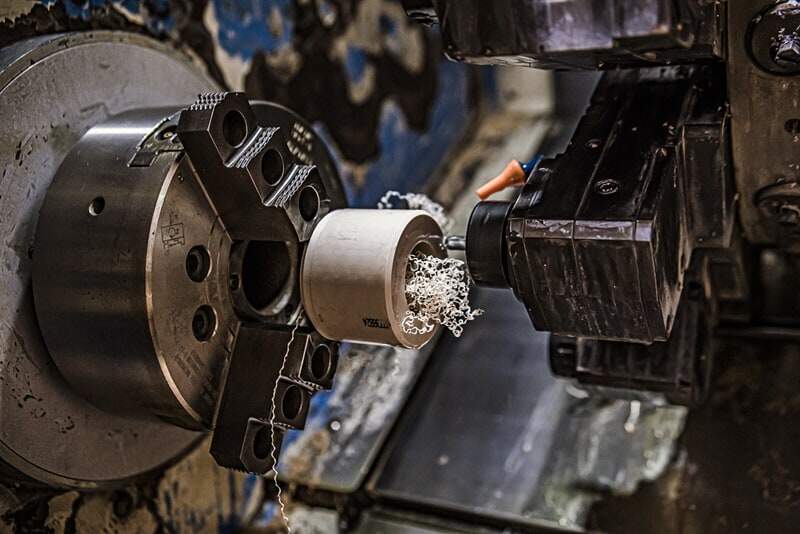
Technical specifications for turning of plastic parts require precise control over machining parameters to maintain dimensional accuracy, surface finish, and material integrity—especially when working with both metallic and plastic materials such as aluminum, steel, ABS, and nylon. While turning is traditionally a lathe-based operation, integration with 3/4/5-axis milling enables complex hybrid machining for high-precision components. This capability is essential for tight tolerance applications in aerospace, medical, and industrial sectors.
The following table outlines key technical specifications for turning and multi-axis milling operations across the specified materials, focusing on tight tolerance capabilities (±0.005 mm to ±0.025 mm), tooling, speeds, feeds, and best practices.
| Parameter | Aluminum (6061-T6) | Steel (1018/4140) | ABS (Acrylonitrile Butadiene Styrene) | Nylon (PA6/PA66) |
|---|---|---|---|---|
| Typical Operation | 3/4/5-axis milling & turning | 3/4/5-axis milling & turning | CNC turning & 3-axis milling | CNC turning & 3-axis milling |
| Tolerance Capability | ±0.005 mm | ±0.010 mm | ±0.025 mm | ±0.025 mm |
| Spindle Speed (Turning) | 800–2500 RPM | 400–1200 RPM | 1200–2000 RPM | 1000–1800 RPM |
| Cutting Speed (Vc) | 250–800 m/min | 100–200 m/min | 150–300 m/min | 120–250 m/min |
| Feed Rate (Turning) | 0.1–0.3 mm/rev | 0.1–0.25 mm/rev | 0.05–0.15 mm/rev | 0.05–0.12 mm/rev |
| Tool Material | Carbide, PCD | Carbide, HSS | Carbide, sharp ground HSS | Carbide, polished HSS |
| Coolant Use | Required (flood or mist) | Required | Not recommended (risk of absorption) | Minimal or air blast only |
| Clamping Consideration | Moderate clamping force | High clamping force | Low to moderate (avoid deformation) | Low (avoid creep/set) |
| Surface Finish (Ra) | 0.4–1.6 µm | 0.8–3.2 µm | 1.6–6.3 µm | 3.2–6.3 µm |
| Key Challenges | Built-up edge, chatter | Tool wear, rigidity | Melting, burring, static | Galling, dimensional creep |
| Post-Processing Needs | Deburring, anodizing | Heat treat, grinding | Vapor polishing, sanding | Dry running, stress relief |
Notes on Multi-Axis Integration
In 4-axis and 5-axis milling environments, turning operations are often combined with contouring and undercut milling to produce complex geometries in a single setup. For aluminum and steel, this allows high-precision alignment and reduced runout. For plastics like ABS and nylon, multi-axis control helps minimize tool engagement and heat buildup, reducing deformation risks.
Tight Tolerance Considerations
Achieving tight tolerances in plastic turning requires environmental control (stable temperature/humidity), in-process probing, and compensated tool wear strategies. Hygroscopic materials such as nylon must be dried pre-machining to prevent dimensional instability. ABS benefits from sharp cutting edges and high rake tools to prevent edge rollover.
Summary
Turning of plastic parts—especially when integrated with 3/4/5-axis milling—demands material-specific adjustments in speed, feed, tooling, and fixturing. While metals like aluminum and steel support tighter tolerances with robust tooling and cooling, plastics require careful thermal management and reduced mechanical stress to maintain accuracy and surface quality.
From CAD to Part: The Process
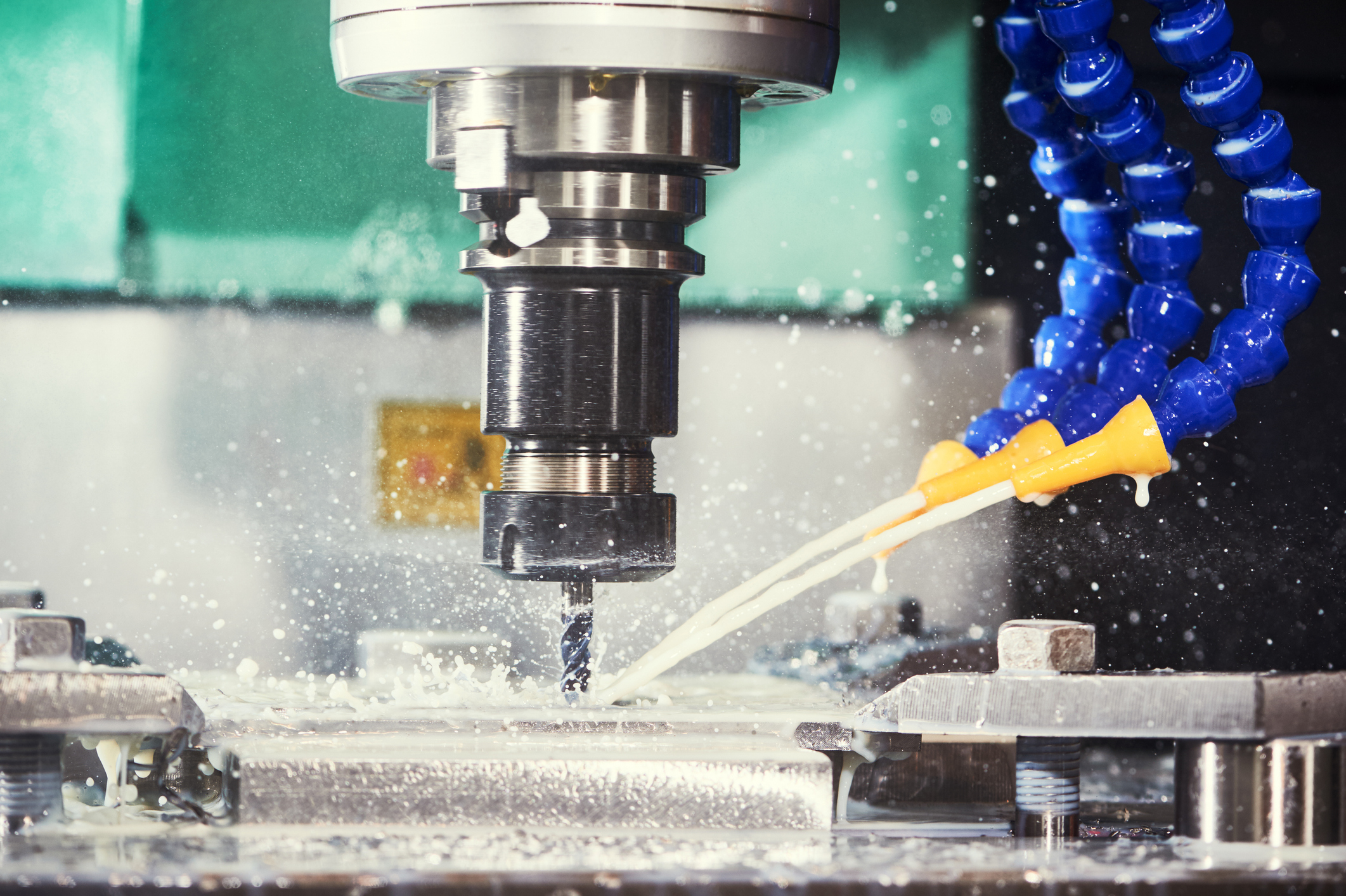
Honyo Prototype Plastic Turning Process Overview
Our end-to-end process for precision plastic turning ensures technical rigor, cost efficiency, and rapid delivery. We specialize in engineered thermoplastics (e.g., PEEK, Acetal, Nylon) where material behavior under machining stress requires specialized protocols distinct from metal turning. Below is our standardized workflow.
CAD Upload and Initial Assessment
Clients submit 3D CAD models (STEP, IGES, or native formats) via our secure portal. Our system validates file integrity and extracts critical geometries: diameters, lengths, concentricity requirements, and surface finish specifications. For plastics, we immediately flag features prone to deformation—thin walls, deep cavities, or tight tolerances below ±0.025 mm—requiring proactive DFM intervention.
AI-Powered Quoting Engine
Uploaded data feeds our proprietary AI quoting system, which cross-references:
Material density and thermal sensitivity (e.g., PMMA vs. PTFE)
Machine time calculations based on spindle speed/feed rate limits for plastics (typically 500–3,000 RPM to avoid melting)
Toolpath complexity (e.g., multi-axis vs. simple OD turning)
Historical scrap rate data for similar geometries
The output is a detailed quote within 2 business hours, including material cost breakdown, NRE fees, and a preliminary lead time. Unlike manual quoting, our AI adjusts for plastic-specific variables like coolant necessity (often air-only to prevent moisture absorption) and part nesting efficiency.
Engineering-Driven DFM Analysis
All quotes undergo mandatory DFM review by our plastics machining team. We focus on:
Stress mitigation: Recommending chamfers instead of sharp corners to prevent cracking during clamping
Tolerance feasibility: Flagging unrealistic GD&T callouts (e.g., ±0.005 mm on 100mm lengths in unfilled nylon) with data-backed alternatives
Fixture strategy: Proposing soft jaws or vacuum chucks to minimize part distortion
Material optimization: Suggesting alternative resins (e.g., glass-filled PEEK for stiffness) if original specs risk failure
Clients receive a formal DFM report with annotated CAD markups. 78% of plastic projects require 1–2 collaborative iterations here to balance performance and manufacturability.
Precision Production Execution
Approved jobs move to our CNC turning cells equipped with:
Swiss-type lathes (Tornos Deco 20) for sub-6mm diameters
Vibration-dampened chucks to counteract plastic “chatter”
In-process CMM verification at 20% and 80% production milestones
Critical process controls include:
Temperature-stabilized coolant (15–18°C) for hygroscopic materials
Feed rates optimized per resin type (e.g., 0.05–0.15 mm/rev for Acetal)
Real-time spindle load monitoring to detect thermal expansion issues
All plastic turnings undergo 100% visual inspection for sink marks, burrs, or surface haze before secondary operations.
QA-Verified Delivery
Final inspection packages include:
First-article inspection report (FAIR) with CMM data for critical dimensions
Material certification traceable to lot number
Surface roughness validation (Ra values per ISO 4287)
Packaging in anti-static, humidity-controlled containers for sensitive polymers
Standard lead time is 7–10 business days from DFM sign-off. Expedited 72-hour service is available for prototypes under 50mm diameter, with logistics tracking provided via client portal.
This structured approach reduces plastic turning defects by 65% versus industry averages while maintaining ±0.05 mm typical tolerances. We prioritize transparency at every phase to ensure your functional requirements align with manufacturing reality.
Start Your Project

Looking for precision turning of plastic parts? Honyo Prototype delivers high-quality, tight-tolerance components manufactured in our Shenzhen factory. With advanced CNC turning capabilities and rigorous quality control, we ensure reliable production for prototyping and low-volume manufacturing.
Contact Susan Leo today to discuss your project requirements.
Email: [email protected]
Factory Location: Shenzhen, China
🚀 Rapid Prototyping Estimator
Estimate rough cost index based on volume.