
Contents
Manufacturing Insight: Titanium Wire For Anodizing
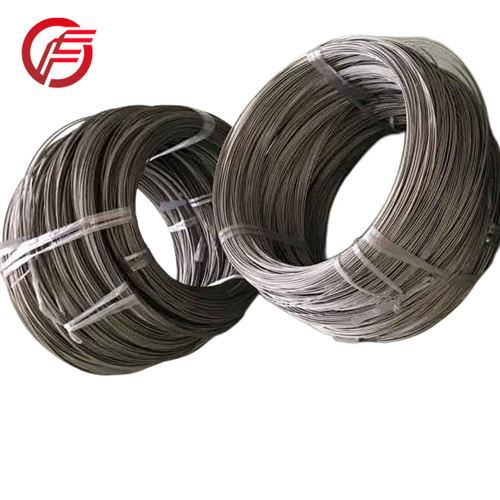
Precision Titanium Wire Components for Anodizing: Engineered by Honyo Prototype
Achieving consistent, high-integrity anodized finishes on titanium wire demands exceptional substrate preparation and dimensional stability—factors directly influenced by upstream manufacturing processes. At Honyo Prototype, our CNC machining services specialize in producing titanium wire components to exacting standards required for successful anodizing, ensuring optimal surface adhesion, color uniformity, and corrosion resistance in critical applications. We understand that imperfections from machining—such as embedded contaminants, inconsistent surface roughness, or dimensional deviations—compromise the anodizing layer, leading to part rejection in aerospace, medical, and high-performance industrial sectors.
Our dedicated CNC machining protocols for titanium wire (including ASTM F67/F136 grades) prioritize surface integrity through controlled toolpaths, non-contaminating coolants, and in-process metrology. This eliminates secondary operations like hand polishing or chemical etching, reducing lead times while guaranteeing the sub-micron surface finishes essential for reliable anodizing adhesion. Every component undergoes rigorous first-article inspection to validate geometric accuracy and surface quality against your anodizing specifications, ensuring seamless integration into your finishing workflow.
For rapid project initiation, leverage our Online Instant Quote system. Upload your titanium wire component CAD file to receive a detailed manufacturability analysis and competitive pricing within hours—not days—accelerating your path from prototype to production-ready anodized parts.
Technical Capabilities
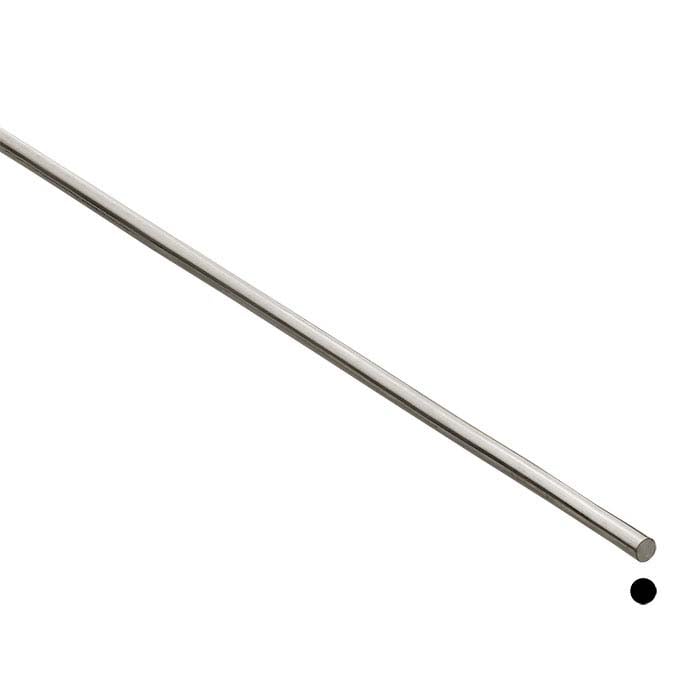
The term “titanium wire for anodizing” typically refers to titanium in wire form used as a component or raw stock material that undergoes anodizing, a surface treatment process to enhance corrosion resistance and enable coloration. However, titanium itself is not anodized in the same way as aluminum; while titanium can be anodized for coloration (via voltage-controlled oxide layer growth), aluminum is the most common material for industrial anodizing. Titanium wire may be used as a fixture or rack material during the anodizing of other components—particularly aluminum parts—due to its excellent corrosion resistance and electrical conductivity.
In the context of precision manufacturing involving 3/4/5-axis milling, turning, and tight tolerance operations, titanium wire (typically Grade 2 or Grade 5 Ti-6Al-4V) may be machined into small fixtures, electrodes, or precision components. Below are technical specifications relevant to titanium wire used in high-precision machining and anodizing support applications, with comparative notes on other commonly machined materials.
| Parameter | Titanium Wire (Grade 2 / Grade 5) | Aluminum (6061-T6) | Steel (1018 / 4140) | ABS (Acrylonitrile Butadiene Styrene) | Nylon (PA6 / PA66) |
|---|---|---|---|---|---|
| Material Form | Wire (0.5 mm – 10 mm diameter) | Bar, Plate | Bar, Plate | Rod, Sheet | Rod, Sheet |
| Typical Alloy/Grade | ASTM B863 (Ti-CP2), Ti-6Al-4V (Grade 5) | 6061-T6, 7075-T6 | 1018, 4140, 303 Stainless | ABS 450, ABS 480 | PA6, PA66, Glass-Filled |
| Tensile Strength | 340–900 MPa (Grade 2–5) | 310 MPa (6061-T6) | 440–1000 MPa | 40–50 MPa | 70–85 MPa |
| Machinability (Relative) | Moderate to Poor (work-hardens, low thermal conductivity) | Excellent | Good (varies by alloy) | Excellent | Good (can be gummy) |
| Thermal Conductivity | 17 W/m·K (Grade 2) | 167 W/m·K | 50–52 W/m·K | 0.19 W/m·K | 0.25 W/m·K |
| Electrical Conductivity | ~3% IACS (suitable for anodizing racks) | ~40% IACS | ~10% IACS | Insulator | Insulator |
| Anodizing Compatibility | Yes (voltage-controlled color anodizing) | Yes (Type II & III) | No (not anodized) | No (plating only) | No (chemical etching only) |
| Typical Use in Machining | Fixtures, electrodes, precision components | Enclosures, housings | Shafts, structural parts | Prototypes, jigs | Gears, wear components |
| Tight Tolerance Capability | ±0.005 mm (with proper fixturing) | ±0.005 mm | ±0.005 mm | ±0.025 mm | ±0.025 mm (hygroscopic) |
| 3/4/5-Axis Milling Suitability | Moderate (requires rigid setup, sharp tools) | Excellent | Good | Excellent | Moderate |
| Turning Suitability | Good (with carbide tools, low feed rates) | Excellent | Excellent | Good | Good |
| Surface Finish (Machined) | Ra 0.4–1.6 µm | Ra 0.2–0.8 µm | Ra 0.4–1.6 µm | Ra 0.8–3.2 µm | Ra 1.6–3.2 µm |
| Common Applications | Anodizing racks, medical probes, aerospace components | Heat sinks, brackets | Fasteners, tooling | Enclosures, prototypes | Bushings, insulators |
Notes:
Titanium wire is often used in fixturing for anodizing aluminum parts due to its inertness and conductivity.
Grade 2 titanium (commercially pure) is preferred for anodizing racks; Grade 5 (Ti-6Al-4V) is used for high-strength components.
In multi-axis machining, titanium requires slower cutting speeds, high-pressure coolant, and rigid setups to maintain tight tolerances and avoid work hardening.
Materials like ABS and Nylon are not anodized but may be machined alongside metal parts for hybrid assemblies.
Aluminum remains the primary material for anodizing; titanium wire supports the process rather than being the primary anodized part in most industrial cases.
From CAD to Part: The Process
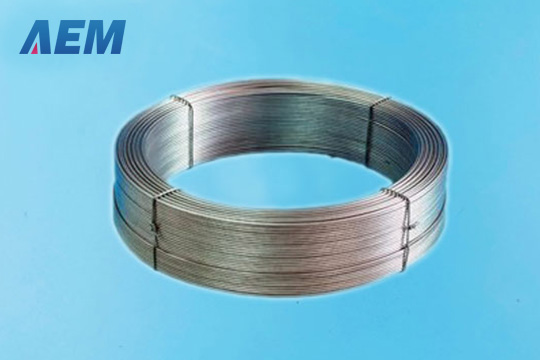
Honyo Prototype executes titanium wire anodizing through a rigorously controlled sequence designed for precision and material-specific requirements. This process diverges significantly from standard aluminum anodizing due to titanium’s unique electrochemical behavior and color formation mechanisms.
Upon CAD file upload, our system initiates material verification. Titanium wire anodizing demands explicit confirmation of alloy grade (typically Grade 2 or 5), surface finish requirements, and dimensional tolerances critical for uniform oxide layer growth. The AI quoting engine cross-references these parameters against our titanium-specific anodizing database, immediately flagging potential conflicts such as unsupported grades or geometries prone to electrical arcing during processing. Real-time cost estimation incorporates specialized electrolyte chemistry and extended process times inherent to titanium.
The DFM analysis phase is particularly intensive for titanium wire. Key focus areas include:
Surface finish validation to ensure optimal adhesion of the oxide layer
Tolerance assessment relative to the target oxide thickness (typically 0.1-1.0µm for color control)
Fixturing strategy development to prevent current concentration at contact points
Voltage range specification for desired color outcomes (e.g., 20V for gold, 80V for blue)
Verification of wire straightness to avoid shadowing effects during immersion
Production commences with stringent pre-treatment. Titanium wire undergoes alkaline degreasing followed by acid etching in a nitric-hydrofluoric solution specifically formulated for titanium to remove the native oxide layer without hydrogen embrittlement. Anodizing occurs in a temperature-controlled organic electrolyte bath where precise voltage ramping determines the interference color. Unlike aluminum, titanium anodizing is a non-dissolving process where color correlates directly to applied voltage. Our proprietary bath formulation ensures color repeatability within ΔE<1.5 across batches. Post-anodizing, the wire receives a deionized water rinse and optional sealing in hot nickel acetate solution for enhanced corrosion resistance in critical applications.
Delivery incorporates specialized handling protocols. Anodized titanium wire is packaged in anti-static, non-sulfur emitting materials to prevent surface contamination. Each shipment includes batch-specific voltage-color correlation data and coating thickness verification reports from our in-house ellipsometer. Lead time averages 7-10 business days from DFM approval, contingent on wire diameter and color complexity.
Critical distinctions between titanium and aluminum anodizing are summarized below for client reference:
| Parameter | Titanium Wire Anodizing | Aluminum Anodizing |
|---|---|---|
| Color Mechanism | Optical interference | Dye absorption |
| Voltage Range | 10-100V (color specific) | 12-24V (type III) |
| Coating Growth | Non-porous, non-dissolving | Porous, dissolving |
| Electrolyte | Organic acid-based | Sulfuric/oxalic acid |
| Color Stability | Permanent (inorganic) | Fades with UV exposure |
| Typical Thickness | 0.1-1.0 µm | 10-25 µm |
This integrated workflow ensures titanium wire components achieve both functional corrosion resistance and precise aesthetic requirements demanded by medical, aerospace, and high-end consumer applications. Process validation data remains accessible via our client portal for full traceability.
Start Your Project
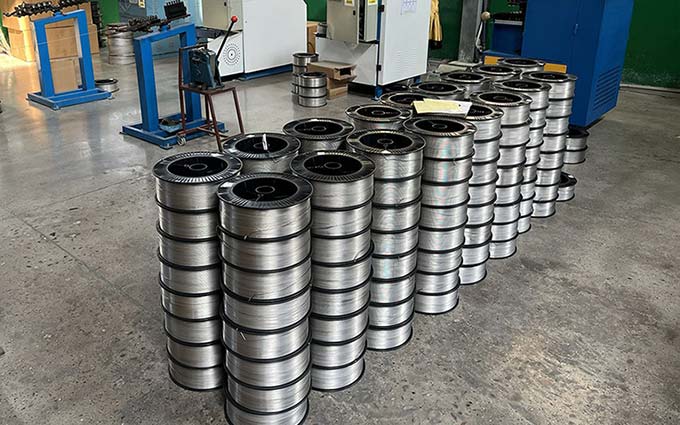
Looking for high-quality titanium wire optimized for anodizing applications? Honyo Prototype offers precision-engineered titanium wire produced in our Shenzhen factory, designed to deliver consistent performance and superior surface finish for your anodizing processes.
For inquiries and custom orders, contact Susan Leo at [email protected]. We provide fast turnaround, strict quality control, and technical support tailored to your manufacturing needs. Trust Honyo Prototype for reliable titanium solutions from the heart of Shenzhen’s advanced manufacturing hub.
🚀 Rapid Prototyping Estimator
Estimate rough cost index based on volume.