
Contents
Manufacturing Insight: Titanium Steel Alloys
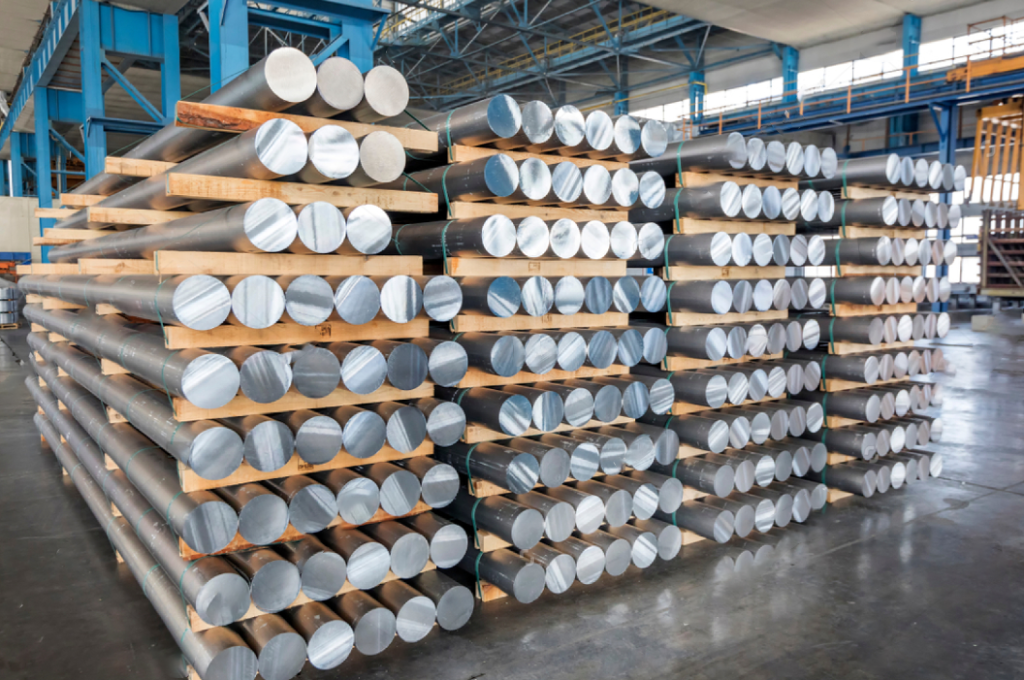
Precision Machining Expertise for Demanding Titanium and High-Performance Steel Alloys
Honyo Prototype delivers advanced CNC machining solutions for critical applications requiring the exceptional strength-to-weight ratio of titanium alloys like Ti-6Al-4V (Grade 5) and corrosion resistance of aerospace-grade stainless steels such as 17-4 PH and 316L. While “titanium steel” is not a recognized material category, our engineering team possesses deep expertise in machining both pure titanium alloys and high-strength steel families to exacting tolerances demanded by aerospace, medical, and energy sectors. We overcome inherent challenges like titanium’s low thermal conductivity and steel’s work-hardening tendencies through optimized toolpaths, specialized coatings, and in-process monitoring, ensuring dimensional accuracy down to ±0.0002″ and superior surface integrity. All processes adhere to stringent AS9100 and ISO 13485 standards, with comprehensive material traceability and post-machining validation including CMM inspection and metallurgical testing where required.
Our turnkey capabilities span 3-axis to 5-axis milling, precision turning, and complex multi-feature part production, supported by integrated finishing services such as passivation, anodizing, and non-destructive testing coordination. For rapid project initiation, Honyo’s Online Instant Quote system provides detailed cost and lead time estimates within hours—simply upload your STEP or IGES file to receive a manufacturability analysis and competitive pricing aligned with your technical specifications. Access our Online Instant Quote platform directly to accelerate prototyping and low-volume production of mission-critical components in these high-performance material systems.
Technical Capabilities
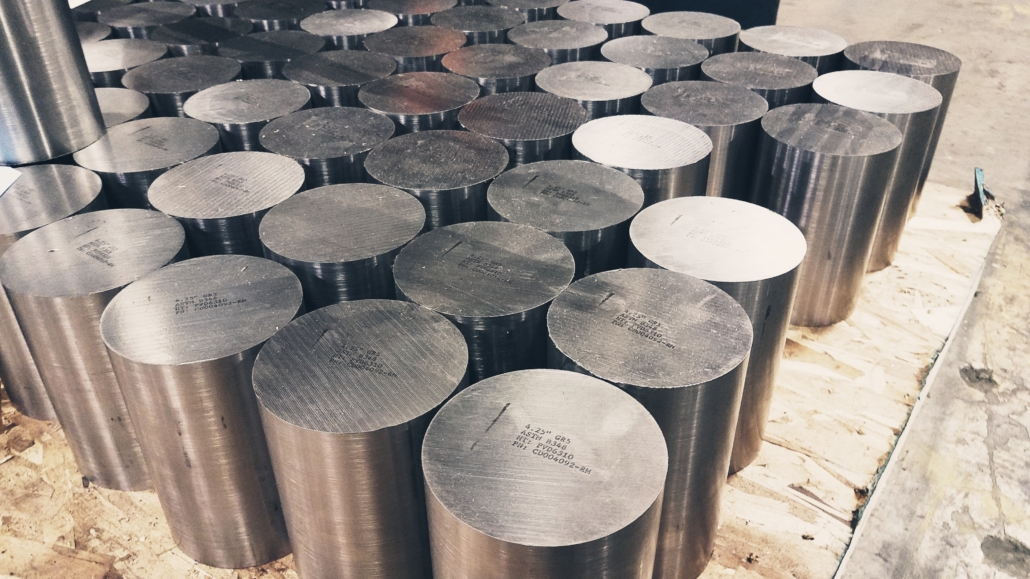
Titanium steel alloys are not a standard material classification, as titanium and steel are distinct metallic systems with different base elements. However, the term may be used colloquially to refer to titanium alloys (such as Ti-6Al-4V) or high-performance stainless steels that exhibit titanium-like corrosion resistance or strength-to-density ratios. In precision manufacturing environments—particularly in 3-axis, 4-axis, and 5-axis CNC milling and turning operations—materials are selected based on machinability, thermal stability, strength, and ability to hold tight tolerances (typically ±0.0005″ to ±0.005″, depending on part geometry and application).
Below is a comparative technical overview of commonly machined materials in high-precision CNC operations, including aluminum, steel, ABS, nylon, and titanium alloys (e.g., Ti-6Al-4V), with focus on multi-axis milling, turning, and tight tolerance capabilities.
| Material | Typical Grade/Form | Tensile Strength (MPa) | Hardness (HB) | Machinability Rating | Thermal Stability | Typical Tolerance Range (± in) | Key Considerations for 3/4/5-Axis Machining |
|---|---|---|---|---|---|---|---|
| Aluminum | 6061-T6, 7075-T6 | 310–570 | 95–150 | Excellent (100%) | Moderate | 0.0005 – 0.002 | High material removal rate; low cutting forces; excellent for complex geometries; minimal tool wear; ideal for high-speed 5-axis milling |
| Steel | 4140, 1018, A2, D2 | 655–2000 | 150–600 | Fair to Poor (40–60%) | High | 0.001 – 0.005 | Requires rigid setups; higher tool wear; slower feeds/speeds; suitable for precise turning and milling with carbide tooling |
| Stainless Steel | 303, 304, 17-4 PH | 515–1300 | 150–330 | Poor (25–45%) | High | 0.001 – 0.005 | Work hardening tendencies; requires sharp tools; ideal for medical and aerospace components with tight tolerances |
| Titanium Alloy | Ti-6Al-4V (Grade 5) | 900–1000 | 340–360 | Very Poor (15–20%) | Moderate | 0.001 – 0.003 | Low thermal conductivity; high cutting temperatures; requires low SFM, high coolant flow; prone to galling; demands high-precision 5-axis with rigid tool paths |
| ABS | Industrial Grade (3D Print or Rod/Sheet) | 40–50 | 80–100 (Shore D) | Excellent | Low | 0.005 – 0.020 (post-machining) | Low melting point; minimal tool pressure required; used for prototypes and jigs; avoid excessive heat buildup |
| Nylon (PA6, PA66) | Cast or Extruded | 70–85 | 70–90 (Shore D) | Good | Low | 0.005 – 0.015 | High creep; sensitive to moisture; requires dry machining; use sharp tools; suitable for low-friction components |
Notes on Tight Tolerance Machining:
Multi-axis CNC machining (3-axis standard, 4/5-axis for complex contours) enables single-setup fabrication of intricate parts, minimizing cumulative error.
Titanium alloys and hardened steels require specialized tooling (e.g., CBN or PCD inserts, high-pressure coolant delivery) and slower cutting parameters.
Aluminum and plastics (ABS, nylon) allow for faster cycle times but demand careful fixturing to prevent deformation under clamping.
Thermal compensation systems and in-process probing are often used in high-tolerance environments to maintain dimensional accuracy across materials.
At Honyo Prototype, we leverage advanced 5-axis milling centers and precision turning lathes with sub-micron repeatability to achieve tight tolerances across all these materials, with optimized toolpaths and material-specific cutting strategies.
From CAD to Part: The Process
Honyo Prototype maintains a rigorous, technology-driven workflow for titanium and specialty steel alloy components, addressing the distinct material challenges inherent in these high-performance metals. It is important to clarify that “titanium steel alloys” is not a standard metallurgical classification; titanium alloys and steel alloys are separate material families. Honyo processes both titanium alloys (e.g., Ti-6Al-4V) and high-strength steel alloys (e.g., 17-4 PH, 4340) through our standardized workflow, with material-specific adaptations at each stage. Below is the detailed process:
Upload CAD
Clients initiate the process by uploading native or neutral CAD files (STEP, IGES, Parasolid) via our secure customer portal. For titanium and steel alloys, we require explicit material specification in the file metadata or accompanying documentation. Titanium components often involve complex geometries for aerospace or medical applications, while steel alloy parts frequently target high-stress industrial or automotive use. Our system performs an initial format validation and checks for critical metadata including alloy grade, required certifications (e.g., AMS 4928 for Ti-6Al-4V, ASTM A564 for 17-4 PH), and surface finish requirements. Incomplete material specifications trigger an automated notification for client clarification before proceeding.
AI-Powered Quoting Engine
Honyo’s proprietary AI quoting system analyzes the validated CAD model, incorporating material-specific parameters. For titanium alloys, the algorithm factors in high material cost, lower thermal conductivity requiring slower machining feeds, and stringent contamination control protocols. Steel alloy quotes account for hardenability characteristics, potential need for stress-relieving cycles, and grinding requirements for tight tolerances. The engine cross-references real-time shop floor data including machine availability, current titanium scrap rates, and steel alloy inventory levels. Quotes include granular cost breakdowns for material, machining time (adjusted for material removal rates), secondary operations, and mandatory NDT for critical parts. Clients receive a detailed quote with lead time estimates within 2 business hours, with options to simulate cost/timeline impacts of design modifications.
Material-Specific DFM Analysis
All titanium and steel alloy projects undergo mandatory Design for Manufacturability (DFM) review by our applications engineering team, leveraging AI-assisted analysis. This phase identifies material-driven constraints that impact producibility and cost. Key considerations include:
| Material Family | Critical DFM Considerations | Honyo Mitigation Strategies |
|---|---|---|
| Titanium Alloys | High reactivity requiring inert atmosphere handling; low thermal conductivity causing heat buildup; springback in thin features; stringent surface integrity requirements | Mandate dedicated tooling paths; specify minimum wall thicknesses (≥0.5mm); enforce step-over limits ≤30% of tool diameter; require stress-relief annealing before final finish machining |
| Steel Alloys | Distortion risks during heat treatment; micro-cracking in high-hardness zones; burr formation in interrupted cuts | Implement pre-heat treatment roughing; design stress-relief geometries; specify controlled peening for critical edges; mandate post-heat treatment stress-relieving for parts >32 HRC |
The DFM report provides actionable recommendations with visual markup on the CAD model, including suggested tolerance relaxations for titanium’s elastic behavior or steel’s grinding allowances. Clients receive a collaborative portal to discuss trade-offs between performance requirements and manufacturability.
Precision Production
Production occurs in segregated cleanroom environments for titanium (Class 10,000) to prevent iron contamination, while steel alloys utilize dedicated machining cells with temperature-stabilized floors. Titanium processing employs rigid-holding fixtures, high-pressure coolant systems, and strictly controlled chip evacuation to prevent re-welding. Steel alloy production incorporates in-process hardness testing and adaptive machining strategies for variable material conditions. Both material streams undergo mandatory in-process inspections per AS9100/ISO 13485 protocols, with first-article inspection reports (FAIR) including material traceability certificates, microstructure verification, and dimensional validation at critical features.
Certified Delivery
All titanium and steel alloy shipments include comprehensive documentation packages: material test reports (MTRs) with full chemical and mechanical properties, NDT results (penetrant testing for titanium, MPI for steels), and dimensional inspection data. Titanium parts are vacuum-bagged with desiccant and oxygen indicators; steel alloy components receive VCI paper wrapping. Delivery timelines include buffer for mandatory post-machining stress relief cycles where applicable. Final packaging meets AS6081 standards for aerospace components, with barcode-tracked chain-of-custody from machine to shipment. Clients receive real-time logistics tracking and digital access to all quality records via our customer portal.
This integrated workflow ensures optimal balance between technical feasibility and cost efficiency for demanding titanium and steel alloy applications. For complex projects, we recommend initiating with a pre-production engineering consultation to refine material selection and process parameters. Contact our applications engineering team to discuss your specific alloy requirements and certification needs.
Start Your Project
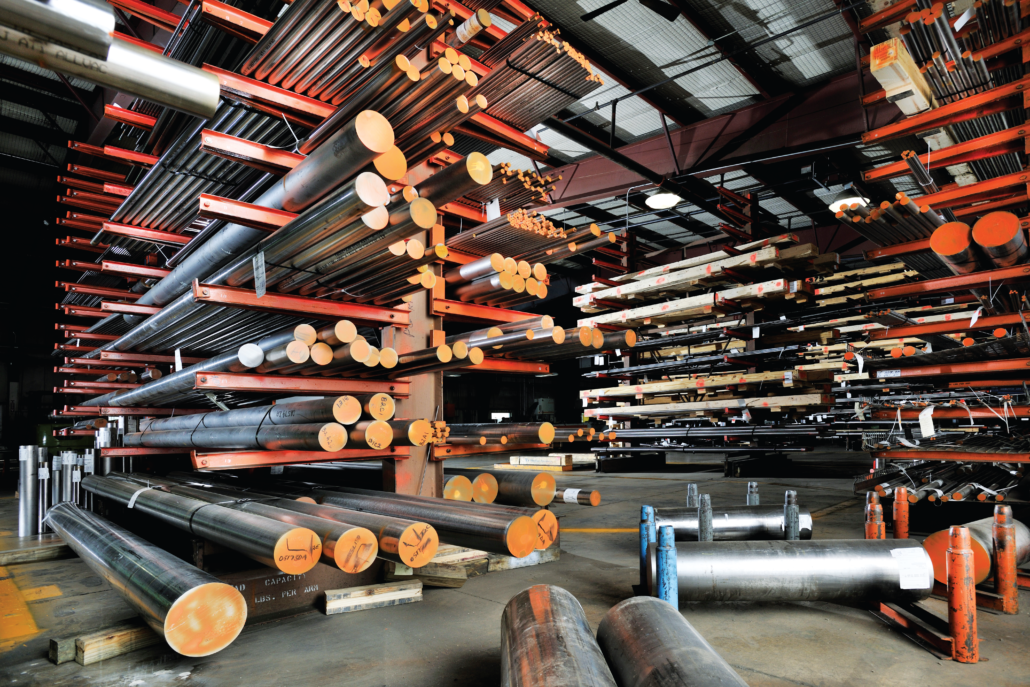
For high-performance titanium steel alloys engineered to meet demanding industrial specifications, partner with Honyo Prototype. Our precision-manufactured alloys are produced in our ISO-certified facility in Shenzhen, ensuring consistent quality, tight tolerances, and rapid turnaround for prototyping and low-volume production.
Contact Susan Leo directly to discuss your material requirements and learn how our titanium steel alloy solutions can enhance your application’s durability, corrosion resistance, and strength-to-weight ratio. Reach out today to request technical datasheets, pricing, or samples.
Susan Leo
Senior Manufacturing Engineer
Honyo Prototype
Email: [email protected]
Factory Location: Shenzhen, China
Let’s engineer excellence together.
🚀 Rapid Prototyping Estimator
Estimate rough cost index based on volume.