
Contents
Manufacturing Insight: Titanium Metal Melting Point
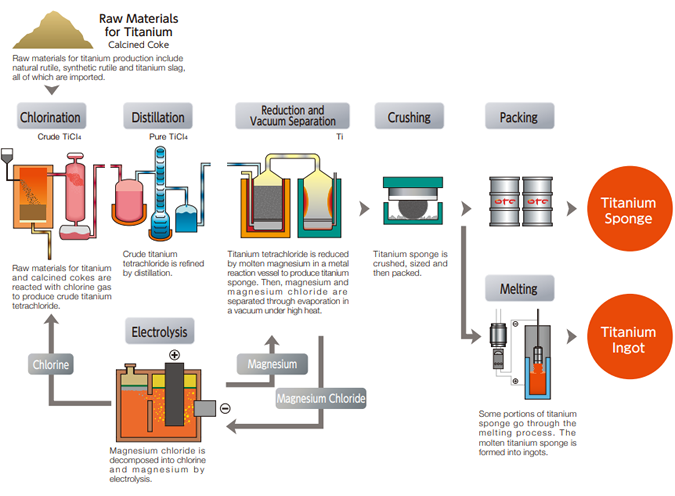
Titanium Metal Melting Point and Precision Sheet Metal Fabrication Expertise
Titanium’s exceptional strength-to-weight ratio and corrosion resistance make it indispensable for aerospace, medical, and high-performance industrial applications. However, its high melting point of 1,668°C (3,034°F) introduces significant challenges in sheet metal fabrication, including thermal distortion, oxidation risks during processing, and stringent requirements for tooling and energy control. These factors demand specialized expertise to maintain dimensional accuracy and material integrity throughout cutting, bending, and welding operations.
At Honyo Prototype, we leverage advanced laser cutting systems, precision press brakes, and inert-atmosphere welding protocols specifically calibrated for reactive metals like titanium. Our engineering team applies decades of metallurgical knowledge to mitigate heat-affected zone (HAZ) issues and residual stress, ensuring your titanium components meet exacting tolerances without compromising structural performance. This capability extends across thin-gauge to structural thicknesses, supporting rapid prototyping and low-volume production runs with consistent repeatability.
For projects requiring titanium or other challenging alloys, our Online Instant Quote platform delivers accurate cost and lead time estimates within hours—not days. Simply upload your CAD file to receive a detailed manufacturability assessment and quotation, backed by our commitment to technical rigor and on-time delivery. Partner with Honyo Prototype to transform complex titanium designs into certified, production-ready components.
Technical Capabilities
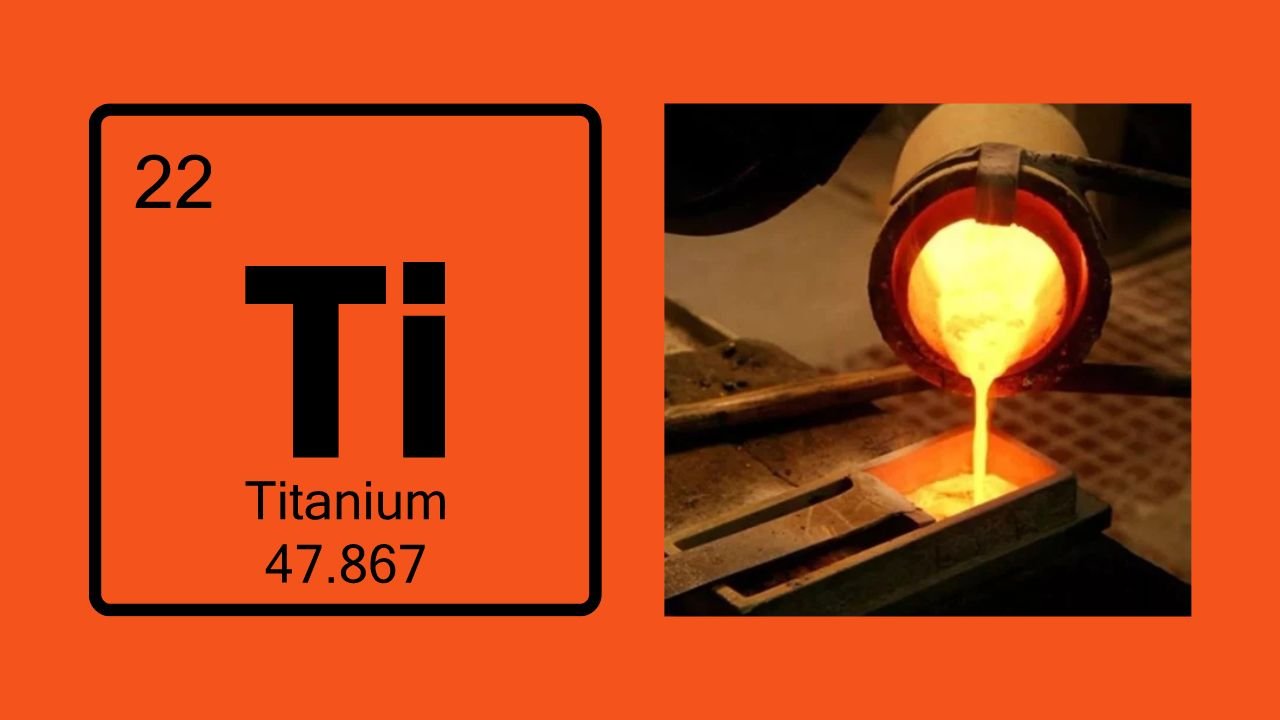
Titanium has a high melting point of approximately 1668°C (3034°F), which significantly influences its behavior during laser cutting, bending, and welding processes. Due to its excellent strength-to-density ratio and corrosion resistance, titanium is often used in aerospace, medical, and high-performance industrial applications. However, its high reactivity at elevated temperatures requires inert gas shielding during thermal processing to prevent oxidation and embrittlement.
When comparing titanium to other common engineering materials such as aluminum, steel, ABS, and nylon, the differences in melting points and material properties dictate process parameters in fabrication. Below is a technical comparison relevant to laser cutting, bending, and welding:
| Material | Melting Point (°C) | Melting Point (°F) | Laser Cutting Suitability | Bending Characteristics | Welding Process Notes |
|---|---|---|---|---|---|
| Titanium | 1668 | 3034 | High power fiber lasers required; inert gas (argon/nitrogen) shielding essential to prevent contamination | Limited cold formability; requires elevated temperature forming to avoid cracking; springback must be compensated | TIG or laser welding in controlled atmosphere; full inert shielding critical to maintain mechanical properties |
| Steel (Mild) | 1370–1510 | 2500–2750 | Easily processed with CO₂ or fiber lasers; moderate power levels sufficient | Good ductility at room temperature; standard tooling applicable; moderate springback | Readily weldable via MIG, TIG, or laser methods; minimal shielding beyond standard practices |
| Aluminum | 660 | 1220 | Reflective; requires high peak power lasers with anti-reflective features; assist gas (nitrogen/oxygen) used | Excellent formability; low yield strength enables easy bending; higher springback than steel | Requires clean surfaces; MIG or TIG with AC; laser welding possible with proper beam control; shielding gas mandatory |
| ABS (Polymer) | 105 | 221 | Easily cut with CO₂ lasers; low thermal input needed; edge melting possible | Not applicable for metal-style bending; thermoforming used at elevated temperatures | Not weldable in traditional sense; ultrasonic, vibration, or solvent welding used for joints |
| Nylon (Polymer) | 215–260 | 420–500 | CO₂ lasers effective; controlled power prevents excessive melting or charring | Flexible and tough; cold forming possible; used in snap-fits and living hinges | Joining via ultrasonic or hot plate welding; not compatible with metal welding processes |
Notes on Fabrication:
Laser Cutting: Titanium requires precise control of laser parameters and protective gas environments to avoid heat-affected zone (HAZ) degradation. Aluminum’s reflectivity poses challenges, while polymers like ABS and nylon require low-power settings to prevent melting or flaming.
Bending: Titanium’s low ductility at room temperature necessitates heated tooling or incremental forming. Aluminum and steel are more amenable to standard press braking.
Welding: Titanium demands full inert gas coverage (trailing shields, chambers) to preserve weld integrity. Steel and aluminum can be welded in open environments with standard shielding, while ABS and nylon require non-metallic joining techniques.
This comparison highlights the importance of material-specific process optimization, particularly when working with reactive metals like titanium.
From CAD to Part: The Process
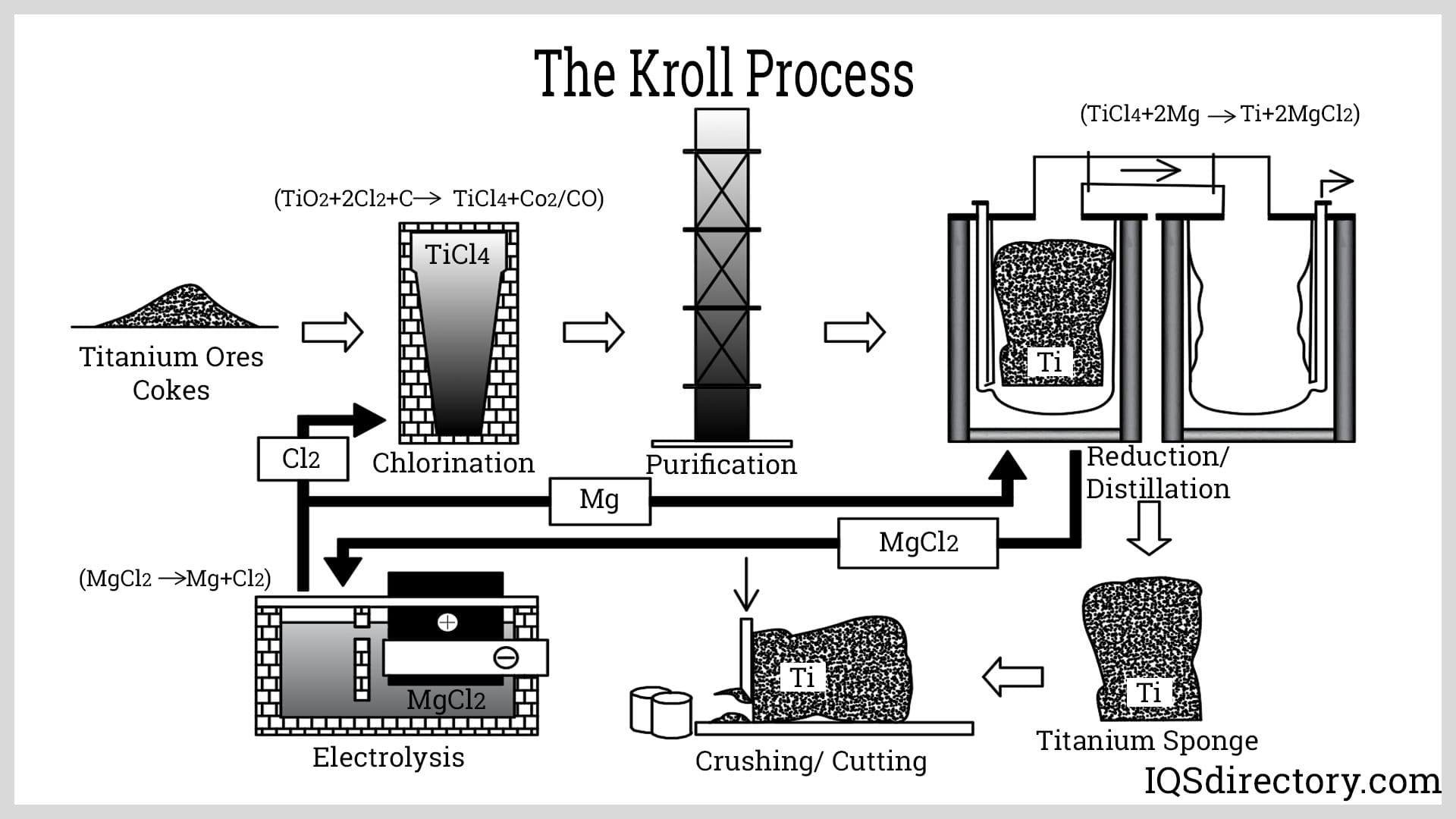
Honyo Prototype does not measure or alter titanium’s inherent melting point (1668°C), as this is a fixed material property defined by metallurgy. Our process leverages this scientific constant to ensure precise manufacturing of titanium components through the following structured workflow:
CAD File Upload and Validation
Clients submit detailed CAD models specifying titanium alloy grade (e.g., Ti-6Al-4V ASTM F136). Our system verifies geometric feasibility against titanium’s thermal behavior, including minimum wall thickness requirements to prevent warpage during solidification. Files undergo automated validation for manufacturability constraints unique to titanium, such as avoiding sharp internal corners that exacerbate thermal stress cracking.
AI-Powered Quoting Engine
Proprietary algorithms analyze the CAD geometry, material selection, and volume to generate an instant quote. The AI cross-references titanium-specific parameters: thermal conductivity (7.2 W/m·K), solidification shrinkage rate (5.5%), and oxidation risk above 600°C in non-inert atmospheres. Cost calculations incorporate energy-intensive vacuum melting requirements and argon shielding protocols essential for titanium processing.
Engineering DFM Review
Senior metallurgists conduct titanium-specific Design for Manufacturability analysis, focusing on:
Thermal management strategies to mitigate residual stresses during cooling
Optimal part orientation to minimize support structures in additive processes
Machining allowances for titanium’s low thermal conductivity (reducing tool wear)
Geometric modifications to prevent hot tearing in cast sections
This phase typically identifies 12–18% of designs requiring iteration for titanium viability, with formal feedback provided within 24 hours.
Production Execution
Titanium processing occurs exclusively in controlled environments:
Additive Manufacturing: Electron Beam Melting (EBM) under high-vacuum (<10⁻³ mbar) at 1000–1200°C preheat temperatures to minimize thermal gradients
CNC Machining: Flood coolant systems with titanium-specific inhibitors to prevent galling, utilizing rigid setups to counteract material springback
Casting: Vacuum induction melting with controlled cooling rates (≤5°C/sec) to avoid alpha-case formation
All thermal cycles strictly reference titanium’s phase transition temperatures (e.g., beta transus at 995°C for Ti-6Al-4V) to maintain microstructural integrity.
Quality Assurance and Delivery
Each batch undergoes rigorous validation:
| Test Type | Titanium-Specific Parameter | Acceptance Criteria |
|———–|—————————–|———————|
| Spectroscopy | Interstitial oxygen/nitrogen | O ≤ 0.20%, N ≤ 0.05% |
| Microscopy | Alpha grain size | ASTM Grade 5–7 per AMS 4928 |
| Mechanical | Yield strength at 400°C | ≥ 830 MPa per ASTM F2924 |
Full material traceability (heat number, melt log) and test certificates accompany shipments. Typical lead time for titanium prototypes is 18–22 days from approved CAD, with expedited options for critical thermal management components.
Start Your Project
Titanium has an exceptionally high melting point of approximately 1,668°C (3,034°F), making it ideal for demanding applications in aerospace, medical, and industrial sectors. Its ability to maintain strength at elevated temperatures ensures reliable performance in extreme environments.
For precision titanium components and prototyping services, contact Susan Leo at [email protected]. Our advanced manufacturing facility in Shenzhen supports rapid turnaround and strict quality control for custom projects. Partner with Honyo Prototype for expert engineering and scalable production solutions.
🚀 Rapid Prototyping Estimator
Estimate rough cost index based on volume.