
Contents
Manufacturing Insight: Titanium Melting Point Vs Steel
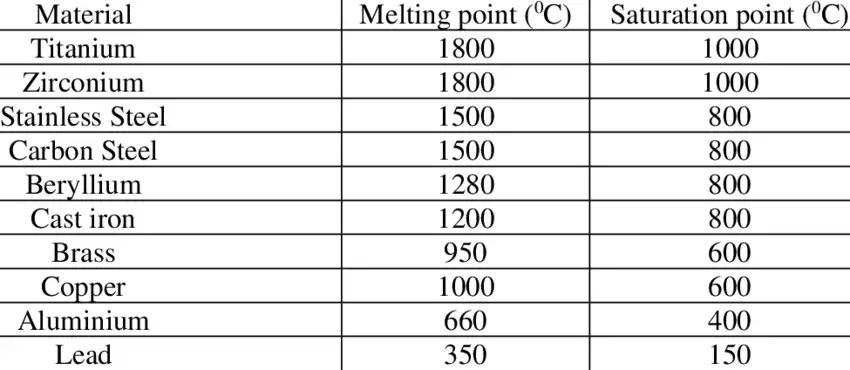
Understanding material thermal properties is critical when selecting alloys for demanding applications. The melting point serves as a fundamental indicator of a material’s behavior under high-temperature processing and service conditions, directly impacting manufacturability. Titanium, with its exceptionally high melting point of approximately 1668°C (3034°F), presents distinct challenges compared to many common steel grades. While carbon and low-alloy steels typically melt between 1370°C and 1530°C (2500°F – 2785°F), this significant difference in thermal stability influences machining strategy, tool selection, and thermal management during CNC operations.
Material Comparison and Machining Implications
| Material | Typical Melting Point Range | Key CNC Machining Considerations |
|———-|—————————–|———————————-|
| Titanium (e.g., Ti-6Al-4V) | ~1668°C (3034°F) | High reactivity requires specialized tool coatings; low thermal conductivity leads to heat concentration at the cutting edge; prone to work hardening necessitating precise parameters; stringent chip control essential. |
| Common Steels (e.g., 4140, 304 SS) | 1370°C – 1530°C (2500°F – 2785°F) | Generally higher machinability than titanium; thermal conductivity varies by grade (e.g., carbon steel > stainless); chip control remains important but thermal management is often less critical than with titanium. |
Honyo Prototype leverages deep expertise in machining both titanium and diverse steel alloys, precisely navigating these thermal and material property differences. Our advanced CNC machining centers, coupled with proprietary process knowledge honed through thousands of precision components, ensure optimal results even with challenging materials like titanium. We implement tailored cutting strategies, specialized tooling, and rigorous thermal management protocols to overcome titanium’s inherent difficulties, delivering parts that meet exacting dimensional and surface finish specifications. For steel components, we equally apply precision and efficiency, maximizing throughput without compromising quality.
When your project demands the strength-to-weight ratio of titanium or the proven reliability of steel, Honyo Prototype provides the manufacturing solution. Evaluate your specific requirements instantly. Utilize our Online Instant Quote system to receive a rapid, accurate assessment of your CNC machining project, whether it involves high-melting-point titanium or any steel grade. Submit your CAD file today to experience streamlined prototyping and low-volume production.
Technical Capabilities
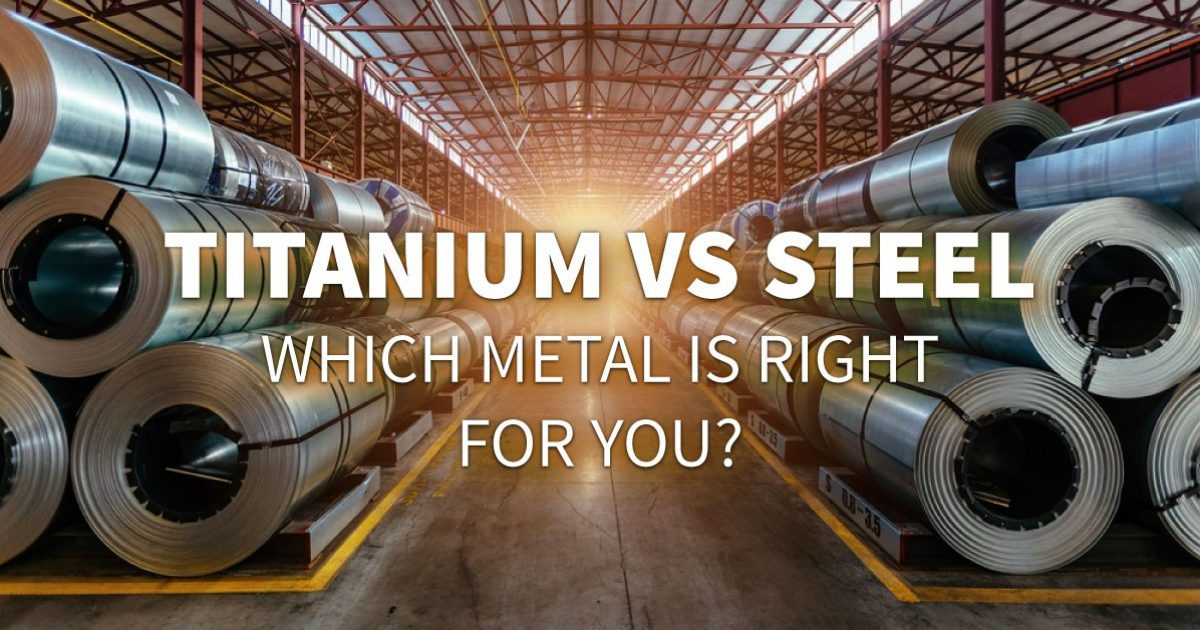
Titanium and steel differ significantly in their melting points, which influences their machinability in precision manufacturing processes such as 3/4/5-axis milling and turning. These thermal properties affect tool selection, cutting speeds, and cooling strategies—especially when holding tight tolerances (±0.0005″ or better). Below is a comparative overview of key materials used in high-precision prototyping and production, including aluminum, steel, titanium, ABS, and nylon.
Material Properties and Machinability in High-Axis CNC Operations
| Material | Melting Point (°C) | Melting Point (°F) | Typical Use in CNC | Machinability Notes for 3/4/5-Axis Milling & Turning | Tight Tolerance Suitability |
|---|---|---|---|---|---|
| Titanium (Grade 5, Ti-6Al-4V) | 1660 | 3020 | Aerospace, medical implants, high-stress components | Low thermal conductivity requires reduced cutting speeds, high-performance carbide tools, and aggressive cooling. Prone to work hardening. | Excellent for tight tolerances with stable setups and thermal control |
| Steel (4140 Alloy) | 1425–1540 | 2600–2800 | Industrial shafts, tooling, automotive | Moderate machinability; benefits from rigid setups and consistent tool paths in multi-axis operations. Requires proper chip evacuation. | High; excellent dimensional stability under precision machining |
| Aluminum (6061-T6) | 580–650 | 1076–1200 | Enclosures, prototypes, heat sinks | High material removal rate; ideal for high-speed 5-axis milling. Minimal thermal expansion vs. titanium/steel. | Excellent; easily holds ±0.0005″ with proper fixturing |
| ABS (Acrylonitrile Butadiene Styrene) | 105 (softens) | 221 (softens) | Prototypes, housings, functional models | Low melting point requires sharp tools, low heat buildup, and low feed pressure. No coolant needed. | Good for non-load-bearing parts; tolerances up to ±0.005″ typical |
| Nylon (PA6/PA66) | 215–265 (melts) | 420–510 (melts) | Gears, bushings, wear components | Soft and gummy; requires sharp cutting tools and proper clearance angles. Slight thermal expansion during machining. | Moderate; can hold ±0.001″ with controlled feeds and toolpaths |
Technical Considerations for Tight Tolerance Machining
When working with titanium versus steel in multi-axis CNC environments, thermal management is critical. Titanium’s high melting point and low thermal conductivity result in heat concentration at the cutting edge, increasing tool wear and risk of part distortion. This necessitates lower spindle speeds, high-pressure coolant, and often pecking cycles in deep milling or tapping operations.
Steel, while having a slightly lower melting point than titanium, offers better thermal distribution and higher machinability ratings, making it more forgiving in long-duration, high-precision turning and milling operations. Both materials are well-suited for tight tolerance work when proper parameters are maintained.
Aluminum remains the preferred choice for rapid, high-accuracy 5-axis work due to its excellent thermal and mechanical stability during cutting. Plastics like ABS and nylon require specialized strategies due to their low melting thresholds and tendency to deform under heat and pressure, limiting their use in ultra-precision applications unless carefully managed.
At Honyo Prototype, we apply material-specific CNC strategies across all axes to ensure dimensional accuracy, surface finish, and repeatability—critical for clients in aerospace, medical, and advanced industrial sectors.
From CAD to Part: The Process
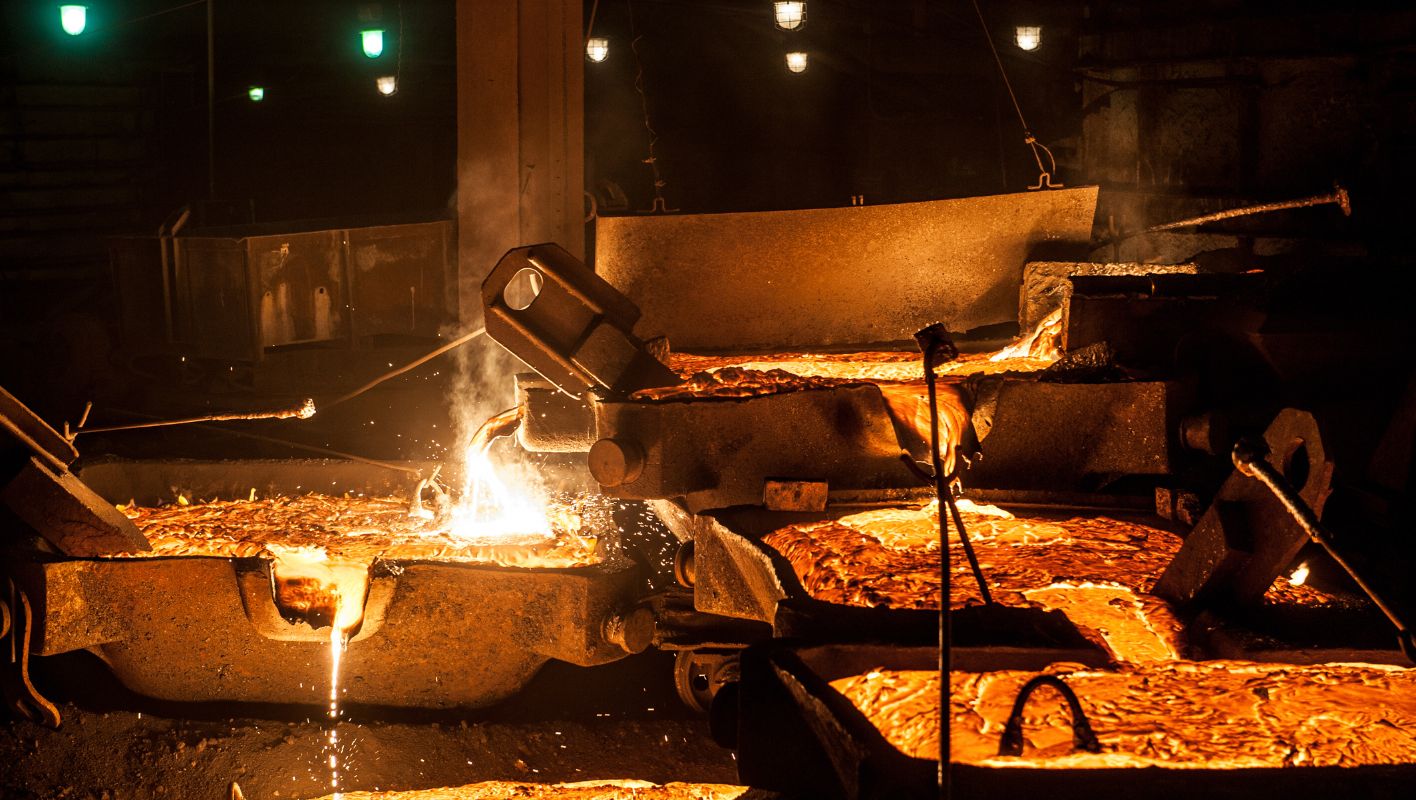
Honyo Prototype integrates critical material property analysis, including titanium versus steel melting points, throughout our end-to-end manufacturing workflow. This technical comparison is not a standalone service but embedded within our engineering-driven process to ensure manufacturability and part performance. Below is the precise sequence where melting point considerations are actively applied:
CAD Upload and Material Specification
Upon receiving your CAD file, our system immediately validates the specified base material. For titanium alloys (e.g., Ti-6Al-4V), the melting point range of 1604–1668°C is cross-referenced against steel variants (e.g., 304 stainless steel at 1400–1455°C). This initial check flags thermal processing risks such as potential distortion during high-heat operations or incompatibility with secondary processes like brazing. Material misselection against thermal requirements triggers an automated engineering review before proceeding.
AI-Powered Quoting with Material Intelligence
Our AI quotation engine dynamically incorporates melting point data into cost and feasibility calculations. Titanium’s higher melting point necessitates specialized equipment like vacuum arc remelting furnaces or electron beam melting systems, directly impacting energy consumption, tooling wear, and production time versus steel. The quote explicitly reflects these thermal processing premiums, including allowances for inert gas shielding requirements to prevent oxidation during melting—critical for titanium but less stringent for most steels.
Engineering-Led DFM Analysis with Thermal Focus
During Design for Manufacturability (DFM) review, our senior engineers conduct granular thermal analysis. Key considerations include:
| Parameter | Titanium Alloys | Common Steels (e.g., 304 SS) | DFM Action Required |
|---|---|---|---|
| Melting Point | 1604–1668°C | 1400–1455°C | Adjust preheat/cooling rates to prevent cracking |
| Thermal Conductivity | 6–7 W/m·K | 15–16 W/m·K | Redesign thin features to avoid warpage |
| Oxidation Risk | Extreme above 600°C | Moderate above 800°C | Mandate vacuum/inert atmosphere processing |
This phase identifies risks such as inadequate heat-affected zone control in welded assemblies or insufficient draft angles for cast parts where solidification shrinkage differs significantly between materials. We provide actionable redesign recommendations with thermal simulation data.
Production Execution with Material-Specific Protocols
Melting point data directly governs our production parameters. For titanium:
Vacuum induction melting under ≤10⁻³ mbar pressure to avoid nitrogen/oxygen embrittlement
Laser powder bed fusion at 1100–1300°C preheat temperatures (vs. 80–150°C for steel) to mitigate residual stress
Strict avoidance of carbon-containing refractories that would contaminate molten titanium
Steel processing utilizes lower-energy induction furnaces with argon stirring, leveraging its lower melting point for faster cycle times. All thermal profiles are monitored via dual-wavelength pyrometers calibrated to NIST standards.
Delivery with Thermal Validation Documentation
Final shipments include material-specific certification dossiers. For titanium components, this comprises:
Mill test reports verifying ASTM F136 compliance with melt chemistry
Thermal imaging logs from solidification stages
Hardness gradients across heat-affected zones confirming controlled cooling rates
Steel parts include quench severity validation and decarburization depth measurements per AMS 2759. We provide traceable evidence that processing temperatures remained within safe margins below each material’s melting point to prevent microstructural degradation.
This integrated approach ensures melting point differences are proactively managed—not merely referenced—to deliver dimensionally stable, metallurgically sound prototypes. All thermal processing parameters are auditable against your original CAD specifications through our digital thread system.
Start Your Project
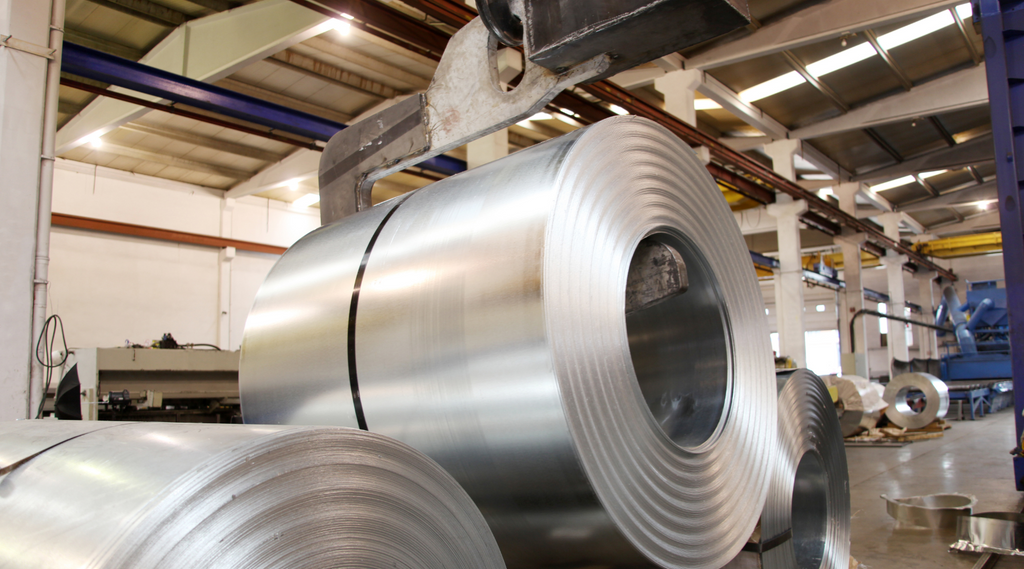
When comparing titanium melting point versus steel, it’s essential to understand the material properties for high-performance applications. Titanium melts at approximately 1,668°C (3,034°F), while steel typically melts between 1,370°C and 1,510°C (2,500°F to 2,750°F), depending on the alloy. This higher melting point makes titanium suitable for extreme environments, such as aerospace and high-temperature industrial systems.
For precision components requiring advanced material expertise, Honyo Prototype offers in-house manufacturing from our factory in Shenzhen. We specialize in prototyping and low-volume production using both titanium and steel alloys, ensuring optimal material selection for your application.
Contact Susan Leo at [email protected] to discuss your project requirements and leverage our engineering support for material evaluation and fabrication.
🚀 Rapid Prototyping Estimator
Estimate rough cost index based on volume.