
Contents
Manufacturing Insight: Tin Coating Services
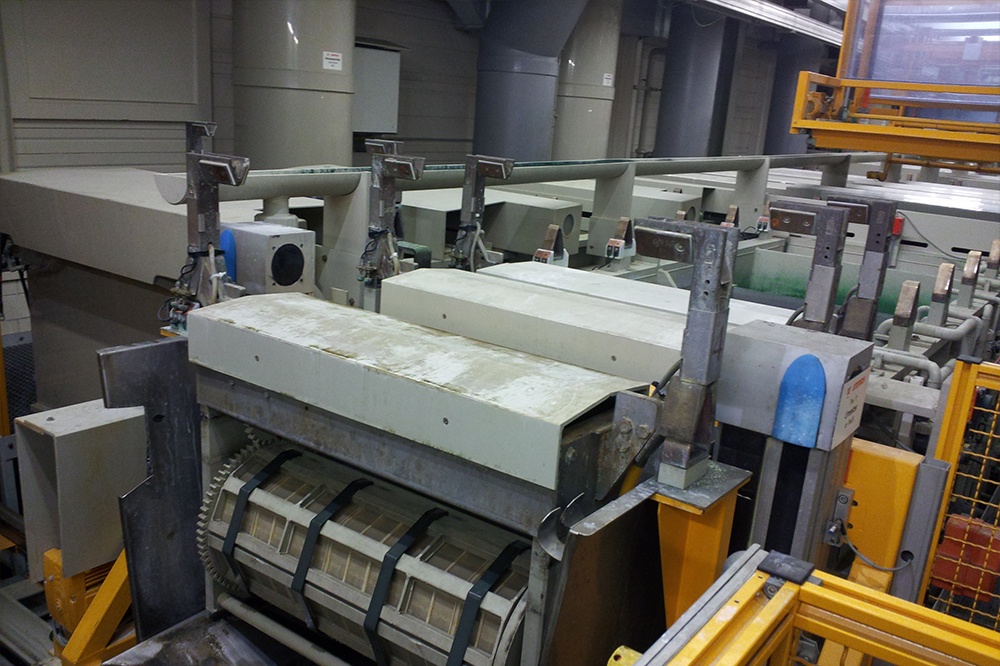
Precision Tin Coating Services Integrated with Honyo Prototype’s CNC Machining Expertise
Honyo Prototype delivers high-performance tin coating services engineered to enhance the electrical conductivity, solderability, and corrosion resistance of precision-machined components. Our process is uniquely optimized for parts manufactured through our in-house CNC machining capabilities, ensuring seamless integration from substrate fabrication to final surface treatment. By controlling critical parameters such as coating thickness uniformity (±1.5µm tolerance) and adhesion integrity at the source, we eliminate the supply chain fragmentation that often compromises part performance and reliability in electronics, aerospace, and medical device applications.
This vertical integration allows Honyo to address dimensional and material interactions between machining and plating stages—such as managing hydrogen embrittlement in high-strength alloys or maintaining tight tolerances on complex geometries—resulting in reduced rework and accelerated time-to-assembly. For engineers requiring rapid validation of coated component designs, our Online Instant Quote platform provides real-time cost and lead time estimates directly tied to your CAD file, streamlining procurement without sacrificing technical rigor. Partner with Honyo to transform precision-machined substrates into fully functional, production-ready solutions with certified surface performance.
Technical Capabilities
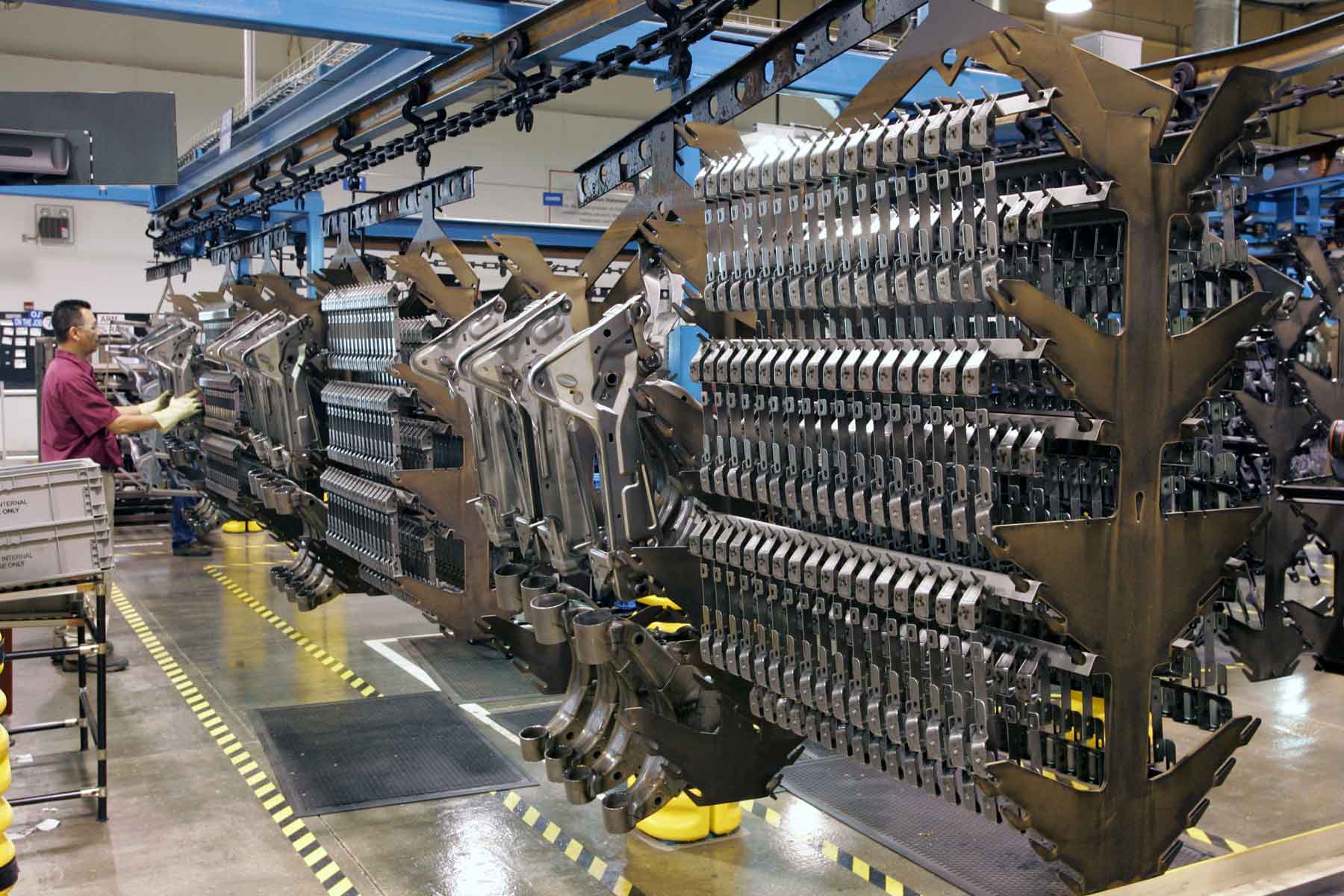
Tin coating services are often applied as a secondary finishing process to components produced through precision machining methods such as 3/4/5-axis milling and turning. These coatings enhance surface properties including lubricity, corrosion resistance, and electrical conductivity, while maintaining tight tolerance geometries. Tin is particularly suitable for applications requiring solderability and non-magnetic characteristics. The coating process is typically applied via electroplating or electroless methods, with strict process controls to ensure uniform thickness and minimal dimensional impact—critical when working with tight tolerance parts.
The following table outlines the technical specifications and compatibility of tin coating services in conjunction with precision machining capabilities and common engineering materials.
| Parameter | Specification |
|---|---|
| Coating Type | Electrolytic Tin (Sn), Matte or Bright Finish |
| Typical Thickness Range | 0.0001″ to 0.0005″ (2.5–12.7 µm); controlled to maintain tight tolerances |
| Substrate Materials | Aluminum (e.g., 6061, 7075), Steel (e.g., 303, 304, 4140), ABS, Nylon |
| Pre-Treatment Requirements | Zincating for aluminum; nickel underplate optional for enhanced adhesion |
| Maximum Part Size (Machining) | 5-axis milling: 800 x 500 x 400 mm; Turning: Ø400 mm x 600 mm length |
| Machining Tolerances | ±0.0002″ (±5 µm) for critical features; tin coating applied post-machining |
| Surface Finish (as Coated) | 16–32 µin (0.4–0.8 µm) Ra; can be tailored based on substrate finish |
| Solderability | Excellent; RoHS-compliant, lead-free options available |
| Operating Temperature Range | -50°C to +150°C (varies with substrate, especially for ABS and Nylon) |
| Compatibility with Plastics | Possible with conductive plating process; limited to ABS; Nylon requires special activation |
| Common Applications | Electrical connectors, aerospace components, medical devices, prototyping |
Note: Tin coating is generally not recommended for high-wear plastic components such as Nylon unless post-coating functionality is non-structural. For aluminum and steel, proper surface preparation ensures coating adhesion and dimensional stability, especially in complex geometries produced via 4- and 5-axis milling. Turning operations on shafts and pins benefit from tin’s low friction and anti-galling properties.
From CAD to Part: The Process

Honyo Prototype delivers precision tin coating services through a rigorously controlled digital workflow designed for rapid turnaround and engineering excellence. Our process begins with secure CAD file submission via the Honyo Customer Portal where clients upload 3D models in STEP or IGES format. The system performs immediate validation checks for file integrity and geometry completeness before progressing to the next stage.
The validated CAD model enters our proprietary AI-powered quoting engine which analyzes part geometry, material composition, required coating thickness per ASTM B456 standards, and environmental specifications. This engine cross-references real-time data on chemical bath availability, rack configuration constraints, and substrate compatibility to generate a technically feasible price and lead time estimate within 90 minutes. Critical parameters like solderability requirements or RoHS compliance are explicitly confirmed during this phase to prevent downstream rework.
Following client acceptance of the AI-generated quote engineering review commences with our mandatory Design for Manufacturing analysis. Honyo’s senior process engineers conduct a detailed technical assessment focusing on plating uniformity across complex features, hydrogen embrittlement risks for high-strength steel substrates, and racking feasibility. We identify potential issues such as internal cavities prone to solution entrapment or sharp edges requiring secondary masking.
Key DFM Checks for Tin Coating
| Parameter | Standard Threshold | Engineering Action |
|———–|——————-|——————-|
| Minimum Feature Radius | < 0.25mm | Recommend design modification or selective plating |
| Base Material Hardness | > 40 HRC | Mandate post-plate baking per AMS 2759/3 |
| Internal Cavity Depth | > 3:1 aspect ratio | Require ultrasonic agitation validation |
| Required Thickness | ±5µm tolerance | Specify rack positioning protocol |
Upon DFM sign-off production initiates with substrate preparation including precision vapor degreasing and micro-etching to ensure optimal adhesion. Tin plating occurs in controlled acid-stannate baths maintained within ±1°C of setpoint with continuous filtration. We implement rack-specific current density mapping verified by Hull cell testing for every production batch. In-process thickness validation uses XRF spectrometry at three defined measurement points per part with full traceability to bath chemistry logs.
Final inspection confirms coating continuity via solder dip testing per IPC-TM-650 Method 2.4.13 and checks for dendritic growth under 100x magnification. Parts undergo rigorous cleaning to eliminate flux residues before packaging in ESD-safe containers with humidity indicators. Shipment includes a comprehensive conformance report detailing plating thickness maps, bath certification, and process parameter logs transmitted digitally through our client portal simultaneously with physical dispatch. This integrated approach reduces average lead time to 72 hours for standard orders while maintaining 99.2% first-pass yield across our tin coating service portfolio.
Start Your Project
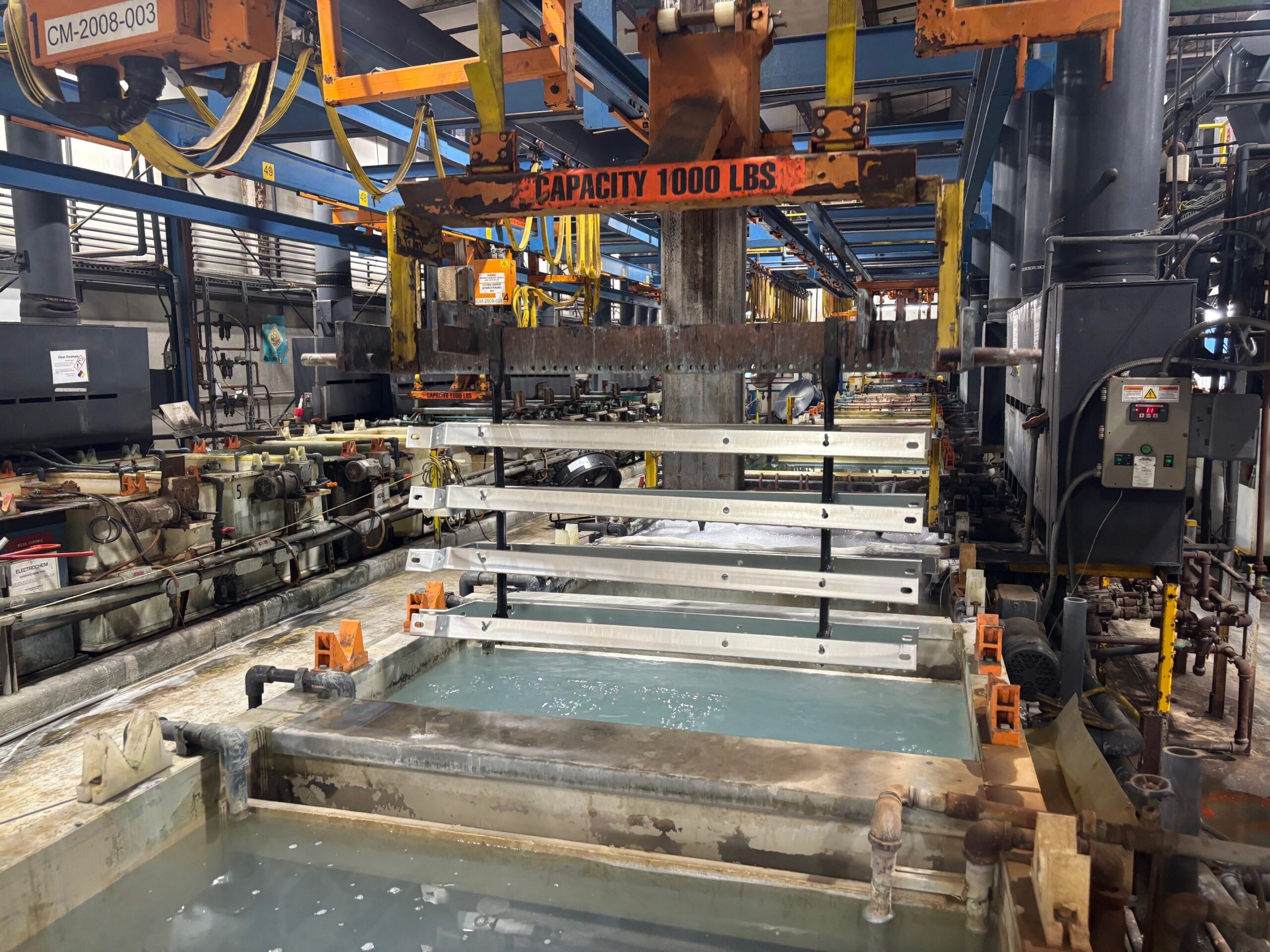
Looking for reliable tin coating services for your precision components? Honyo Prototype offers high-quality tin plating solutions tailored to meet strict industry standards. Our facility in Shenzhen is equipped with advanced plating technology and a skilled engineering team to ensure consistent, durable, and corrosion-resistant finishes.
Contact Susan Leo today to discuss your project requirements.
Email: [email protected]
Let us support your manufacturing needs with efficient turnaround and competitive pricing.
🚀 Rapid Prototyping Estimator
Estimate rough cost index based on volume.