
Contents
Manufacturing Insight: Thin Sheet Plastic
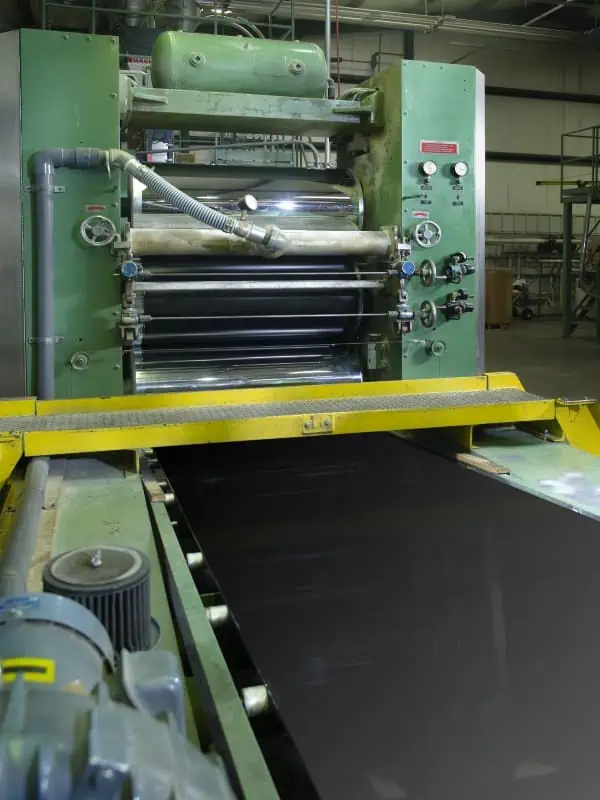
Precision Thin Sheet Fabrication: Extending Honyo’s Expertise Beyond Metal
Honyo Prototype delivers engineered solutions for demanding thin sheet applications, leveraging our core Sheet Metal Fabrication capabilities while addressing the unique requirements of thin sheet plastic materials. While our foundational strength lies in precision metal forming, cutting, and assembly for gauges as thin as 0.02mm, we recognize that complex prototypes and low-volume production often integrate both metallic and non-metallic thin-gauge components. Our technical approach applies rigorous process control—honed over decades in metal—to thin plastic sheets, ensuring dimensional stability, minimal deformation, and repeatability for materials like polycarbonate, acrylic, and ABS down to 0.1mm thickness.
Critical to thin sheet success is managing material-specific challenges: thermal sensitivity in plastics versus springback in metals, specialized tooling requirements, and tailored fixturing to prevent warpage. Honyo’s engineering team collaborates early in the design phase to optimize manufacturability, whether the project involves laser-cut polymer enclosures, chemically milled metal shims, or hybrid assemblies. This cross-material expertise prevents costly iterations and accelerates time-to-prototype without compromising structural integrity or tolerance adherence.
For rapid project initiation, Honyo’s Online Instant Quote system provides immediate, transparent pricing for both sheet metal and thin plastic fabrication. Upload your STEP or DWG files to receive a detailed cost breakdown within minutes—factoring in material selection, geometry complexity, and finishing requirements—enabling faster procurement decisions and streamlined prototyping cycles.
Material Capabilities Comparison
| Parameter | Thin Sheet Metal (Honyo Core) | Thin Sheet Plastic (Complementary) |
|---|---|---|
| Thickness Range | 0.02mm – 3.0mm | 0.1mm – 6.0mm |
| Key Processes | Laser Cutting, CNC Bending, Stamping | Laser Cutting, CNC Milling, Vacuum Forming |
| Critical Tolerances | ±0.05mm (bent features) | ±0.1mm (flat parts) |
| Common Materials | Stainless Steel, Aluminum, Brass | Polycarbonate, Acrylic, PTFE |
| Online Quote Integration | Fully Supported | Fully Supported |
Honyo Prototype bridges material boundaries with manufacturing precision, ensuring your thin sheet requirements—metal or plastic—are executed to specification from day one. Initiate your project with confidence using our instant quoting platform, designed for engineering teams demanding speed without technical compromise.
Technical Capabilities
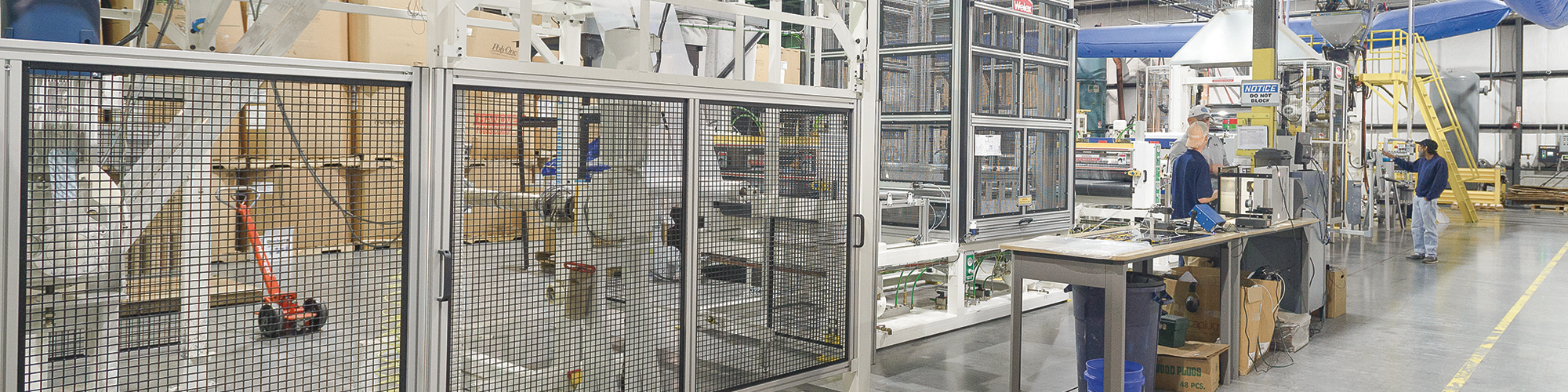
Technical specifications for thin sheet plastic processing—specifically laser cutting, bending, and welding—vary significantly based on material type. While aluminum and steel are metals and not plastics, they are included here for comparative context in fabrication processes. ABS and nylon are common thermoplastics used in thin sheet form for prototyping and low-volume manufacturing.
Below is a comparative summary of key technical considerations for laser cutting, bending, and welding across aluminum, steel, ABS, and nylon in thin sheet form (typically 0.5 mm to 3.0 mm thickness).
| Material | Laser Cutting Compatibility | Bending Characteristics | Welding Method | Thermal Sensitivity | Typical Sheet Thickness Range | Notes |
|---|---|---|---|---|---|---|
| Aluminum | Moderate – reflective, requires high-power fiber lasers | Good – ductile with minimum bend radius of ~0.8× thickness | TIG or laser welding; not applicable for plastic welding methods | High – conducts heat quickly, reflective to CO₂ lasers | 0.5 – 3.0 mm | Requires specialized laser systems due to reflectivity and thermal conductivity |
| Steel (Mild) | Good – CO₂ or fiber lasers effective | Good – bend radius typically 1× material thickness | MIG, TIG, or laser welding | Moderate – slower heat dissipation than aluminum | 0.5 – 3.0 mm | Produces slag if not properly parameterized; edge oxidation possible |
| ABS (Acrylonitrile Butadiene Styrene) | Excellent – cleanly cut with CO₂ lasers; minimal charring with proper settings | Good – can be heat-bent using strip heaters; minimum bend radius ~1.5× thickness | Ultrasonic, vibration, or hot-plate welding; solvent bonding also effective | High – melts at ~220°C; prone to warping if overheated | 0.5 – 3.0 mm | Produces toxic fumes (styrene) during laser cutting – requires ventilation |
| Nylon (Polyamide, e.g., PA6, PA66) | Moderate – tends to melt and char; requires precise CO₂ laser control | Good – high toughness, but springback requires overbending; minimum radius ~2× thickness | Hot gas, ultrasonic, or laser welding (with additives for absorption) | Very high – hygroscopic and melts at ~250°C; absorbs moisture affecting process stability | 0.8 – 3.0 mm | Pre-drying recommended; laser welding often requires near-IR absorbing additives |
Key Process Notes:
Laser cutting of plastics such as ABS and nylon requires precise control of laser power and speed to avoid melting, flame-ups, or excessive kerf width. CO₂ lasers (10.6 µm wavelength) are typically used due to strong absorption by organic materials.
Bending of thermoplastics is usually performed using controlled heat sources (e.g., strip heaters) to soften the material locally. Springback and crystallinity (especially in nylon) must be accounted for in bend angle design.
Welding of plastics relies on fusion methods that avoid open flames. Ultrasonic welding is common for ABS due to its amorphous structure, while semi-crystalline nylon benefits from longer cooling control during hot-plate welding.
In contrast, aluminum and steel require metallic joining and forming techniques incompatible with plastics. Their inclusion emphasizes process divergence when selecting materials for hybrid or multi-material designs.
For prototyping applications at Honyo Prototype, ABS is often preferred for ease of laser processing and weldability, while nylon is selected for mechanical durability—provided environmental conditioning (e.g., drying) is managed.
From CAD to Part: The Process
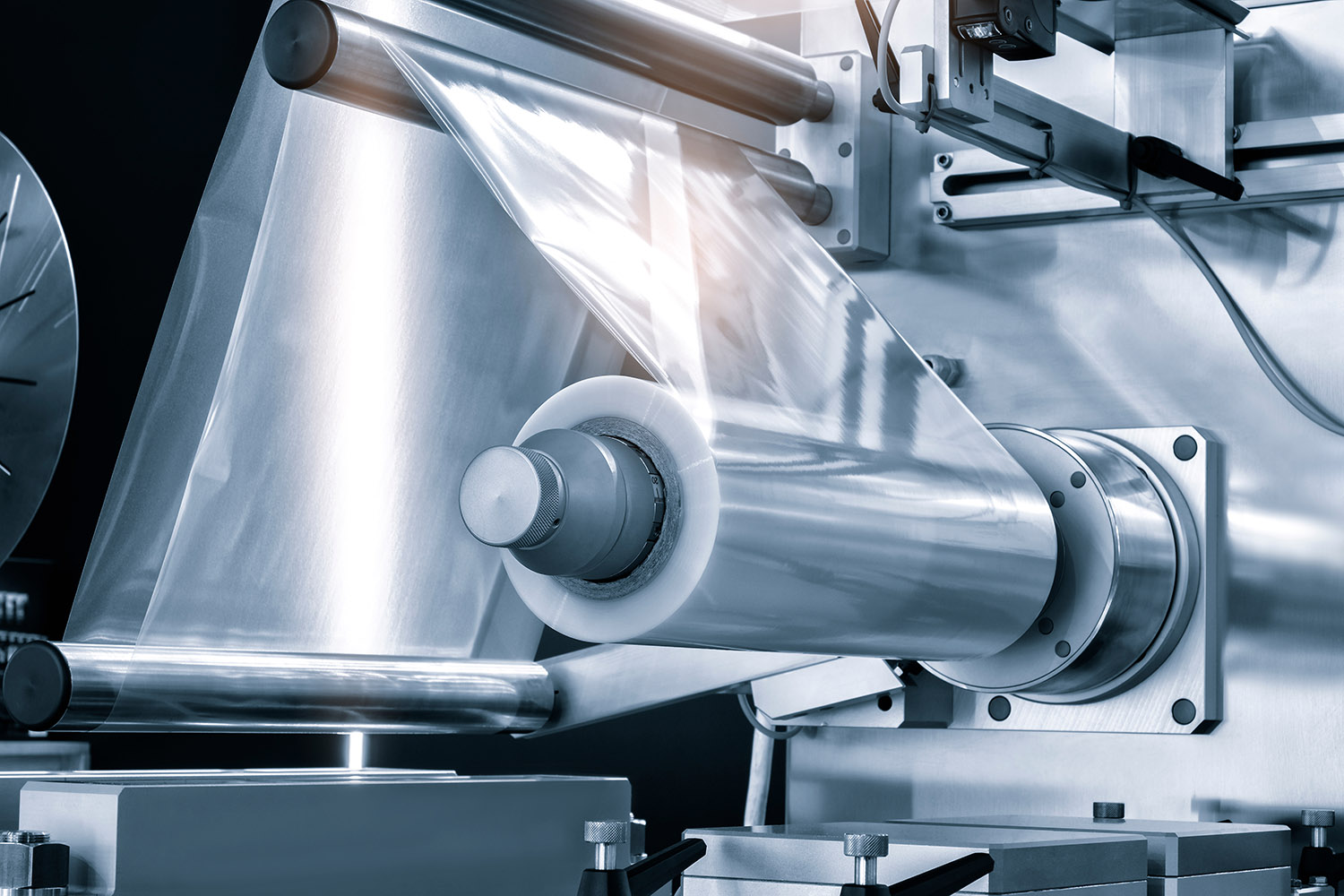
Honyo Prototype employs a rigorously defined workflow for thin sheet plastic fabrication (typically 0.5mm to 2.0mm thickness) designed to mitigate inherent challenges like warpage, handling damage, and thermal distortion. This integrated process ensures technical accuracy and manufacturability from concept to shipment.
Upon CAD model upload via our secure customer portal, our system performs immediate geometric validation. Key parameters including sheet thickness uniformity, minimum feature sizes relative to material properties, and hole-to-edge distances are automatically checked against our thin sheet material database. Invalid submissions trigger specific geometric correction recommendations before proceeding, preventing downstream delays.
The AI-powered quoting engine then generates a precise cost estimate within minutes. This system leverages a dynamic database incorporating real-time material costs, machine utilization rates, and thin-sheet-specific algorithms. Crucially, it factors in material yield optimization for nested parts, scrap rate predictions based on historical data for similar geometries, and secondary process requirements like stress-relief annealing. The quote explicitly details cost drivers such as specialized fixturing needs or extended cycle times for precision cutting.
Engineering review follows immediately after quote acceptance. Our Senior Manufacturing Engineers conduct a comprehensive Design for Manufacturability (DFM) analysis focused on thin sheet constraints. This includes warpage risk assessment using finite element analysis (FEA) simulation for thermal and mechanical stresses, evaluation of support structures during cutting, and verification of bend radii compatibility with material ductility. We provide actionable feedback on critical aspects such as tab retention design for laser cutting, optimal cut path sequencing to minimize residual stress, and recommendations for post-processing to ensure flatness. Client collaboration is mandatory at this stage; no thin sheet job proceeds to production without formal DFM sign-off.
Production utilizes dedicated thin sheet protocols. Material handling employs vacuum lift systems to prevent surface marring. Cutting occurs on high-precision CO2 laser systems with adaptive power control or specialized CNC routers featuring low-vibration spindles and vacuum hold-down tables capable of maintaining flatness within 0.1mm over 300x300mm areas. In-process metrology checks flatness and critical dimensions after primary operations. Stress-relief annealing is applied per material specification when geometric complexity warrants it. All operators undergo specific thin sheet handling certification.
Final inspection validates conformance against both client specifications and Honyo’s thin sheet quality standards. Critical metrics include flatness deviation measured per ASTM D6195, edge quality assessment under 10x magnification, and dimensional verification of key features. Parts undergo 24-hour flatness stabilization monitoring before packaging. Delivery utilizes rigid, humidity-controlled containers with custom foam inserts to prevent movement-induced stress during transit. Real-time shipment tracking and full material certification documentation accompany every order.
This structured approach delivers predictable outcomes for thin sheet projects. Typical process capabilities for common engineering plastics are summarized below:
| Parameter | Typical Capability (Thin Sheet) | Critical Control Method |
|---|---|---|
| Thickness Range | 0.5 mm – 2.0 mm | Material-specific process validation |
| Flatness Tolerance | ≤ 0.25 mm / 300mm | Vacuum table + in-process metrology |
| Minimum Hole Dia | 0.8 x Material Thickness | Laser power modulation + DFM review |
| Edge Quality | Ra ≤ 6.3 µm (Laser) | Gas assist optimization + speed control |
| Dimensional Acc. | ±0.1 mm (Features > 10mm) | Thermal compensation + nested routing |
Start Your Project
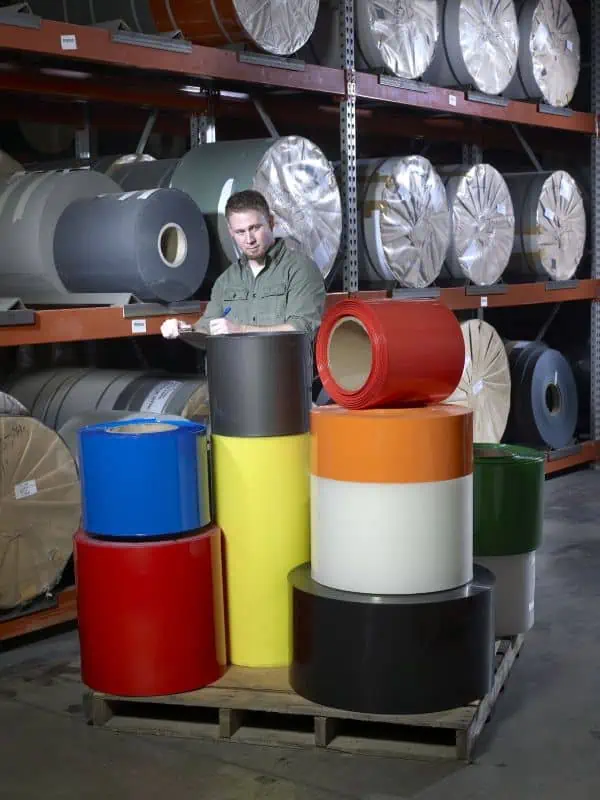
Looking for high-quality thin sheet plastic solutions? Contact Susan Leo at [email protected] to discuss your project requirements. With our advanced manufacturing capabilities and precision fabrication, Honyo Prototype delivers reliable results tailored to your specifications. Our factory in Shenzhen ensures efficient production and fast turnaround for both prototypes and low-volume runs. Reach out today to streamline your next design or engineering challenge.
🚀 Rapid Prototyping Estimator
Estimate rough cost index based on volume.