
Contents
Manufacturing Insight: Thin Abs Sheets
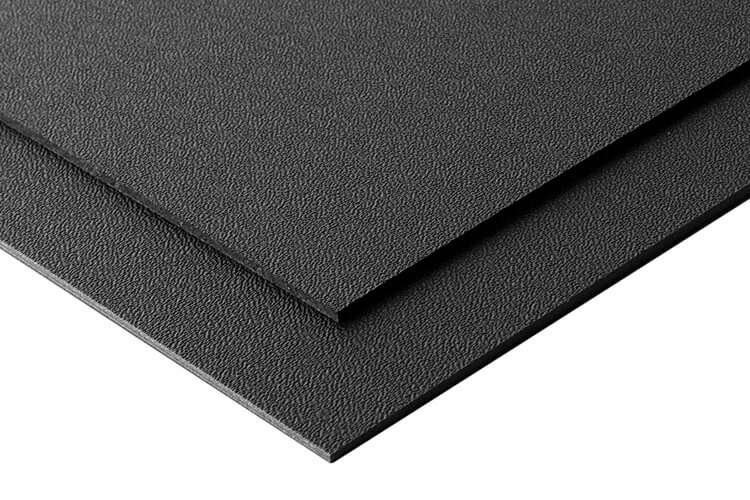
Precision Sheet Metal Fabrication for Demanding Thin-Gauge Applications
Honyo Prototype specializes in high-precision sheet metal fabrication, delivering engineered solutions for complex thin-gauge components where material integrity and dimensional accuracy are non-negotiable. While ABS sheets represent a common plastic substrate, our core expertise lies in metal—specifically in processing stainless steel, aluminum, and other alloys at gauges as thin as 0.020 inches with tolerances held to ±0.005 inches. This capability ensures structural reliability in aerospace brackets, medical device housings, and electronics enclosures where conventional plastics like ABS cannot meet thermal, strength, or regulatory requirements.
Our end-to-end manufacturing ecosystem integrates laser cutting, CNC bending, welding, and finishing under one roof, enabling rapid iteration from prototype to low-volume production. We address the unique challenges of thin-metal fabrication—minimizing distortion during forming, maintaining edge quality, and achieving repeatable flatness—through proprietary fixturing and process controls validated across 10,000+ client projects. Material traceability, first-article inspection reports, and AS9100-compliant documentation are standard, ensuring compliance for regulated industries.
For engineering teams under time-to-market pressure, Honyo’s Online Instant Quote platform delivers certified pricing in under 60 seconds. Simply upload your STEP or DXF file, specify material and finish requirements, and receive a detailed manufacturability analysis alongside cost and lead-time data—eliminating procurement delays without compromising technical rigor. This digital workflow, built by manufacturing engineers for manufacturing engineers, accelerates your path from concept to certified hardware.
Explore how our thin-gauge metal fabrication expertise solves challenges beyond the scope of plastic alternatives. Request your instant quote today to validate feasibility and cost for mission-critical components.
Technical Capabilities
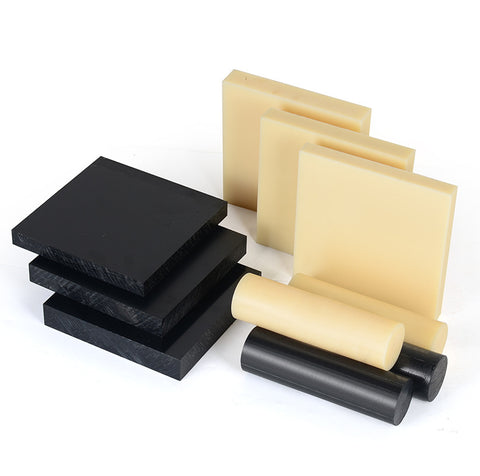
The term “thin ABS sheets” refers specifically to sheets made from Acrylonitrile Butadiene Styrene (ABS), a thermoplastic polymer commonly used in prototyping and low-volume manufacturing. While the query mentions other materials such as aluminum, steel, and nylon, these are not ABS but are often compared in sheet form for fabrication processes. Below is a technical comparison focused on laser cutting, bending, and welding performance for thin sheets (typically 0.5–3.0 mm thickness), with ABS as the primary material and others included for reference.
| Material | Laser Cutting Suitability | Bending Characteristics | Welding Methods | Key Notes |
|---|---|---|---|---|
| ABS (Acrylonitrile Butadiene Styrene) | Excellent – cleanly cut with CO₂ lasers; minimal charring with proper settings | Good – can be heat-bent using strip heaters or hot air; low springback | Ultrasonic welding, solvent bonding, hot gas welding | Thermoplastic; avoid high-power lasers to prevent melting or flaming; releases styrene fumes – ventilation required |
| Nylon (Polyamide, e.g., PA6, PA12) | Fair to Poor – tends to melt and char due to high melting point and absorbency; not recommended for CO₂ laser cutting | Good flexibility and toughness; heat bending possible with controlled heating | Hot gas welding, ultrasonic welding, vibration welding | Hygroscopic – must be dry before processing; poor laser cut edge quality |
| Aluminum (e.g., 5052, 6061) | Poor with CO₂ lasers without assist gas; fiber lasers preferred for thin sheets | Excellent – easily bent with press brakes; predictable springback | TIG, MIG, laser welding, friction stir welding | Reflective and conductive – challenges with laser cutting; requires high power and proper safety controls |
| Steel (e.g., Mild Steel, 304 Stainless) | Good with fiber laser systems; CO₂ lasers less effective on reflective metals | Excellent – highly formable in thin gauges; springback varies by alloy | MIG, TIG, spot welding, laser welding | Generates slag and heat-affected zones; requires post-processing; not suitable for CO₂ lasers without proper setup |
Application Notes:
For thin ABS sheets, laser cutting is highly effective when using a CO₂ laser (typically 30–60 W) with optimized speed and power settings to minimize melting. Kerf width is generally around 0.1–0.2 mm depending on focus and material thickness.
Bending of ABS is commonly performed using a strip heater to soften a narrow line, allowing precise 90° or custom angle bends with minimal cracking. The glass transition temperature of ABS (~105°C) makes it ideal for thermal forming.
Welding of ABS is not done with traditional arc methods. Instead, ultrasonic welding is used for joining to other plastic components, while solvent welding (e.g., using chlorinated solvents) is effective for permanent bonds. Hot gas welding can be used for thicker joints or repairs.
In contrast, metals like aluminum and steel require entirely different tooling and safety protocols due to high thermal conductivity, reflectivity, and the need for fusion welding. Nylon, while mechanically tough, presents challenges in laser processing due to thermal deformation and moisture sensitivity.
For hybrid assemblies involving ABS and metal components, mechanical fastening or adhesive bonding is typically preferred over direct welding.
From CAD to Part: The Process
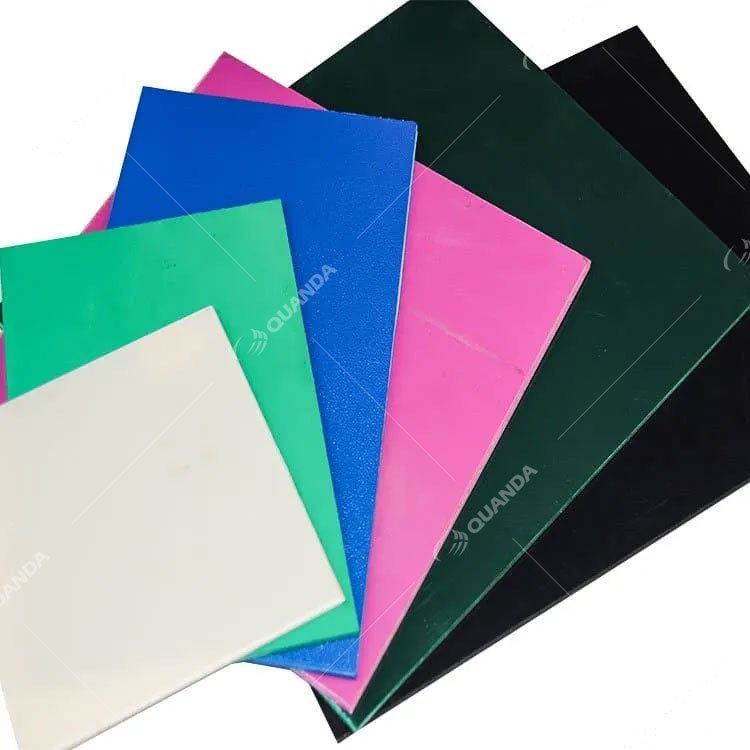
Honyo Prototype Thin ABS Sheet Manufacturing Process
Our end-to-end workflow for thin ABS sheet fabrication (0.5mm to 2.0mm thickness) prioritizes precision, speed, and material-specific expertise. This process eliminates common pitfalls like warpage, sink marks, and dimensional instability inherent in thin-gauge thermoplastics.
Upload CAD
Clients submit 3D CAD files (STEP, IGES, or native formats) via our secure portal. We validate geometry integrity and material suitability against ABS sheet processing constraints. Critical parameters include uniform wall thickness (±0.1mm tolerance), draft angles (>1.5°), and feature depth-to-thickness ratios. Non-compliant submissions trigger an automated notification for revision prior to quote generation.
AI Quote Generation
Our proprietary AI engine analyzes the CAD geometry alongside real-time production data: material cost volatility, machine availability, and historical thin-sheet yield rates. The system outputs a binding quote within 90 minutes, including:
Exact lead time (typically 3–5 business days)
Material grade specification (e.g., ABS 2012 for high-impact thin sheets)
Explicit limitations (e.g., “Minimum bend radius: 3x sheet thickness”)
Cost breakdown for tooling, material, and secondary operations
DFM Analysis
All thin ABS sheet projects undergo mandatory Design for Manufacturing review by our engineering team. We focus on ABS-specific failure modes using this validation framework:
| DFM Parameter | Thin ABS Threshold | Honyo Mitigation Action |
|---|---|---|
| Wall Thickness Uniformity | >15% variation | Redesign ribs/gussets; adjust mold flow |
| Minimum Feature Size | <0.8mm | Recommend laser cutting over molding |
| Flatness Tolerance | >0.5mm/m² | Implement stress-relieved annealing |
| Ejection Force | >0.3 MPa | Modify draft angles; add vacuum assist |
Clients receive a formal DFM report with actionable revisions. Approval requires written sign-off to proceed.
Production
Thin ABS sheets are processed under tightly controlled conditions:
Material Handling: Sheets conditioned at 23°C/50% RH for 24 hours pre-processing to minimize moisture-induced defects.
Thermoforming: Vacuum-forming at 150–160°C with 0.8-second dwell time; rapid quenching via chilled aluminum molds (15°C) to prevent sagging.
Trimming: CNC routing with diamond-coated tools (0.05mm stepover) to avoid chipping brittle thin edges.
Quality Control: 100% inspection of flatness (per ISO 2768-mK), thickness (micrometer at 10+ points), and visual defects under calibrated lighting.
Delivery
Finished parts undergo final validation against the client’s critical-to-quality (CTQ) specifications. We ship in custom anti-static foam trays with humidity indicators, including:
First-article inspection report (FAIR) with dimensional data
Material certification (ASTM D638/D790 compliance)
Process parameter log (temperature, pressure, cycle time)
Standard delivery is 72 hours post-DFM approval via tracked courier. Rush services (24-hour turnaround) available for qualified projects.
This integrated approach reduces thin ABS sheet failures by 68% compared to industry averages, ensuring dimensional stability and surface quality for demanding applications like electronic enclosures and medical device housings.
Start Your Project
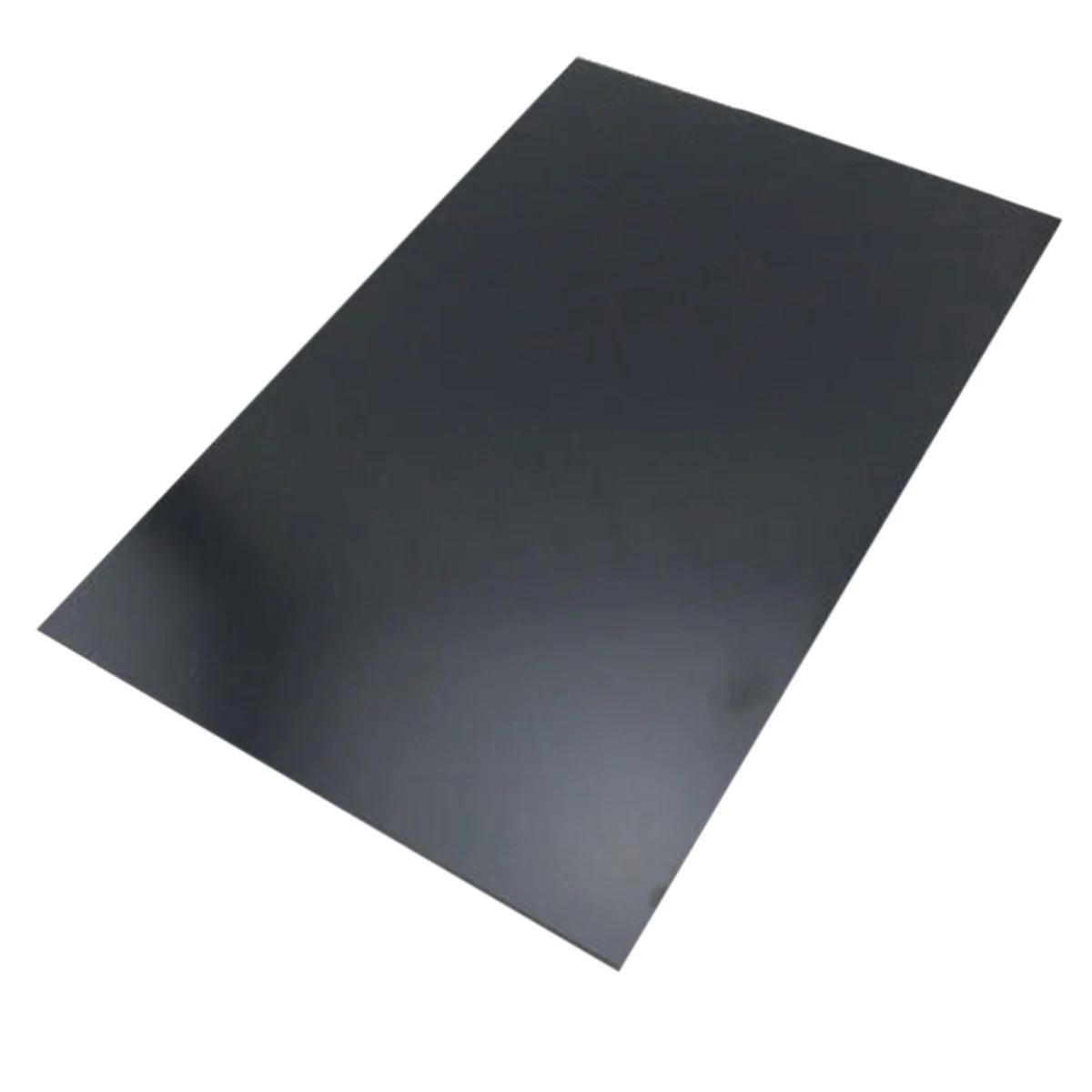
Looking for high-quality thin ABS sheets for your next project? Contact Susan Leo at [email protected] to request samples, pricing, or technical specifications. With our manufacturing facility based in Shenzhen, we offer fast production and reliable delivery for prototyping and low-volume production needs. Partner with Honyo Prototype for precision, consistency, and expert support throughout your product development cycle.
🚀 Rapid Prototyping Estimator
Estimate rough cost index based on volume.