
Contents
Manufacturing Insight: Thermoplastic Parts Are:

Thermoplastic Parts Are Precision-Engineered Solutions for Demanding Applications
Thermoplastic parts represent a critical category in modern manufacturing, valued for their versatility, recyclability, and ability to maintain structural integrity under varied thermal and mechanical conditions. From functional prototypes to low-volume production components in aerospace, medical devices, and consumer electronics, these parts demand machining processes that preserve material properties while achieving micron-level tolerances. At Honyo Prototype, our CNC machining services are specifically optimized for thermoplastics such as ABS, polycarbonate, nylon, and PEEK, leveraging advanced 3-, 4-, and 5-axis systems to eliminate warpage, minimize burring, and ensure repeatable accuracy down to ±0.005 mm. Our engineering team applies material-specific cutting strategies—including controlled spindle speeds, specialized tool geometries, and temperature-stable workholding—to prevent melting or stress cracking during fabrication, delivering parts that meet stringent ISO 9001-certified quality standards without secondary finishing.
This precision is complemented by our commitment to accelerating your development timeline. Honyo Prototype’s Online Instant Quote platform allows engineers to upload CAD files and receive detailed, obligation-free cost estimates within minutes—not days—factoring in material selection, complexity, and required lead times. By integrating real-time manufacturability feedback directly into the quoting process, we eliminate guesswork and facilitate faster iteration cycles. Whether you require rapid validation of a single prototype or scalable production of 500+ units, our end-to-end CNC machining workflow ensures thermoplastic components perform reliably in your final assembly. Begin your project with confidence by accessing our digital quoting system today.
Technical Capabilities
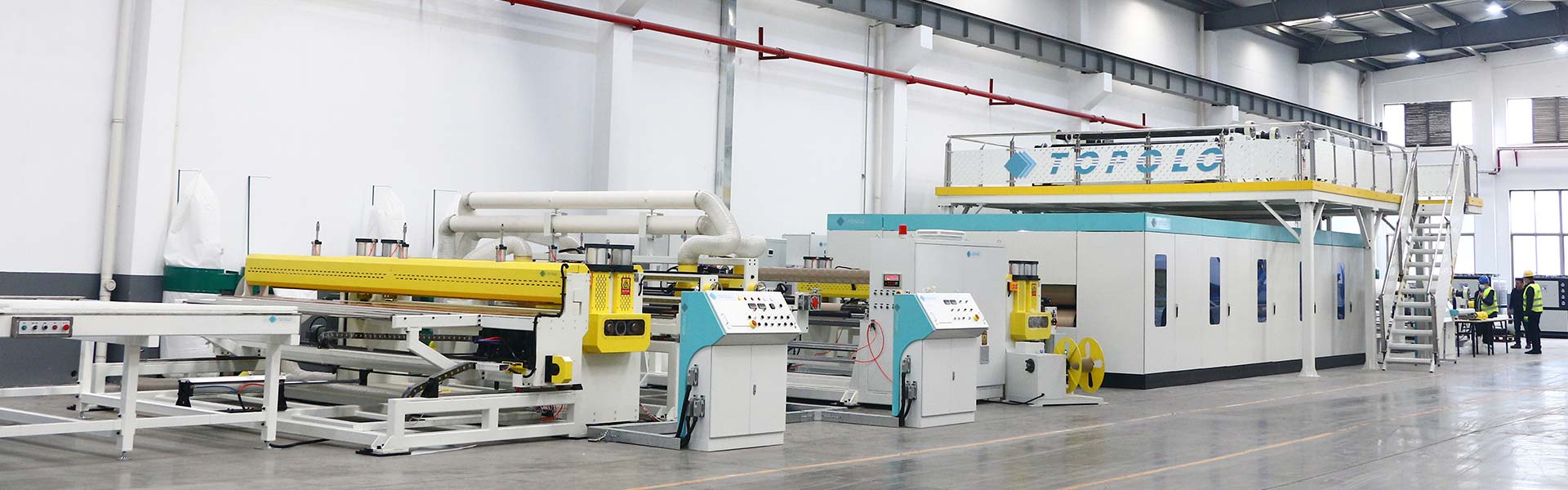
Thermoplastic parts produced via 3/4/5-axis milling and turning require precise control over dimensional accuracy, surface finish, and material behavior due to their application in prototyping and end-use components. These processes support tight tolerance machining across both metallic and plastic materials. Below are the technical specifications relevant to such manufacturing operations, including material-specific performance characteristics.
| Parameter | Aluminum (6061-T6) | Steel (1018, Mild Steel) | ABS (Acrylonitrile Butadiene Styrene) | Nylon (PA6/PA66) |
|---|---|---|---|---|
| Machining Process | 3/4/5-axis milling, turning | 3/4/5-axis milling, turning | 3/4/5-axis milling | 3/4/5-axis milling, turning |
| Typical Tolerance | ±0.005 mm (±0.0002″) | ±0.010 mm (±0.0004″) | ±0.025 mm (±0.001″) | ±0.025 mm (±0.001″) |
| Surface Finish (Ra) | 0.8 – 3.2 µm | 1.6 – 6.3 µm | 1.6 – 12.5 µm | 3.2 – 12.5 µm |
| Material Form for Machining | Bar stock, plate, billet | Bar stock, round, block | Rod, sheet, block | Rod, sheet, pellet form |
| Moisture Sensitivity | Low | Low | Low | High (hygroscopic) |
| Thermal Stability During Machining | High | High | Moderate (softens at ~100°C) | Moderate (softens at ~150°C) |
| Tool Wear Considerations | Low abrasive wear | Moderate to high tool wear | Low tool wear, minimal edge buildup | Moderate wear, slight gumming |
| Clamping & Fixturing Needs | Standard mechanical fixturing | Rigid fixturing required | Light to moderate pressure clamping | Low-stress clamping advised |
| Coolant Use | Required (flood or mist) | Required | Optional (air blast preferred) | Air blast recommended |
| Post-Processing Commonality | Deburring, anodizing, bead blasting | Deburring, plating, passivation | Vapor polishing, painting, sanding | Annealing, dry machining, sanding |
Note: Tight tolerance machining (±0.005 mm to ±0.025 mm) across all materials requires thermal stabilization, high-precision CNC equipment, and in-process inspection. For thermoplastics like ABS and Nylon, minimizing heat input and managing clamping forces are critical to avoid part deformation. Metals such as aluminum and steel allow higher material removal rates but require proper tool selection and coolant strategies to maintain tolerance and surface quality.
From CAD to Part: The Process
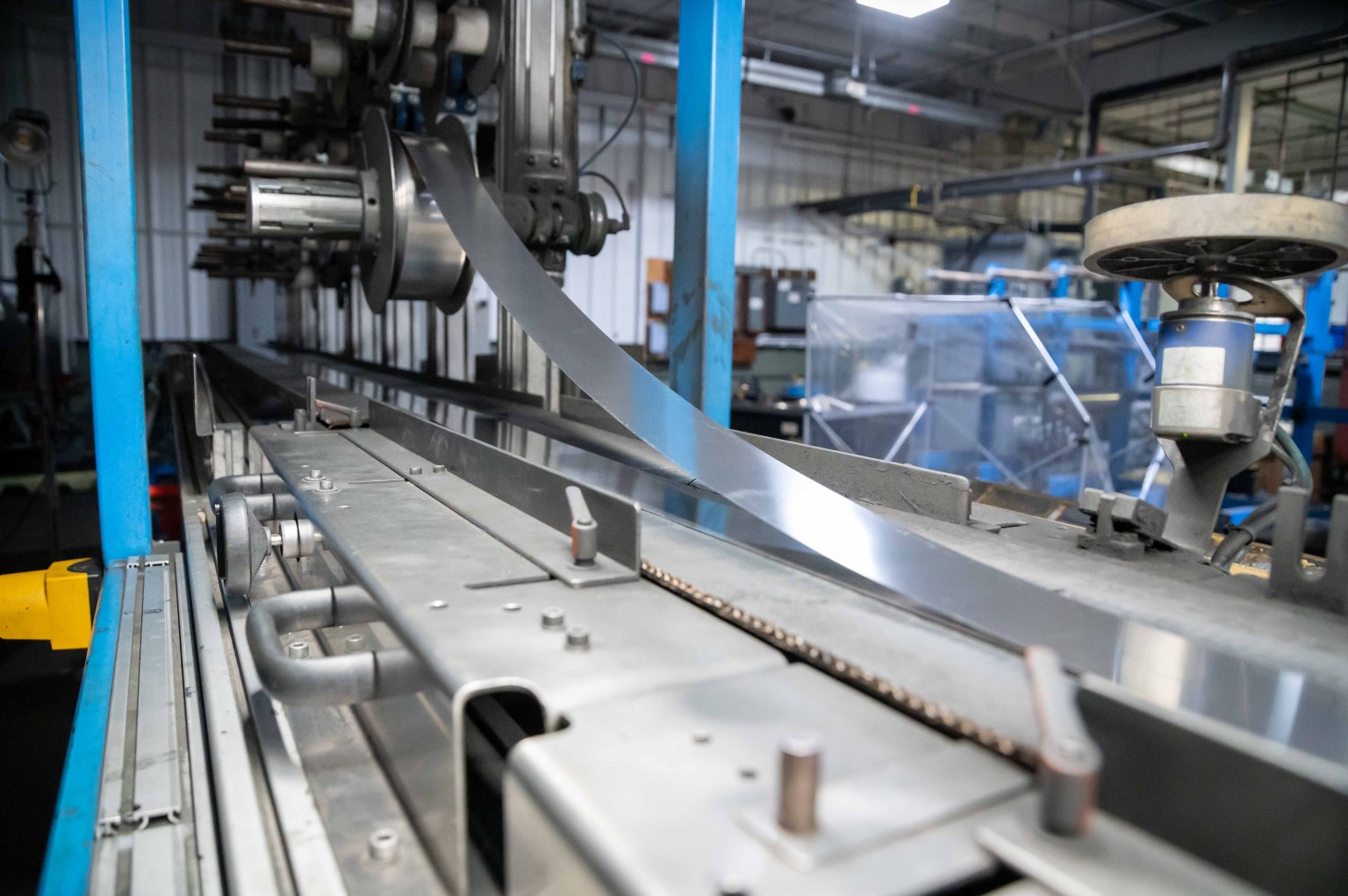
Honyo Prototype Thermoplastic Injection Molding Process Overview
Honyo Prototype specializes in rapid, high-precision thermoplastic injection molding for functional prototypes and low-volume production. Our streamlined workflow ensures technical rigor while minimizing time-to-part. The process is explicitly designed for thermoplastic materials and adheres to strict engineering validation protocols at each stage. Below is the detailed sequence for thermoplastic part manufacturing.
Upload CAD
Clients initiate the process by uploading native or neutral CAD files (STEP, IGES, Parasolid) via our secure portal. We require fully defined 3D geometry with critical tolerances and surface finish annotations. Automated validation checks confirm file integrity, unit consistency, and watertight geometry. Non-conforming files trigger immediate feedback for correction, preventing downstream delays. This phase typically completes within 15 minutes of submission.
AI-Powered Preliminary Quote
Upon CAD validation, our proprietary AI engine analyzes part geometry, material selection, and requested quantities against historical production data. The system generates a real-time cost estimate and lead time projection within 2 business hours. This quote is explicitly preliminary and excludes potential DFM revisions. Key inputs include resin type (e.g., ABS, PC, Nylon), part volume, gate location feasibility, and secondary operations. Accuracy is maintained through continuous machine learning from 12,000+ completed thermoplastic projects.
Engineering-Led DFM Analysis
All projects undergo mandatory Design for Manufacturability (DFM) review by Honyo’s certified molding engineers. This is not an automated step but a collaborative engineering assessment focused on thermoplastic-specific challenges. Critical parameters evaluated include:
| Parameter | Critical Thresholds | Common Resolution Path |
|---|---|---|
| Wall Thickness | < 0.6mm or > 3.0mm (material-dependent) | Rib optimization; coring |
| Draft Angles | < 0.5° on cores/cavities | Redesign parting line; add texture |
| Gate Location | Shear-induced weld lines in critical zones | Relocate gate; modify runner system |
| Ejection | Insufficient ejection surface area | Add ejector pins; modify geometry |
| Material Flow | Viscosity mismatches at thin sections | Adjust melt temp; modify gate size |
The DFM report details actionable recommendations with annotated visuals. Client approval of revisions is required before proceeding, ensuring alignment on manufacturability constraints.
Precision Production
Approved designs move to our climate-controlled production floor. We utilize all-electric injection molding presses (50–500 tons) with real-time process monitoring. Thermoplastic-specific controls include:
Material drying protocols per resin hygroscopicity (e.g., 4hrs @ 80°C for Nylon 6)
Melt temperature stabilization within ±3°C
Cavity pressure sensors for scientific molding validation
In-process dimensional checks at 30-minute intervals
All resins are Lot-traceable with certificates of conformance. Secondary operations (e.g., ultrasonic welding, pad printing) occur in dedicated workcells with calibrated tooling.
Quality-Controlled Delivery
Final parts undergo first-article inspection per AS9102 standards, including:
CMM reports for critical features (GD&T compliant)
Visual inspection under 1000-lux lighting
Material verification via FTIR spectroscopy
Dimensional stability testing (post-molding 24hr soak)
Parts ship in ESD-safe packaging with humidity indicators. Standard lead time from DFM sign-off is 7–10 business days for 1–500 parts. All deliverables include full process documentation for auditability.
This sequenced workflow eliminates guesswork in thermoplastic prototyping by integrating AI efficiency with human engineering expertise, ensuring parts meet functional requirements on the first iteration.
Start Your Project
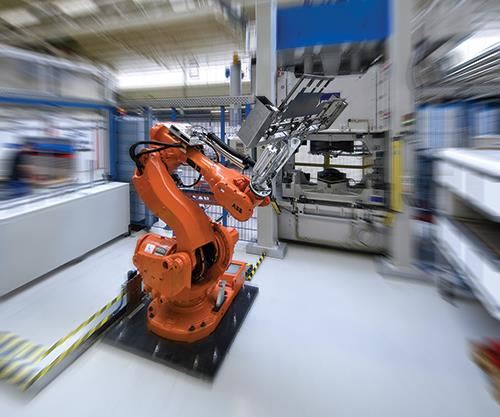
Thermoplastic parts are precision-engineered for high-performance applications across industries including automotive, medical, and consumer electronics. Manufactured in our ISO-certified facility in Shenzhen, each component is produced using advanced injection molding techniques to ensure consistency, durability, and tight tolerances.
For custom thermoplastic solutions tailored to your design specifications, contact Susan Leo at [email protected]. Leverage our in-house tooling, rapid prototyping, and low-to-high volume production capabilities to accelerate your product development timeline.
🚀 Rapid Prototyping Estimator
Estimate rough cost index based on volume.