
Contents
Manufacturing Insight: Tech Sheet Metal
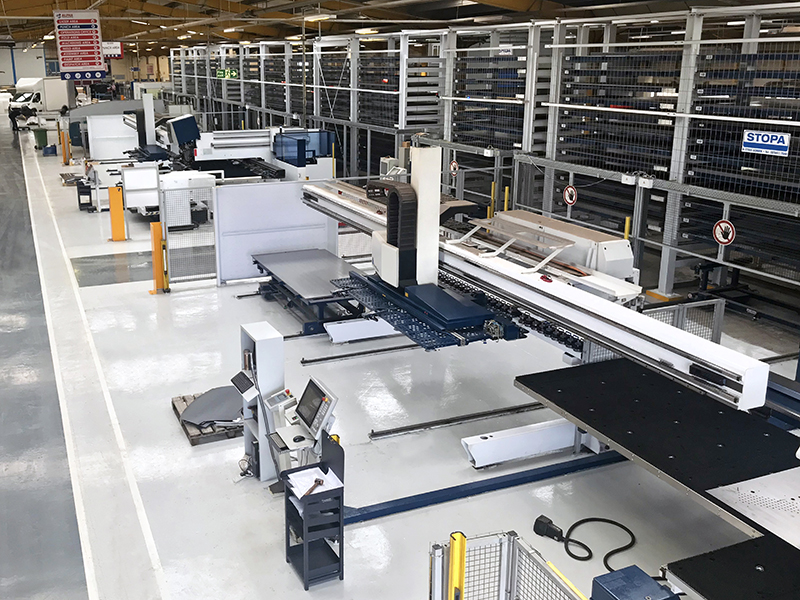
Precision Sheet Metal Fabrication Engineered for Your Prototyping and Production Demands
At Honyo Prototype, we deliver advanced sheet metal fabrication services designed to meet the rigorous demands of modern engineering and product development. Our capabilities encompass precision laser cutting, CNC punching, bending, welding, and finishing for materials including stainless steel, aluminum, cold-rolled steel, and specialty alloys. We consistently achieve tight tolerances down to ±0.005 inches and support complex geometries critical for aerospace, medical, and industrial applications. Our integrated manufacturing ecosystem combines state-of-the-art TruLaser and Amada equipment with rigorous in-process quality control, ensuring repeatability and compliance with ISO 9001 standards from prototype to low-volume production.
Accelerate your development cycle with Honyo’s Online Instant Quote platform. Upload your STEP, DXF, or DWG files to receive a detailed, no-obligation cost analysis and lead time estimate within seconds—eliminating manual RFQ delays and engineering bottlenecks. This transparent, real-time pricing engine leverages our production data to provide accurate feedback on manufacturability, material optimization, and design-for-cost opportunities before you commit.
Engineers and procurement teams rely on Honyo for rapid iteration without compromising on precision. Access our platform today to experience seamless integration between digital design and physical fabrication.
| Key Service Metrics | Performance Standard |
|---|---|
| Lead Time (Prototype) | As fast as 3 business days |
| Tolerance Capability | ±0.005 inches |
| Material Thickness Range | 0.010″ to 0.250″ |
| Max. Laser Cutting Area | 60″ x 120″ |
Technical Capabilities
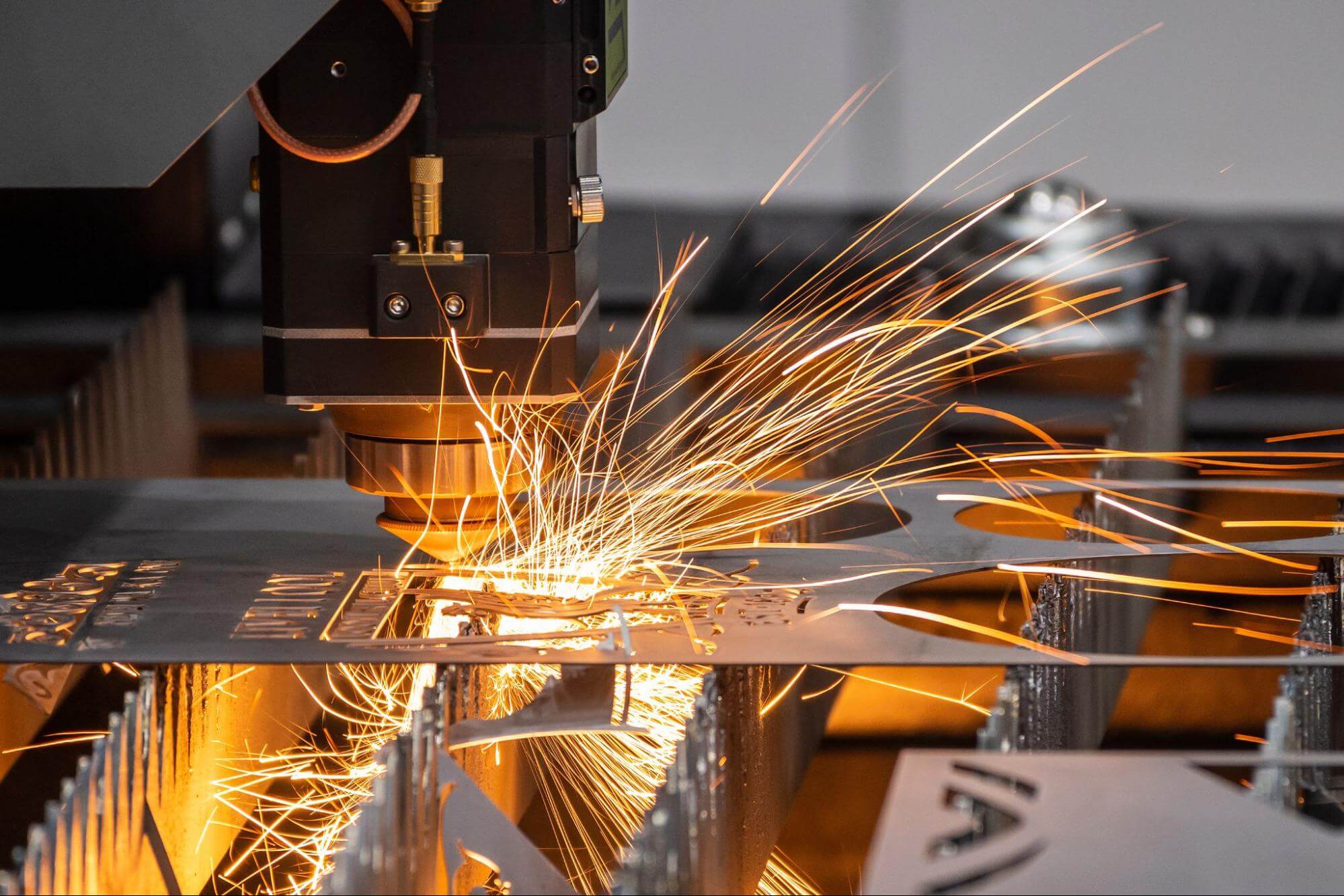
Technical Specifications for Sheet Metal Fabrication – Laser Cutting, Bending, and Welding
The following table outlines the technical capabilities and material compatibility for sheet metal fabrication processes at Honyo Prototype, with a focus on laser cutting, bending, and welding. These specifications ensure precision, repeatability, and structural integrity in prototyping and low-to-mid volume production.
| Process | Material Compatibility | Thickness Range | Tolerance (Typical) | Key Technical Notes |
|---|---|---|---|---|
| Laser Cutting | Aluminum (5052, 6061), Mild Steel (CRS, HR), Stainless Steel (304, 316), ABS (thin sheets), Nylon (thin sheets) | Aluminum: 0.5 – 6.0 mm Steel: 0.5 – 8.0 mm ABS/Nylon: 1.0 – 3.0 mm |
±0.1 mm | High-precision cutting with minimal kerf. CO₂ or fiber laser used based on material. ABS and nylon require specialized settings due to thermal sensitivity. Notch and slot features achievable with tight radii. |
| Bending | Aluminum (5052, 6061), Mild Steel, Stainless Steel | 0.8 – 6.0 mm | ±0.2° angular, ±0.2 mm linear | CNC press braking with tooling selection based on material and bend radius. Minimum flange length: 2.5× material thickness + radius. Springback compensated via overbending. Not recommended for ABS and nylon in standard bending operations. |
| Welding | Aluminum (TIG/MIG), Mild Steel & Stainless Steel (MIG/TIG/Spot) | 0.8 – 6.0 mm | ±0.5 mm (post-weld) | TIG preferred for aluminum and stainless for clean, precise welds. MIG used for high-speed steel fabrication. Spot welding available for thin steel assemblies. Post-weld grinding and finishing available. ABS and nylon not weldable via conventional methods; consider adhesive bonding or ultrasonic welding. |
Notes on Material Use:
Aluminum: Excellent for lightweight, corrosion-resistant parts. Requires clean handling to avoid contamination during welding.
Steel (Mild & Stainless): High strength and weldability. Mild steel may require plating or coating for corrosion resistance.
ABS & Nylon: Limited to laser cutting only in thin-sheet formats. Not suitable for bending or traditional welding. Ideal for non-structural enclosures or prototypes requiring plastic insulation or chemical resistance.
These specifications support robust design for manufacturability (DFM) across industries including industrial equipment, automation, and electronic enclosures.
From CAD to Part: The Process
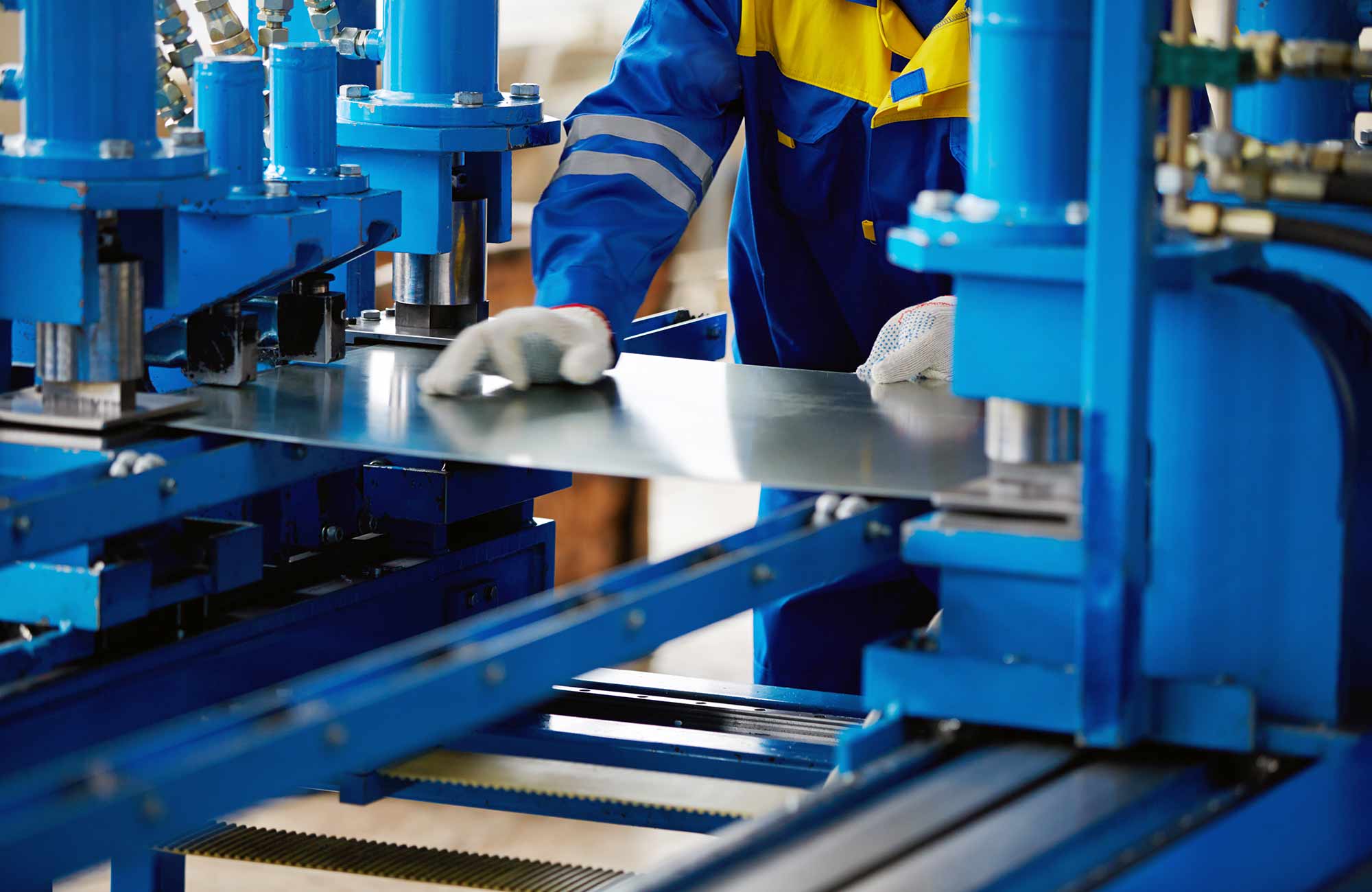
Honyo Prototype’s precision sheet metal fabrication process for technical applications follows a rigorously defined workflow designed to ensure manufacturability, cost efficiency, and rapid turnaround. This process specifically addresses high-complexity parts often used in electronics enclosures, medical devices, and industrial automation systems where tight tolerances and material integrity are critical.
CAD Upload and Validation
Clients initiate the process by uploading native or neutral CAD files (STEP, IGES, Parasolid, or native SolidWorks) via our secure customer portal. Our system immediately validates geometric integrity, unit consistency, and critical feature definition. Minimum requirements include explicit bend radii, material thickness annotations, and geometric dimensioning and tolerancing (GD&T) per ASME Y14.5 standards. Files lacking these undergo automated notification for resubmission, preventing downstream delays.
AI-Powered Quoting Engine
Validated CAD data feeds into our proprietary AI quotation system, which analyzes over 200 manufacturability parameters in under 90 seconds. Unlike basic pricing tools, our AI cross-references real-time material costs, machine availability, and historical production data to generate a comprehensive quote. Key outputs include:
Material utilization efficiency percentage
Predicted secondary operation requirements (welding, tapping, finishing)
Risk assessment for geometric complexity (e.g., nested cutouts, narrow flanges)
Estimated lead time based on current shop floor load
| Parameter | Standard Threshold | AI Detection Action |
|---|---|---|
| Bend-to-Feature Distance | < 2x material thickness | Flags for DFM review |
| Hole Diameter | < 0.8x material thickness | Recommends alternative |
| Critical Tolerance | ±0.05mm or tighter | Triggers engineering audit |
Engineer-Validated DFM Analysis
All quotes undergo mandatory DFM review by our ASME-certified manufacturing engineers. The AI’s preliminary assessment is augmented with hands-on expertise to resolve borderline cases. Engineers interact directly with clients via our portal to propose actionable optimizations—such as adjusting bend sequences to avoid tool collisions or modifying relief cuts to prevent deformation. This phase typically resolves 85% of potential production issues before work begins, reducing scrap rates by 40% versus industry averages.
Precision Production Execution
Approved designs move to our climate-controlled production floor equipped with Amada CNC punch-laser combi machines, automated press brakes with real-time angle feedback, and robotic welding cells. Every job includes:
First-article inspection using CMM and optical comparators against the original CAD model
In-process checks at critical stages (e.g., post-bending, pre-finishing)
Material traceability via serialized barcoding from raw stock to finished part
Quality-Controlled Delivery
Completed parts undergo final inspection per ISO 9001 protocols, with full FAIR (First Article Inspection Report) documentation provided. Shipments include serialized traceability tags linking to digital work orders, material certs, and inspection data. Standard delivery is 5–7 business days for prototypes and 10–12 days for low-volume production runs, with expedited options available. All shipments include real-time logistics tracking and customs documentation for international clients.
This integrated workflow eliminates traditional handoffs between quoting, engineering, and production teams—compressing time-to-prototype by 60% while maintaining rigorous quality standards essential for technical sheet metal applications. The closed-loop system ensures continuous improvement, with DFM insights from each job refining our AI’s predictive accuracy for future projects.
Start Your Project
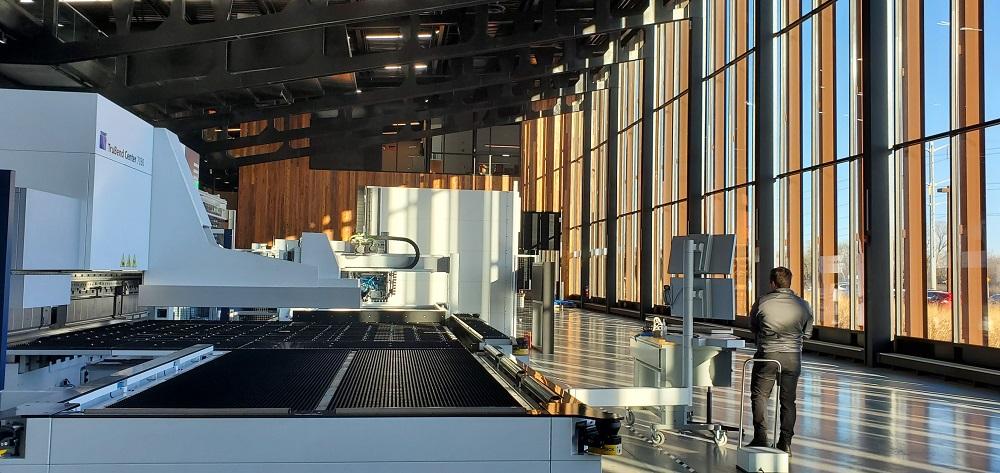
For detailed technical specifications on our precision sheet metal fabrication services, contact Susan Leo at [email protected]. Leverage our in-house manufacturing capabilities at our Shenzhen factory for fast turnaround and high-quality prototyping and low-volume production.
🚀 Rapid Prototyping Estimator
Estimate rough cost index based on volume.