
Contents
Manufacturing Insight: Structural Steel Costs Per Ton
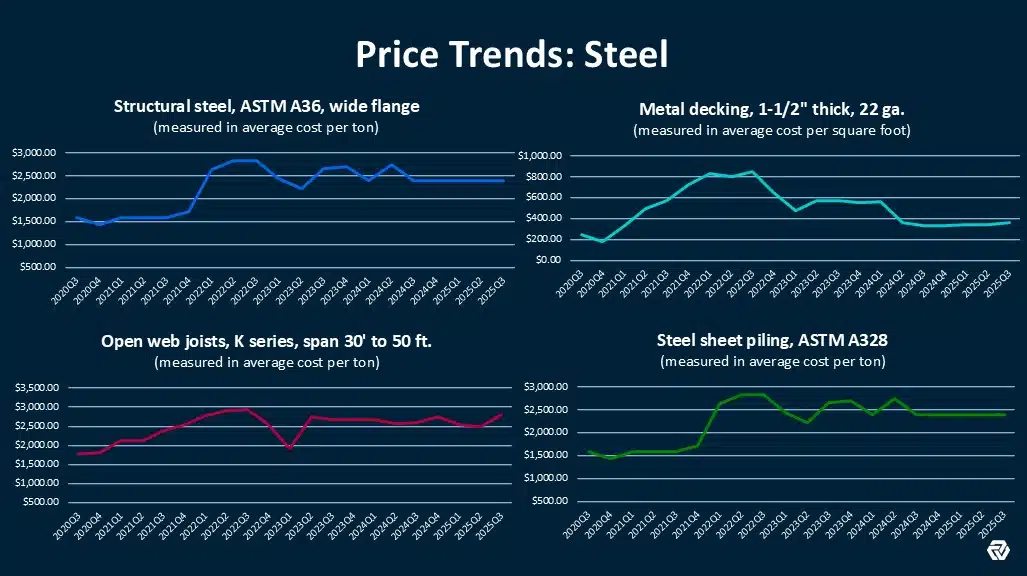
Understanding Structural Steel Cost Variables in Precision Fabrication
Accurate project budgeting for structural steel components requires more than tracking volatile per-ton material costs of common grades like ASTM A36 or HSS tubing. While raw material pricing sets the baseline, the true cost driver lies in fabrication efficiency—particularly how thermal cutting, forming tolerances, and secondary machining operations impact yield and labor. At Honyo Prototype, we recognize that even minor deviations in CNC-machined features can escalate project expenses by 15–30% due to rework or material waste.
Our integrated CNC machining services directly address this challenge by optimizing structural steel utilization through high-precision milling, drilling, and tapping. By leveraging advanced 5-axis capabilities and proprietary toolpath strategies, we minimize scrap rates and ensure tight tolerances (±0.005″) critical for load-bearing assemblies. This precision translates to predictable per-part costs, regardless of steel market fluctuations.
To streamline your cost assessment, Honyo Prototype offers an Online Instant Quote platform that factors both current structural steel rates and machining complexity. Input your CAD file and material specifications to receive a detailed cost breakdown within hours—not days—enabling faster procurement decisions and accurate budget forecasting.
Key Cost Variables Beyond Raw Material
| Factor | Impact on Total Cost | Honyo’s Mitigation Approach |
|———————–|———————-|———————————–|
| Machining Tolerances | High (Rework risk) | 5-axis CNC precision, in-process QC |
| Material Yield | Medium-High | Nesting optimization, minimal kerf |
| Secondary Operations | Medium | Integrated milling/turning centers |
| Lead Time | Medium (Rush fees) | Real-time capacity monitoring |
Partner with Honyo Prototype to convert structural steel cost uncertainty into a controlled, value-driven manufacturing process. Initiate your project with an instant quote today.
Technical Capabilities
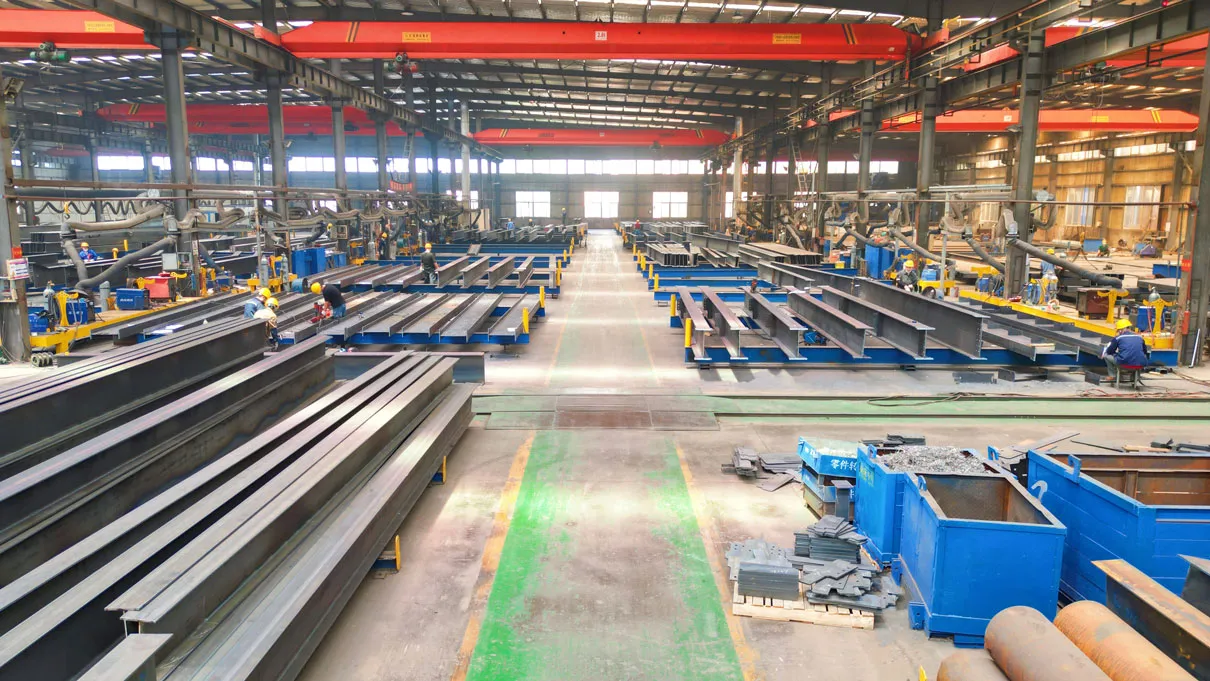
The term “structural steel costs per ton” typically refers to bulk pricing for construction-grade steel such as ASTM A36 or S355, used in beams, frames, and civil infrastructure. However, in the context of precision machining services—specifically 3/4/5-axis milling, turning, and tight tolerance work—the relevant cost metric shifts from raw structural tonnage to machined part pricing based on material type, complexity, and precision requirements.
For high-accuracy CNC machining, material costs are usually evaluated per kilogram or pound rather than per ton, due to lower volume usage and higher value-added processing. Below is a comparative technical and cost analysis for commonly machined materials including Aluminum, Steel, ABS, and Nylon, tailored to advanced machining processes and tight tolerance applications (±0.005 mm to ±0.025 mm typical).
| Material | Typical Grade/Form | Density (g/cm³) | Machinability Rating | Avg. Material Cost (USD/kg) | Suitable for 3/4/5-Axis Milling | Suitable for Turning | Tight Tolerance Capability (± mm) | Notes |
|---|---|---|---|---|---|---|---|---|
| Aluminum | 6061-T6, 7075-T6 (bar/plate) | 2.7 | Excellent (90–100%) | 4.00 – 6.50 | Yes | Yes | 0.005 – 0.010 | High MRR, low tool wear, ideal for complex 5-axis geometries |
| Carbon Steel | 1018, 1045 (cold rolled bar) | 7.85 | Good (60–70%) | 1.80 – 3.00 | Yes | Yes | 0.010 – 0.025 | Higher tool wear than Al; requires robust fixturing and cooling |
| Stainless Steel | 304, 316 (bar/plate) | 8.0 | Fair (40–50%) | 4.50 – 7.00 | Yes | Yes | 0.010 – 0.025 | Work hardening; slower feeds/speeds; common in medical and aerospace |
| ABS | Extruded sheet or rod | 1.04 | Excellent | 3.00 – 5.00 | Yes | Yes | 0.025 – 0.050 | Low melting point; minimal tool pressure required; used for prototypes |
| Nylon (PA6/PA66) | Cast or extruded rod | 1.13 | Good | 5.00 – 8.00 | Yes | Yes | 0.025 – 0.050 | Low friction; hygroscopic—requires post-machining stabilization |
Notes on Cost Drivers in Precision Machining:
Structural Steel vs. Machining Stock: Structural steel (e.g., A36 I-beams) costs ~$700–900 per ton ($0.70–0.90/kg) but is unsuitable for tight tolerance machining. The steels used in CNC (e.g., 4140, 1045) are higher quality, sold in smaller bar forms, and cost significantly more per kg.
Machining Complexity: 5-axis milling increases setup and programming costs but reduces part handling. It is cost-effective for complex aluminum aerospace components.
Tolerances: Achieving ±0.005 mm repeatedly requires thermal control, high-end metrology (e.g., CMM validation), and often multiple finishing passes—impacting labor and machine time.
Material Efficiency: Nylon and ABS generate lower material waste but require specialized toolpaths to avoid deformation. Aluminum offers excellent chip evacuation and surface finish.
Secondary Operations: Deburring, anodizing (Al), passivation (steel), and stress relieving can add 20–50% to base machining cost.
At Honyo Prototype, we optimize material selection and machining strategy to balance performance, lead time, and cost—especially for low-volume, high-precision components in industrial automation, aerospace, and medical device sectors.
From CAD to Part: The Process
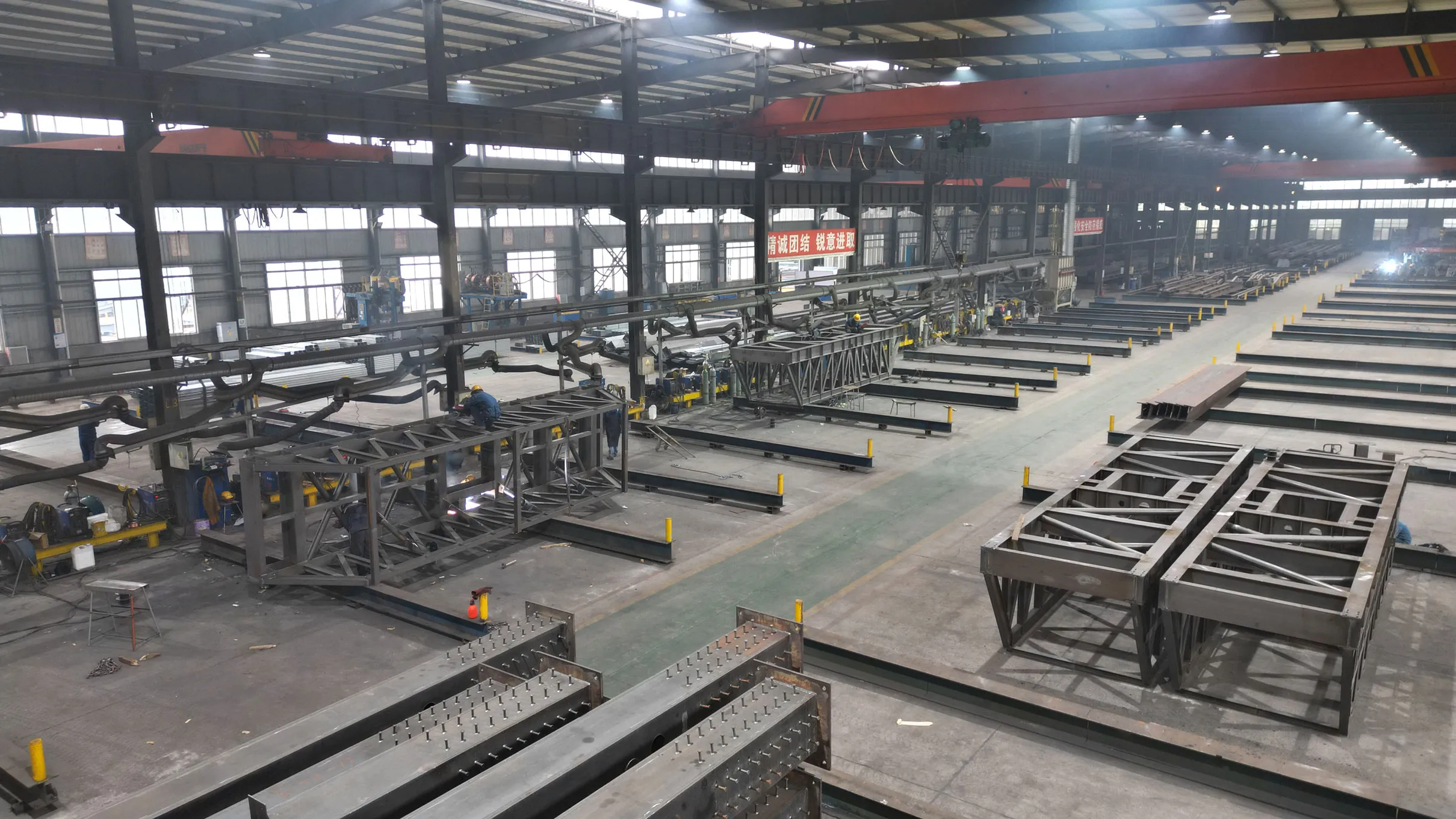
Honyo Prototype Structural Steel Cost Per Ton Process Overview
Honyo Prototype utilizes a streamlined, technology-driven workflow to deliver accurate structural steel costing per ton, ensuring transparency and efficiency from initial design to final delivery. Our process eliminates traditional quoting delays while maintaining rigorous engineering standards. Below is the detailed sequence:
Upload CAD
Clients submit native or neutral CAD files (STEP, IGES, Parasolid, or native SolidWorks/Inventor) via our secure portal. Our system automatically validates geometric integrity, identifies critical features like weld seams, bolt patterns, and plate thicknesses, and calculates the as-modeled net mass. This foundational step ensures all subsequent cost calculations derive from precise engineering data, avoiding manual interpretation errors. Material grade specifications provided in the CAD metadata directly inform raw material pricing inputs.
AI-Powered Preliminary Quote
Within 2–4 business hours, our proprietary AI engine processes the CAD geometry to generate a preliminary cost-per-ton estimate. The algorithm analyzes net mass, structural complexity (e.g., beam count, connection types), surface area-to-volume ratio, and current market-adjusted steel rates (updated hourly via API integrations with major mills). Crucially, the AI isolates material cost from fabrication variables, presenting a clear base figure for steel per ton. This quote includes a confidence interval reflecting design maturity (e.g., ±5% for detailed models, ±12% for conceptual sketches) and excludes non-recurring engineering fees.
Engineering-Led DFM Optimization
All projects undergo mandatory Design for Manufacturability (DFM) review by Honyo’s senior structural engineers. This phase refines the AI estimate into a firm quotation by addressing real-world production constraints. Engineers optimize nesting efficiency on raw plate stock, adjust tolerances per AISC standards, simplify weld preparations, and validate material yield. For example, a design initially requiring 12.8 tons of ASTM A572 Gr. 50 may be optimized to 11.3 tons through intelligent plate nesting and section standardization—directly reducing the effective cost per ton. DFM output includes a detailed cost breakdown and formal quotation valid for 30 days.
Production Execution
Upon client approval, production commences in our ISO 9001-certified facility. Laser cutting, robotic welding, and precision bending are monitored via IoT-enabled machinery. Real-time material tracking logs actual steel consumption against the DFM-optimized plan. We reconcile theoretical vs. actual tons used daily; any variance exceeding 2% triggers immediate engineering review. This granular tracking ensures the final cost per ton reflects physical material usage, not theoretical estimates.
Delivery and Cost Verification
Pre-shipment, all fabricated assemblies undergo final weighing on calibrated industrial scales. The exact tonnage shipped—not the CAD-modeled mass—is used to calculate the definitive cost per ton. Clients receive a delivery certificate itemizing:
Total steel consumed (tons)
Verified material grade and mill test reports
Final cost per ton (including surcharges)
Comparison against DFM-optimized target
Key Cost Drivers in Structural Steel Per Ton
The table below illustrates how DFM interventions directly impact cost per ton:
| Parameter | Pre-DFM Estimate | Post-DFM Target | Cost Impact per Ton |
|---|---|---|---|
| Net Steel Mass | 15.2 tons | 13.7 tons | -9.9% reduction |
| Plate Nesting Efficiency | 78% | 89% | -4.2% material cost |
| Weld Preparation Complexity | High (bevels) | Medium (chamfers) | -7% labor cost |
| Material Grade Standardization | Mixed (A36/A572) | Uniform (A572) | -2.1% procurement cost |
Why Per Ton Costing Matters
Structural steel projects are predominantly material-cost-driven, with raw steel representing 55–70% of total project cost. Honyo’s process provides clients with predictable, auditable per-ton metrics early in procurement, mitigating budget overruns from design inefficiencies. Unlike competitors quoting lump-sum fabrication costs, our transparency in steel consumption per ton enables accurate life-cycle costing and supply chain planning. Market volatility is managed through fixed-price quotes locked at DFM sign-off, shielding clients from interim steel price fluctuations.
This integrated approach ensures clients pay only for the steel physically delivered, validated through engineering rigor at every phase—not theoretical estimates. For complex structural projects, we recommend initiating the process with a DFM pre-assessment to maximize cost savings before final design freeze.
Start Your Project
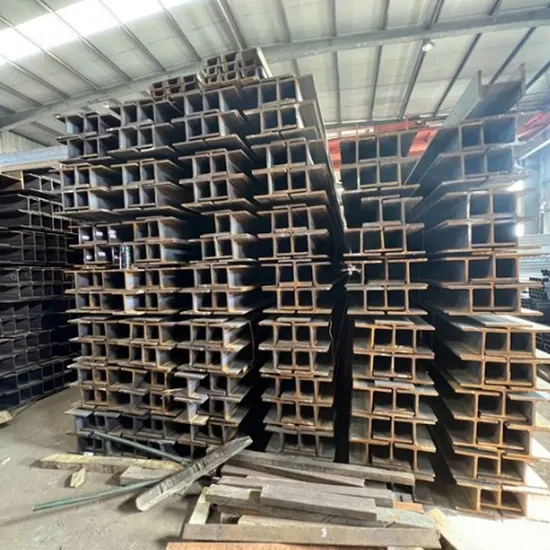
For accurate and competitive quotes on structural steel costs per ton, contact Susan Leo directly at [email protected]. As a trusted manufacturing partner with an in-house factory located in Shenzhen, Honyo Prototype delivers high-quality structural steel solutions with fast turnaround and transparent pricing. Reach out today to discuss your project specifications and receive a tailored cost estimate.
🚀 Rapid Prototyping Estimator
Estimate rough cost index based on volume.