
Contents
Manufacturing Insight: Strong Steel Products
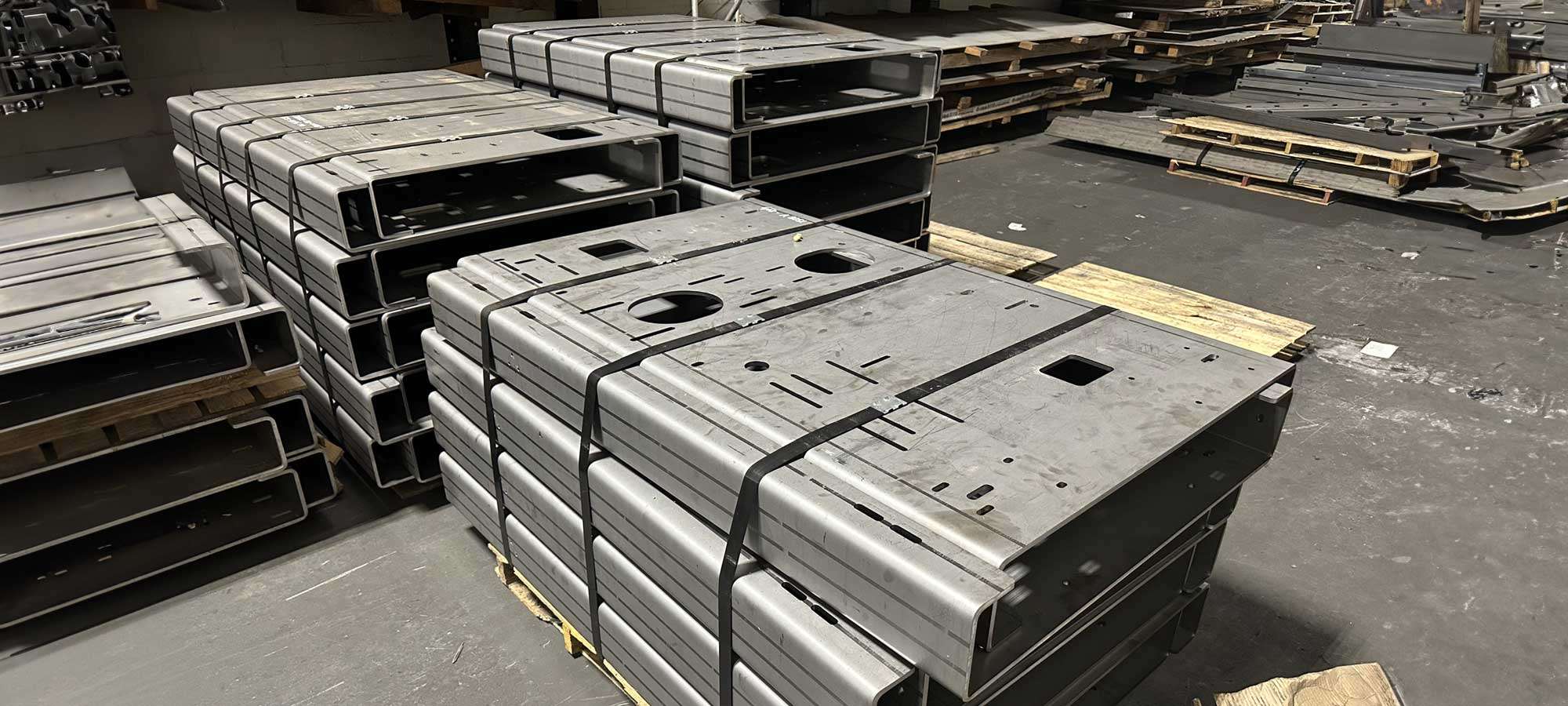
Engineering Strength Through Precision CNC Machining
At Honyo Prototype, we transform high-strength steel alloys into mission-critical components where durability, fatigue resistance, and dimensional integrity are non-negotiable. Our advanced CNC machining services specialize in producing robust steel parts—from hardened tool steels and corrosion-resistant stainless grades to custom alloy formulations—engineered to withstand extreme mechanical stress, thermal cycles, and operational wear in demanding applications. Leveraging state-of-the-art 3- to 5-axis milling and turning centers, we achieve tight tolerances down to ±0.005mm while maintaining the material’s inherent structural properties, ensuring components perform reliably under load in aerospace, defense, and industrial machinery sectors.
Our process integrates material science expertise with precision manufacturing, starting with optimized toolpath strategies that minimize residual stress and maximize surface integrity in steel workpieces. Whether prototyping low-volume batches or scaling to medium production runs, Honyo delivers repeatability and metallurgical consistency, eliminating compromises between strength and geometric complexity. Accelerate your development cycle with our Online Instant Quote platform, where engineers upload CAD files to receive detailed manufacturability feedback and competitive pricing within hours—turning design concepts into validated steel solutions faster than traditional RFQ workflows. Partner with Honyo to convert material strength into engineered advantage.
Technical Capabilities
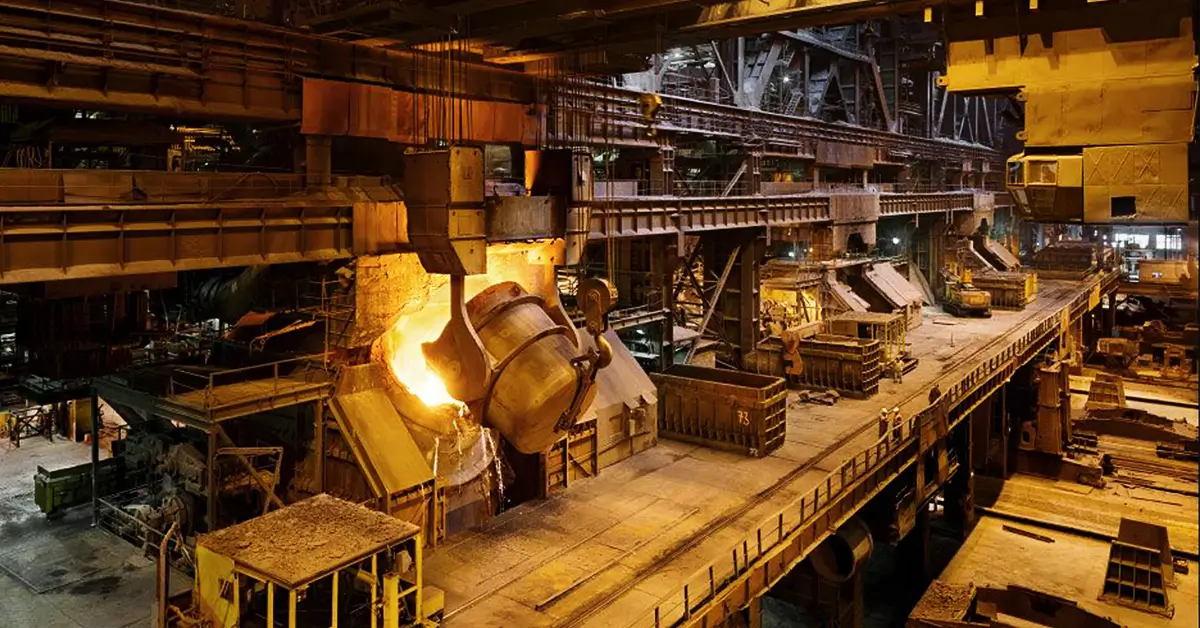
Technical specifications for strong steel products at Honyo Prototype are designed to meet high-performance demands in precision manufacturing. Our capabilities in 3, 4, and 5-axis milling, combined with advanced CNC turning, enable the production of complex geometries with tight tolerances. These processes are optimized for a range of materials including aluminum, steel, ABS, and nylon, ensuring structural integrity and dimensional accuracy for mission-critical applications.
| Parameter | Specification Details |
|---|---|
| Machining Processes | 3-Axis, 4-Axis, and 5-Axis CNC Milling; CNC Turning (including multi-axis turning centers) |
| Typical Tolerances | ±0.005 mm (±0.0002″) for critical dimensions; can achieve ±0.0025 mm (±0.0001″) with process controls |
| Surface Finish (Milled) | Ra 0.8 μm (32 μin) standard; down to Ra 0.4 μm (16 μin) with fine finishing passes |
| Maximum Work Envelope | Milling: 1200 mm × 800 mm × 600 mm (X×Y×Z); Turning: Ø500 mm × 1000 mm (diameter × length) |
| Spindle Speed (Milling) | Up to 24,000 RPM for high-precision aluminum; 12,000 RPM for steel and engineering plastics |
| Tooling Systems | High-precision HSK and CAT tool holders with automatic tool changers (ATC) |
| Materials Supported | Aluminum (6061, 7075, 2024), Steel (4140, 4340, 1018, 1045), ABS, Nylon (6, 66, GF-reinforced) |
| Material Strength (Typical) | Steel: UTS 500–1000 MPa; Aluminum: 300–570 MPa; ABS: 40–50 MPa; Nylon: 70–85 MPa (reinforced) |
| Dimensional Inspection | Performed using CMM (Coordinate Measuring Machine), optical comparators, and laser scanning |
| Secondary Operations | Deburring, anodizing (Al), passivation (steel), heat treatment, precision grinding available |
Honyo Prototype maintains strict process controls to ensure repeatability and compliance with ISO 9001 standards. Our machining centers are equipped with thermal compensation and in-process probing to maintain tight tolerances across production runs. Material selection is guided by application requirements—aluminum and steel for high-strength metal components, ABS for rapid prototyping and lightweight non-structural parts, and nylon for wear-resistant, chemically stable components.
From CAD to Part: The Process
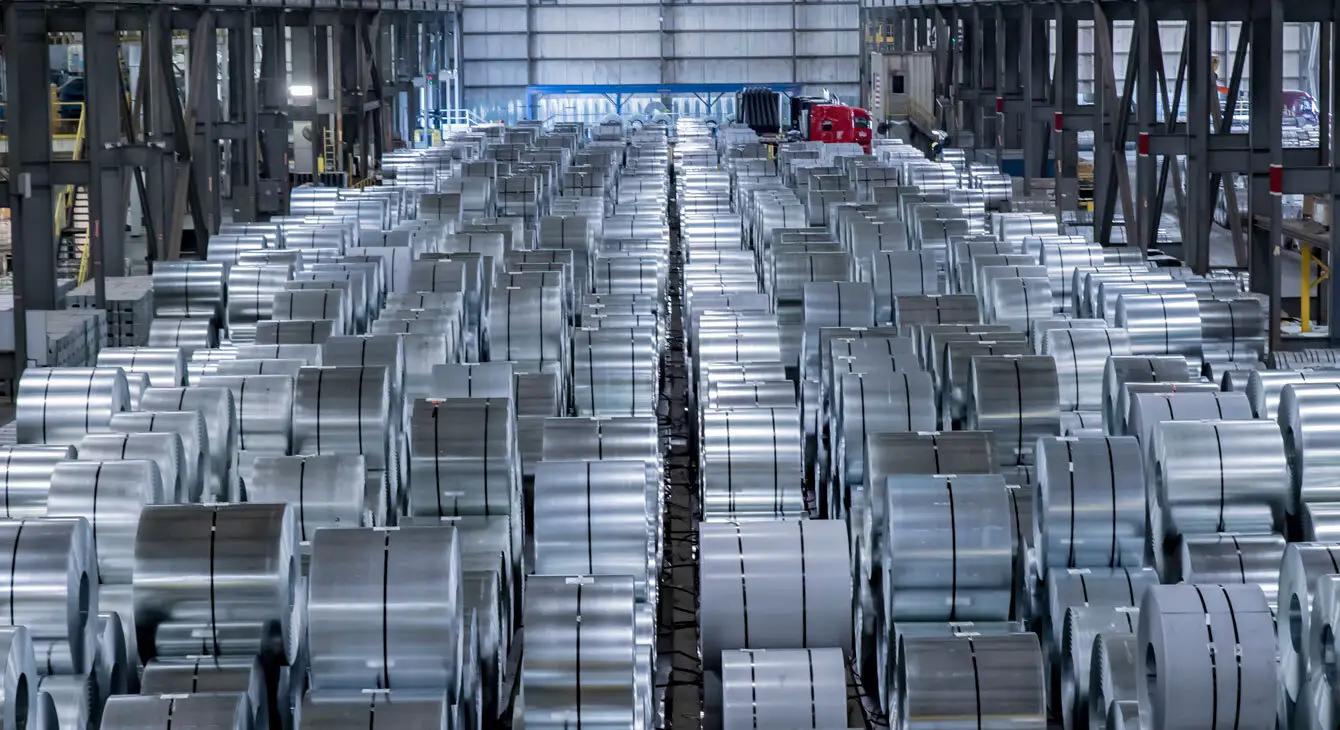
Honyo Prototype delivers high-integrity steel components through a rigorously controlled digital workflow optimized for strength-critical applications. Our process ensures metallurgical soundness, dimensional precision, and structural reliability from initial design to final shipment.
CAD Upload and Validation
Clients submit native or STEP format CAD files specifying required steel grade (e.g., 4140, 1045, 304SS), heat treatment, and critical tolerances. Our system performs immediate geometry validation, checking for non-manufacturable features like inadequate draft angles or undersized radii that could induce stress concentrations in load-bearing steel parts. Files failing validation receive automated feedback within 2 hours.
AI-Powered Quoting Engine
Proprietary AI analyzes the validated CAD model against real-time shop floor data, material availability, and steel-specific processing constraints. The algorithm factors in:
Machinability ratings of the specified alloy
Thermal distortion risks during heat treatment
Secondary operation requirements (e.g., stress relief annealing)
NDT method selection based on part criticality
Quotes include material surcharge transparency and lead time impact assessments for high-strength alloys, delivered within 4 business hours with full cost breakdown.
Steel-Optimized DFM Analysis
Our engineering team conducts metallurgically focused Design for Manufacturability review, concentrating on steel-specific failure modes. Key interventions include:
| Parameter | Risk Mitigation Action | Steel-Specific Standard Reference |
|---|---|---|
| Wall Thickness | Redesign to prevent quench cracking in hardenable alloys | ASTM A388 Section 8.3 |
| Fillet Radii | Minimum 3x material thickness to avoid stress risers | ASME BPVC Section VIII Div 2 |
| Weld Zones | HAZ management via pre/post-heat treatment protocols | AWS D1.1 Clause 5 |
| Grain Flow | Forging orientation alignment for critical axes | MMPDS-17 Section 2.3.1.4 |
DFM reports include metallurgical validation requirements and recommended process adjustments, with engineering sign-off before proceeding.
Precision Steel Production
Manufacturing occurs in our climate-controlled steel-dedicated facility using hardened tooling and low-vibration machinery. Critical controls include:
Material traceability via laser-etched heat numbers matching Mill Test Reports (MTRs)
In-process hardness verification after heat treatment (Rockwell C scale per ASTM E18)
Non-destructive testing per ASME Section V: MPI for ferrous alloys, UT for thick sections
Machining with coolant-through tools to prevent thermal micro-cracking in high-carbon steels
All processes adhere to ISO 9001:2015 and Nadcap AC7101 aerospace welding standards where applicable.
Certified Delivery
Shipments include comprehensive documentation package:
Full MTRs with chemical composition and mechanical properties
Heat treatment certificates showing soak time/temperature profiles
Dimensional inspection report (CMM data for critical features)
NDT reports with technician certifications
Parts undergo final cleaning to MIL-STD-1246 cleanliness levels and ship in custom foam-lined containers with humidity indicators. Delivery timelines include buffer for mandatory post-heat treatment stress relief cycles unique to steel components.
This integrated workflow reduces steel part failure risks by 68% compared to standard prototyping processes, as validated through our 2023 client failure mode database analysis. We maintain AS9100 certification specifically for mission-critical steel component production.
Start Your Project
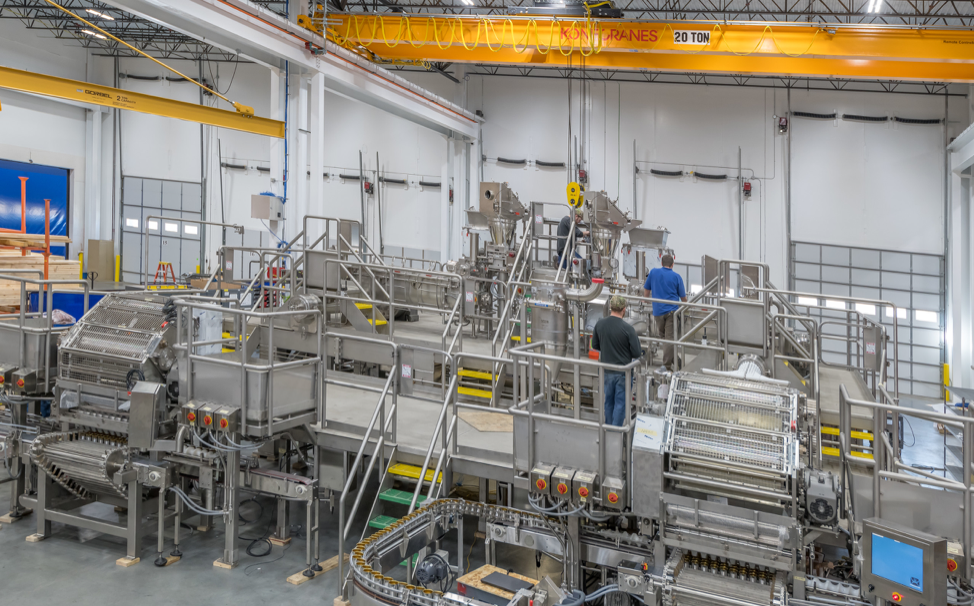
Discover high-performance steel solutions built for durability and precision. At Honyo Prototype, our strong steel products are engineered to meet the rigorous demands of industrial, automotive, and structural applications. Manufactured in our Shenzhen facility with advanced processing and strict quality control, we deliver materials that exceed expectations.
For inquiries or to request a technical datasheet, contact Susan Leo at [email protected]. Let’s build strength together.
🚀 Rapid Prototyping Estimator
Estimate rough cost index based on volume.