
Contents
Manufacturing Insight: Steel Meshing
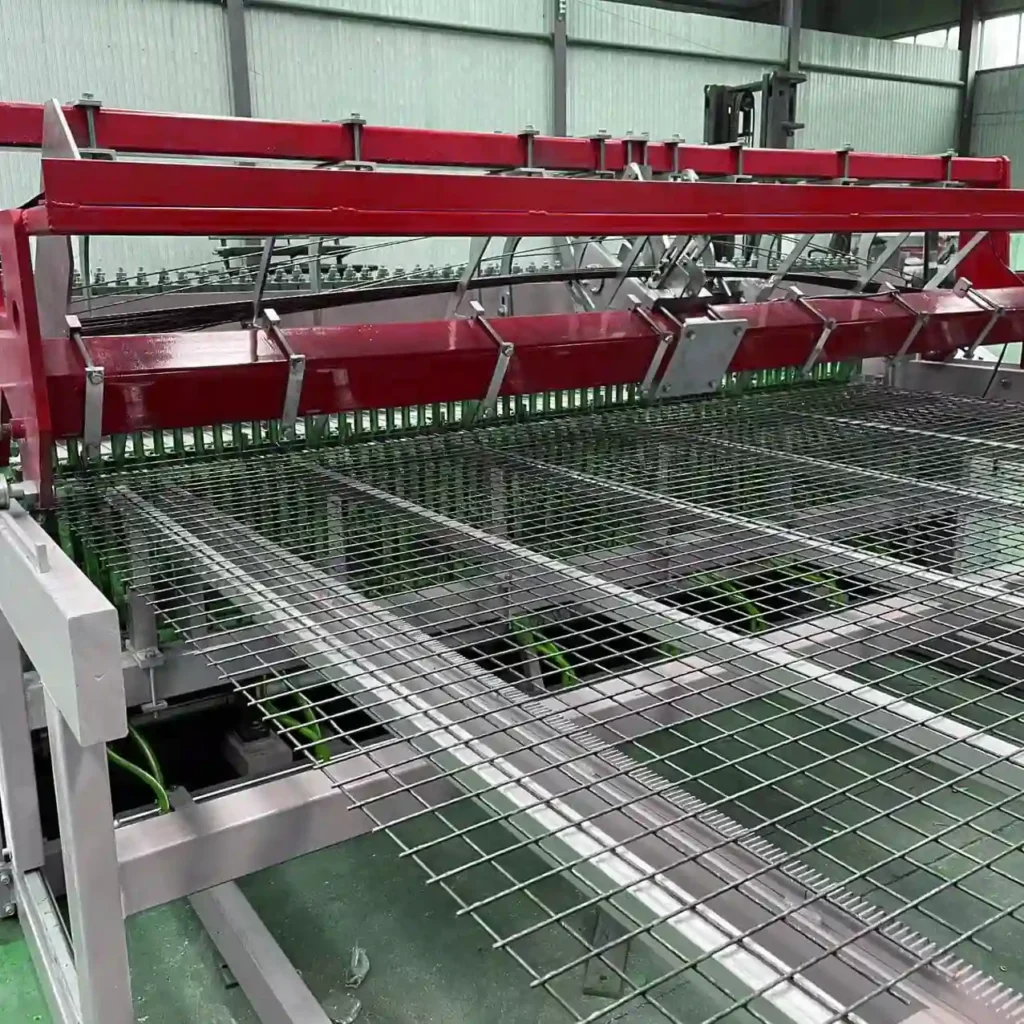
Precision Steel Mesh Fabrication Through Advanced CNC Machining
For industrial applications demanding exacting steel mesh components—from filtration systems and architectural elements to structural reinforcements—Honyo Prototype delivers unparalleled precision and repeatability. Our CNC machining services transform raw steel stock into complex mesh geometries with tolerances as tight as ±0.005 mm, ensuring consistent aperture dimensions, edge integrity, and material performance. Leveraging multi-axis milling, wire EDM, and laser cutting technologies, we accommodate diverse alloys including 304/316 stainless steel, carbon steel, and tool steels, while maintaining rigorous adherence to ASTM and ISO standards. This capability eliminates the variability inherent in traditional stamping or weaving methods, providing clients with mesh solutions optimized for load distribution, corrosion resistance, and long-term durability.
Beyond technical excellence, Honyo streamlines procurement through our Online Instant Quote platform. Engineers and procurement teams can upload CAD files (STEP, IGES, DWG), specify materials, quantities, and finish requirements, and receive a detailed cost and lead-time estimate within minutes—no manual intervention required. This transparency accelerates prototyping and production cycles, allowing your team to iterate designs confidently while maintaining budgetary control. Partner with Honyo to convert demanding steel mesh specifications into high-integrity components, backed by engineering expertise and digital efficiency from quote to delivery.
Technical Capabilities
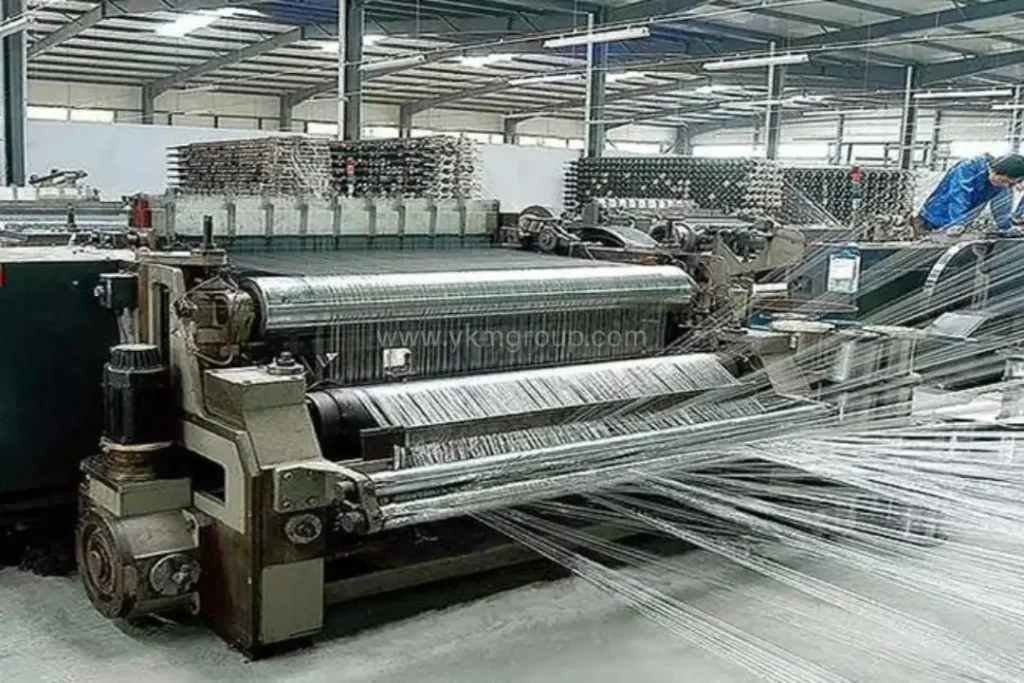
The term “steel meshing” does not refer to a standard manufacturing process in the context of CNC machining. It is likely a misinterpretation or miscommunication—possibly referring to the machining of steel (or other materials) using precision milling and turning techniques, particularly in applications requiring tight tolerances and complex geometries via 3, 4, or 5-axis CNC systems. In this context, the technical specifications relate to the machining capabilities and material performance during high-precision CNC operations.
Below is a detailed technical overview of CNC machining capabilities for materials commonly processed at Honyo Prototype, including Aluminum, Steel, ABS, and Nylon, with emphasis on 3/4/5-axis milling, turning, and tight tolerance machining.
| Parameter | 3-Axis Milling | 4-Axis Milling | 5-Axis Milling | CNC Turning | Tight Tolerance Capability |
|---|---|---|---|---|---|
| Primary Motion Axes | X, Y, Z | X, Y, Z + Rotary (A-axis) | X, Y, Z + Two Rotary (e.g., A & B) | X, Z (rotating workpiece) | N/A |
| Typical Use Case | Flat surfaces, prismatic parts | Indexed angular features, slots | Complex contours, organic shapes | Cylindrical parts, threads, grooves | Critical dimensions, mating components |
| Material – Aluminum | Excellent chip flow, high MRR | Suitable for multi-sided setups | Ideal for aerospace & mold components | High-speed turning, fine surface finish | ±0.005 mm to ±0.01 mm achievable |
| Material – Steel (e.g., 4140, 1018) | Moderate MRR, requires robust tooling | Good for fixtures and housings | Used in high-strength, complex parts | Hard turning with carbide tools | ±0.01 mm with proper thermal control |
| Material – ABS | Low melting point, requires sharp tools | Suitable for prototypes | Ideal for lightweight enclosures | Limited use; better for milling | ±0.05 mm (due to thermal expansion) |
| Material – Nylon | Gummy material, needs clearance angles | Good for wear-resistant components | Complex gear or bearing geometries | Used for bushings, rollers | ±0.03 mm (humidity and creep sensitive) |
| Tolerance Range (General) | ±0.05 mm | ±0.03 mm | ±0.01 to ±0.02 mm | ±0.01 mm (diameter) | Down to ±0.005 mm with inspection protocol |
| Surface Finish (Typical) | 1.6 – 3.2 µm Ra | 1.6 – 3.2 µm Ra | 0.8 – 1.6 µm Ra | 0.8 – 1.6 µm Ra (turning) | Polishing or grinding may achieve <0.4 µm Ra |
| Tooling Requirements | Carbide end mills, HSS for prototyping | Additional rotary indexing table | High-precision RTCP-enabled controllers | CBN or carbide inserts | High-stability setups, thermal compensation |
| Coolant Use | Flood or mist for metals | Required for steel and continuous runs | High-pressure for deep cavities | Flood for steel, air for plastics | Critical for maintaining dimensional stability |
Notes on Tight Tolerance Machining:
Achieving tight tolerances requires environmental control, pre-programmed tool compensation, and in-process inspection (e.g., touch probes).
Materials like Aluminum and Steel respond well to precision machining, while ABS and Nylon require allowances for thermal and hygroscopic expansion.
5-axis systems reduce setup steps and improve repeatability, critical for complex parts requiring ±0.01 mm accuracy.
At Honyo Prototype, we apply these specifications across client projects involving aerospace, medical, and industrial components, ensuring compliance with GD&T standards and first-article inspection (FAI) reporting.
From CAD to Part: The Process
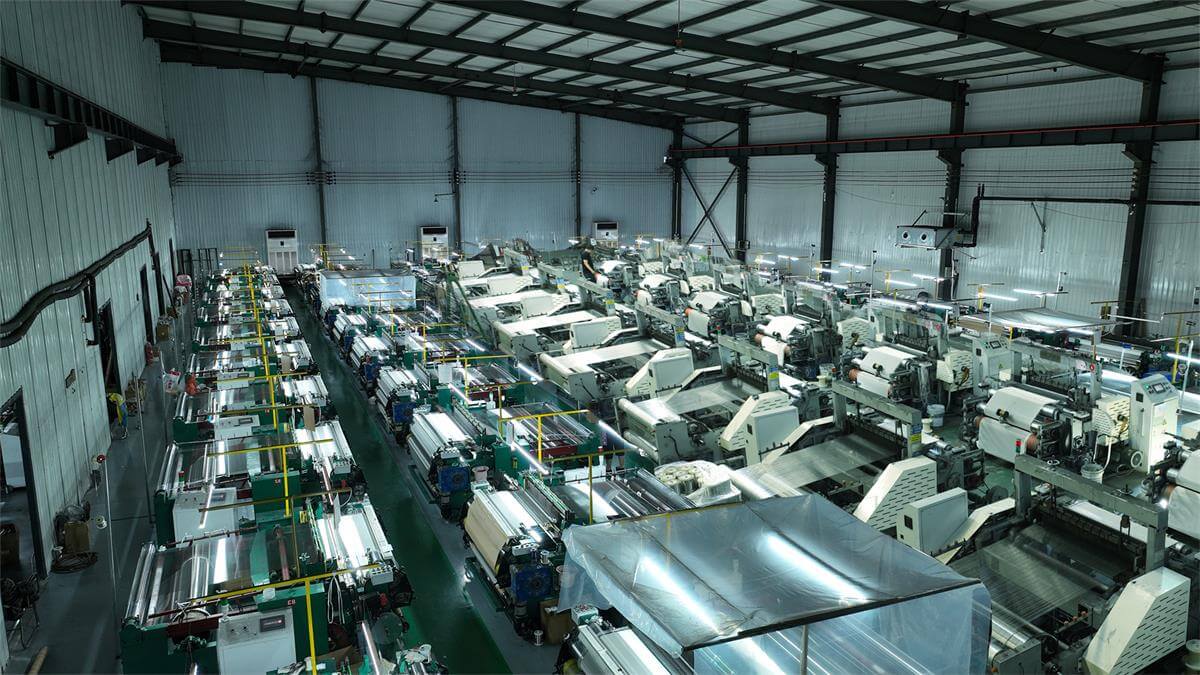
Honyo Prototype utilizes a rigorously defined workflow for steel mesh fabrication projects, specifically addressing laser or waterjet cut mesh components from flat sheet stock. This structured process ensures accuracy, manufacturability, and on-time delivery for industrial clients. The term “steel meshing” here refers to the physical production of perforated or expanded steel mesh sheets or custom mesh patterns, not CAD surface meshing.
CAD Upload and Initial Processing
Clients initiate the process by uploading their native or neutral format CAD file (STEP, IGES, DXF, DWG preferred) via our secure customer portal. Our system performs an immediate automated validation check for file integrity, unit consistency, and basic geometric completeness. This step confirms the file is suitable for downstream processing and identifies any fundamental errors requiring client clarification before proceeding, preventing delays in the quotation phase.
AI-Powered Quotation Generation
Validated CAD files are processed through Honyo’s proprietary AI quotation engine. This system analyzes geometric complexity, sheet dimensions, material type and thickness (e.g., 304 stainless steel, 2mm thick), cut path length, required tolerances (typically ±0.1mm for critical features), and mesh pattern density. It cross-references real-time data on material costs, machine utilization rates, and labor factors to generate a detailed, binding quote within two business hours. The quote explicitly itemizes material cost, processing time, finishing requirements, and applicable setup fees, providing transparent cost drivers for the client’s evaluation.
Engineer-Led Design for Manufacturability (DFM) Analysis
Upon quote acceptance and official purchase order placement, Honyo’s senior manufacturing engineering team conducts a comprehensive DFM review. This is not an automated step but a critical human-led assessment focusing on the unique challenges of mesh production. Key aspects examined include:
| DFM Focus Area | Potential Issue Identified | Honyo’s Resolution Action |
|---|---|---|
| Nesting Efficiency | Suboptimal sheet utilization due to part geometry | Redesign part orientation or suggest minor geometry tweaks to maximize yield |
| Kerf Compensation | Mesh feature size drift due to laser/waterjet kerf | Apply precise kerf offset adjustments to CAD geometry |
| Tab and Bridge Design | Risk of part detachment or distortion during cut | Specify optimal tab size, quantity, and placement for secure retention |
| Tolerance Feasibility | Unrealistic tolerances on intricate mesh features | Propose achievable tolerances or suggest design modifications |
The engineer issues a formal DFM report detailing all findings, recommended actions, and any required client design modifications. Client approval of the DFM report is mandatory before production commencement, ensuring alignment and preventing costly rework.
Controlled Production Execution
Approved designs move to our dedicated sheet metal fabrication floor. Material is cut from certified stock with full material test reports (MTRs) traceable to the mill certificate. Laser or waterjet cutting is performed on calibrated machines (e.g., 4kW fiber laser, 60k PSI waterjet) under strict environmental controls. In-process inspections verify critical dimensions, edge quality, and mesh pattern consistency against the DFM-approved geometry at defined checkpoints. Secondary operations like deburring, cleaning, and optional finishes (e.g., passivation for stainless) are performed as specified, with all steps documented per ISO 9001 procedures.
Quality-Assured Delivery
Final inspection occurs against the original CAD model and client specifications using calibrated CMMs or optical comparators for critical features. A comprehensive inspection report, including material certification and process documentation, is generated. Parts are carefully packaged to prevent mesh deformation during transit, labeled with unique job traceability codes, and shipped via the client’s preferred carrier with real-time tracking. Honyo guarantees on-time delivery as stipulated in the original quote, with the complete quality package shipped concurrently with the physical parts.
Start Your Project
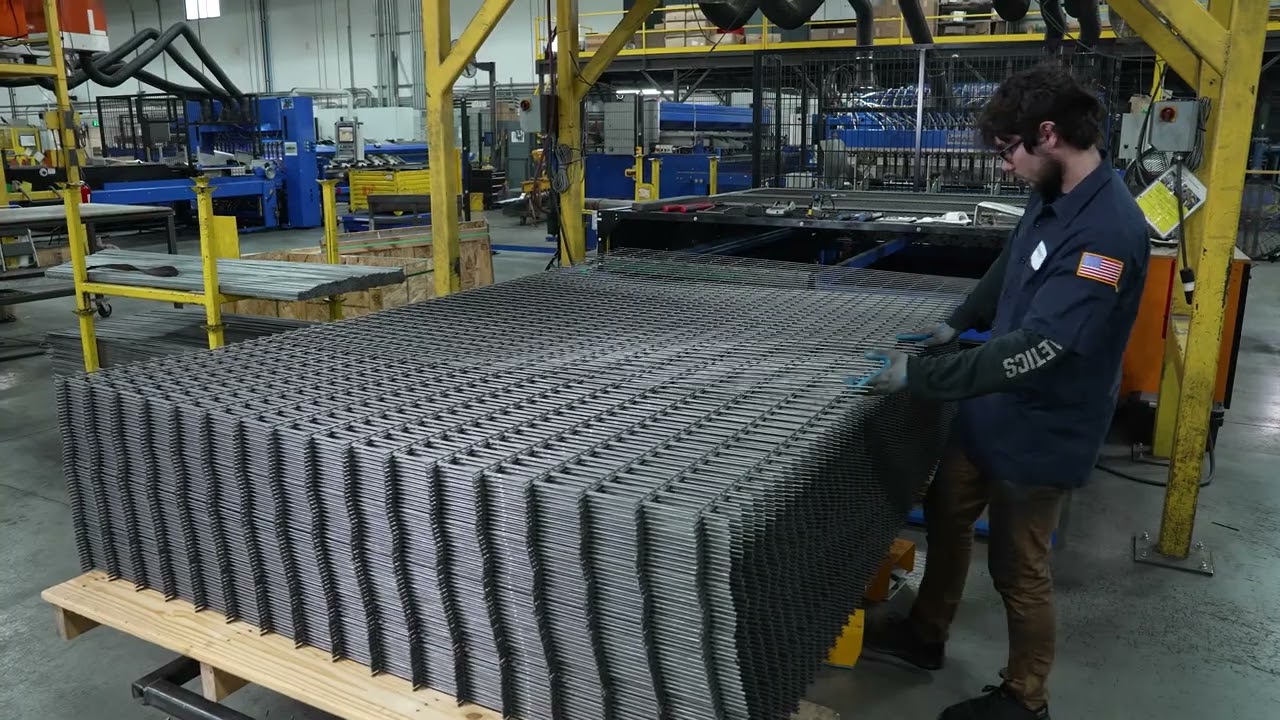
Looking for high-quality steel meshing solutions? Contact Susan Leo today at [email protected] to discuss your project requirements. With our advanced manufacturing capabilities and dedicated support, Honyo Prototype delivers precision steel meshing products tailored to your specifications. Our factory in Shenzhen ensures fast turnaround and strict quality control for all orders. Reach out now to request a quote or technical consultation.
🚀 Rapid Prototyping Estimator
Estimate rough cost index based on volume.