
Contents
Manufacturing Insight: Steel Melting Temperature
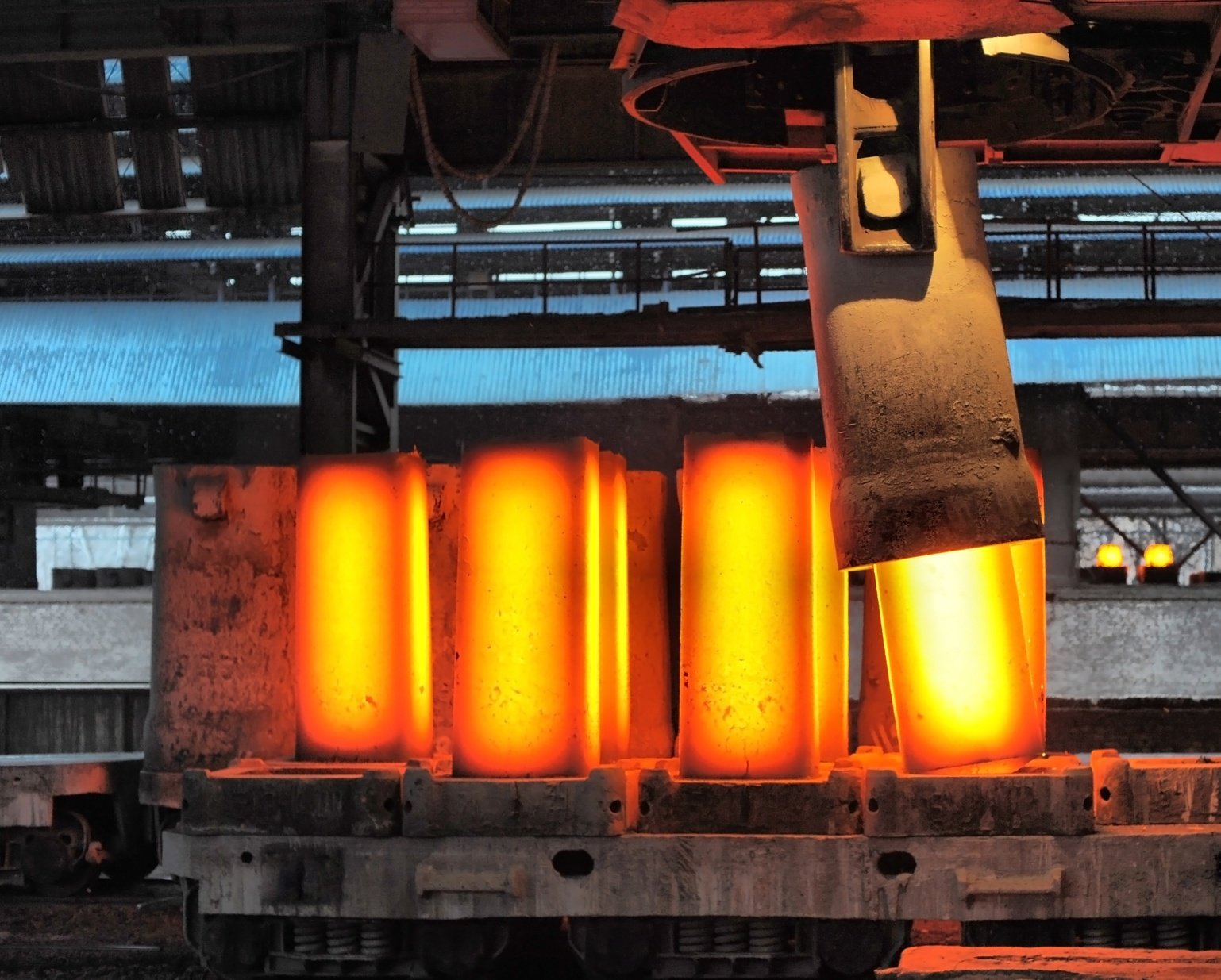
Understanding Steel Melting Temperature in Precision CNC Machining
Steel’s melting temperature range—typically 1370°C to 1510°C depending on alloy composition—defines the critical thermal boundary for manufacturing processes. While CNC machining operates far below this threshold, precise knowledge of a material’s thermal behavior ensures dimensional stability, tool longevity, and surface integrity during high-speed cutting. At Honyo Prototype, our engineering team leverages this metallurgical insight to optimize CNC parameters for steel components, preventing thermal distortion and microstructural compromise even under aggressive machining conditions.
We apply this expertise across our full-spectrum CNC milling, turning, and multi-axis machining services, transforming complex steel designs into high-tolerance prototypes and production parts. To streamline your project initiation, Honyo offers an Online Instant Quote platform where you can upload CAD files, specify materials like 4140, 304SS, or tool steels, and receive detailed cost and lead time estimates within hours—ensuring thermal and mechanical requirements are validated from the first machining pass.
Technical Capabilities
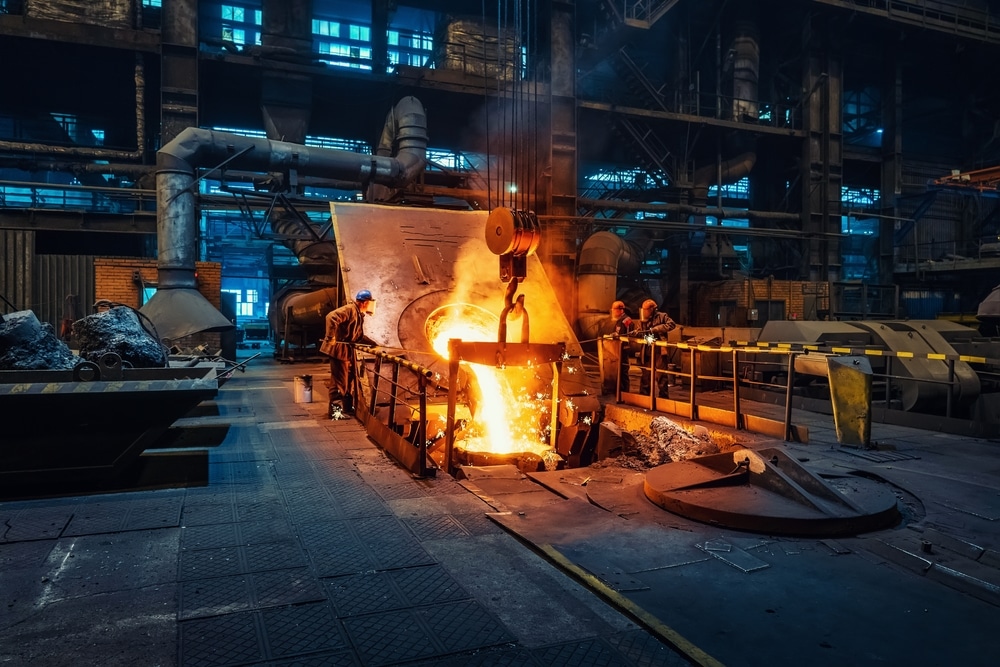
The term “steel melting temperature” refers to the thermal threshold at which solid steel transitions to a liquid state. This property is critical in material selection for machining processes such as 3/4/5-axis milling and turning, particularly when maintaining tight tolerances (±0.0005″ to ±0.005″). High melting temperatures influence thermal stability, tool wear, and dimensional accuracy during precision machining. Materials with higher melting points, like steel, require robust tooling and controlled machining parameters to manage heat buildup and prevent thermal deformation. Conversely, lower-melting-point materials such as aluminum and engineering plastics (ABS, nylon) are easier to machine but require careful heat dissipation to avoid melting or warping at the cutting interface.
Below is a comparison of relevant materials used in precision CNC machining, including their melting temperatures and implications for multi-axis milling, turning, and tight-tolerance applications.
| Material | Melting Temperature (°C) | Melting Temperature (°F) | Machinability in 3/4/5-Axis Milling | Machinability in Turning | Considerations for Tight Tolerance Applications |
|---|---|---|---|---|---|
| Aluminum (e.g., 6061-T6) | 582–652 | 1080–1205 | Excellent; low cutting forces, high feed rates, minimal tool wear | Excellent; smooth finishes, high dimensional stability | Low thermal expansion aids precision; requires secure fixturing to prevent chatter |
| Steel (e.g., 4140, 1045) | 1370–1510 | 2500–2750 | Good to moderate; harder alloys increase tool wear; requires rigid setups | Good; stable under high-speed turning; coolant essential | High thermal mass and strength support tight tolerances; thermal growth must be managed |
| ABS (Acrylonitrile Butadiene Styrene) | 105 (softens) | 221 (softens) | Good; low melting point requires slow speeds and sharp tools | Acceptable; prone to burring; minimal heat generation | Thermal sensitivity limits depth of cut; prone to dimensional drift if overheated |
| Nylon (Polyamide 6/66) | 215–265 (melts) | 420–509 (melts) | Moderate; gummy behavior requires sharp tools and chip control | Moderate; can adhere to tools; low thermal conductivity | Creep and moisture absorption affect long-term dimensional stability; pre-drying recommended |
Note on Process Relevance:
In 3/4/5-axis milling and turning, thermal management is vital—especially when approaching tight tolerances. Materials like steel demand carbide or ceramic tooling and precise coolant application to counteract heat. Aluminum’s low melting point allows aggressive material removal but requires attention to chip evacuation. Plastics such as ABS and nylon are machinable but are limited by low thermal resistance; excessive friction can cause localized melting or deformation, compromising accuracy.
Material selection must balance thermal properties, mechanical stability, and machinability to achieve consistent, high-precision results across complex geometries.
From CAD to Part: The Process
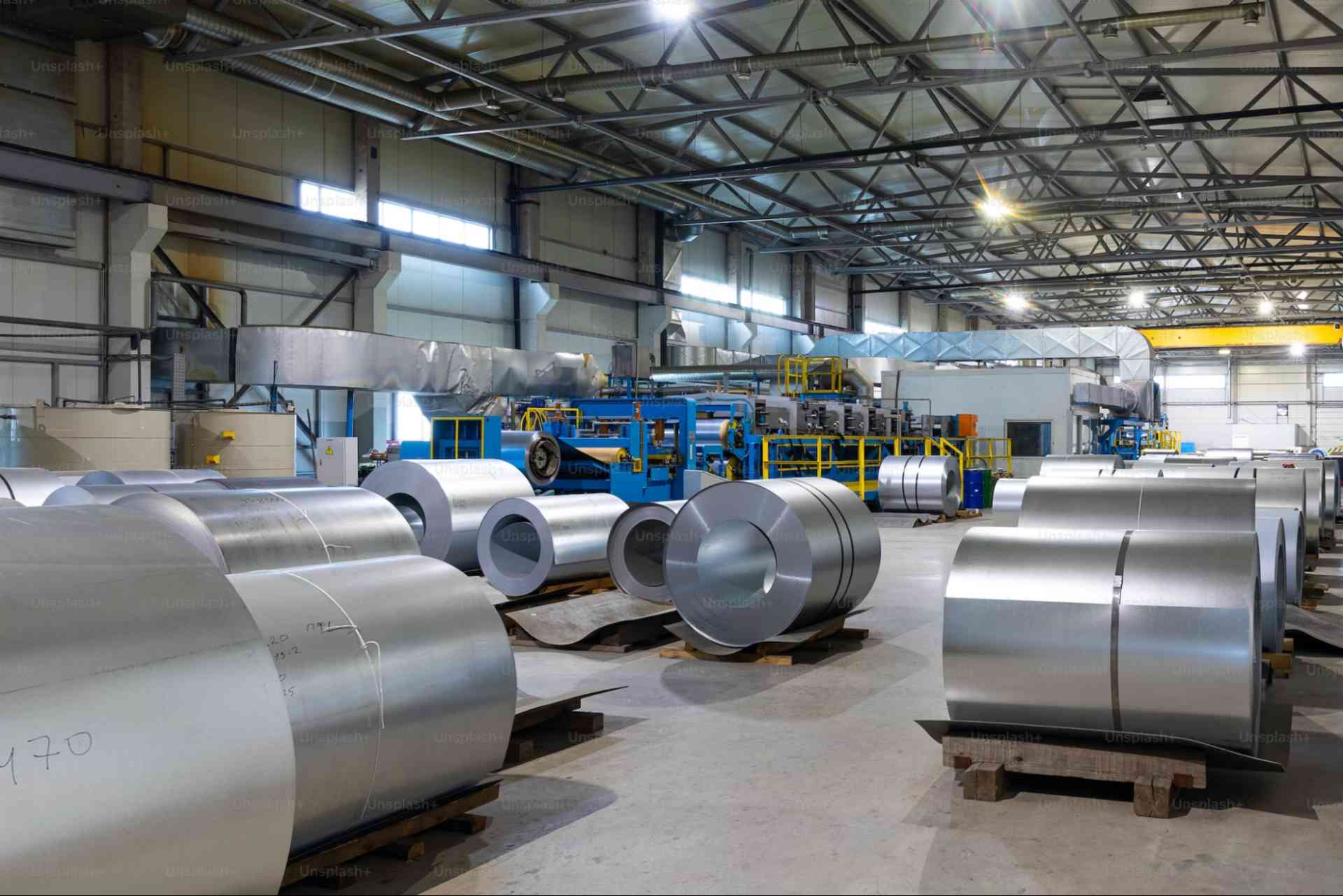
Honyo Prototype integrates precise metallurgical control within our end-to-end manufacturing workflow. The term “steel melting temperature” refers to a critical material parameter managed during production, not a standalone process step. Our workflow ensures this parameter is rigorously controlled as follows:
Upon CAD file upload, our AI quotation system cross-references the specified steel grade against ASTM/ISO standards to determine its theoretical melting range. For example, 304 stainless steel has a melting range of 1400–1450°C, while 4140 alloy steel melts at 1427–1510°C. This data informs initial feasibility assessment and cost modeling.
During DFM analysis, our engineers validate whether the design accommodates thermal requirements. We check wall thickness uniformity, gating systems, and riser placement to prevent solidification defects. Crucially, we confirm the requested steel grade’s melting characteristics align with our furnace capabilities and the part geometry. If a customer specifies an incompatible grade (e.g., requesting high-melting-point tool steel for a thin-walled casting), we propose alternatives with documented melting ranges.
In production, temperature control is executed through our certified induction melting process. Key operational parameters include:
| Parameter | Control Method | Tolerance | Verification Point |
|---|---|---|---|
| Charge Temperature | Infrared pyrometers + thermocouples | ±5°C | Pre-pour validation |
| Pouring Temperature | Real-time melt monitoring system | ±10°C | Furnace control logs |
| Superheat Level | Calculated from liquidus temperature | Material-specific | DFM-derived specification |
All melting data is recorded in our traceability system, linking each batch to certified mill test reports. For critical applications, we provide thermal profile documentation showing actual melt curves against the steel grade’s specified range. Final delivery includes material test reports (MTRs) confirming chemical composition and mechanical properties, with melting temperature implicitly validated through microstructure analysis and hardness testing.
This systematic approach ensures metallurgical integrity while maintaining full process transparency from digital design to physical delivery. Temperature parameters are never treated as isolated data points but as integrated variables within our quality-controlled production ecosystem.
Start Your Project
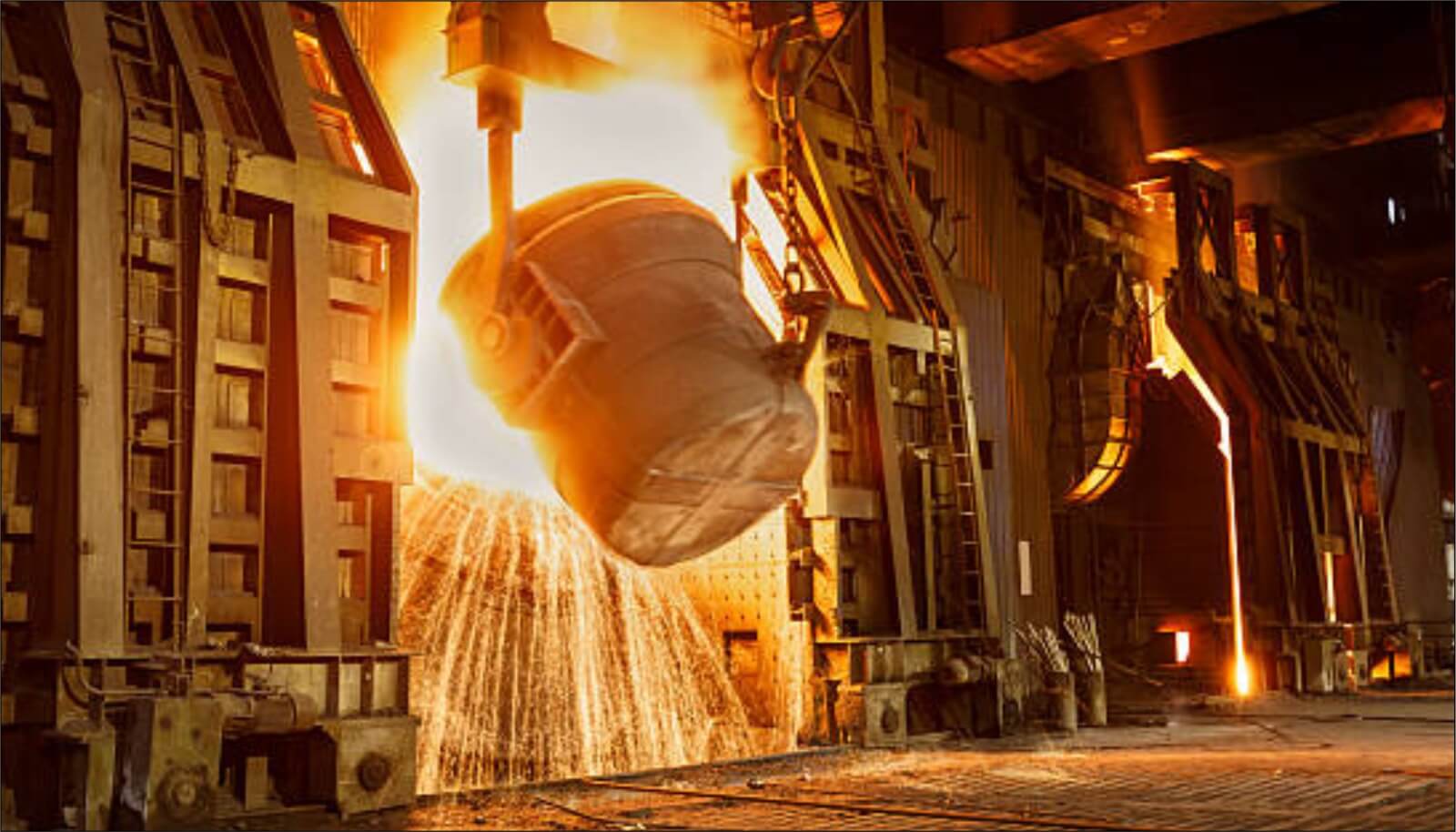
For precise steel melting temperature data and custom prototyping solutions, contact Susan Leo directly at [email protected].
Honyo Prototype operates a fully equipped manufacturing facility in Shenzhen, enabling rapid turnaround for high-temperature material applications and precision metal components.
Our engineering team provides technical support for material selection, thermal processing, and production scalability. Reach out to discuss your project requirements and ensure optimal performance under extreme thermal conditions.
🚀 Rapid Prototyping Estimator
Estimate rough cost index based on volume.