
Contents
Manufacturing Insight: Steel Heat Resistance
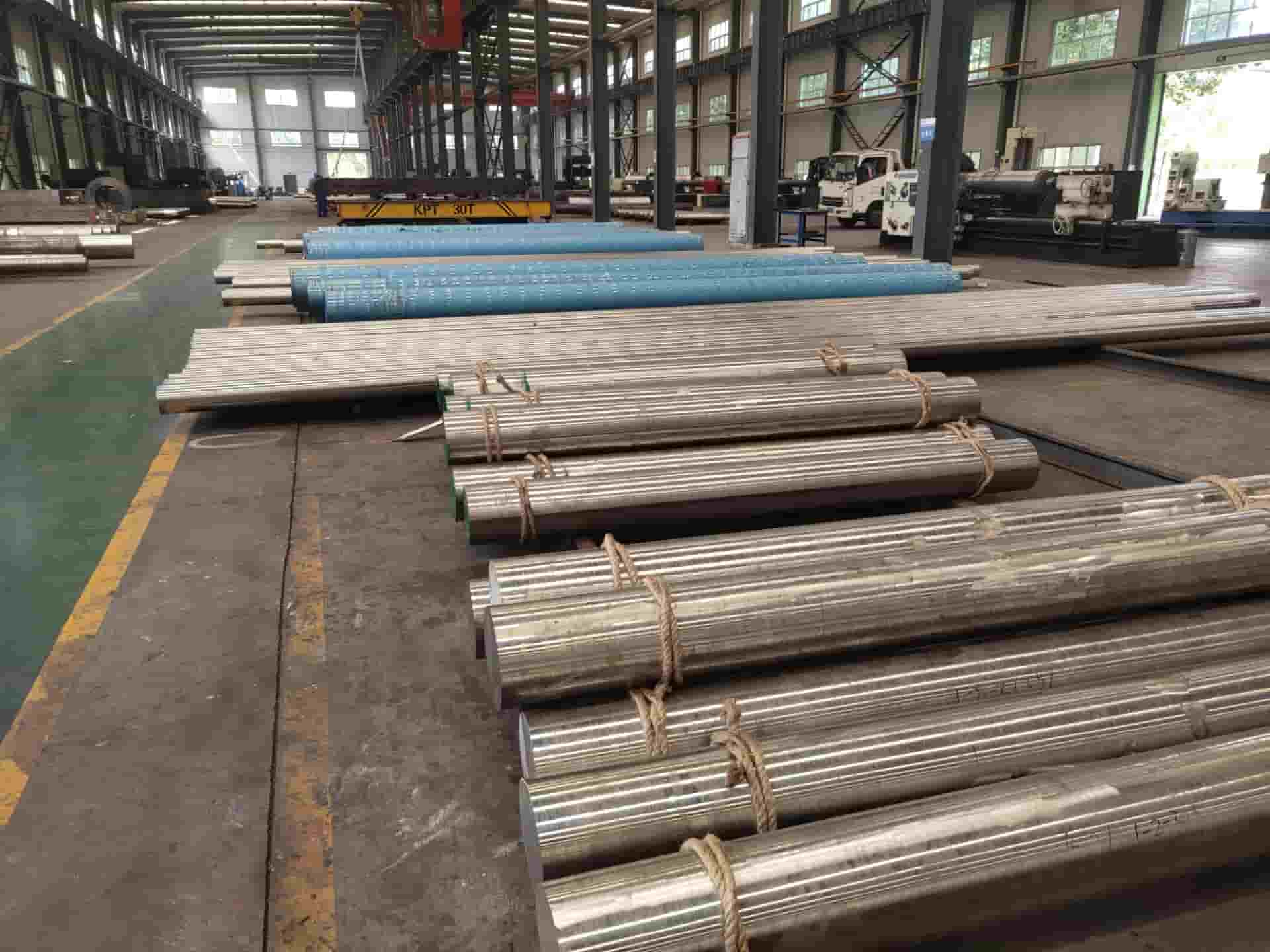
Steel Heat Resistance: Precision Engineering for Demanding Thermal Environments
Understanding the thermal behavior of steel is critical for components operating in high-temperature applications, from aerospace turbine assemblies to industrial tooling and energy infrastructure. While base steel alloys inherently offer structural integrity, their heat resistance is significantly enhanced through precise material selection, controlled heat treatment, and exacting dimensional stability achieved during manufacturing. At Honyo Prototype, we specialize in transforming heat-resistant steel grades—including 4140, 17-4PH, and custom tool steels—into mission-critical components where thermal cycling, oxidation resistance, and creep performance directly impact operational safety and longevity.
Our CNC machining expertise ensures that every part meets stringent thermal performance requirements through tight-tolerance fabrication and optimized surface finishes. Advanced 5-axis milling and turning capabilities maintain geometric accuracy under thermal stress, preventing distortion in critical features such as cooling channels, sealing surfaces, and load-bearing interfaces. We implement rigorous in-process inspection protocols using calibrated CMMs and thermal simulation data to validate that machined components will perform reliably in environments exceeding 600°C. This precision eliminates field failures caused by microstructural inconsistencies or dimensional drift during thermal expansion.
For engineering teams accelerating thermal management projects, Honyo Prototype delivers rapid turnaround without compromising quality. Leverage our Online Instant Quote system to receive manufacturability feedback and competitive pricing within hours—enabling faster iteration for heat-resistant steel prototypes and low-volume production runs. Submit your CAD file today to validate thermal design feasibility with a partner engineered for extreme conditions.
Technical Capabilities
Heat resistance in the context of machining refers to a material’s ability to maintain structural integrity and mechanical properties at elevated temperatures generated during high-speed cutting operations such as 3-axis, 4-axis, and 5-axis milling and turning. This property directly influences tool life, dimensional stability, and the ability to hold tight tolerances (typically ±0.0005” or better). Materials vary significantly in thermal conductivity, specific heat, and melting point, all of which affect heat dissipation and buildup during machining.
For precision CNC operations involving tight tolerances, heat resistance impacts thermal expansion—excessive heat can cause workpiece and tool deformation, leading to out-of-tolerance parts. High heat resistance in tooling materials (e.g., carbide or ceramic inserts) is critical when machining high-melting-point substrates like steel. Conversely, low-melting-point materials such as ABS require careful thermal management to prevent melting or warping.
Below is a comparison of common machinable materials used in precision 3/4/5-axis milling and turning, highlighting their thermal and mechanical properties relevant to heat resistance and tight-tolerance machining.
| Material | Melting / Glass Transition Temp (°C) | Thermal Conductivity (W/m·K) | Coefficient of Thermal Expansion (µm/m·°C) | Machinability Notes for High-Speed Milling & Turning |
|---|---|---|---|---|
| Aluminum (e.g., 6061-T6) | 580–650 | 167–200 | 23.6 | High thermal conductivity dissipates heat quickly, reducing tool wear. Minimal thermal deformation enables tight tolerances. Ideal for high-speed 5-axis milling. |
| Steel (e.g., 4140, 17-4 PH) | ~1370–1530 | 35–50 | 10.8–12.3 | Low thermal conductivity causes heat concentration at the cutting edge. Requires coolant and carbide tools. High heat resistance needed in tools to maintain tolerance in prolonged operations. |
| ABS (Acrylonitrile Butadiene Styrene) | 105 (Tg) | 0.19 | 70–120 | Very low heat resistance; softens at low temperatures. Requires low cutting speeds and sharp tools to minimize friction heat. Risk of melting or burring in high-RPM 4-axis turning. |
| Nylon (e.g., PA6, PA66) | 215–265 (Tm) | 0.25 | 80–120 | Moderate melting point but high thermal expansion. Sensitive to heat buildup; needs optimized feeds/speeds. Clamping and tool paths must account for post-machining shrinkage or warping. |
Notes on Axis Complexity and Tolerance:
In 5-axis milling, complex geometries increase tool engagement time, raising heat exposure. Materials like steel require tool-path strategies (e.g., trochoidal milling) to manage thermal load.
Turning operations on steel demand high heat-resistant inserts (e.g., CVD-coated carbide) to sustain edge integrity.
Tight-tolerance machining across all materials benefits from thermal stabilization of the machine environment and in-process metrology to compensate for thermal drift.
Selecting appropriate tooling, coolant methods (flood, mist, or cryogenic), and machining parameters is essential to mitigate heat-related issues and ensure precision across all materials.
From CAD to Part: The Process
Honyo Prototype does not offer a standalone process called “steel heat resistance” as this terminology conflates material properties with manufacturing services. Steel inherently possesses thermal characteristics based on its alloy composition and heat treatment, but “heat resistance” is not a discrete manufacturing step. Instead, we provide precision manufacturing services for steel components requiring specific thermal performance, which may involve heat treatment processes such as through-hardening, case-hardening, or stress-relieving to achieve desired mechanical properties. Our workflow integrates metallurgical expertise at critical stages to ensure components meet thermal and mechanical requirements. Below is how thermal performance considerations are addressed within our standard workflow:
Upon CAD upload, our system identifies material specifications and geometric features that may impact thermal behavior. If the design specifies steel grades like 4140, 17-4PH, or tool steels, or includes features prone to thermal distortion (e.g., thin walls, complex geometries), this triggers specialized review parameters for subsequent stages. Material selection is validated against the application’s thermal demands during this phase.
The AI quoting engine cross-references the CAD geometry and material specifications against our thermal processing database. For components requiring heat treatment, the system auto-flags parameters such as hardening temperature ranges, quenching media requirements, and distortion compensation factors. Quotes explicitly include heat treatment costs, lead time impacts, and compliance notes for standards like ASTM A890 or AMS 2750 where applicable.
During DFM analysis, our engineers conduct thermal-specific evaluations. Critical checks include: verifying section thickness uniformity to prevent uneven cooling during quenching, assessing risk of warpage in asymmetric designs, confirming minimum radii for stress concentration in high-temperature applications, and validating tempering temperature compatibility with required hardness (e.g., HRC 50-55 for wear resistance). Recommendations may include modifying fillet radii, adding stress-relief holes, or suggesting alternative alloys like H13 tool steel for die applications exceeding 600°F.
Production executes heat treatment under strict process controls. Components undergo documented cycles in NADCAP-accredited furnaces with continuous temperature monitoring (±5°F accuracy). Key parameters tracked include: soak time per inch of thickness, quench rate verification, and double-tempering protocols for dimensional stability. Post-treatment, hardness validation via Rockwell C testing at multiple points ensures compliance with specified ranges. All thermal processing data is recorded per AS9100 requirements.
Delivery includes comprehensive certification packages. For heat-treated parts, this comprises material traceability reports, full heat treat process logs with time-temperature curves, hardness test results mapped to critical surfaces, and dimensional verification reports showing pre- and post-heat treatment measurements. Certificates of Conformance explicitly reference applicable standards such as AMS 2759/3 for carburizing or ASTM A388 for ultrasonic testing if required.
This integrated approach ensures steel components achieve necessary thermal performance characteristics through controlled metallurgical processes rather than a generic “heat resistance” service. All thermal-related manufacturing decisions are traceable from initial CAD review through final inspection, providing clients with validated performance data for mission-critical applications.
Start Your Project
For superior steel heat resistance solutions, contact Susan Leo at [email protected]. Our advanced manufacturing capabilities are backed by a state-of-the-art factory in Shenzhen, ensuring high-performance materials tailored to your industrial requirements. Trust Honyo Prototype for precision-engineered steel components with exceptional thermal stability.
🚀 Rapid Prototyping Estimator
Estimate rough cost index based on volume.