
Contents
Manufacturing Insight: Starting A Cnc Business
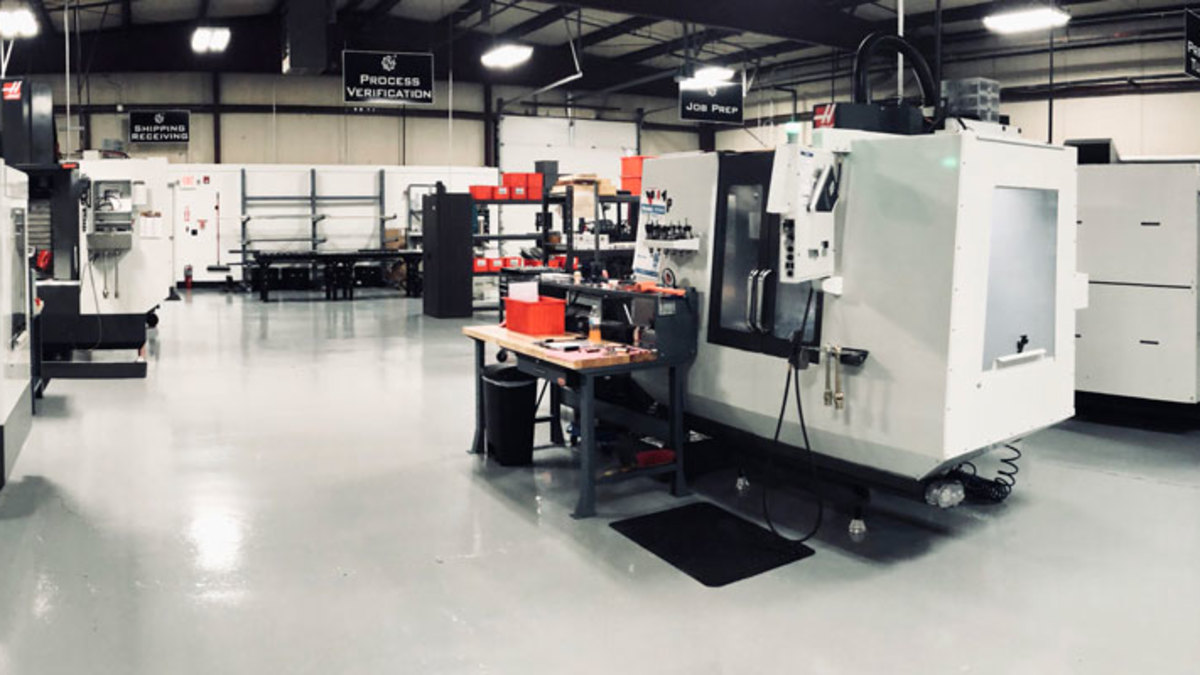
Navigating CNC Business Startup: Leverage Established Precision Manufacturing Expertise
Establishing a new CNC machining business presents significant hurdles, including substantial capital expenditure for multi-axis CNC equipment, the challenge of recruiting skilled machinists and programmers, and the operational overhead of maintaining quality systems and certifications. For entrepreneurs and innovators seeking to bring precision parts to market without these burdens, partnering with an established contract manufacturer offers a strategic advantage. Honyo Prototype provides comprehensive CNC machining services specifically designed to de-risk product development and low-to-mid volume production for startups and established businesses alike.
Our core competency lies in delivering high-precision, repeatable components across diverse materials including aerospace alloys, medical-grade plastics, and engineering composites. We operate a modern facility featuring 3-axis, 4-axis, and 5-axis CNC milling centers alongside precision turning capabilities, all supported by rigorous in-process and final inspection protocols meeting ISO 9001 standards. This infrastructure eliminates the need for new ventures to invest heavily in capital equipment or technical staffing during their critical early phases.
A critical differentiator for accelerating your project timeline is Honyo Prototype’s Online Instant Quote system. This technical platform allows engineering teams to upload CAD files directly to our portal and receive a detailed, actionable manufacturing quotation within hours – not days. The system automatically analyzes geometric complexity, material requirements, tolerances, and finish specifications to provide transparent pricing and lead time estimates, significantly reducing the traditional RFQ bottleneck. This immediacy enables faster design iteration, accurate budget forecasting, and accelerated path-to-prototype.
Partnering with Honyo Prototype transforms CNC manufacturing from a capital-intensive startup challenge into a scalable operational asset. Utilize our Online Instant Quote today to gain immediate insight into the manufacturability and cost structure of your next precision component project.
Technical Capabilities
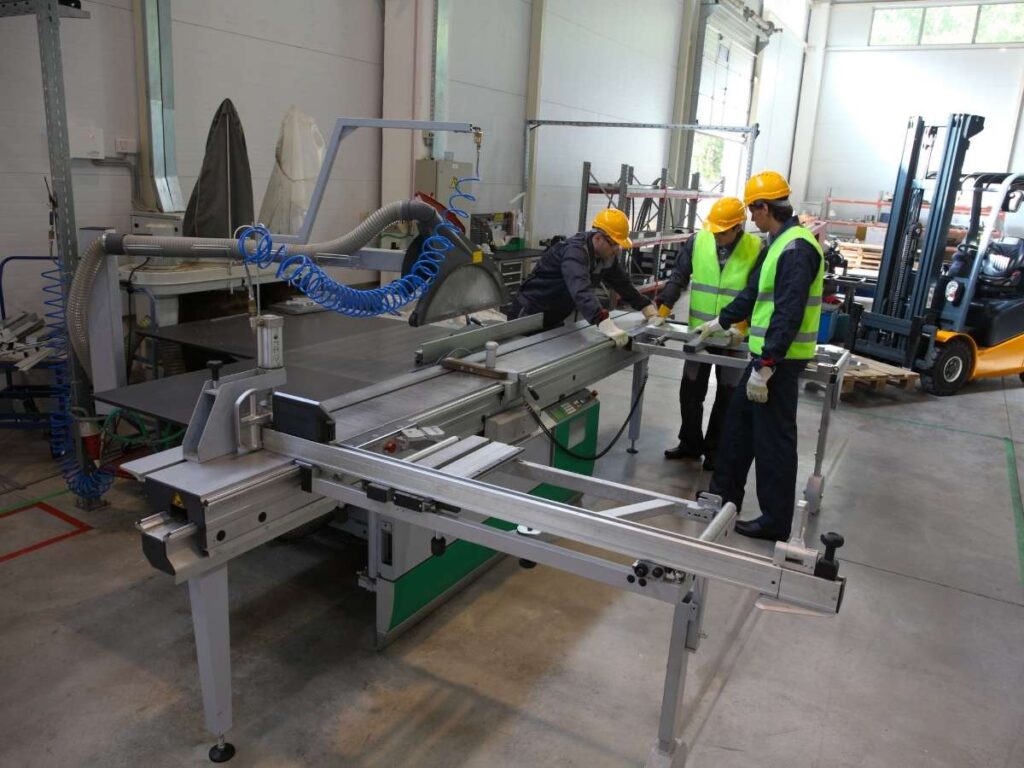
Technical Specifications for Starting a CNC Business Focused on 3/4/5-Axis Milling, Turning, and Tight Tolerance Machining
To establish a competitive CNC machining business specializing in precision components using 3-axis, 4-axis, and 5-axis milling along with turning capabilities, a strong foundation in equipment, tooling, software, and material expertise is essential. The business must be equipped to handle tight tolerances (±0.0005″ or ±0.0127 mm) across a range of engineering materials including aluminum, steel, ABS, and nylon. Below is a detailed table outlining key technical specifications.
| Category | Specification | Details |
|---|---|---|
| Machining Capabilities | 3-Axis Milling | Standard for prismatic parts; ideal for flat or 2.5D geometries in aluminum, steel, and plastics. |
| 4-Axis Milling | Adds rotary indexing (A-axis); enables machining around the part without manual repositioning. Useful for features on cylindrical surfaces. | |
| 5-Axis Milling | Full simultaneous motion on X, Y, Z, and two rotary axes (e.g., A and B); enables complex organic shapes, aerospace components, and high-precision molds. | |
| CNC Turning | Live tooling lathes for mill-turn operations; capable of producing complex turned parts with off-axis features. Suitable for shafts, fittings, and housings. | |
| Tolerance Capability | Standard Tolerance | ±0.001″ (±0.0254 mm) achievable on most parts with standard processes. |
| Tight Tolerance | ±0.0005″ (±0.0127 mm) with precision tooling, thermal stability, and process control. Requires CMM inspection and statistical process control (SPC). | |
| Surface Finish | Ra 32–16 μin (0.8–0.4 μm) standard; down to Ra 8 μin (0.2 μm) with fine finishing passes and polishing. | |
| Materials Processed | Aluminum (e.g., 6061-T6, 7075-T6) | High machinability, excellent strength-to-weight ratio; commonly used in aerospace and automation. Requires high-speed cutting strategies. |
| Steel (e.g., 4140, 1018, 17-4 PH) | Moderate to difficult machinability; requires rigid setups, proper tool coatings (e.g., TiAlN), and coolant. Used in high-stress applications. | |
| ABS | Thermoplastic with good impact resistance; low melting point requires sharp tools and low cutting forces to prevent melting or burring. | |
| Nylon (e.g., PA6, PA66) | Tough engineering plastic; prone to swelling; requires dry machining or minimal coolant; needs precise depth control to avoid deformation. | |
| Equipment Requirements | CNC Machines | Minimum two machines: one 5-axis mill (e.g., DMG MORI, Haas UMC series) and one multi-axis turn-mill center (e.g., Mazak QTN, Doosan PUMA). |
| Tooling | High-precision collet systems (e.g., ISO 20, HSK), carbide end mills, turning inserts with precision grades (e.g., IC908, KC522M), and tool presetters. | |
| Workholding | Modular fixturing (e.g., Kurt, Lang), vacuum chucks for plastics, custom soft jaws, and tombstones for 5-axis palletized production. | |
| Software & Controls | CAM Software | Mastercam, Fusion 360, or Siemens NX for multi-axis toolpath generation, simulation, and collision detection. |
| CNC Control | Fanuc, Siemens Sinumerik, or Heidenhain iTNC 530 for high reliability and advanced 5-axis interpolation. | |
| Quality Control | Coordinate Measuring Machine (CMM), optical comparators, micrometers, bore gauges, and surface roughness testers. | |
| Facility & Environment | Floor Space | Minimum 2,000 sq. ft. for machine layout, tool crib, inspection area, and material storage. |
| Environmental Control | Climate-controlled shop (68–72°F) to minimize thermal expansion; clean air filtration for consistent metrology. | |
| Power & Utilities | 480V 3-phase power, compressed air (minimum 100 psi), and chip management/coolant filtration systems. |
This technical foundation ensures the capability to serve industries such as aerospace, medical, robotics, and industrial automation, where precision, material diversity, and complex geometry are critical.
From CAD to Part: The Process
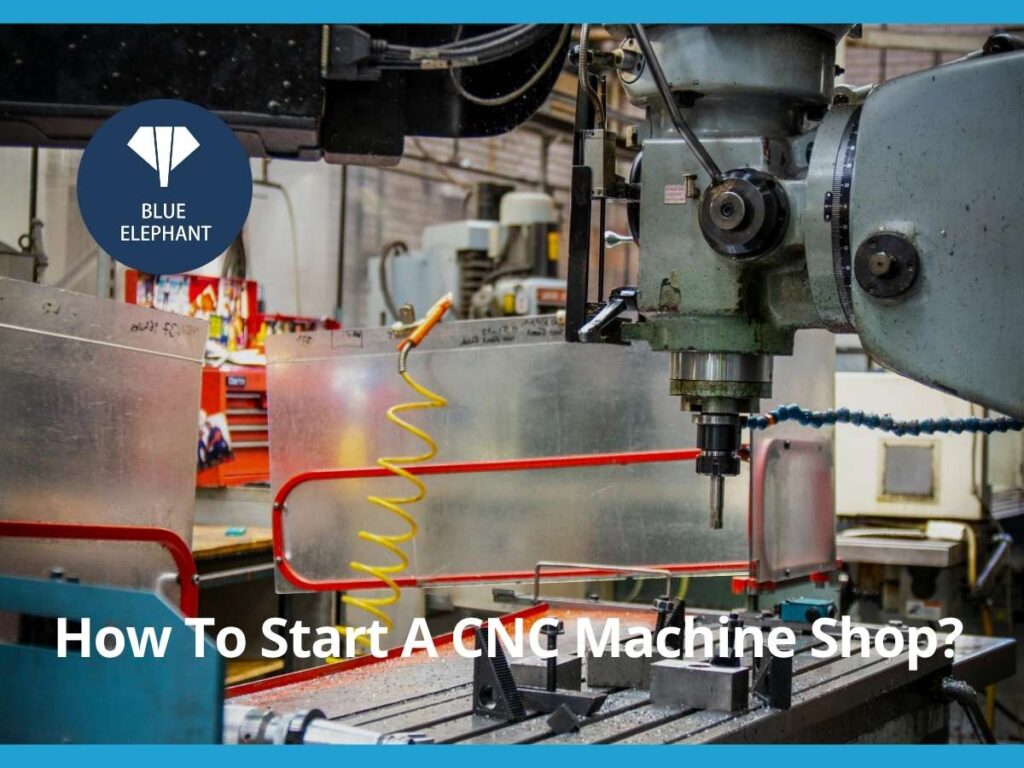
Honyo Prototype CNC Manufacturing Process Overview
Honyo Prototype streamlines CNC machining services through a defined, technology-driven workflow designed for speed, accuracy, and client collaboration. This process eliminates traditional quoting bottlenecks and ensures manufacturability before production begins. Below is the end-to-end sequence:
Upload CAD
Clients initiate the process by uploading native or neutral CAD files (STEP, IGES, Parasolid, SLDPRT, IPT, DWG) via our secure customer portal. The system validates file integrity and extracts critical geometric data, material specifications, and tolerance requirements. All submissions undergo automated security screening to protect intellectual property, with data encrypted in transit and at rest per ISO 27001 standards.
AI-Powered Instant Quote
Within 24 hours, our proprietary AI engine generates a binding quote by analyzing part complexity, material utilization, machine time, and secondary operations. The algorithm cross-references real-time shop floor data—machine availability, tooling costs, and labor rates—to deliver accuracy within 5% of final production cost. Clients receive a detailed breakdown including estimated lead time, material options, and surface finish costs. Unlike manual quoting, this phase requires zero engineering intervention, reducing quotation time from days to hours.
DFM Analysis and Collaboration
Following quote acceptance, our engineering team conducts a formal Design for Manufacturability review. This is not a pass/fail checkpoint but a collaborative optimization phase. Engineers identify potential issues such as non-standard tool access, thin wall risks, or tolerance stacking, then propose actionable alternatives via the portal. Clients receive annotated 3D models highlighting concerns alongside cost/lead time impact assessments for each suggested modification. Typical resolution time is under 48 hours, with iterative feedback loops until design validation is signed off.
Production Execution
Approved designs move to production with full digital traceability. Each job receives a unique identifier synced across our ERP and MES systems. CNC programming uses adaptive toolpaths generated in Mastercam and hyperMILL, with all G-code verified via machine-specific simulation. In-process quality checks occur at critical stages:
First-article inspection using CMM or optical comparators against GD&T callouts
Mid-production dimensional spot checks per AS9102
Final inspection with full FAIR documentation
Material certifications and process parameters are logged in real time, accessible to clients via the portal dashboard.
Delivery and Logistics
Completed orders undergo final packaging per ESD/contamination control requirements. Clients select shipping preferences during quoting (standard, expedited, or air freight), with real-time tracking activated upon dispatch. All deliveries include:
Dimensional inspection reports (PDF and XML)
Material test certificates
Traceability documentation linking lot numbers to machine/tooling data
Packing slip with itemized work order details
Process Timeline and Reliability Metrics
| Phase | Standard Duration | Key Performance Indicator |
|---|---|---|
| CAD Upload to Quote | < 24 hours | 99.2% quote accuracy rate |
| DFM Resolution | ≤ 48 hours | 87% first-pass yield |
| Production | Varies by complexity | On-time delivery: 98.7% |
| Delivery | Configurable | Damage rate: < 0.3% |
Why This Process Matters to Your Business
This integrated workflow reduces time-to-part by 40–60% compared to traditional machine shops while minimizing costly redesigns. The AI quote establishes immediate cost transparency, and the structured DFM phase converts potential production failures into proactive engineering solutions. By digitizing traceability from CAD to delivery, Honyo provides the audit readiness required for aerospace, medical, and automotive sectors—turning prototype and low-volume CNC orders into reliable extensions of your supply chain. Clients retain full design control at every stage without sacrificing speed or quality.
Start Your Project
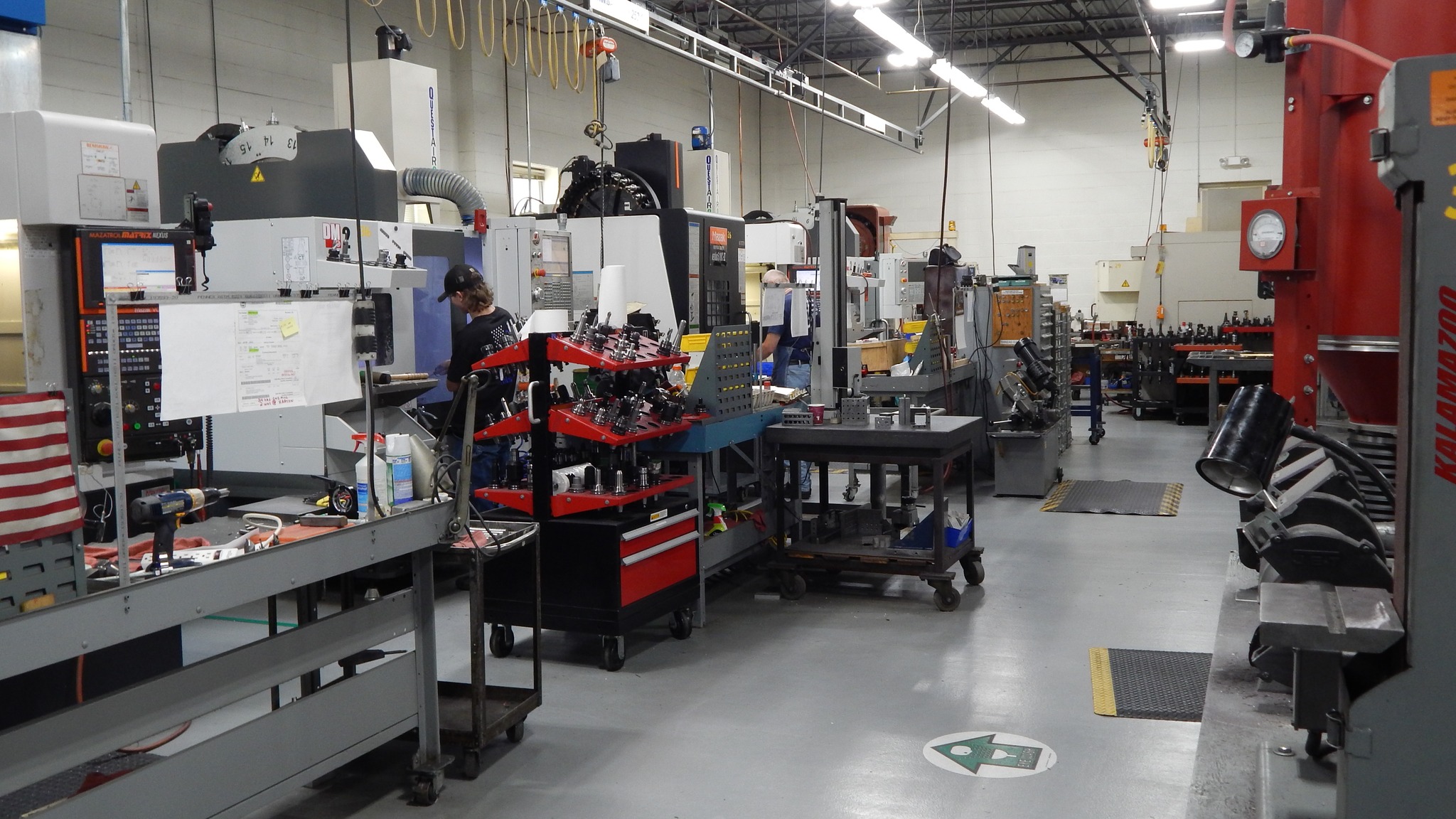
Interested in starting a CNC business? Leverage our expertise and infrastructure to launch your venture successfully. Contact Susan Leo at [email protected] to discuss your goals and explore how our Shenzhen-based factory can support your production needs with precision, scalability, and cost-effective solutions.
🚀 Rapid Prototyping Estimator
Estimate rough cost index based on volume.