
Contents
Manufacturing Insight: Stamped Steel Vs Cast Steel
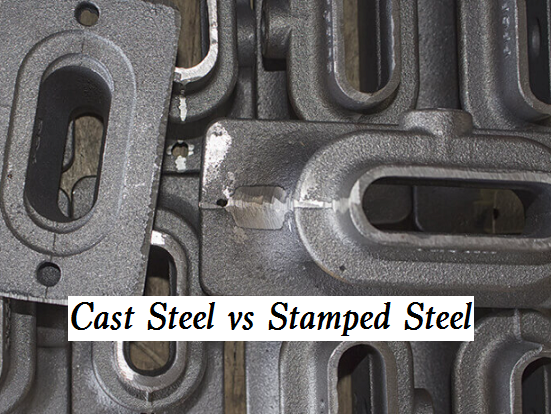
Material Selection Strategy: Stamped Steel Versus Cast Steel for Precision Components
Selecting between stamped steel and cast steel fundamentally impacts part performance, cost, and manufacturability in industrial applications. Stamped steel excels in high-volume production of thin-gauge, geometrically simple components—leveraging progressive dies for rapid forming—but faces limitations in achieving complex 3D geometries, tight tolerances, or integrated features without secondary operations. Cast steel, conversely, enables intricate shapes and internal cavities through mold-based solidification, yet often requires extensive machining to meet critical dimensional specifications and surface finishes, introducing variability in mechanical properties near porosity zones. For prototypes, low-to-mid volume runs, or mission-critical parts demanding micron-level accuracy, neither process alone may suffice when design complexity or performance requirements exceed their inherent constraints.
Honyo Prototype addresses this gap through advanced CNC machining services, transforming both stamped and cast steel near-net shapes into fully precision-engineered components. Our multi-axis milling, turning, and grinding capabilities rectify dimensional deviations, achieve tight tolerances (±0.005 mm), and produce superior surface finishes unattainable through primary forming alone. This integrated approach ensures cast parts eliminate porosity-affected surfaces while stamped components gain structural intricacies—without the tooling costs of re-engineering stamping dies or casting molds. Below is a comparative overview of critical attributes:
| Parameter | Stamped Steel | Cast Steel | CNC-Machined Steel (Honyo) |
|---|---|---|---|
| Tolerance Capability | ±0.1 mm (typical) | ±0.5 mm (as-cast) | ±0.005 mm (achievable) |
| Geometry Complexity | Limited (2.5D profiles) | High (3D freeform) | Unlimited (full 5-axis capability) |
| Secondary Operations | Often required for features | Always required for critical surfaces | Minimized or eliminated |
| Volume Suitability | High-volume (>10k units) | Medium-volume (100–5k units) | Prototyping to 5k units |
When design intent demands uncompromised precision beyond stamping or casting alone, Honyo Prototype delivers engineered solutions through strategic CNC finishing. Our facility combines ISO 9001-certified processes with real-time in-process inspection, ensuring every machined steel component meets stringent aerospace, medical, and industrial OEM specifications. Validate feasibility and accelerate your timeline immediately using Honyo’s Online Instant Quote platform—upload CAD files for automated DFM feedback and competitive pricing within hours, not days.
Technical Capabilities
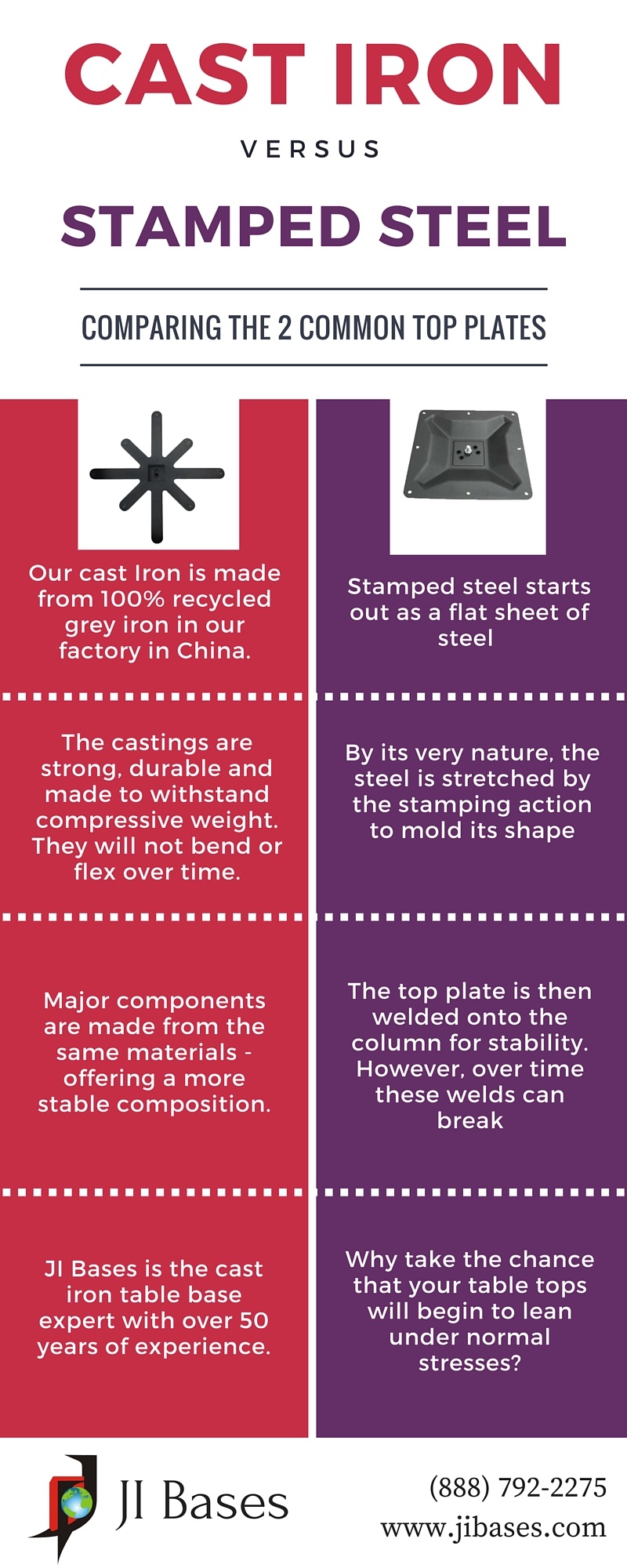
Technical Comparison: Stamped Steel vs Cast Steel in Precision Machining Applications
The following table outlines key technical characteristics when comparing stamped steel and cast steel components in the context of precision manufacturing processes such as 3-axis, 4-axis, and 5-axis milling, turning, and tight tolerance requirements. Materials commonly used in conjunction with or as alternatives to steel—such as aluminum, ABS, and nylon—are also referenced for context.
| Parameter | Stamped Steel | Cast Steel | Notes on Alternative Materials |
|---|---|---|---|
| Material Form | Sheet or coil stock, cold/hot rolled steel | Molten steel poured into molds (sand, die, or investment casting) | Aluminum: commonly extruded or cast. ABS and nylon: typically injection molded or bar stock for machining |
| Typical Alloys Used | Low-carbon steel (e.g., AISI 1008, 1010), HSLA steels | Medium to high-carbon steels (e.g., AISI 1045, 4140), alloy cast steels | Aluminum: 6061-T6, 7075-T6. ABS: commercial grade. Nylon: PA6, PA66 |
| Dimensional Accuracy (as-formed) | ±0.005″ to ±0.010″ typical | ±0.015″ to ±0.030″ typical | Cast steel has higher variation; stampings are more consistent in thin cross-sections |
| Surface Finish (as-formed) | Smooth, consistent (Ra 32–64 μin) | Rough as-cast (Ra 125–250 μin), requires machining | Aluminum castings smoother than steel; ABS/nylon can achieve Ra 32–125 μin as molded |
| Machinability (Post-Form Machining) | Good; but work hardening possible in some grades | Moderate to poor; inhomogeneous microstructure affects tool life | Aluminum: excellent machinability. ABS/nylon: easy to machine but require sharp tools and low heat |
| Suitability for 3/4/5-Axis Milling | Limited due to thin cross-sections; used for secondary features | Excellent for complex 3D contours after casting near-net shape | Aluminum ideal for high-speed, multi-axis milling. ABS/nylon suitable for prototyping and jigs |
| Turning Operations | Rarely applicable (flat or shallow formed parts) | Common for machined features (e.g., bores, shafts) on cast hubs or flanges | Steel and aluminum frequently turned. ABS/nylon turned for precision bushings or insulators |
| Tight Tolerance Capability (±0.001″ or better) | Achievable only on secondary CNC operations, not in stamping | Possible with precision machining after casting; not inherent to casting | Aluminum: routinely held to ±0.0005″ in critical features. ABS/nylon: ±0.002″ typical due to creep and thermal expansion |
| Structural Integrity & Grain Flow | Grain follows forming direction; high strength in plane | Isotropic but may contain porosity or inclusions | Aluminum: good strength-to-weight. ABS/nylon: lower strength, used in non-structural roles |
| Tooling Cost & Lead Time | High for progressive dies; long lead times | High for molds and pattern-making; moderate to long lead times | Aluminum: lower tooling cost for machining. ABS/nylon: high mold cost for injection, low for machining |
| Weight Characteristics | Lightweight due to thin gauges (0.020″–0.250″) | Heavier, suited for high-load applications | Aluminum: ~1/3 the weight of steel. ABS/nylon: ~1/6 to 1/4 the weight of steel |
| Common Applications | Brackets, enclosures, electrical contacts | Housings, gears, heavy-duty mounts, pump bodies | Aluminum: aerospace, automotive. ABS/nylon: consumer goods, wear components |
Summary Notes:
Stamped steel excels in high-volume production of thin, flat, or shallow components with consistent tolerances and good surface finish but is limited in geometric complexity. It is not typically used for parts requiring extensive 3D milling or tight tolerances without secondary CNC machining.
Cast steel is better suited for complex, three-dimensional parts that require subsequent precision milling and turning operations. While as-cast tolerances are looser, modern CNC machining (including 5-axis) can achieve tight tolerances (±0.001″) on critical features.
For applications demanding tight tolerances and complex geometries, aluminum is often preferred over both stamped and cast steel due to its superior machinability, lighter weight, and dimensional stability. ABS and nylon are used where electrical insulation, corrosion resistance, or weight reduction is critical, though they are limited in high-temperature or high-stress environments.
From CAD to Part: The Process
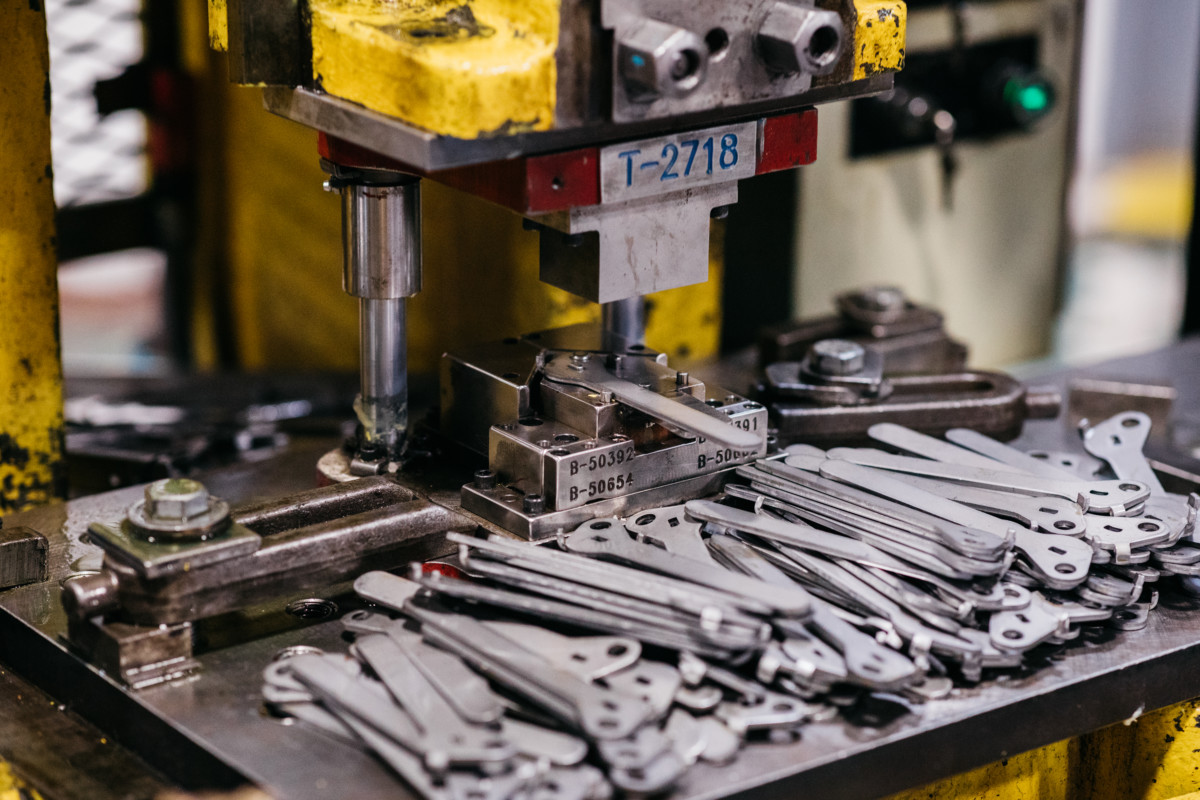
Honyo Prototype Stamped Steel vs. Cast Steel Process Workflow
Honyo Prototype employs a dual-path analysis for stamped steel and cast steel components, ensuring optimal manufacturability and cost-efficiency based on part geometry, volume, and functional requirements. Our integrated digital workflow begins with CAD upload and concludes with certified delivery, with critical decision points at the AI Quote and DFM stages to determine the most suitable process.
Upload CAD
Clients submit 3D CAD models (STEP, IGES, or native formats) via our secure portal. The system performs initial geometry validation, checking for file integrity, unit consistency, and basic manufacturability flags. For steel components, the analysis immediately categorizes the part by key attributes: wall thickness uniformity, 3D complexity, undercuts, and required tolerances. This step sets the foundation for the AI-driven process recommendation.
AI Quote Engine
Our proprietary AI engine evaluates the CAD data against a database of 50,000+ historical steel parts to generate a preliminary process recommendation. For stamped steel, the AI assesses suitability based on material thickness (typically 0.5–6 mm), part flatness, and feature simplicity. For cast steel, it prioritizes complex 3D geometries, variable wall thicknesses, and integrated features. The quote includes:
Estimated unit cost for both processes (if feasible)
Minimum order quantity thresholds (stamping: ≥10,000 units; casting: ≥500 units)
Lead time projections (stamping: 8–12 weeks for tooling; casting: 6–10 weeks)
Material utilization efficiency metrics
DFM Analysis
Honyo’s engineering team conducts a rigorous Design for Manufacturability review, focusing on steel-specific constraints:
Stamped Steel: Evaluates bend radii, hole-to-edge distances, and grain direction alignment to prevent cracking. Recommends progressive die sequencing and strip layout optimization to minimize scrap (target: <15% material waste).
Cast Steel: Analyzes draft angles, fillet radii, and section transitions to avoid shrinkage defects. Validates gating system design for molten steel flow and solidification. Specifies required NDT methods (e.g., MPI for critical surfaces).
Clients receive a collaborative DFM report with actionable redesign suggestions, cost-impact analysis, and a finalized process recommendation.
Production Execution
Stamped Steel Path:
High-strength steel coils (e.g., CR420, CR780) undergo blanking, piercing, and forming in progressive dies. Secondary operations include deburring, heat treatment (if specified), and robotic welding. In-process checks use laser scanners for dimensional validation at critical stations.
Cast Steel Path:
Patterns are machined for sand molds (or investment shells), followed by pouring of ASTM A216/A148-compliant molten steel. Components undergo controlled cooling, fettling, and stress-relief annealing. All castings receive 100% visual inspection and spot-check liquid penetrant testing.
Delivery & Certification
Final parts undergo Honyo’s multi-stage quality protocol:
Stamped parts: CMM verification of critical features (±0.1 mm tolerance), surface roughness testing (Ra ≤ 3.2 µm), and material certification.
Cast parts: Dimensional inspection per ASME Y14.5, chemical composition reports, and mechanical property validation (tensile, hardness).
Shipments include full traceability documentation (heat numbers, process logs) and compliance certificates (ISO 9001, IATF 16949). Typical delivery timelines are 3–5 weeks post-DFM approval for stamping and 4–6 weeks for casting.
Process Comparison Summary
The table below outlines key differentiators to guide early-stage decision-making:
| Parameter | Stamped Steel | Cast Steel |
|---|---|---|
| Ideal Wall Thickness | 0.5 mm – 6.0 mm | 6.0 mm – 100+ mm |
| Volume Sweet Spot | High volume (≥50,000 units) | Low-to-medium volume (500–20,000 units) |
| Geometric Strength | 2D profiles, simple bends | Complex 3D shapes, undercuts, internal cavities |
| Lead Time Driver | Tooling fabrication (6–10 weeks) | Pattern/mold creation (4–8 weeks) |
| Surface Finish | As-rolled (Ra 1.6–6.3 µm) | As-cast (Ra 12.5–25 µm); grindable |
| Material Waste | 10–20% (coil-based) | 25–40% (gating/riser systems) |
| Typical Applications | Brackets, chassis clips, shields | Pump housings, valve bodies, structural nodes |
Honyo’s workflow ensures clients receive an unbiased, data-driven recommendation by quantifying trade-offs between stamping and casting early in the process. This eliminates costly redesigns and aligns production with functional requirements, cost targets, and timeline constraints.
Start Your Project
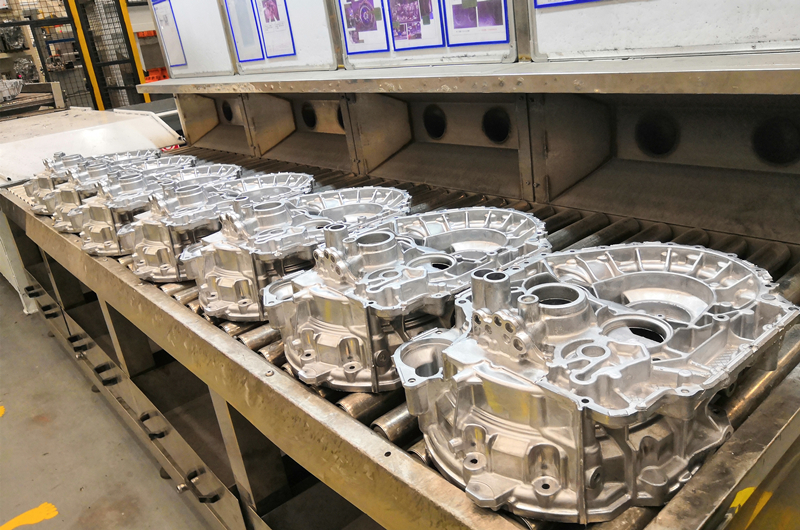
When comparing stamped steel versus cast steel for your next project, understanding the differences in strength, production efficiency, and cost is critical. Stamped steel offers high precision and repeatability for high-volume runs, while cast steel provides superior strength and design flexibility for complex geometries. Each method has its advantages depending on your application, volume, and performance requirements.
At Honyo Prototype, we specialize in both stamped and cast steel manufacturing with in-house capabilities at our Shenzhen factory. Our engineering team can help you evaluate material selection, production methods, and design optimization to ensure you choose the right process for your component.
For technical consultation or a project quote, contact Susan Leo at [email protected]. Let us support your decision with real-world data and prototyping expertise.
🚀 Rapid Prototyping Estimator
Estimate rough cost index based on volume.