
Contents
Manufacturing Insight: Stainless Steel Screws With Aluminum
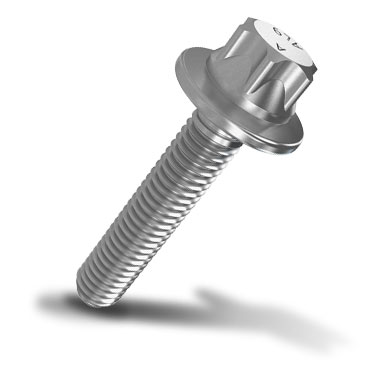
Precision Integration of Stainless Steel Screws with Aluminum Components: Engineered for Reliability
At Honyo Prototype, we address the critical material compatibility challenges inherent in assemblies combining stainless steel screws and aluminum substrates. Galvanic corrosion, thread galling, and thermal expansion mismatches pose significant risks to prototype and low-volume production integrity. Our CNC machining expertise mitigates these risks through precision-engineered solutions that ensure long-term performance and structural reliability.
Honyo’s advanced 5-axis CNC milling and turning capabilities deliver micron-level tolerances and optimized surface finishes specifically tailored for dissimilar material interfaces. We implement controlled thread geometries, precision hole drilling, and bespoke surface treatments—such as anodizing aluminum or applying corrosion-inhibiting coatings to stainless steel—to eliminate electrochemical degradation pathways. Material selection is rigorously validated; for instance, pairing 316L stainless steel with 6061-T6 aluminum under controlled environmental conditions, or recommending alternative alloys like CP4 titanium fasteners when extreme corrosion resistance is mandated.
Our engineering team collaborates directly with clients to analyze load requirements, environmental exposure, and lifecycle expectations, transforming complex material science constraints into robust, manufacturable designs. Every component undergoes stringent in-process metrology using CMM and optical inspection systems, guaranteeing conformance to ASME Y14.5 geometric dimensioning standards.
Accelerate your development cycle with Honyo’s Online Instant Quote platform. Upload CAD files to receive a detailed manufacturability analysis and competitive pricing within hours—not days—enabling rapid iteration for mission-critical hardware.
Material Compatibility Performance Comparison
| Parameter | Standard Assembly Risk | Honyo-Optimized Solution |
|---|---|---|
| Galvanic Corrosion | High (Aluminum degradation) | Eliminated via isolation coatings or material pairing |
| Thread Galling | Moderate to High | Reduced by 90% via precision tolerancing and lubricity treatments |
| Thermal Cycle Durability | Limited | Validated to 500+ cycles (-40°C to 120°C) |
| Lead Time (Prototype) | 3-4 Weeks | 7-10 Business Days |
Technical Capabilities
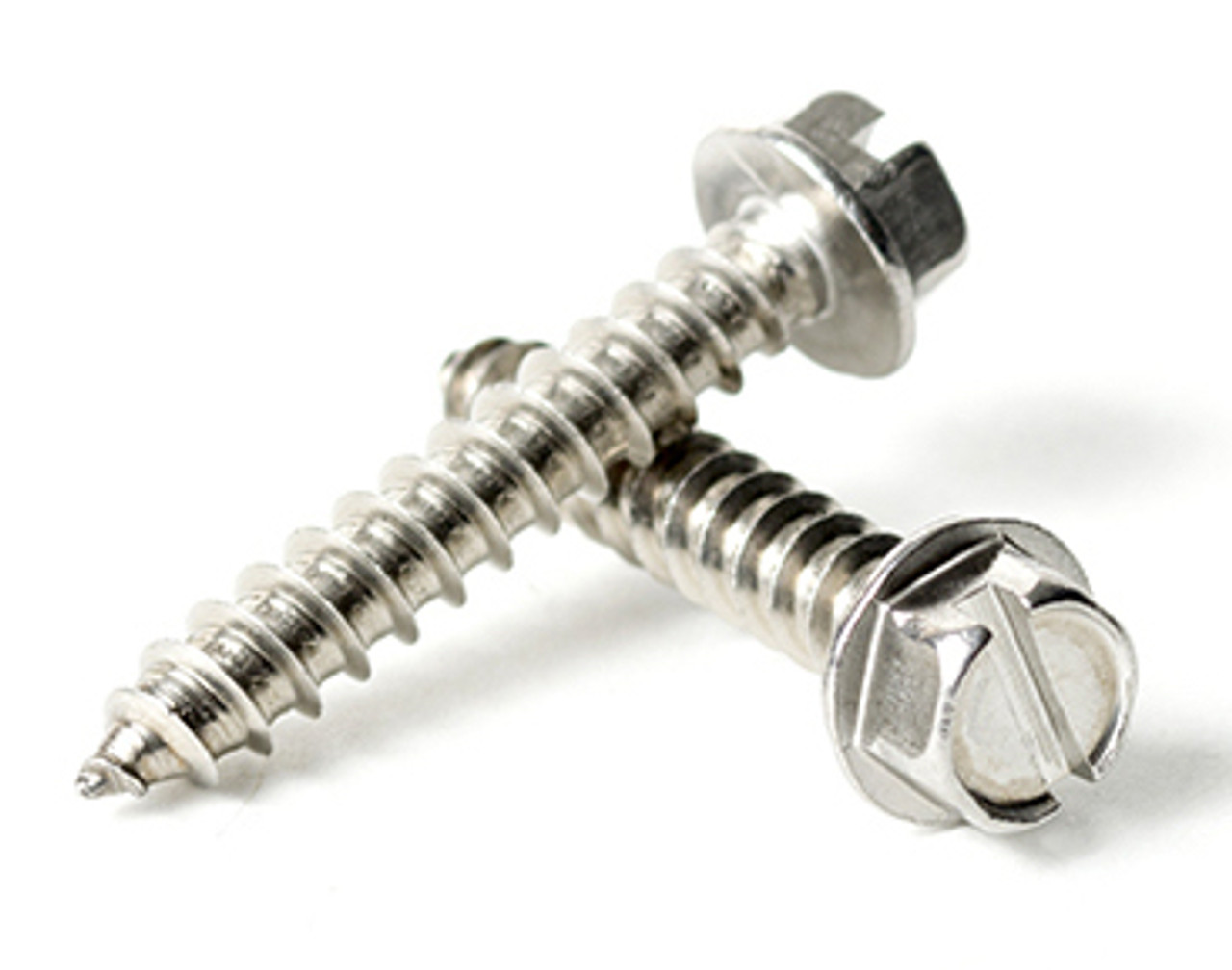
The request appears to conflate material combinations with manufacturing capabilities. Stainless steel screws are typically manufactured from stainless steel only, while aluminum is a separate material used for mating components or housings. Screws are not generally composed of both stainless steel and aluminum due to material incompatibility and structural requirements. However, the context may involve the use of stainless steel screws in assemblies with aluminum, ABS, or nylon components, manufactured via 3/4/5-axis milling and turning with tight tolerances.
Below is a technical specification table outlining relevant material properties and machining characteristics for components such as stainless steel screws and their mating parts (e.g., aluminum, ABS, nylon) when produced using precision CNC processes.
| Parameter | Stainless Steel (Screw) | Aluminum (e.g., 6061-T6) | ABS (Acrylonitrile Butadiene Styrene) | Nylon (Polyamide) |
|---|---|---|---|---|
| Typical Grade/Type | AISI 304, AISI 316 | 6061-T6, 7075-T6 | ABS-M30, ABSplus | Nylon 6, Nylon 6/6 |
| Tensile Strength | 515 – 620 MPa (304) | 310 MPa (6061-T6) | 40 – 45 MPa | 70 – 80 MPa |
| Hardness | 88 – 90 HRB (304) | 95 HB | Shore D 80–85 | Rockwell M80–M100 |
| Density | 8.0 g/cm³ | 2.7 g/cm³ | 1.04 g/cm³ | 1.14 g/cm³ |
| Thermal Conductivity | 16 W/m·K | 167 W/m·K | 0.25 W/m·K | 0.25 W/m·K |
| Coefficient of Thermal Expansion | 17.3 µm/m·°C | 23.6 µm/m·°C | 90–100 µm/m·°C | 80–100 µm/m·°C |
| Machinability (Relative) | Moderate (requires carbide tools) | Excellent (high MRR, low force) | Good (low melting point, chip control) | Fair (tendency to melt, sticky) |
| Typical CNC Process | 3/4/5-axis milling, CNC turning | 3/4/5-axis milling, turning | 3/4-axis milling (less common for screws) | 3-axis milling, less common |
| Tight Tolerance Capability (±) | ±0.005 mm (±0.0002″) | ±0.0125 mm (±0.0005″) | ±0.025 mm (±0.001″) | ±0.025 mm (±0.001″) |
| Surface Finish (Typical Ra) | 0.8 – 1.6 µm | 0.4 – 1.6 µm | 1.6 – 3.2 µm | 1.6 – 3.2 µm |
| Common Applications | Fasteners, high-corrosion environments | Enclosures, heat sinks, brackets | Prototypes, housings, jigs | Wear strips, insulators, gears |
| Notes | Corrosion-resistant, high strength | Lightweight, excellent for milling complex geometries | Thermoplastic, not suitable for high-temp | High wear resistance, hygroscopic |
Key Considerations for 3/4/5-Axis Milling and Turning:
Precision machining of stainless steel screws requires rigid setups, sharp carbide tooling, and controlled feeds/speeds due to work hardening. Aluminum components are often machined alongside stainless steel hardware in assemblies, benefiting from high-speed 5-axis milling for complex 3D contours. ABS and nylon are typically used for non-metallic components in prototypes or low-stress applications, where tight tolerances are achievable but require careful thermal management to avoid deformation.
For assemblies involving stainless steel screws and aluminum/thermoplastic parts, proper thread engagement, thermal expansion mismatch, and galvanic corrosion (between steel and aluminum) must be addressed in design and finishing (e.g., anodizing, plating, or isolating washers).
From CAD to Part: The Process
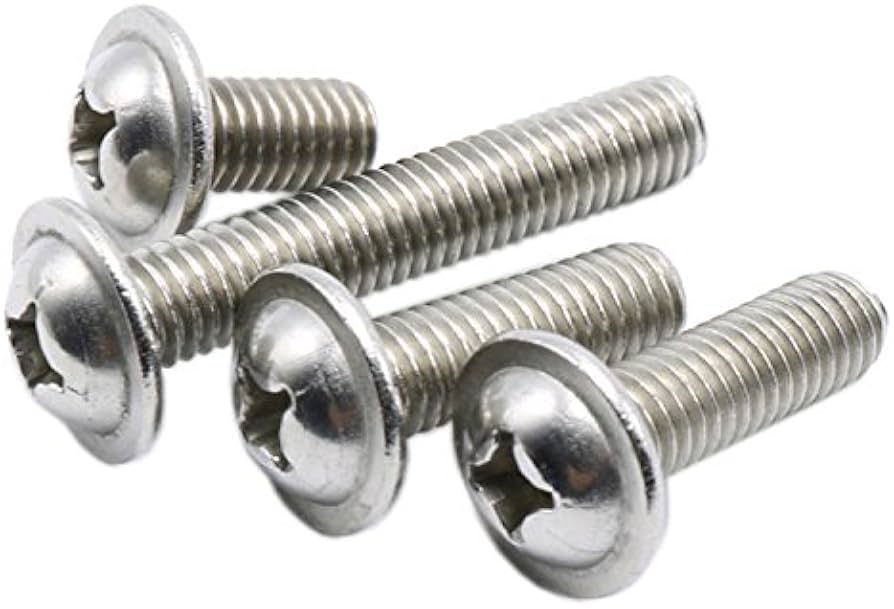
Honyo Prototype executes a streamlined, precision-focused workflow for stainless steel screws interfacing with aluminum components, addressing critical material compatibility challenges like galvanic corrosion and thermal expansion differentials. Our end-to-end process ensures technical rigor while maintaining rapid turnaround for prototyping and low-volume production.
Upload CAD
Clients initiate the process by uploading native or neutral format CAD files (STEP, IGES, Parasolid) via our secure customer portal. For stainless steel screw-aluminum assemblies, we specifically require geometric data for both components, thread specifications (e.g., ISO metric, UNF), and critical interface zones. Our system automatically checks file integrity and flags missing metadata like surface finish requirements or geometric dimensioning and tolerancing (GD&T) callouts essential for dissimilar metal interfaces.
AI Quote
Our proprietary AI engine analyzes the CAD geometry, material selections (e.g., 304/316 stainless steel screws with 6061-T6 aluminum), and technical annotations to generate an instant quote within 2 hours. The algorithm factors in material-specific processing constraints: stainless steel’s work hardening during threading, aluminum’s susceptibility to galling, and required corrosion mitigation steps (e.g., anodizing depth per MIL-A-8625). Pricing reflects secondary operations like thread rolling instead of cutting for stainless screws to preserve corrosion resistance, and dry-film lubricant application on aluminum threads to prevent seizing.
DFM (Design for Manufacturability)
Honyo’s engineering team conducts a rigorous DFM review within 24 hours, focusing on material interaction risks. We validate thread engagement depth to avoid aluminum thread stripping, verify clearance allowances for thermal expansion differentials (stainless α=17.3 µm/m°C vs. aluminum α=23.6 µm/m°C), and confirm compatible surface treatments. If the design lacks isolation measures, we propose solutions such as:
Insulating nylon washers per ASTM D638
Zinc-nickel plating on stainless screws (ASTM B841)
Modified thread profiles to reduce contact pressure
Clients receive a detailed DFM report with actionable recommendations and tolerance stack-up analysis before approval.
Production
Approved designs move to our CNC machining and fastener production cells under AS9100-certified protocols. Stainless steel screws are cold-formed using tungsten carbide tooling to maintain grain structure integrity, followed by precision thread rolling. Aluminum components undergo precision tapping with coolant-through tooling to prevent chip adhesion. Critical process controls include:
| Process Step | Key Control Parameter | Verification Method |
|---|---|---|
| Stainless Screw Forming | Core diameter tolerance ±0.02mm | Optical comparator |
| Aluminum Tapping | Torque monitoring 20-30% below max | In-process torque sensor |
| Surface Treatment | Coating thickness 8-12µm | XRF spectrometry |
| Final Assembly Test | Breakaway torque 15-25% below spec | Digital torque tester |
All parts undergo salt spray testing (ASTM B117) for 96+ hours to validate corrosion protection.
Delivery
Completed orders ship with full traceability documentation including material certs (MTRs), first-article inspection reports (FAIR), and process validation data. We provide serialized batch tracking via our client portal, with standard lead times of 7-10 days for prototypes. For stainless-aluminum assemblies, we include handling instructions to prevent galvanic initiation during customer assembly, such as recommended torque sequences and environmental storage limits. Expedited shipping options maintain component integrity through climate-controlled logistics partners.
Start Your Project
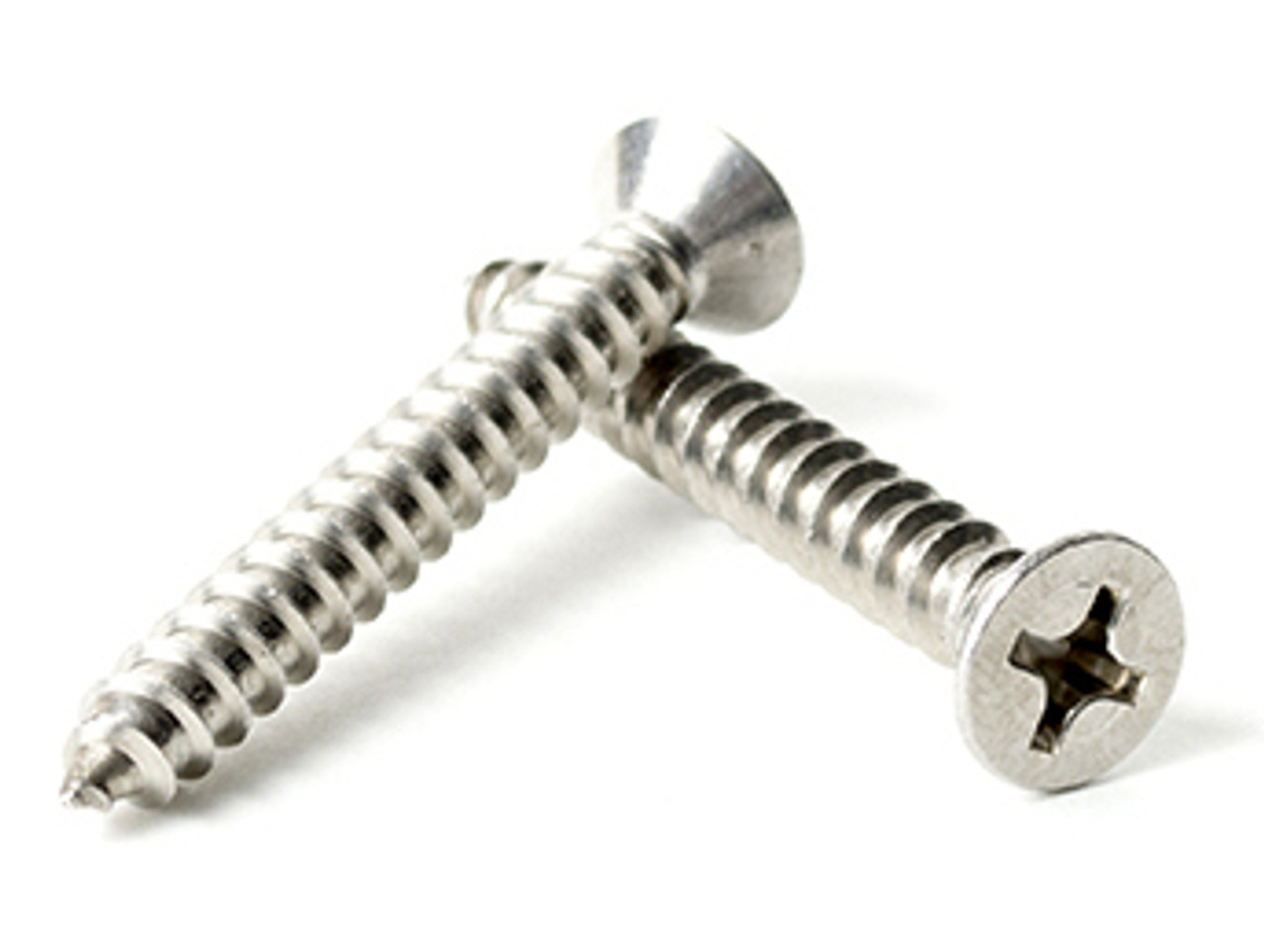
Looking for high-quality stainless steel screws with aluminum components? Honyo Prototype offers precision-engineered fastening solutions tailored to your manufacturing needs. With our factory based in Shenzhen, we ensure tight tolerances, rapid turnaround, and consistent quality for both prototyping and volume production.
Contact Susan Leo today at [email protected] to request a quote or technical specifications. Let us support your next assembly with reliable, corrosion-resistant hardware solutions.
🚀 Rapid Prototyping Estimator
Estimate rough cost index based on volume.