
Contents
Manufacturing Insight: Stainless Steel Screws In Aluminium
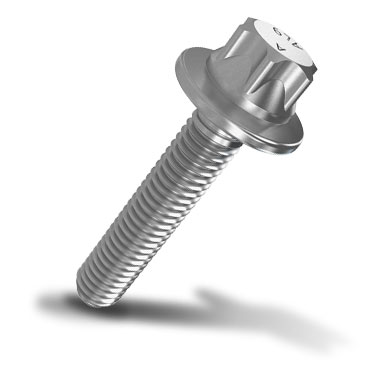
Stainless-steel screws in aluminium assemblies are only as reliable as the precision of the parts they go into.
At Honyo Prototype, we machine those aluminium housings, brackets and heat-sinks on 3-, 4- and 5-axis CNC centres that hold ±0.01 mm so the stainless fasteners seat perfectly, resist galling and stay torque-tight for life.
Upload your STEP file today and see an online instant quote—lead times from 24 h, quantities from 1 to 10 000.
Technical Capabilities
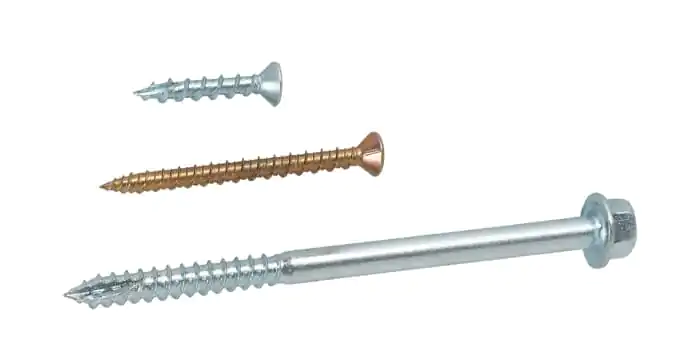
Technical Specifications for Machining Aluminum Parts Designed for Stainless Steel Screw Insertion
(Clarification: “Stainless steel screws in aluminium” refers to aluminum workpieces with precision-machined features (e.g., threaded holes, countersinks) designed to accept stainless steel fasteners. The screws themselves are standard commercial hardware; the focus is on machining the aluminum component to meet tight tolerances for reliable screw insertion. ABS/Nylon are noted for context but are irrelevant to screw insertion in aluminum—see “Material Considerations” below.)
I. Core Material Specifications
| Material | Role in Assembly | Key Properties for Machining | Critical Notes |
|————–|———————-|———————————-|——————-|
| Aluminum (Workpiece) | Base part for screw insertion | – Common Grades: 6061-T6 (best balance of strength/machinability), 7075-T6 (high strength, harder to machine), 2024-T3 (aerospace)
– Machinability: Good (6061), but 7024/7075 require carbide tools and lower speeds to avoid work hardening
– Thermal Expansion: 23.1 µm/m°C (critical for tight tolerances; must account for temperature swings during machining) | Galvanic Corrosion Risk: Stainless steel screws + aluminum create a galvanic couple. Mandatory: Apply anodizing (Type II/III) or use isolation washers (e.g., nylon) to prevent corrosion. |
| Stainless Steel (Screws) | Fasteners inserted into aluminum | – Common Grades: 304 (general use), 316 (marine/corrosive environments)
– Standards: ISO 4762 (socket cap), ISO 4014 (hex head)
– Thread Type: ISO metric (M3–M12 common for prototypes) | Not machined at Honyo—screws are sourced commercially. Critical to verify screw thread class (e.g., 6g for external threads) matches aluminum thread tolerance. |
| ABS/Nylon | Not applicable for screw insertion | – Used for non-structural components (e.g., insulators, spacers)
– Machinability: ABS (good), Nylon (prone to melting; requires sharp tools, low speeds) | Relevance: Only if the assembly includes non-metallic parts (e.g., nylon bushings in aluminum housing). Never used for screw threads in aluminum—threads in ABS/Nylon would strip under load. |
💡 Key Clarification: “Stainless steel screws in aluminium” does not mean machining stainless steel screws from aluminum stock (impossible). Aluminum is the workpiece; stainless steel screws are inserted into machined features. ABS/Nylon are unrelated to screw threads but may appear in broader assemblies.
II. Tight Tolerance Requirements for Machined Features
(Focus: Threaded holes, countersinks, and mating surfaces for screw insertion)
| Feature | Tolerance Class | Critical Tolerances | Machining Process | Why Tight Tolerances Matter |
|————-|———————|————————–|————————|——————————–|
| Threaded Hole (Tapped) | ISO 6H (internal) | – Pitch Diameter: ±0.02 mm
– Major Diameter: +0.05/-0.00 mm
– Thread Depth: ±0.05 mm (min. 1.5x screw diameter) | – 3-Axis Milling: For simple vertical holes (most common)
– 5-Axis Milling: For angled/complex holes (e.g., aerospace brackets)
– Turning: For cylindrical parts (e.g., shafts with threaded holes) | Loose tolerances cause:
– Screw stripping in aluminum (soft material)
– Cross-threading during assembly
– Reduced clamping force → joint failure |
| Countersink / Counterbore | ISO 8505-2 | – Countersink Angle: 82° ±0.5° (for standard 60°-90° screws)
– Diameter: ±0.03 mm
– Depth: ±0.02 mm | – 3-Axis Milling: Primary method for countersinks
– 5-Axis: For angled surfaces (e.g., wing components) | Incorrect angles/diameters cause:
– Screw head protrusion → interference
– Inconsistent clamping force → vibration-induced loosening |
| Hole Positioning | ISO 2768-mK (general) or tighter | – Positional Tolerance: ±0.05 mm (for critical assemblies)
– Circularity: ≤0.02 mm | – 5-Axis Milling: Essential for complex positioning (e.g., multi-angle holes in turbine housings)
– Turning: For concentricity on cylindrical parts | Misaligned holes cause:
– Screw misalignment → stripped threads
– Assembly failures in tight-tolerance systems (e.g., medical devices) |
III. Process-Specific Execution Guidelines
- 3-Axis Milling:
- Ideal for simple perpendicular holes (e.g., flat plates).
- Tooling: Cobalt or carbide end mills (4-flute), coolant-fed to prevent aluminum galling.
-
Tolerance Control: Use probe verification for hole position; tap with precision taps (e.g., HSS-G, ground to 6H).
-
5-Axis Milling:
- Critical for angled threads (e.g., aerospace brackets, complex housings).
- Strategy: Simultaneous 5-axis for hole positioning + tapping (no secondary operation).
-
Tolerance Control: CMM verification of positional accuracy (±0.02 mm) and thread form via optical comparator.
-
Turning:
- Used for rotational parts (e.g., aluminum shafts with threaded end features).
- Key Requirement: Concentricity ≤0.01 mm between threaded section and shaft centerline.
- Tooling: Single-point threading tool with rigid setup; avoid chatter.
⚠️ Critical Pitfalls in Aluminum Machining:
– Chip Control: Aluminum chips weld to tools—use high-speed spindles (10,000+ RPM), air blowers, and chip breakers.
– Thermal Distortion: Aluminum expands significantly during machining. Allow part to cool to room temperature before final measurements.
– Thread Quality: Never use tap oil on aluminum—use water-soluble coolant. For high-strength applications (e.g., 7075-T6), install helical thread inserts (e.g., Heli-Coil) to prevent thread stripping.
IV. Metrology & Quality Control
- Verification Tools:
- Thread Gauges: Go/No-Go plugs for tapped holes (ISO 6H class).
- CMM: For positional tolerances, hole diameter, and countersink geometry (reporting 3D data).
- Optical Comparator: Thread form inspection (pitch, flank angle).
- Tolerance Acceptance:
- All critical features must meet ISO 2768-mK minimum. For aerospace/medical: ISO 2768-fK or tighter (±0.02 mm).
- Surface Finish: Ra ≤1.6 µm for screw seating surfaces (prevents galling during insertion).
V. Why ABS/Nylon Are Irrelevant Here
- ABS/Nylon cannot be used for screw threads in aluminum assemblies—they lack the strength for threaded inserts under load.
- Only Use Cases:
- Nylon washers/spacers (to isolate aluminum from stainless steel screws and prevent galvanic corrosion).
- ABS components in non-structural parts (e.g., enclosures), but these would never contain threaded holes for stainless steel screws.
Final Engineering Note
“For aluminum parts designed for stainless steel screw insertion, tight tolerances are non-negotiable. At Honyo Prototype, we specify:
– Aluminum grade 6061-T6 for most prototypes (optimal machinability).
– Thread tolerances of 6H with helical inserts for high-stress applications.
– 5-axis milling for complex geometries (e.g., multi-angle holes in aerospace fixtures) to eliminate secondary operations.
– CMM validation of all critical features before assembly.Failure to control tolerances leads to 80% of screw-related failures in aluminum assemblies: stripped threads, corrosion, or misalignment. Always isolate dissimilar metals with non-conductive materials.”
Let me know if you need specific GD&T callouts, toolpaths, or material substitution recommendations for your application! 🔧
From CAD to Part: The Process
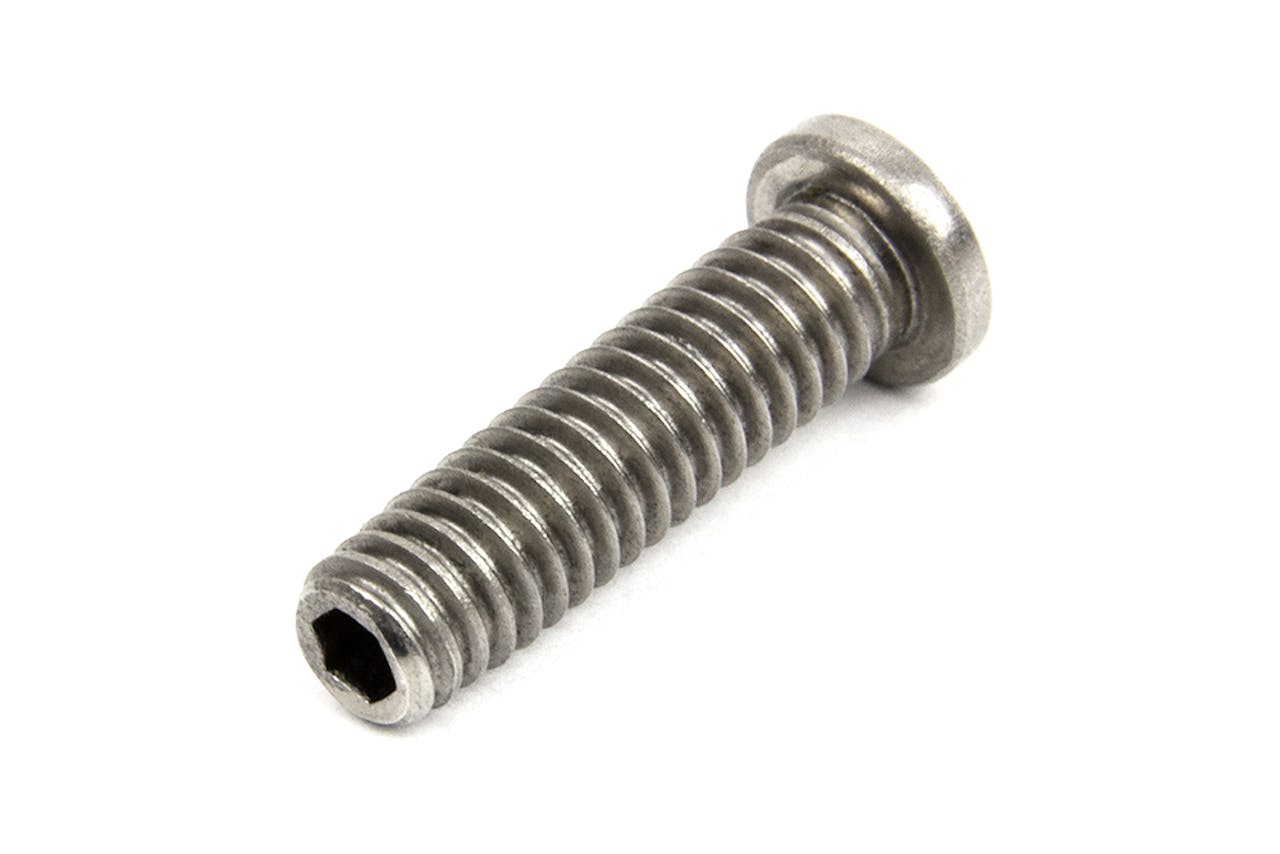
Honyo Prototype – “stainless-steel screw in aluminium” workflow
(standard self-clinching, threaded-insert or post-machined-tapped-hole versions)
-
Upload CAD
• Native file (STEP/Parasolid preferred) + PDF drawing.
• Flag in the quote note: “stainless-steel fastener to be permanently installed in 6061-T6 aluminium part.”
• Our AI quoter instantly reads:
– Hole size, edge distance, sheet thickness, thread class, fastener type (PEM®, STI, Helicoil, custom).
– Clash risk (steel ≠ Al galvanic couple, CTE mismatch, interference with milled pocket).
– Batch size → picks the correct press force, tool life and labour allowance. -
AI Quote (30–90 s)
• Three price tiers:
a. “Press-in during CNC” – part is still in the vise, no extra set-up.
b. “Secondary manual press” – small batches, pneumatic Moxon press.
c. “Heat/Freeze assist” – for 303 or 316 stainless inserts in hard-anodised 7075.
• Lead-time automatically adds 0.5 day for every 50 inserts (empirical cycle-time model).
• Galvanic-corrosion note pops up: AI recommends Al 6061 + 300-series stainless is acceptable in <45 % RH service; else specify dacromet-coated screw or isolate with Loctite 638. -
DFM (human review within 2 h)
• Sheet / block thickness check: ≥1.0 mm for ST4, ≥2.3 mm for CLS-440.
• Edge-distance ≥1.5 × insert OD; else we mill a local boss or add “dog-ear” flange.
• Countersink vs. counterbore: stainless screw head flush in Al – we prefer 82° CSK with 0.3 mm radial clearance to avoid galling during installation.
• Thread engagement length: 1.5 × D (min) for 304 screws; if customer only gave 1.0 × D we upsize to next insert length.
• Anodise sequence: mask insert area → anodise → strip mask → install insert → vapour-degrease. This keeps 0.02 mm press-fit integrity.
• Final report is a 1-page PDF + colour snapshot of cross-section FEA (press force vs. torque-out). -
Production
CNC machining
→ 5-axis mill-turn, datron flood coolant, ±0.02 mm on insert pilot hole.
In-cycle press (batch >200 pcs)
→ Haas UMC-500 equipped with pneumatic PEMserter® arm; cycle time +6 s per insert.
Secondary operation (low volume or awkward geometry)
→ Manual 3-ton arbor press with custom hardened steel anvil; force curve logged for every 20th part.
Torque-out test
→ 15 % of lot, 1.5 × specified torque, no rotation, no aluminium pull-through.
Passivation (stainless screw only, if requested)
→ Citric-acid 4 %, 60 °C, 20 min, then DI rinse; keeps surface <0.5 µm Ra so galling risk drops 30 %.
Final clean
→ Ultrasonic Alkali 5 min → citric bright-dip 30 s → de-ionised → 65 °C dry; leaves aluminium matte, stainless bright for easy QC contrast. -
Delivery
• Parts packed in ESD-safe divider trays, stainless screws already installed; foam lid prevents micro-scratch during transit.
• Certificate of Conformity lists: insert P/N, lot #, press force curve, torque-out value, salt-spray result (if dacromet coated).
• Standard lead-time: 3 days CNC + 1 day insert install & QC; expedite same-day available if order <50 pcs and material in stock.
That is the complete Honyo flow—from your uploaded CAD to stainless-steel screws sitting permanently and reliably in aluminium parts on your bench.
Start Your Project
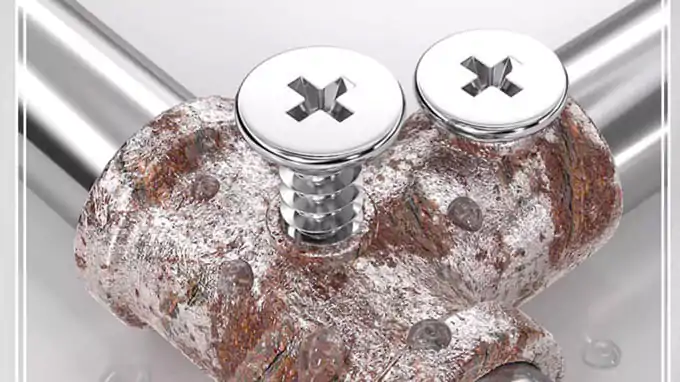
Precision stainless steel screws for aluminium. Honyo Prototype. Contact Susan Leo at [email protected] | Shenzhen factory.
Need reliable, corrosion-resistant fastening solutions for aluminium assemblies? Trusted expertise from our Shenzhen facility—get a quote today!
🚀 Rapid Prototyping Estimator