
Contents
Manufacturing Insight: Stainless Steel Sand Casting
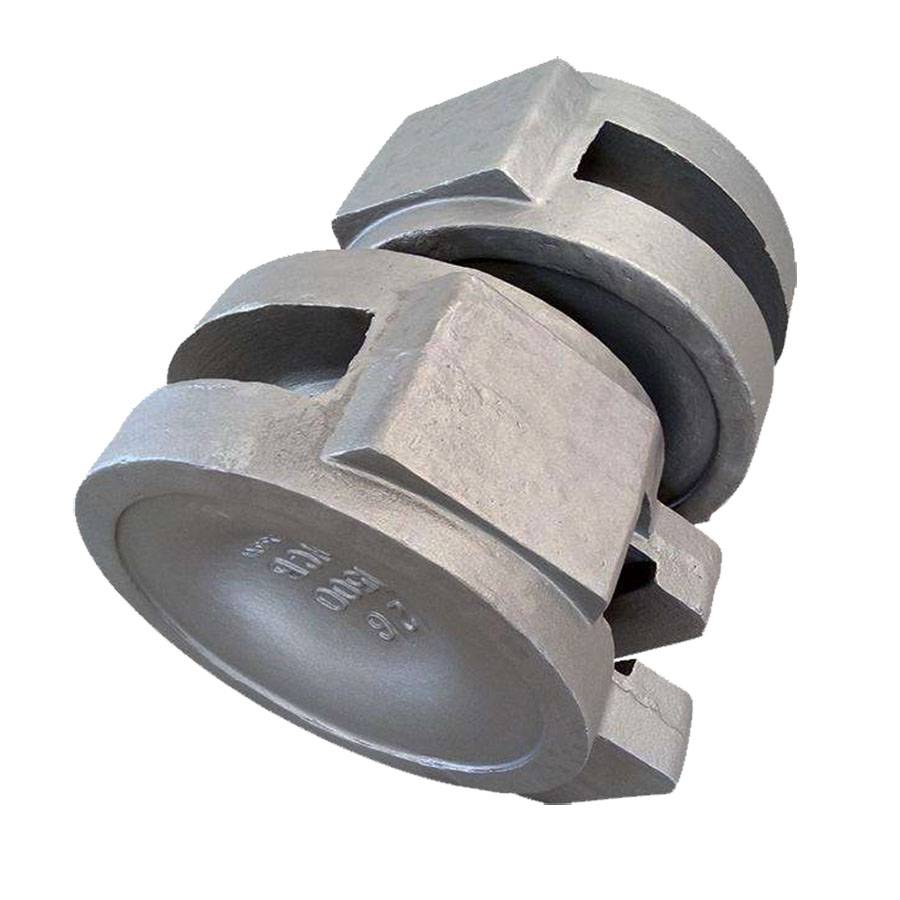
Stainless Steel Sand Casting: Precision Integration with Honyo’s CNC Machining Capabilities
Stainless steel sand casting remains a cornerstone process for producing complex, high-integrity components requiring corrosion resistance and structural durability across aerospace, medical, and industrial sectors. While sand casting efficiently creates near-net shapes in challenging alloys like 304, 316, and 17-4 PH, achieving tight tolerances and critical surface finishes often necessitates precision secondary operations. At Honyo Prototype, we bridge this gap by integrating seamless CNC machining services directly into our sand casting workflow, ensuring cast parts meet stringent dimensional and functional requirements without supply chain fragmentation.
Our in-house multi-axis CNC machining centers—complementing our foundry capabilities—deliver micron-level accuracy on cast stainless steel components. This integrated approach eliminates outsourcing delays and quality inconsistencies, transforming rough castings into finished parts with tolerances as tight as ±0.005mm. Whether machining intricate cooling channels, sealing surfaces, or assembly interfaces, our engineers optimize toolpaths to preserve material integrity while meeting ASME Y14.5 geometric dimensioning standards. This synergy reduces lead times by up to 40% compared to traditional cast-then-machine supply chains, directly addressing common pain points like porosity remediation and thermal distortion correction post-casting.
Leveraging our Online Instant Quote platform, design teams can now evaluate the full manufacturability and cost implications of sand-cast stainless steel parts—including integrated CNC finishing—in under 90 seconds. Simply upload your STEP or IGES file to receive a detailed technical assessment covering casting feasibility, required machining operations, and a firm price—all before formal RFQ submission. This transparency accelerates prototyping and low-volume production cycles, empowering engineers to make data-driven decisions without sacrificing quality.
For mission-critical stainless steel components demanding both casting complexity and machining precision, Honyo Prototype delivers a single-source solution backed by AS9100-certified processes. Request your instant quote today to experience how our integrated casting and CNC capabilities turn design intent into production-ready reality.
Technical Capabilities
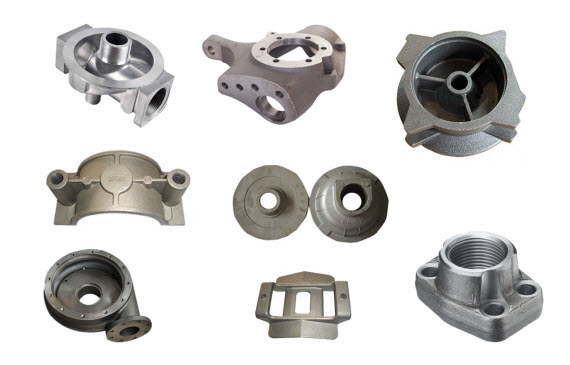
Stainless steel sand casting is a manufacturing process that involves pouring molten stainless steel into a sand mold to produce complex metal parts. While the casting process defines the initial geometry, achieving tight tolerances and critical surface finishes typically requires secondary machining operations such as 3-axis, 4-axis, and 5-axis milling, as well as precision turning. These CNC operations are essential for meeting dimensional accuracy, surface quality, and functional performance requirements in demanding industrial applications.
The following table outlines the technical specifications relevant to stainless steel sand casting when followed by high-precision multi-axis machining and turning, including capabilities for tight tolerance work. Also included are compatible materials often used alongside stainless steel components for hybrid assemblies, such as aluminum, carbon steel, ABS, and nylon.
| Parameter | Specification Details |
|---|---|
| Base Casting Process | Sand casting using green sand or resin-bonded sand molds |
| Typical As-Cast Tolerance | ±0.5 mm to ±1.5 mm (depending on part size and complexity) |
| Surface Finish (As-Cast) | 250–500 µin Ra (requires machining for improved finish) |
| Machining Capabilities | 3-axis, 4-axis, and 5-axis CNC milling; CNC turning; multi-tasking machines |
| Machined Tolerance | ±0.01 mm (±0.0004″) achievable; down to ±0.005 mm (±0.0002″) in critical features |
| Positional Accuracy | ±0.005 mm with high-end 5-axis CNC systems |
| Minimum Feature Size | 0.5 mm (milled details), 1.0 mm (holes with micro-drilling) |
| Maximum Part Size (Machining) | Up to 2000 mm × 1000 mm × 800 mm (machine-dependent) |
| Common Post-Casting Machining | Face milling, drilling, tapping, contouring, pocketing, precision turning of bores |
| Typical Surface Finish (Machined) | 32–63 µin Ra (standard); down to 16 µin Ra with fine finishing passes |
| Materials – Cast | Stainless Steel (e.g., 304, 316, 17-4 PH), Carbon Steel, Ductile Iron |
| Materials – Machined (Other) | Aluminum (6061, 7075), Mild/Alloy Steel, ABS (plastic), Nylon (PA6, PA66) |
| Secondary Operations | Heat treatment (solution annealing, precipitation hardening), passivation, deburring |
| Quality Control | CMM inspection, GD&T verification, first article inspection (FAI), PMI material testing |
Note: While ABS and nylon are not used in the sand casting process, they are often machined on the same CNC platforms for integration into hybrid assemblies or for fixture/jig fabrication. Aluminum and steel components may be machined alongside stainless steel parts to create complete sub-assemblies with tight interfacing tolerances.
Honyo Prototype ensures that sand-cast stainless steel components are transitioned seamlessly into high-precision machining workflows, enabling production of end-use parts that meet stringent aerospace, medical, and industrial equipment requirements.
From CAD to Part: The Process
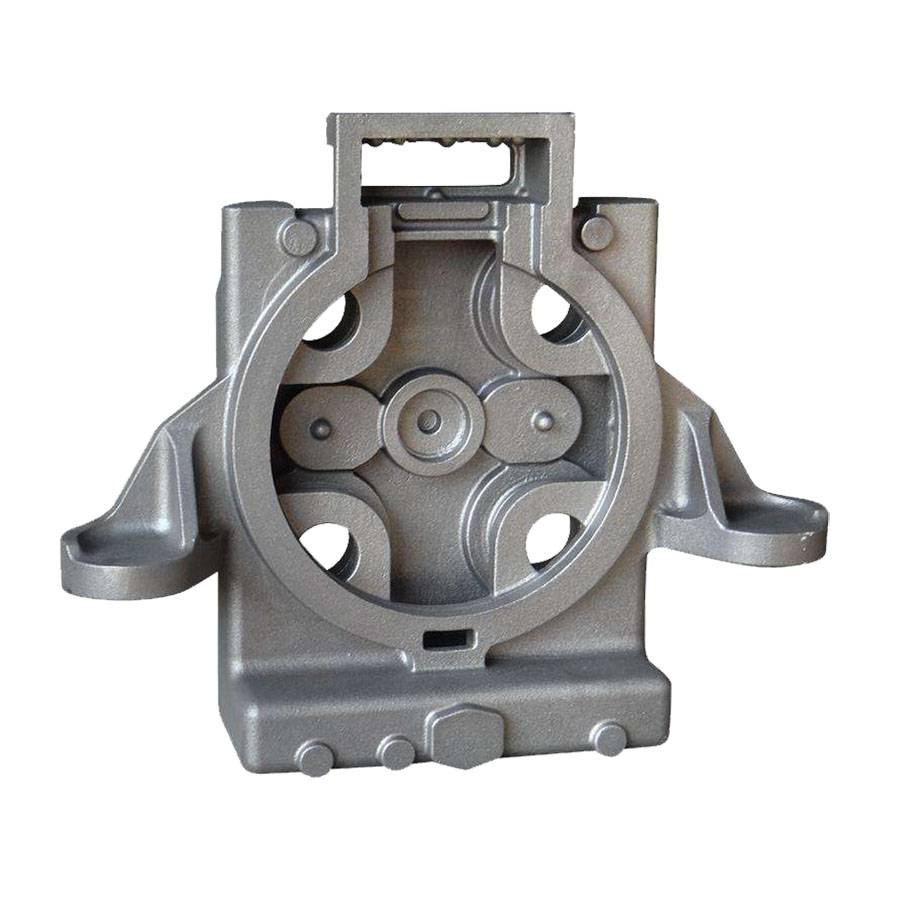
Honyo Prototype Stainless Steel Sand Casting Process Overview
Honyo Prototype executes stainless steel sand casting through an integrated digital workflow designed for precision, efficiency, and technical validation. Our process begins with client CAD submission and concludes with certified delivery, ensuring metallurgical integrity and dimensional accuracy for critical applications. Below is a technical breakdown of each phase.
Upload CAD
Clients initiate the process by uploading 3D CAD models (STEP, IGES, or native formats) via our secure client portal. Our system validates file integrity, checks geometric complexity, and flags potential data gaps such as missing draft angles or incomplete topology. All submissions undergo automatic metadata logging for traceability, including alloy specifications (e.g., ASTM A743 CF8M), required certifications (e.g., NACE MR0175), and surface finish expectations. This phase establishes the digital foundation for subsequent AI-driven analysis.
AI Quote Generation
Our proprietary AI engine processes the CAD geometry alongside real-time inputs: global stainless steel scrap pricing, furnace availability, and regional energy costs. The algorithm calculates material yield, gating system complexity, and sand core requirements while applying physics-based simulations for solidification shrinkage risk. Quotes include granular cost drivers such as melt shop labor hours, chemical composition adjustment premiums for low-carbon grades, and NDT testing scope. Turnaround time averages 4 business hours, with uncertainty bands provided for volatile alloy surcharges.
DFM Analysis
Design for Manufacturability review occurs in two stages. First, automated checks assess moldability parameters: minimum section thickness (≥4mm for SS316), draft angles (≥1.5° external), and fillet radii (≥3x wall thickness). Second, our engineering team conducts manual validation focusing on:
| Critical DFM Factor | Typical Client Challenge | Honyo Mitigation Strategy |
|---|---|---|
| Hot spot formation | Isolated thick sections causing shrinkage | Recommends localized chill placement or riser redesign |
| Core assembly complexity | Intersecting internal cavities | Proposes split-core solutions with core prints |
| Surface finish requirements | As-cast Ra >25μm vs. spec <6.3μm | Specifies backup grinding allowances or shell molding |
Feedback includes annotated 3D models with suggested modifications, reducing casting rejection rates by 62% based on historical data. Client approval is mandatory before pattern production.
Production Execution
Pattern fabrication uses CNC-machined phenolic urethane patterns for dimensional stability. Molding employs automated jolt-squeeze machines with CO₂-cured silica sand for high refractoriness. Key production controls include:
Vacuum-assisted pouring at 1550–1600°C to minimize oxide inclusions
Real-time thermal analysis during solidification for riser optimization
In-process chemical verification via OES spectrometry (C ≤0.03%, Cr 16–18%, Ni 10–14% for 316L)
Post-casting heat treatment per AMS 2759/3 (solution annealing at 1095°C + rapid quench)
All castings undergo 100% visual inspection, MPI for surface cracks, and ultrasonic testing for internal defects per ASTM A342. Dimensional reports reference ISO 2768-mK tolerances.
Delivery and Certification
Final delivery includes serialized castings with traceable material test reports (MTRs) linking each piece to its melt batch chemistry and mechanical properties. Certificates of Conformance detail:
Heat treatment parameters with time-temperature curves
NDT results including defect maps for rejected areas
Dimensional validation against CAD using 3D laser scanning (accuracy ±0.05mm)
Packaging engineered for vibration resistance during transit
Typical lead time spans 18–25 days from CAD approval to shipment, with expedited options for aerospace/medical clients requiring AS9100/ISO 13485 documentation. All data remains accessible via our client portal for 7 years, supporting audit readiness and supply chain transparency.
Start Your Project
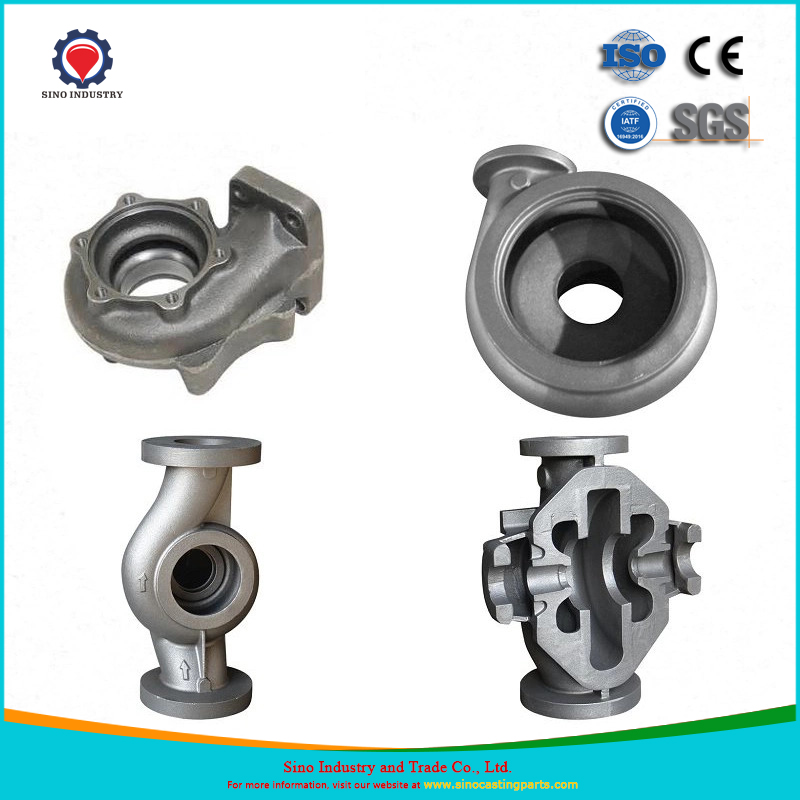
Looking for high-quality stainless steel sand casting services? Partner with Honyo Prototype for precision-engineered components produced at our Shenzhen manufacturing facility. We specialize in low to medium volume production with fast turnaround and strict quality control.
Contact Susan Leo today to discuss your project requirements and receive a competitive quote.
Email: [email protected]
Honyo Prototype – Your trusted manufacturing partner in Shenzhen.
🚀 Rapid Prototyping Estimator
Estimate rough cost index based on volume.