
Contents
Manufacturing Insight: Stainless Steel Ratings Chart
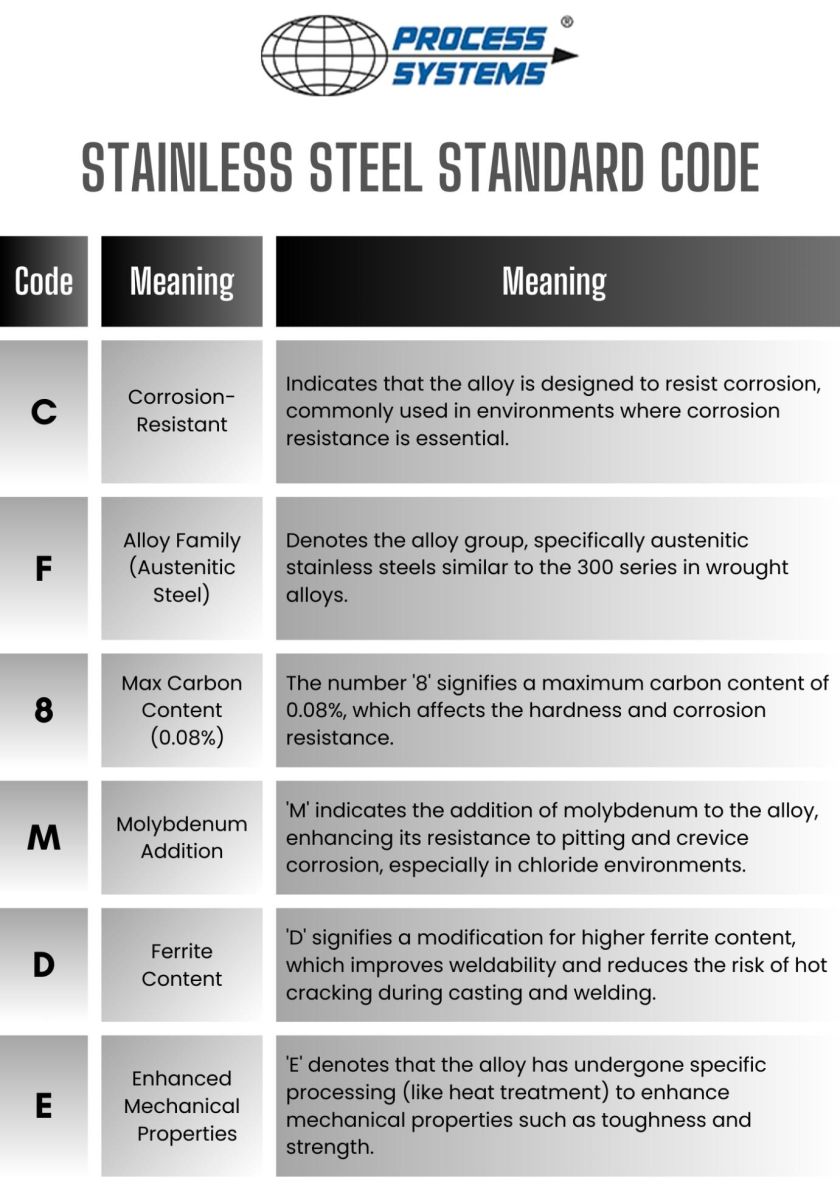
Optimizing Stainless Steel Selection for Precision CNC Prototyping
Material selection is a critical determinant of success in high-precision prototyping, particularly when leveraging the demanding capabilities of CNC machining. Stainless steel alloys present unique challenges and opportunities due to their varying corrosion resistance, machinability, thermal stability, and mechanical properties. At Honyo Prototype, our engineering team understands that misalignment between material specifications and machining requirements directly impacts part integrity, lead time, and cost-efficiency. This stainless steel ratings chart synthesizes decades of hands-on CNC machining experience to clarify performance trade-offs across common grades like 303, 304/L, 316/L, 17-4 PH, and 440C.
The chart quantifies key factors including tool wear rates, surface finish potential, weldability, and suitability for tight-tolerance features—all contextualized against real-world machining parameters. Unlike generic material databases, these ratings derive from our facility’s daily production runs on industry-standard 3-, 4-, and 5-axis CNC centers, ensuring relevance to actual prototyping outcomes. We translate metallurgical data into actionable insights so engineers can preemptively address issues like work hardening in 304 or sulfur inclusion challenges in 303 during the design phase.
Leverage this resource to de-risk material decisions early in your development cycle. Once your optimal grade is identified, Honyo Prototype’s Online Instant Quote platform enables immediate validation of manufacturability and cost. Input your geometry and selected alloy to receive a technical feasibility assessment and competitive pricing within minutes—accelerating your path from specification to functional prototype. This integration of empirical data and digital quoting exemplifies our commitment to reducing iteration cycles while maintaining aerospace and medical-grade precision.
Technical Capabilities
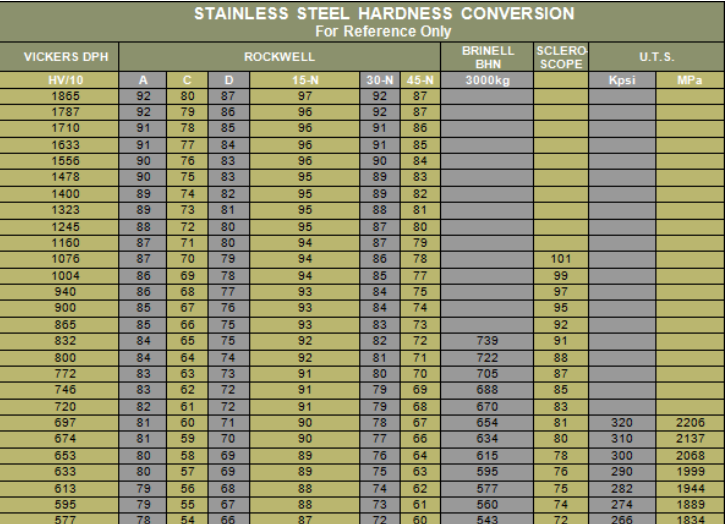
Stainless Steel Ratings Chart for CNC Machining Applications
The following technical specifications outline the relative machinability ratings of common materials used in precision CNC machining, with a focus on 3/4/5-axis milling and turning operations requiring tight tolerances (±0.0005″ to ±0.005″). Ratings are based on factors such as tool wear, surface finish, dimensional stability, and ease of chip evacuation. Materials include stainless steel (reference baseline), aluminum, carbon steel, ABS, and nylon.
| Material | Machinability Rating (Relative to 304 SS = 100) | Typical Tool Wear | Surface Finish (Ra µin) | Dimensional Stability | Chip Control | Recommended for Tight Tolerance | Preferred Tooling | Coolant Requirement |
|---|---|---|---|---|---|---|---|---|
| 304 Stainless Steel | 100 (Baseline) | High | 16–32 | Excellent | Moderate | Yes | Carbide, TiAlN coated | Mandatory |
| 316 Stainless Steel | 75 | Very High | 32–64 | Excellent | Poor | Yes (with proper setup) | Polycrystalline diamond (PCD) alternatives, carbide | High-pressure coolant |
| Aluminum 6061 | 300 | Low | 8–16 | Good | Excellent | Yes | Carbide, uncoated or ZrN coated | Optional (mist preferred) |
| 4140 Steel | 60 | High | 16–32 | Excellent | Moderate | Yes | Carbide, CBN inserts | Mandatory |
| ABS (Thermoplastic) | 250 | Very Low | 32–64 | Fair | Good | Limited (thermal sensitivity) | High-speed steel, sharp carbide | Not required (air blast recommended) |
| Nylon (Polyamide) | 200 | Low | 32–64 | Fair to Good | Good | Moderate (hygroscopic concerns) | Carbide, polished flutes | Not required (air cooling) |
Notes:
Machinability ratings are relative, with 304 stainless steel normalized to 100. Higher values indicate easier machining.
Tight tolerance capability assumes proper fixturing, thermal compensation, and high-precision CNC equipment (±0.0002″ repeatability).
Aluminum and plastics (ABS, nylon) offer faster cycle times and lower tool wear but may require attention to part rigidity and thermal expansion.
Stainless steels demand rigid setups, sharp tooling, and consistent coolant flow to maintain tolerance and surface quality.
5-axis milling of stainless steel benefits from trochoidal toolpaths and peck drilling to manage heat and tool loading.
From CAD to Part: The Process
Honyo Prototype does not produce or reference a standardized stainless steel ratings chart as part of our manufacturing process. Instead, we rigorously apply material-specific engineering protocols for stainless steel components throughout our workflow. Below is a precise explanation of how stainless steel parts are processed within our established sequence: Upload CAD → AI Quote → DFM → Production → Delivery. This ensures metallurgical integrity, dimensional accuracy, and compliance with industry standards like ASTM A276 or ISO 15510.
Upon Upload CAD, our system identifies critical stainless steel parameters directly from the 3D model. Key inputs include material grade (e.g., 304, 316L, 17-4PH), tolerances, surface finish requirements, and geometric complexity. The CAD file must specify the exact alloy per international standards; generic terms like “stainless steel” trigger an automated request for clarification. For example, 316L requires low-carbon processing to prevent sensitization, while 17-4PH demands precise precipitation-hardening steps.
The AI Quote phase dynamically calculates costs and lead times using stainless steel-specific variables. Our algorithm factors in: raw material market volatility (tracked via real-time LME feeds), grade-dependent machining difficulty (e.g., 303’s machinability vs. 316L’s galling tendency), secondary operations like passivation or electropolishing, and non-destructive testing requirements. Quotes explicitly state the certified material grade to be used, referencing mill test reports (MTRs) we source from ISO 9001-approved suppliers.
During DFM (Design for Manufacturability), our engineers conduct a stainless steel-specific review. Common focus areas include: avoiding thin walls prone to warping during welding, modifying sharp corners to prevent stress corrosion cracking in chloride environments, verifying weld joint designs for intergranular corrosion resistance, and adjusting toolpaths to minimize work hardening. For instance, 304 stainless requires slower feed rates than carbon steel to avoid built-up edge on cutting tools. Any non-compliant features trigger a formal DFM report with actionable redesign recommendations.
Production executes stainless steel protocols under controlled conditions. Material traceability is maintained via serialized barcoding from raw stock to finished part. Key stainless steel considerations include: machining with high-pressure coolant to dissipate heat (reducing thermal distortion), using dedicated tooling to prevent iron contamination, performing in-process inspections for surface integrity, and applying grade-specific post-processing (e.g., citric acid passivation for 316L per ASTM A967). All operations adhere to our internal SS work instructions, which exceed ISO 2768 tolerances for critical dimensions.
At Delivery, customers receive comprehensive documentation validating stainless steel compliance. This includes: a signed certificate of conformance (CoC) with heat number traceability, MTRs confirming chemical composition and mechanical properties, dimensional inspection reports (first-article and batch), and evidence of required treatments like passivation. For medical or aerospace applications, we provide additional NADCAP or AS9100-aligned documentation. No “ratings chart” is supplied—instead, we deliver auditable proof of material performance against your specified standards.
Below is a reference table of common stainless steel grades we process, illustrating how material properties directly influence our workflow parameters:
| Stainless Steel Grade | Typical Applications | Key DFM/Production Considerations | Minimum Lead Time Impact |
|---|---|---|---|
| 304 / 304L | Food processing, architectural | Low-carbon variant (304L) required for welded assemblies; prone to galling; requires slow machining speeds | +2 days vs. carbon steel |
| 316 / 316L | Marine, chemical, medical | Mandatory passivation; 316L essential for weld integrity in corrosive environments; higher cost due to molybdenum content | +3 days vs. 304 |
| 17-4PH | Aerospace, valves | Precision heat treatment scheduling; tight tolerance control during aging; H900/H1025 condition verification | +5 days for full certification |
| 410 | Cutlery, fasteners | Pre-heating required for thick sections; post-weld tempering to avoid brittleness; magnetic properties affect finishing | +1 day vs. 304 |
This integrated approach ensures stainless steel components meet functional requirements while mitigating material-specific risks. We prioritize transparency through documented evidence—not generalized charts—to uphold B2B accountability in precision manufacturing.
Start Your Project
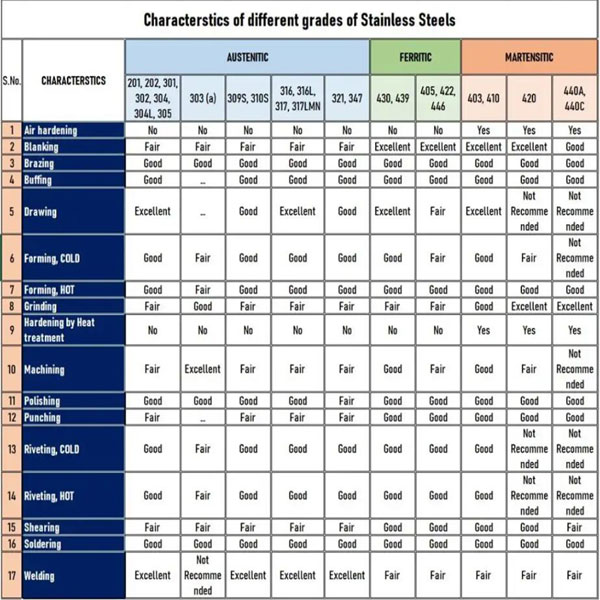
For detailed specifications and technical data on our stainless steel ratings chart, contact Susan Leo at [email protected]. Our manufacturing facility is located in Shenzhen, ensuring precision engineering and rapid prototyping capabilities for your custom requirements. Reach out today to request material certifications, mechanical property details, or application-specific guidance.
🚀 Rapid Prototyping Estimator
Estimate rough cost index based on volume.