
Contents
Manufacturing Insight: Stainless Steel Fasteners In Aluminum
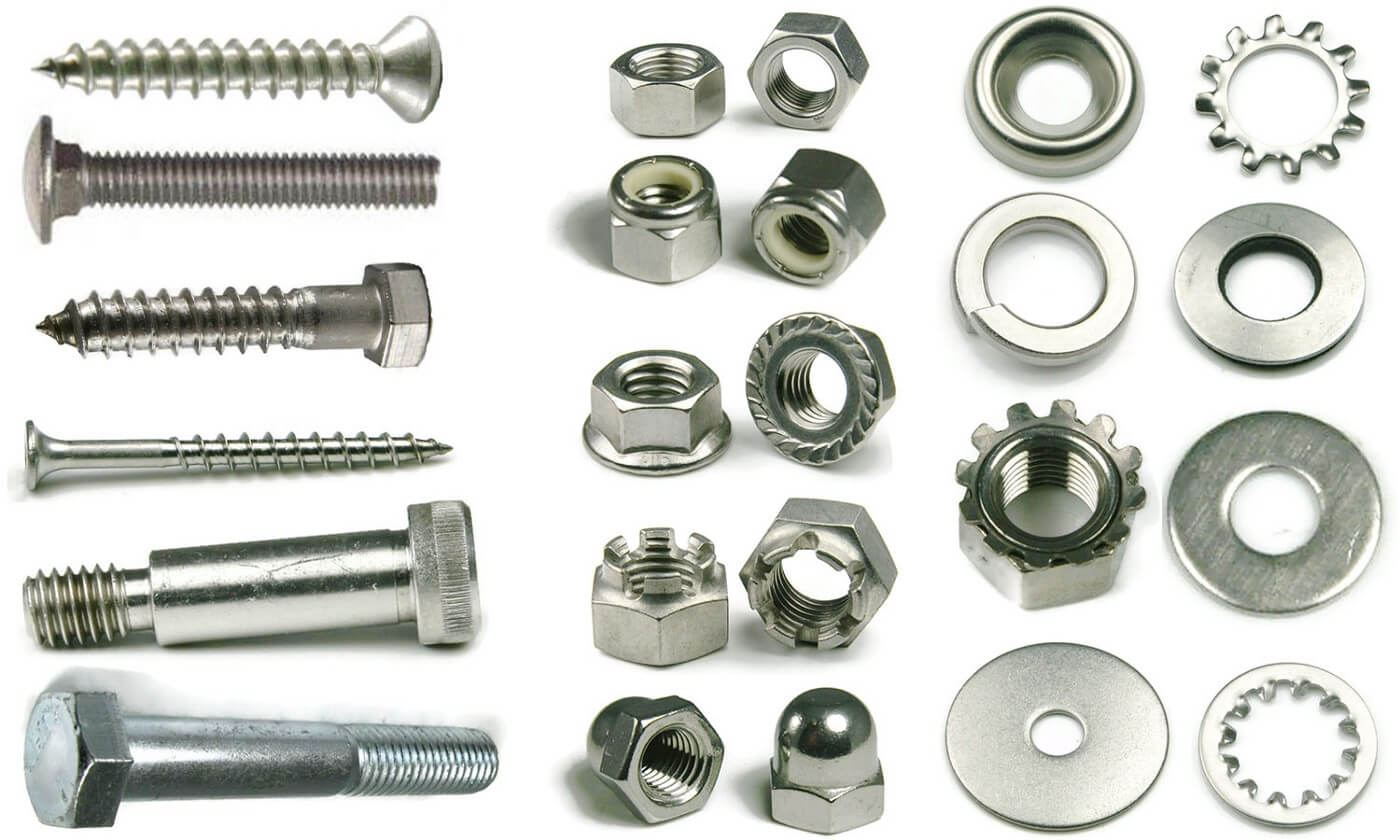
Galvanic corrosion presents a significant engineering challenge when integrating stainless steel fasteners with aluminum components, particularly in demanding aerospace, marine, and industrial applications. The electrochemical potential difference between these dissimilar metals can lead to accelerated degradation at the interface if not meticulously managed during design and manufacturing. At Honyo Prototype, our precision CNC machining expertise directly addresses this critical issue through controlled fabrication processes that ensure optimal surface integrity and dimensional accuracy.
Our advanced CNC milling and turning capabilities enable the production of custom stainless steel fasteners and precisely engineered aluminum mating components with tolerances held to ±0.005mm. This level of precision minimizes micro-crevices where corrosive electrolytes can accumulate, effectively eliminating a primary failure mechanism. We leverage material science insights to recommend optimal fastener grades, surface treatments, and isolation techniques specific to your operational environment, ensuring long-term structural reliability without compromising assembly integrity.
Engineers and procurement teams can rapidly evaluate project feasibility and cost using Honyo Prototype’s Online Instant Quote system. Simply upload your CAD files to receive a detailed manufacturability analysis and competitive pricing within hours, accelerating your path from concept to validated prototype for critical dissimilar metal assemblies.
Technical Capabilities
Technical specifications for stainless steel fasteners used in aluminum components are critical when manufacturing high-precision parts via 3/4/5-axis milling and turning processes. These operations demand tight tolerances, often ±0.0005″ (±0.0127 mm), especially in aerospace, medical, and defense applications. The compatibility of stainless steel fasteners with aluminum structures requires careful consideration of material properties, thread engagement, thermal expansion, and galvanic corrosion prevention.
Below is a table summarizing key technical aspects related to the use of stainless steel fasteners in aluminum assemblies, including relevant materials commonly used in prototyping and production (Aluminum, Steel, ABS, Nylon), and their implications in CNC machining environments.
| Parameter | Description |
|---|---|
| Fastener Material | A2 (304) or A4 (316) Stainless Steel – Chosen for high corrosion resistance, tensile strength (700–800 MPa for 304), and compatibility with aluminum. 316 offers superior chloride resistance. |
| Base Material (Mating) | 6061-T6 or 7075-T6 Aluminum – Commonly used in CNC-machined enclosures and structural parts. 6061 offers good machinability and moderate strength; 7075 provides higher strength but increased tool wear. |
| Thread Engagement Length | Minimum 1.5× fastener nominal diameter in aluminum to prevent thread stripping. For M6, use ≥9 mm depth. Consider helical inserts (e.g., Keensert, Helicoil) for repeated assembly. |
| Tolerance Class | ISO 2768-m (medium) for general features; tight tolerance applications require IT6–IT7 (e.g., ±0.0004″ or 0.01 mm) on critical diameters and bore locations. |
| CNC Process Compatibility | 3/4/5-axis milling ensures precise hole positioning and compound angle access. Turning used for shafts, bushings, or fastener prototypes. High-speed machining (HSM) recommended for aluminum with coated carbide tools. |
| Thermal Expansion Mismatch | Aluminum (23.1 µm/m·°C) expands nearly twice as much as stainless steel (17.3 µm/m·°C). Design must accommodate differential expansion in high-temp environments. |
| Galvanic Corrosion Mitigation | Insulating methods required: use nylon or ABS washers, PTFE tape, or dry-film lubricants. Isolate stainless steel from direct aluminum contact in humid/salt environments. |
| Alternative Non-Metallic Materials | ABS and Nylon used for non-structural, insulating, or low-friction components. ABS (moderate strength, good machinability) and Nylon (high wear resistance, low friction) prevent galvanic issues but have lower stiffness and higher thermal expansion. |
| Torque Specifications | Typical torque for M4 304 SS in 6061-T6: 2.5–3.0 Nm (use anti-seize to prevent galling). Over-torquing leads to thread pull-out in aluminum. |
| Surface Finish & Coating | Fasteners: Passivated 304/316 SS. Aluminum: Anodized (Type II or III) for corrosion resistance and insulation. Avoid bare aluminum in contact zones. |
| Machining Considerations | Coolant use essential when milling aluminum to prevent built-up edge. Peck drilling recommended for deep fastener holes. Use sharp, high-rake aluminum-specific tooling. |
This technical framework ensures reliable, dimensionally accurate assemblies when integrating stainless steel fasteners into aluminum components using advanced CNC machining techniques.
From CAD to Part: The Process
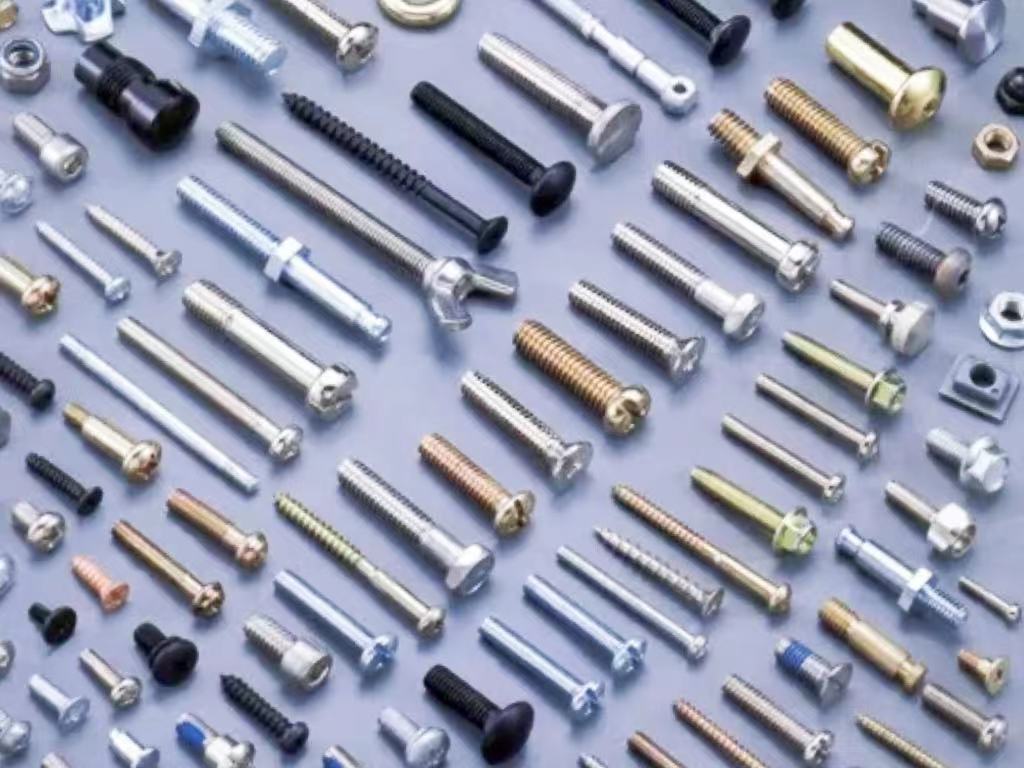
Honyo Prototype Stainless Steel Fasteners in Aluminum Manufacturing Process
Honyo Prototype executes a rigorously controlled process for components integrating stainless steel fasteners within aluminum substrates, ensuring material compatibility and structural integrity. This process begins with the client uploading a detailed 3D CAD model to our secure portal. Our system immediately performs geometric validation, checking for critical factors like thread engagement depth, clearance holes in aluminum, and proximity to material interfaces where galvanic corrosion risks exist between dissimilar metals.
The validated CAD model progresses to our proprietary AI-powered quoting engine. This system analyzes the geometry, material specifications (typically 304/316 stainless steel fasteners with 6061-T6 or 7075-T6 aluminum), and surface finish requirements. Crucially, it flags potential galvanic corrosion risks based on the aluminum alloy, fastener material, and environmental exposure class defined in the RFQ. The AI generates a comprehensive quote within hours, including material cost breakdowns, estimated lead time, and preliminary DFM notes highlighting any detected material interaction concerns.
Engineered DFM review follows immediately after quote acceptance. Our senior manufacturing engineers conduct a deep-dive analysis focused specifically on the stainless-aluminum interface. We verify adequate thread engagement in the aluminum (minimum 1.5x nominal diameter), confirm isolation methods such as non-conductive washers or sealants per ASTM standards, and assess the need for anodizing thickness adjustments around fastener locations. We evaluate aluminum heat treatment stability during any secondary operations and ensure fastener torque specifications won’t cause aluminum thread stripping. Clients receive a formal DFM report with actionable recommendations, such as specifying chromate conversion coating on aluminum or recommending specific stainless steel passivation per ASTM A967.
Production commences only upon DFM sign-off. Aluminum components undergo precision machining with carbide tooling optimized for non-ferrous materials, followed by mandatory anodizing (Type II or III) with controlled coating thickness—typically 0.0005″ to 0.001″ for 6061-T6. Critical fastener holes receive post-anodizing reaming or honing to maintain geometric tolerances. Stainless steel fasteners are passivated and often receive additional isolation coatings like PTFE or zinc-nickel plating before assembly. All assembly occurs in controlled environments with calibrated torque tools, and we implement rigorous in-process inspection of thread fit and torque values per ISO 2768-mK.
Final delivery includes comprehensive traceability documentation: material certs for both aluminum and stainless steel alloys, anodizing process reports with thickness verification data, torque validation logs, and first-article inspection reports per AS9102. For critical applications, we provide optional salt spray test results (ASTM B117) validating the corrosion protection system at the metal interface. Standard lead time for this specialized process is 12-15 business days from CAD upload to shipment, with expedited options available for qualified projects.
Start Your Project
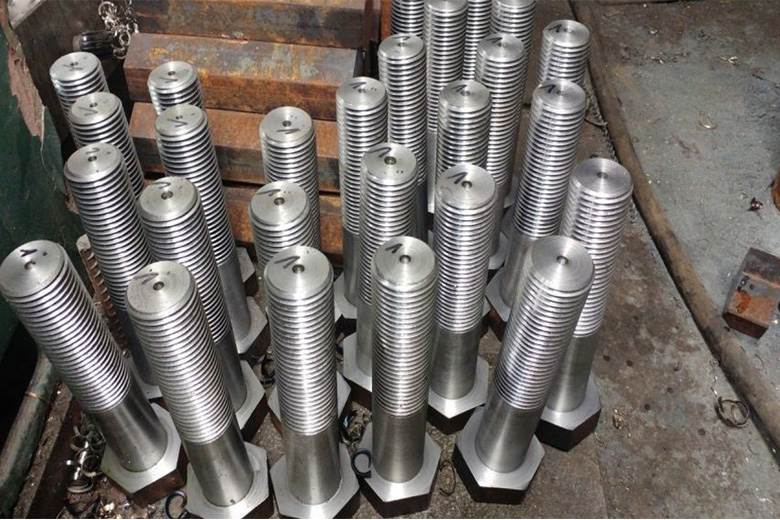
Looking for high-quality stainless steel fasteners in aluminum components? Honyo Prototype delivers precision-engineered solutions with tight tolerances and excellent corrosion resistance, ideal for demanding industrial and OEM applications. Our manufacturing facility in Shenzhen ensures fast turnaround and strict quality control.
Contact Susan Leo at [email protected] to discuss your project requirements and receive a competitive quote.
🚀 Rapid Prototyping Estimator
Estimate rough cost index based on volume.