
Contents
Manufacturing Insight: Stainless Steel Charts
Precision Stainless Steel Machining: Your Material Reference Guide
Selecting the optimal stainless steel grade is critical for achieving performance, durability, and cost efficiency in precision components. At Honyo Prototype, we understand that material properties directly impact machinability, corrosion resistance, and final part functionality. This reference guide provides essential mechanical and chemical data for common stainless steel alloys, empowering engineers to make informed decisions during the design and prototyping phases.
Honyo Prototype specializes in high-accuracy CNC machining of stainless steel, including 303, 304/L, 316/L, 17-4 PH, and 416 grades. Our advanced 3-, 4-, and 5-axis milling and turning capabilities ensure tight tolerances (±0.0002″), superior surface finishes, and consistent repeatability—even for complex geometries requiring secondary operations like passivation or precision grinding. We leverage material-specific tooling strategies and process parameters to minimize work hardening, optimize chip control, and maintain dimensional integrity across both austenitic and martensitic grades.
This stainless steel chart serves as a practical starting point for material selection, but real-world application success depends on expert manufacturing execution. To accelerate your project from design to physical prototype, utilize Honyo’s Online Instant Quote platform. Upload your CAD file, specify material requirements, and receive a detailed manufacturability analysis with competitive pricing in under 60 seconds—enabling faster iteration and reduced time-to-market for mission-critical components.
| Key Stainless Steel Grades Processed at Honyo Prototype |
|---|
| Grade |
| 304/L |
| 316/L |
| 17-4 PH |
| 416 |
Technical Capabilities
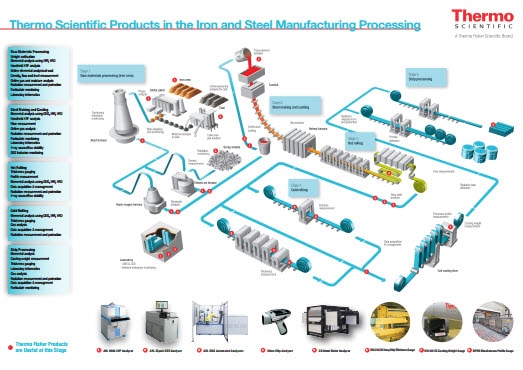
Stainless Steel Machining Technical Specifications for 3/4/5-Axis Milling and Turning – Tight Tolerance Applications
The following table outlines key technical specifications and capabilities for machining stainless steel and other common materials using 3-axis, 4-axis, and 5-axis CNC milling and turning processes. These standards reflect high-precision manufacturing practices suitable for prototyping and low-to-medium volume production at Honyo Prototype.
| Parameter | Specification Detail |
|---|---|
| Machining Processes | 3-Axis CNC Milling, 4-Axis CNC Milling (indexing), 5-Axis Simultaneous Milling, CNC Turning (Swiss and Mill-Turn) |
| Material Compatibility | Stainless Steel (303, 304, 316, 17-4 PH), Aluminum (6061-T6, 7075-T6), Tool Steel, Mild Steel, ABS, Nylon (PA6, PA66), PEEK, Delrin |
| Tight Tolerance Capability | ±0.0002″ (±0.005 mm) for critical features; ±0.001″ (±0.025 mm) typical for non-critical |
| Surface Finish (Milling) | 32–125 μin Ra (typical); down to 8–16 μin Ra with polishing or grinding post-process |
| Surface Finish (Turning) | 16–63 μin Ra; fine finishes achievable with single-point tooling and controlled feed |
| Minimum Feature Size | 0.020″ (0.5 mm) end mill capability; micro-tooling options available for fine details |
| Max Work Envelope (Milling) | 5-Axis: 24″ x 36″ x 20″ (600 x 900 x 500 mm); 3/4-Axis: up to 40″ x 20″ x 20″ (1000 x 500 x 500 mm) |
| Max Part Diameter (Turning) | 2.0″ (50 mm) standard Swiss turning; up to 6.0″ (150 mm) on mill-turn centers |
| Spindle Speed Range | Milling: 20,000 RPM standard, up to 30,000 RPM with high-speed spindles; Turning: up to 12,000 RPM |
| Positioning Accuracy | ±0.0001″ (±0.0025 mm) with laser calibration and thermal compensation |
| Repeatability | ±0.00015″ (±0.004 mm) across multiple production runs |
| Coolant & Lubrication | High-pressure through-spindle coolant for stainless steel; air cooling for plastics |
| Fixturing | Custom soft jaws, vacuum chucks, modular vices, and rotary trunnion setups for 5-axis |
| Inspection & QA | CMM, optical comparators, surface profilometers, and laser scanning for GD&T validation |
| Lead Time (Typical) | 5–10 business days for complex tight-tolerance parts, including first-article inspection |
These specifications ensure high dimensional accuracy, excellent surface integrity, and repeatability for mission-critical components in aerospace, medical, and industrial applications. Material selection is optimized based on mechanical requirements, corrosion resistance, and machinability—stainless steel grades are preferred for durability and biocompatibility, while aluminum and engineering plastics (ABS, Nylon) are used for lightweight or insulative parts.
From CAD to Part: The Process
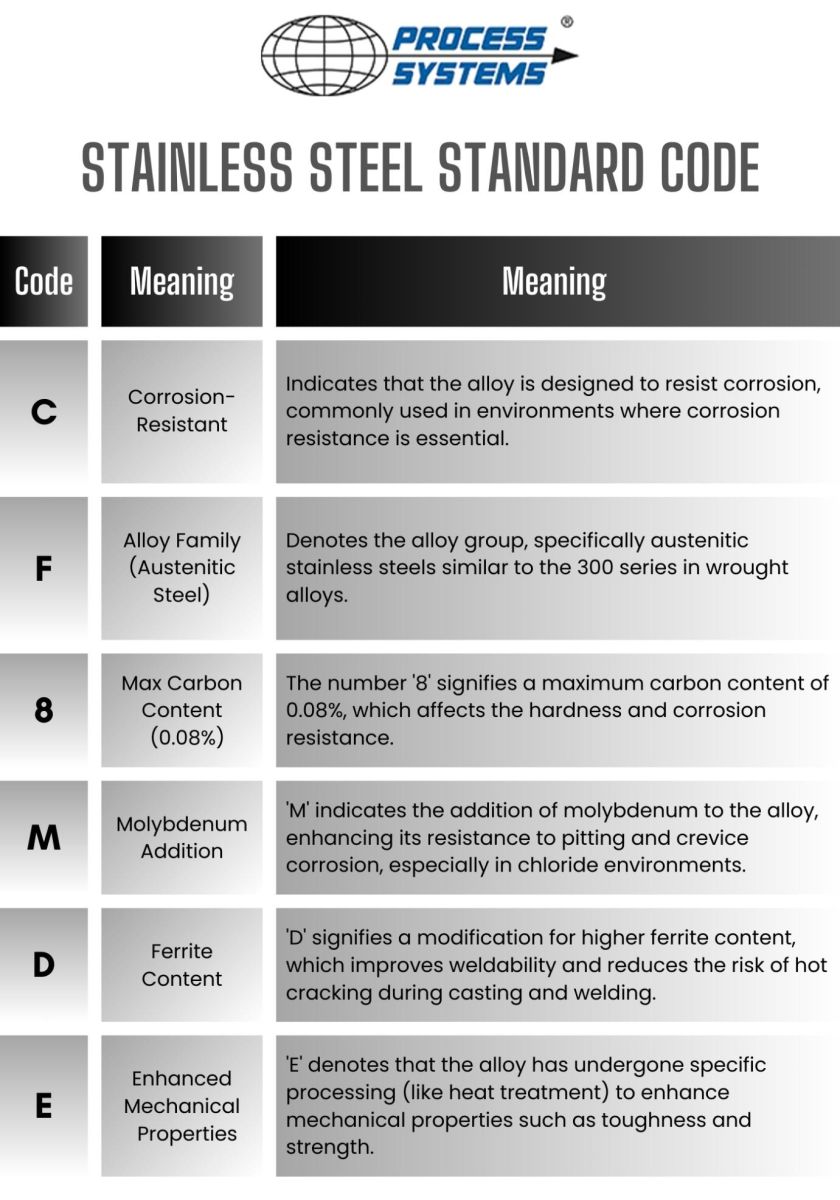
Honyo Prototype Stainless Steel Parts Manufacturing Process
Honyo Prototype utilizes a streamlined digital workflow for stainless steel part fabrication, designed to minimize lead time while ensuring manufacturability and quality. The term “stainless steel charts” appears to be a misnomer; our standard process applies to precision stainless steel components. Below is the exact sequence:
Upload CAD
Customers initiate the process by uploading native or neutral CAD files (STEP, IGES, SLDPRT, etc.) via our secure client portal. Our system automatically validates file integrity and extracts critical geometry data. For stainless steel projects, material grade specifications (e.g., 304/L, 316/L, 17-4 PH) and surface finish requirements must be explicitly defined in the upload metadata to ensure accurate downstream processing.
AI-Powered Quoting
Uploaded CAD data is processed by Honyo’s proprietary AI quoting engine, which analyzes geometric complexity, material utilization, and machine time requirements. The system cross-references real-time data on stainless steel sheet/bar stock availability, current machine utilization rates, and grade-specific machining parameters (e.g., reduced feed rates for 316 vs. 304 to mitigate work hardening). Within 2 hours, clients receive a formal quote including material cost breakdown, secondary operation estimates (e.g., passivation, laser marking), and delivery timeline.
Engineering-Driven DFM Analysis
Post-quote acceptance, Honyo’s manufacturing engineering team conducts a formal Design for Manufacturability (DFM) review. For stainless steel, this phase is critical due to material-specific challenges:
Identification of thin-walled features prone to chatter during CNC milling
Verification of weld joint designs to prevent intergranular corrosion
Assessment of tight-tolerance features requiring stress-relieved stock
Recommendations for alternative grades where cost/performance optimization is possible (e.g., substituting 303 for non-corrosive environments)
Engineers collaborate directly with the client to resolve conflicts, providing annotated 3D markups and process-specific justification for all suggested modifications. No design is released to production without client sign-off on the DFM report.
Integrated Production Execution
Approved designs move to our climate-controlled production floor with dedicated stainless steel workcells. Key protocols include:
Material traceability via laser-etched heat numbers on all stock
Machining using carbide tooling optimized for stainless alloys with coolant-through spindles to prevent galling
Welding under argon shielding with post-weld pickling/passivation per ASTM A967
In-process CMM validation at critical stages for features below 0.05mm tolerance
All stainless steel components undergo final decontamination to remove free iron particles before finishing operations.
Quality-Controlled Delivery
Prior to shipment, parts undergo final inspection against ASME Y14.5 standards. For stainless steel, this includes:
Surface roughness verification (Ra values) via profilometer
Visual inspection for discoloration or heat tint on weld zones
Material certification documentation matching supplied heat numbers
Dimensional report with FAI (First Article Inspection) data where required
Finished components are packaged in anti-static, non-chloride VCI paper with desiccants to prevent flash rusting during transit. Real-time shipment tracking is provided via the client portal.
Typical Timeline for Stainless Steel Parts
| Process Stage | Standard Duration | Key Dependencies |
|---|---|---|
| CAD Upload to Quote | < 2 hours | Complete material specifications |
| DFM Resolution | 1-3 business days | Client response time |
| Production | 5-12 business days | Part complexity, heat treatment |
| Final Inspection | 1 business day | FAI requirements |
This closed-loop process ensures stainless steel components meet stringent industry requirements for medical, aerospace, and fluid handling applications while maintaining Honyo’s 99.2% on-time delivery rate. All process data is archived for full traceability through our ISO 9001:2015-certified quality management system.
Start Your Project
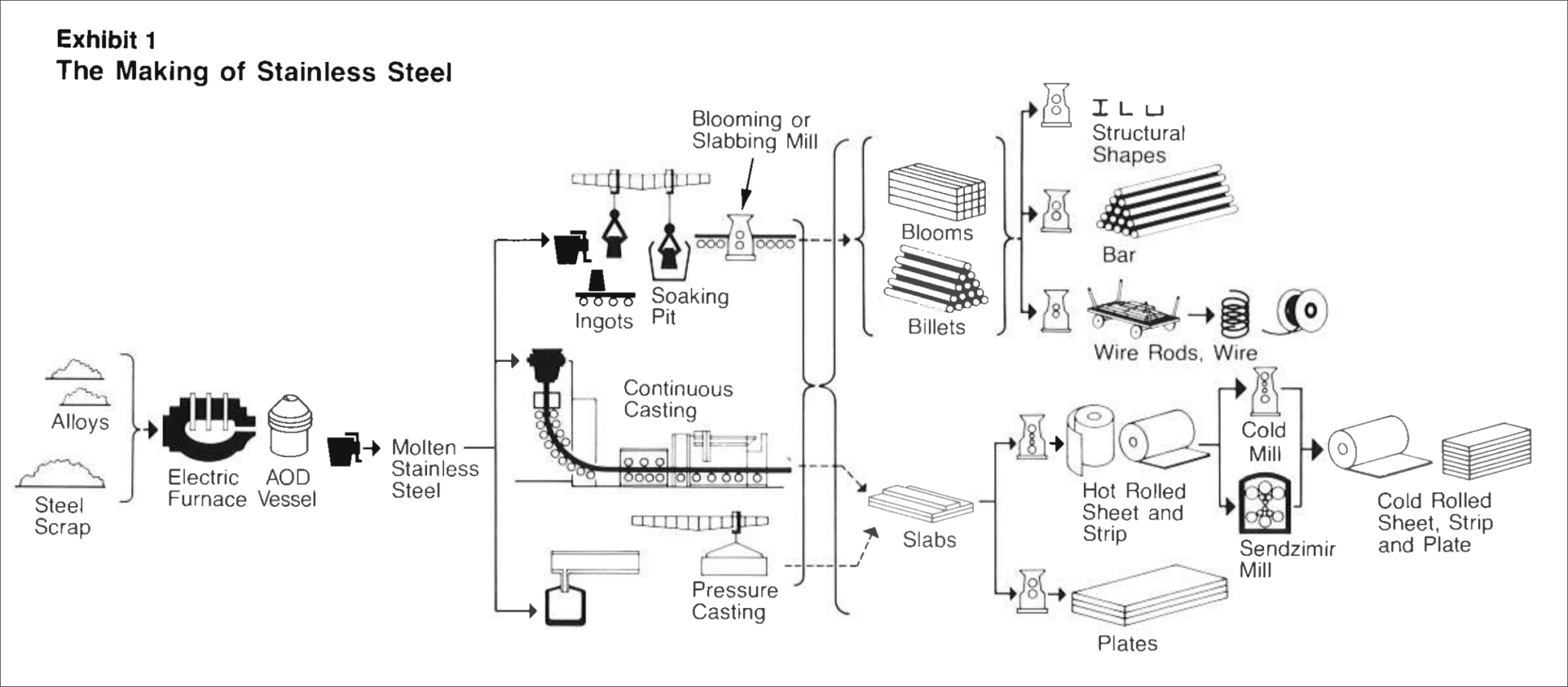
For detailed stainless steel material specifications and technical charts, contact Susan Leo at [email protected]. Our engineering team in Shenzhen provides comprehensive support for material selection, prototyping, and production-grade fabrication. Reach out to discuss your project requirements and receive expert guidance tailored to your application.
🚀 Rapid Prototyping Estimator
Estimate rough cost index based on volume.