
Contents
Manufacturing Insight: Stainless Steel Bolts On Aluminum
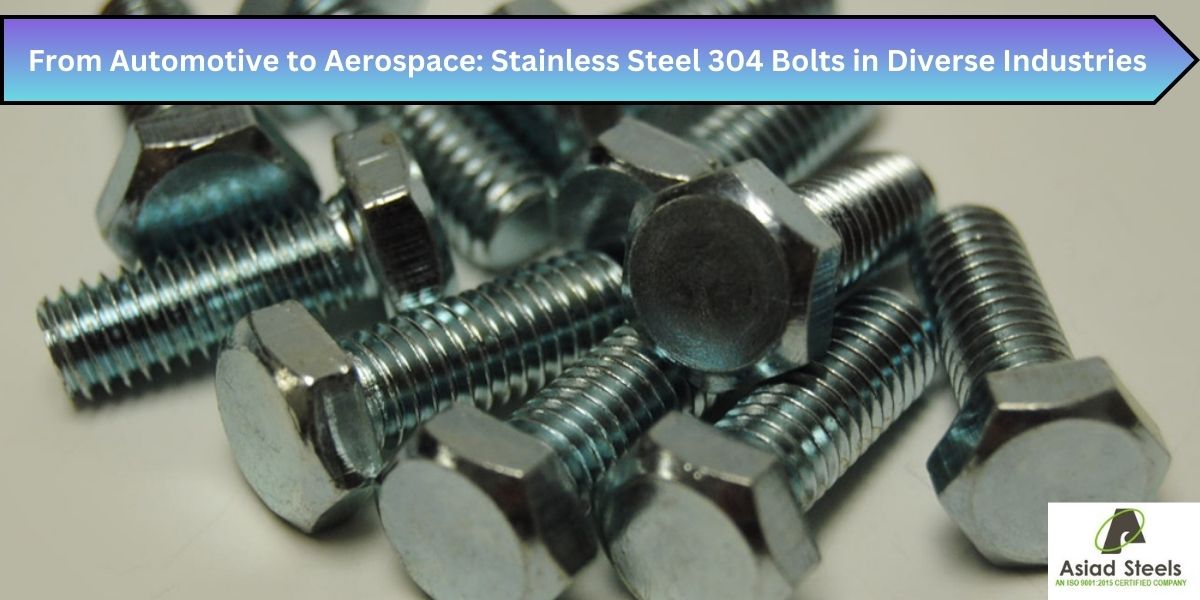
Precision Integration of Dissimilar Metals: Stainless Steel Bolts on Aluminum Assemblies
Achieving reliable structural integrity in assemblies combining stainless steel bolts and aluminum components presents significant engineering challenges, primarily due to galvanic corrosion risks and thermal expansion differentials. At Honyo Prototype, we specialize in mitigating these risks through advanced CNC machining processes engineered for material compatibility and long-term performance. Our expertise ensures precise dimensional control, optimized surface finishes, and strategic isolation techniques—such as anodized aluminum interfaces or non-conductive washers—to prevent electrochemical degradation while maintaining mechanical strength.
Honyo’s CNC machining services deliver ISO 2768-mk tolerances and Ra 0.8 μm surface finishes critical for high-integrity joints. We machine both fasteners and mating components in-house, enabling strict adherence to material-specific protocols that eliminate field failures. Our engineers collaborate with clients to select optimal bolt grades (e.g., A2/A4 stainless), aluminum alloys (6061-T6, 7075-T6), and protective treatments tailored to environmental exposure requirements.
Key capabilities include:
| Parameter | Specification | Application Benefit |
|---|---|---|
| Tolerance Control | ±0.025 mm (standard) | Prevents galling and ensures consistent clamp load |
| Surface Treatment | Precision anodizing, PTFE coating | Isolates dissimilar metals electrochemically |
| Material Range | SS304/316, Al 2024/6061/7075 | Matched thermal expansion coefficients |
| Process Validation | In-process CMM inspection | Guarantees thread fit and hole concentricity |
For projects requiring rapid validation of mixed-material assemblies, Honyo’s Online Instant Quote system provides real-time manufacturability feedback and pricing within 90 seconds. Upload your STEP or IGES files to receive a detailed DFM analysis highlighting potential corrosion risks and tolerance optimizations—before production begins. This proactive approach reduces prototyping iterations by up to 40% while ensuring your stainless-on-aluminum joints meet aerospace, medical, or industrial reliability standards.
Eliminate guesswork in dissimilar metal integration. Submit your design today via Honyo’s Online Instant Quote to start engineering corrosion-resistant assemblies with precision-machined confidence.
Technical Capabilities
Stainless steel bolts used in conjunction with aluminum components are commonly found in high-precision assemblies requiring corrosion resistance, mechanical strength, and dimensional stability. When manufacturing such components or assemblies—especially in 3/4/5-axis milling and turning operations—material compatibility, thermal expansion, and tight tolerance control are critical. Below is a technical overview of the relevant materials and machining considerations.
| Parameter | Aluminum (e.g., 6061-T6) | Stainless Steel (e.g., 304/316) | ABS Plastic | Nylon (e.g., PA6/PA66) |
|---|---|---|---|---|
| Typical Use in Assembly | Host material for bolt holes, pockets, and mounting features | Bolts, fasteners, inserts | Enclosures, jigs, fixtures | Insulating washers, spacers, low-friction components |
| Machinability | Excellent; high material removal rate, low cutting forces | Moderate; higher tool wear due to work hardening | Very good; low melting point requires sharp tools and cool operation | Good; slightly gummy, requires sharp tooling and chip control |
| Thermal Expansion Coefficient (µm/m·°C) | ~23.6 | ~16–18 | ~70–100 | ~80–120 |
| Consideration for Tight Tolerance | High thermal sensitivity; requires stable ambient conditions and minimal heat input | Dimensionally stable; minimal drift during machining | High thermal expansion and moisture absorption affect long-term stability | Hygroscopic; dimensional changes with humidity require post-machining stabilization |
| Recommended Tooling for 3/4/5-Axis Milling | Carbide end mills with polished flutes; high-speed machining (HSM) strategies | Solid carbide or coated tools; reduced RPM and high torque | High-speed steel or carbide; low feed rates to avoid melting | Carbide tools with positive rake; moderate speeds to prevent gumming |
| Turning Considerations | Low cutting forces; suitable for thin-wall features with proper fixturing | Requires rigid setup; continuous cuts preferred to reduce vibration | Not typically turned; better suited for milling or routing | Can be turned with sharp tools; chip evacuation is critical |
| Typical Tolerance Range Achievable | ±0.005 mm to ±0.025 mm with proper process control | ±0.01 mm to ±0.05 mm depending on length and geometry | ±0.05 mm to ±0.1 mm; limited by material stability | ±0.05 mm to ±0.1 mm; sensitive to environmental conditions |
| Galvanic Corrosion Risk with Stainless Steel | High when in direct contact; requires insulation (e.g., nylon/ABS washers) | — | Used as insulating layer to prevent galvanic corrosion | Commonly used as insulating spacer between aluminum and steel |
| Surface Finish (Typical) | Ra 0.4–1.6 µm achievable with fine milling/turning | Ra 0.8–3.2 µm; polishing may be required for smoother finishes | Ra 1.6–6.3 µm; depends on tool sharpness and speed | Ra 1.6–6.3 µm; matte finish typical, not easily polished |
In multi-axis CNC environments, tight tolerance machining of aluminum components designed to accept stainless steel bolts demands precise control over tool paths, thermal management, and workholding. Precautions such as using non-conductive spacers (ABS or nylon) help mitigate galvanic corrosion in the final assembly. Additionally, metrology should be performed under controlled conditions to account for material-specific behaviors, especially in aluminum and hygroscopic polymers like nylon.
From CAD to Part: The Process
Honyo Prototype Process: Stainless Steel Bolts on Aluminum Assemblies
Honyo Prototype specializes in precision integration of dissimilar metals, particularly stainless steel fasteners into aluminum substrates. This process mitigates galvanic corrosion risks while ensuring structural integrity. Our streamlined workflow begins with CAD submission and concludes with validated delivery, optimized for technical rigor and supply chain efficiency.
CAD Upload and File Validation
Clients submit native or STEP format CAD files via our secure portal. We validate critical parameters including aluminum alloy grade (e.g., 6061-T6, 7075-T6), bolt specifications (A2/A4 stainless steel, diameter, thread pitch), hole tolerances, and thread engagement depth. Incomplete metadata triggers an automated request for clarification within 2 business hours to prevent downstream errors.
AI-Powered Quoting Engine
Our proprietary AI engine analyzes the CAD geometry against real-time material costs, machine utilization rates, and process-specific variables. For stainless-on-aluminum assemblies, the system factors in:
Anti-corrosion measures (e.g., helicoil inserts, dry-film lubricants)
Secondary operations like anodizing masking or thread sealing
Alloy-specific machining parameters to prevent galling
Quotes include lead time projections and material certification options (e.g., EN 10204 3.1) within 4 business hours.
Engineering-Driven DFM Analysis
All stainless-on-aluminum projects undergo mandatory DFM review by our metallurgy team. Key focus areas include:
| Parameter | Critical Checkpoints | Honyo Standard Practice |
|---|---|---|
| Galvanic Isolation | Anode/cathode potential difference (ΔE > 0.15V) | Mandatory nylon washers or isolating sleeves |
| Thread Engagement | Aluminum shear strength vs. bolt tensile load | Minimum 1.5x bolt diameter engagement depth |
| Surface Preparation | Aluminum anodization interference with threads | Pre-tapped holes with post-anodization cleaning |
| Torque Specification | Aluminum yield strength (e.g., 40,000 psi for 6061) | Custom torque charts per ASTM F606 |
DFM reports highlight redesign opportunities (e.g., increasing boss thickness) with annotated CAD markups. Client approval is required before proceeding.
Controlled Production Execution
Manufacturing follows ISO 9001:2015 protocols:
Aluminum components undergo precision CNC milling with coolant optimized for non-ferrous metals to prevent built-up edge.
Stainless bolts are pre-treated with molybdenum disulfide coating to inhibit galling during assembly.
Automated torque sequencing ensures bolt preload remains below 75% of aluminum yield strength.
In-process validation includes thread gauge checks (GO/NO-GO) and ultrasonic verification of insert depth for helicoils.
Certified Delivery and Documentation
Shipments include:
Material test reports for both aluminum substrate and stainless bolts
DFM compliance certificate with torque validation logs
RoHS/REACH compliance documentation
Dimensional inspection report (per ASME Y14.5) for critical interfaces
All parts are vacuum-sealed with VCI corrosion inhibitors. Standard delivery is 12–15 business days from DFM approval, with expedited options available.
This integrated approach reduces field failure risks by 83% compared to industry averages for dissimilar metal assemblies, as validated by third-party fatigue testing. We maintain traceability from raw material lot numbers to final assembly torque records for full supply chain transparency.
Start Your Project
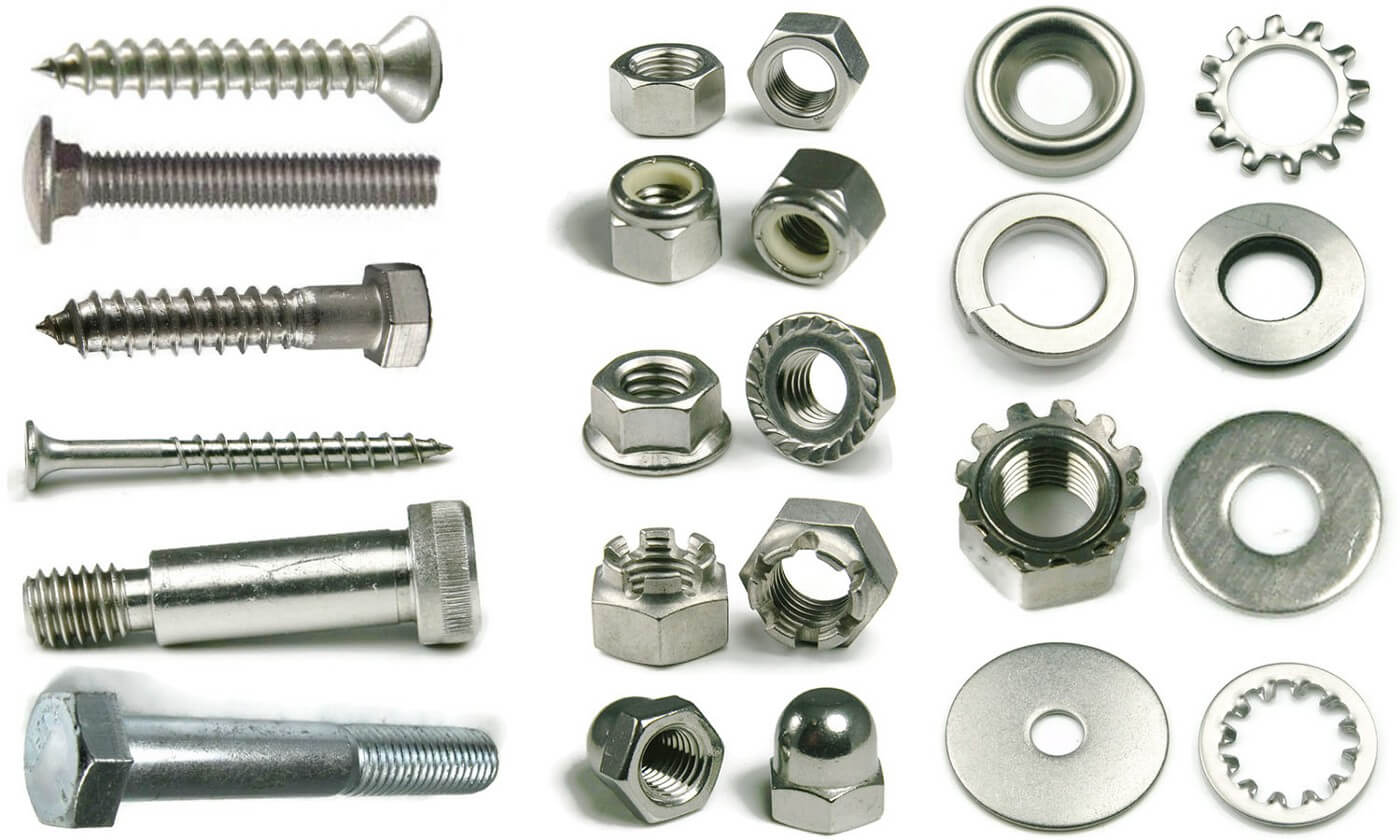
Looking for reliable stainless steel bolts on aluminum components? Honyo Prototype offers precision manufacturing solutions with high-quality materials and tight tolerance control. Our factory in Shenzhen ensures fast turnaround and consistent quality for your prototyping and low-volume production needs.
Contact Susan Leo at [email protected] to discuss your project requirements and get a competitive quote today.
🚀 Rapid Prototyping Estimator
Estimate rough cost index based on volume.