
Contents
Manufacturing Insight: Stainless Steel 3D Print
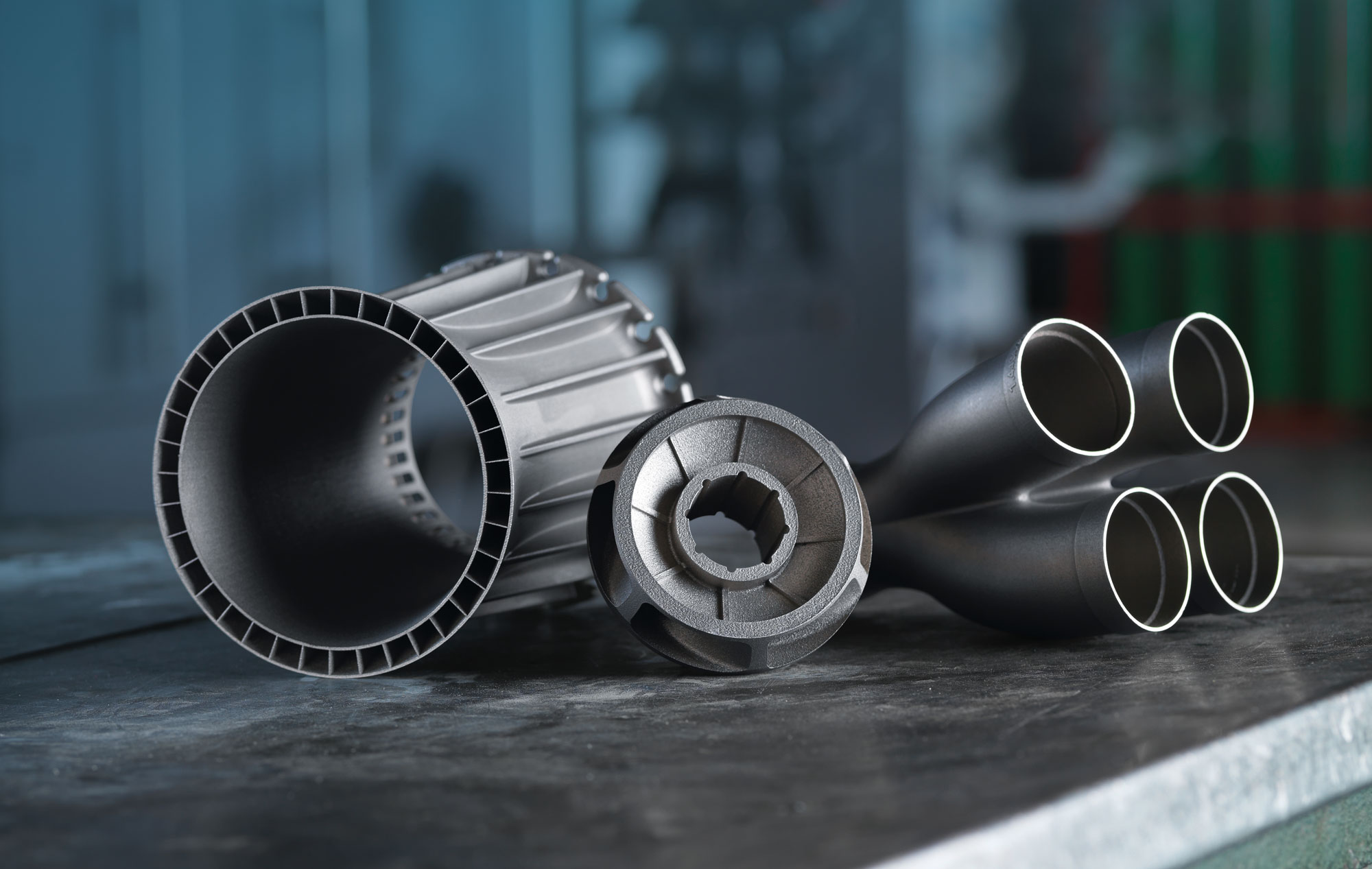
Industrial-Grade Stainless Steel 3D Printing for Mission-Critical Applications
Honyo Prototype delivers precision stainless steel additive manufacturing solutions engineered for demanding industrial sectors including aerospace, medical device, and energy. Our certified metal 3D printing processes leverage laser powder bed fusion technology to produce end-use components in industry-standard alloys such as 316L and 17-4PH, meeting stringent ASTM F75 and ISO 13485 requirements for mechanical properties, biocompatibility, and corrosion resistance. Unlike prototyping-focused services, we prioritize production-ready part integrity through in-process monitoring, post-build heat treatment validation, and metallurgical certification to ensure dimensional accuracy within ±0.05mm and surface finishes down to Ra 4.0 µm.
Our industrial infrastructure supports batch production scalability while maintaining rigorous quality control across every build layer. This enables complex geometries—internal cooling channels, lattice structures, and consolidated assemblies—that eliminate traditional manufacturing constraints without compromising material performance. For rapid project initiation, Honyo Prototype’s Online Instant Quote system provides real-time, geometry-aware pricing within minutes. Upload your CAD file to receive an immediate cost assessment factoring in material density, support requirements, and build orientation optimization, accelerating your path from design validation to certified production.
Engineers and procurement teams rely on our closed-loop manufacturing ecosystem to reduce lead times by up to 70% compared to CNC machining for low-volume, high-complexity stainless steel components. Partner with Honyo Prototype to transform your most challenging metal part requirements into validated, supply-chain-ready solutions backed by full material traceability and NDT testing documentation.
Technical Capabilities
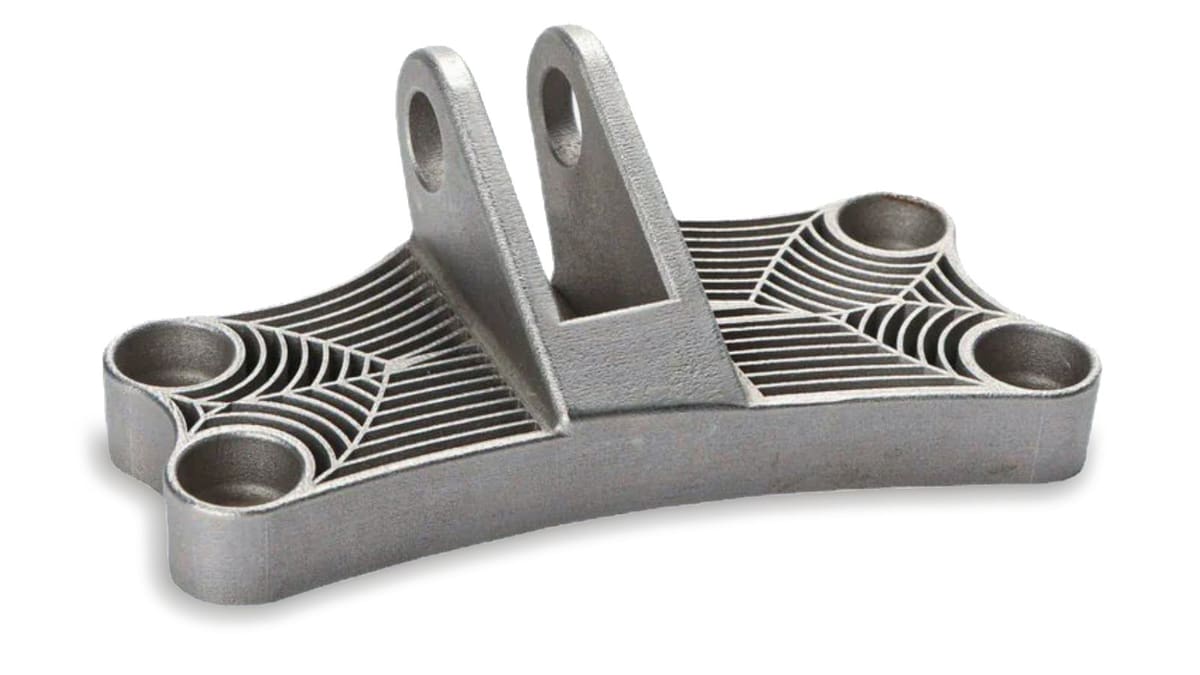
Stainless steel 3D printing is commonly associated with metal additive manufacturing processes such as Direct Metal Laser Sintering (DMLS), while SLA, SLS, and MJF are typically used for polymers and not directly compatible with stainless steel. However, for clarity, the following table outlines the technical specifications and compatible materials for each of the mentioned 3D printing technologies, with a focus on their applicability to stainless steel and other common materials like aluminum, steel, ABS, and nylon.
| Technology | Process Overview | Compatible Materials | Stainless Steel Capability | Aluminum Capability | Steel Variants (Other) | Polymer Compatibility (ABS/Nylon) | Typical Layer Thickness | Surface Finish | Common Applications |
|---|---|---|---|---|---|---|---|---|---|
| SLA (Stereolithography) | Uses UV laser to cure photopolymer resins layer by layer | Photopolymer resins (standard, engineering, castable, dental) | Not applicable | Not applicable | Not applicable | ABS-like resins available; nylon not supported | 25–100 microns | Smooth, high detail | Prototypes, molds, dental models |
| SLS (Selective Laser Sintering) | High-power laser sinters powdered polymer material | Nylon (PA11, PA12), TPU, composites (glass-filled, carbon-filled) | Not applicable | Not applicable | Not applicable | ABS not typically used; nylon is primary material | 80–120 microns | Slightly grainy, good mechanical properties | Functional prototypes, end-use parts, complex geometries |
| MJF (Multi Jet Fusion) | Inkjet array deposits fusing and detailing agents, then heat is applied | Nylon (PA11, PA12), TPU, glass-filled variants | Not applicable | Not applicable | Not applicable | ABS not supported; optimized for nylon-based materials | 80 microns | Smooth, consistent, slightly porous | Production parts, jigs, fixtures, enclosures |
| DMLS (Direct Metal Laser Sintering) | High-powered laser sinters metal powder layer by layer | Stainless steel (17-4 PH, 316L), Inconel, titanium, aluminum alloys (AlSi10Mg), tool steels | Yes – 316L and 17-4 PH commonly used | Yes – AlSi10Mg standard | Yes – including maraging steel, tool steel | Not applicable | 20–50 microns | Rough as-printed; requires post-processing | Aerospace, medical, tooling, high-stress components |
Notes:
SLA is not a metal 3D printing process and cannot produce stainless steel parts.
SLS and MJF are polymer-based technologies; they support nylon and TPU but not stainless steel or aluminum. MJF offers higher throughput and consistency compared to SLS.
DMLS is the appropriate technology for stainless steel and aluminum metal parts, offering high strength and precision for industrial applications.
While ABS is widely used in FDM, it is not compatible with SLA, SLS, or MJF in standard forms. Some SLS materials mimic ABS properties but are nylon-based.
Post-processing such as heat treatment, HIP, and machining is often required for DMLS parts to achieve desired mechanical properties.
From CAD to Part: The Process
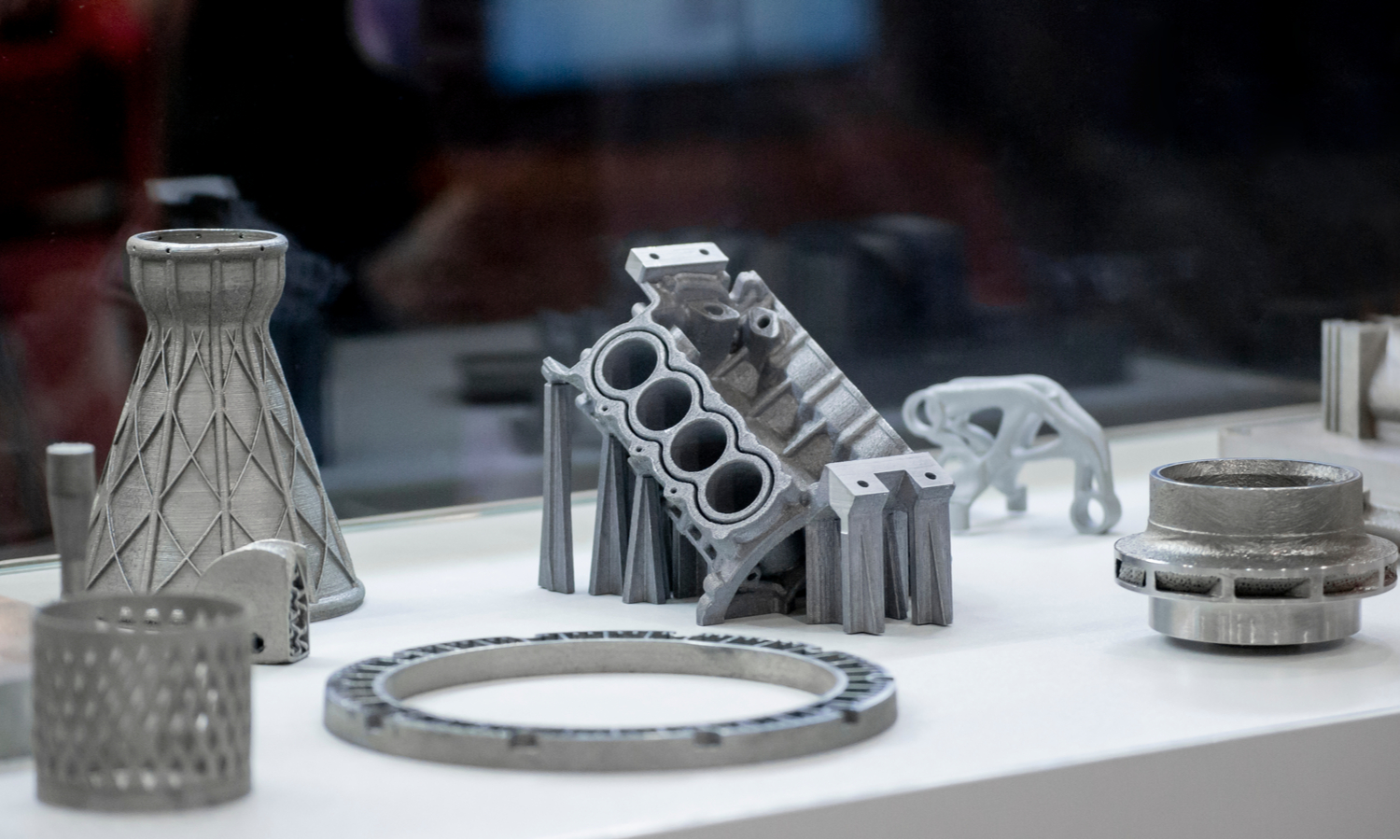
Honyo Prototype maintains a rigorous, end-to-end workflow for stainless steel 3D printing projects, designed to ensure precision, efficiency, and seamless integration with client engineering processes. Our standardized sequence begins with CAD file submission and culminates in certified part delivery, incorporating critical quality gates at each stage.
CAD File Upload and Initial Processing
Clients initiate the process by uploading native CAD files (STEP, IGES, or native formats from SolidWorks, Creo, Siemens NX, or Fusion 360) via our secure customer portal. The system performs automated validation checks for geometry integrity, watertightness, and minimum feature size compliance relative to stainless steel additive constraints (e.g., 0.4mm minimum wall thickness for 316L). Unsupported formats trigger an immediate notification requesting conversion to an acceptable standard. All uploads undergo encryption and version control logging for auditability.
AI-Powered Quoting Engine
Validated CAD data is processed through our proprietary AI quoting system, which analyzes over 50 geometric and material parameters specific to stainless steel alloys (316L, 17-4PH, 304L). The engine dynamically calculates build time, support structure requirements, material consumption, and post-processing complexity based on real-time machine availability and historical build success rates. Key inputs and outputs include:
| Parameter Category | Inputs Analyzed | Output Determination |
|---|---|---|
| Geometric | Volume, bounding box, overhangs >45°, internal channels | Optimal build orientation, support density |
| Material | Alloy specification, density requirements | Powder consumption, sintering parameters |
| Process | Surface finish grade (as-built to polished), tolerance class | Post-processing labor estimate |
| Logistics | Target lead time, delivery location | Expedited handling fees (if applicable) |
The system generates a formal quotation within 90 minutes, including cost breakdowns, estimated lead time, and preliminary manufacturability flags. Clients receive interactive 3D previews highlighting potential risk zones requiring DFM intervention.
Engineer-Led DFM Analysis
Quoted projects enter our mandatory Design for Additive Manufacturing review conducted by ASME-certified manufacturing engineers specializing in metal AM. This phase focuses on stainless steel-specific failure modes: thermal distortion in thin features, residual stress in complex lattice structures, and support removability in internal cavities. Engineers utilize simulation tools (Netfabb, Materialise Magics) to validate thermal profiles and propose actionable revisions such as:
Adding sacrificial thermal anchors to prevent warpage in cantilevered geometries
Modifying internal channel radii to accommodate minimum powder evacuation diameters
Adjusting wall thickness transitions to avoid hot cracks in 17-4PH builds
Clients receive a formal DFM report with annotated 3D models and revised CAD suggestions. Approval requires explicit sign-off via the portal before production release.
Production Execution
Approved builds proceed to our certified production floor housing EOS M290 and M400-4 systems operating under ISO 9001:2015 controls. Stainless steel builds follow strict protocols:
Powder management per ASTM F3055: Sieving, oxygen monitoring (<500ppm), and batch traceability
Inert argon atmosphere with <25ppm oxygen during builds
Layer-wise thermal monitoring via integrated infrared cameras
Real-time melt pool analysis for defect detection
Post-build, parts undergo standardized sequences: stress relief annealing (for 17-4PH), HIP (if specified), precision support removal, bead blasting (120-150μm Ra), and final dimensional validation via CMM against client GD&T callouts. All process parameters are recorded in our digital twin system for full traceability.
Certified Delivery and Documentation
Completed parts ship in ESD-safe containers with comprehensive documentation packages including:
Material test reports (MTRs) with chemical composition and mechanical properties
Dimensional inspection reports (AS9100-compliant)
Build parameter log (layer thickness, laser power, scan speed)
Non-destructive test results (dye penetrant or CT scan if requested)
Delivery timelines are tracked via GPS-enabled logistics with proactive delay notifications. Critical aerospace/medical clients receive PPAP Level 3 documentation upon request. Our average lead time from DFM approval to delivery for stainless steel parts is 7-10 business days, with expedited options available.
Start Your Project
Looking for high-quality stainless steel 3D printing services? Honyo Prototype offers precision metal additive manufacturing with fast turnaround times. Our state-of-the-art facility in Shenzhen ensures tight tolerances, excellent surface finish, and consistent part quality for industrial, medical, and consumer applications.
Contact Susan Leo today to request a quote or discuss your project requirements.
Email: [email protected]
Leverage our in-house capabilities and engineering expertise to accelerate your prototyping and production timelines. Based in Shenzhen, we serve global clients with reliable, cost-effective stainless steel 3D printing solutions.
🚀 Rapid Prototyping Estimator
Estimate rough cost index based on volume.