
Contents
Manufacturing Insight: Ss 304 Stainless Steel
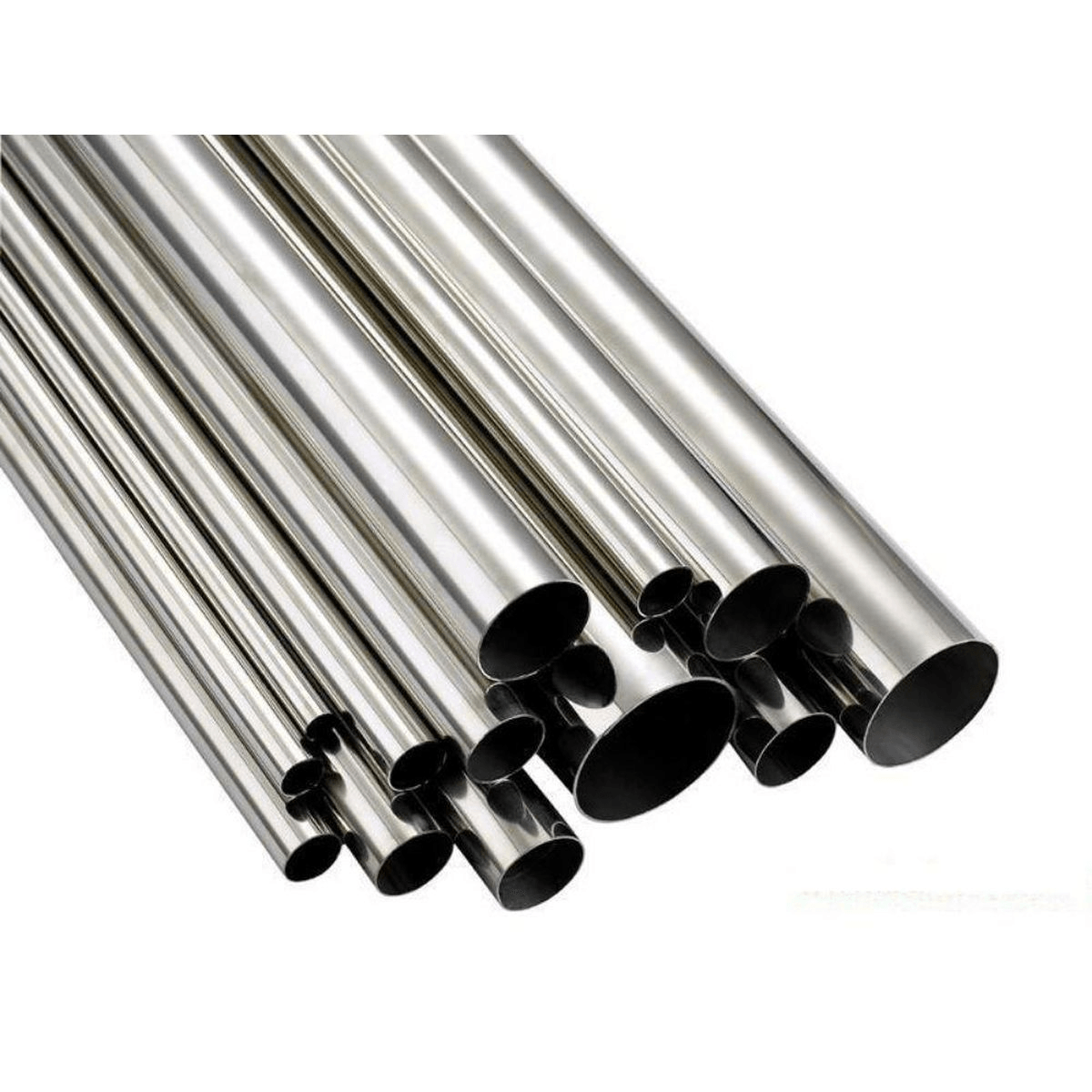
SS 304 stainless steel remains the cornerstone austenitic alloy for demanding industrial applications due to its exceptional balance of corrosion resistance, formability, and weldability across diverse environments. Its non-magnetic properties and ability to withstand exposure to a wide range of chemicals, including many acids and chlorides, make it indispensable for precision components in medical devices, food processing equipment, aerospace subsystems, and fluid handling systems where material integrity is non-negotiable.
Achieving tight tolerances and superior surface finishes in SS 304 presents distinct machining challenges, including work hardening, chip control, and thermal management during high-speed CNC operations. Honyo Prototype leverages extensive material-specific expertise and state-of-the-art multi-axis CNC milling and turning centers to consistently produce complex, high-integrity SS 304 prototypes and low-volume production parts. Our engineering team optimizes toolpaths, selects specialized cutting parameters, and employs rigorous in-process inspection to mitigate material-specific issues, ensuring dimensional accuracy down to ±0.0002 inches and surface finishes meeting stringent application requirements without compromising the alloy’s inherent corrosion resistance.
Accelerate your SS 304 component development cycle by utilizing Honyo Prototype’s Online Instant Quote system. Upload your CAD file directly to our platform for an immediate, detailed cost and lead time assessment, reflecting the specific machining complexities of 304 stainless steel. This seamless integration of material knowledge and digital quoting provides engineers with the critical data needed to make informed decisions early in the design phase, significantly reducing time-to-prototype for mission-critical applications.
Technical Capabilities
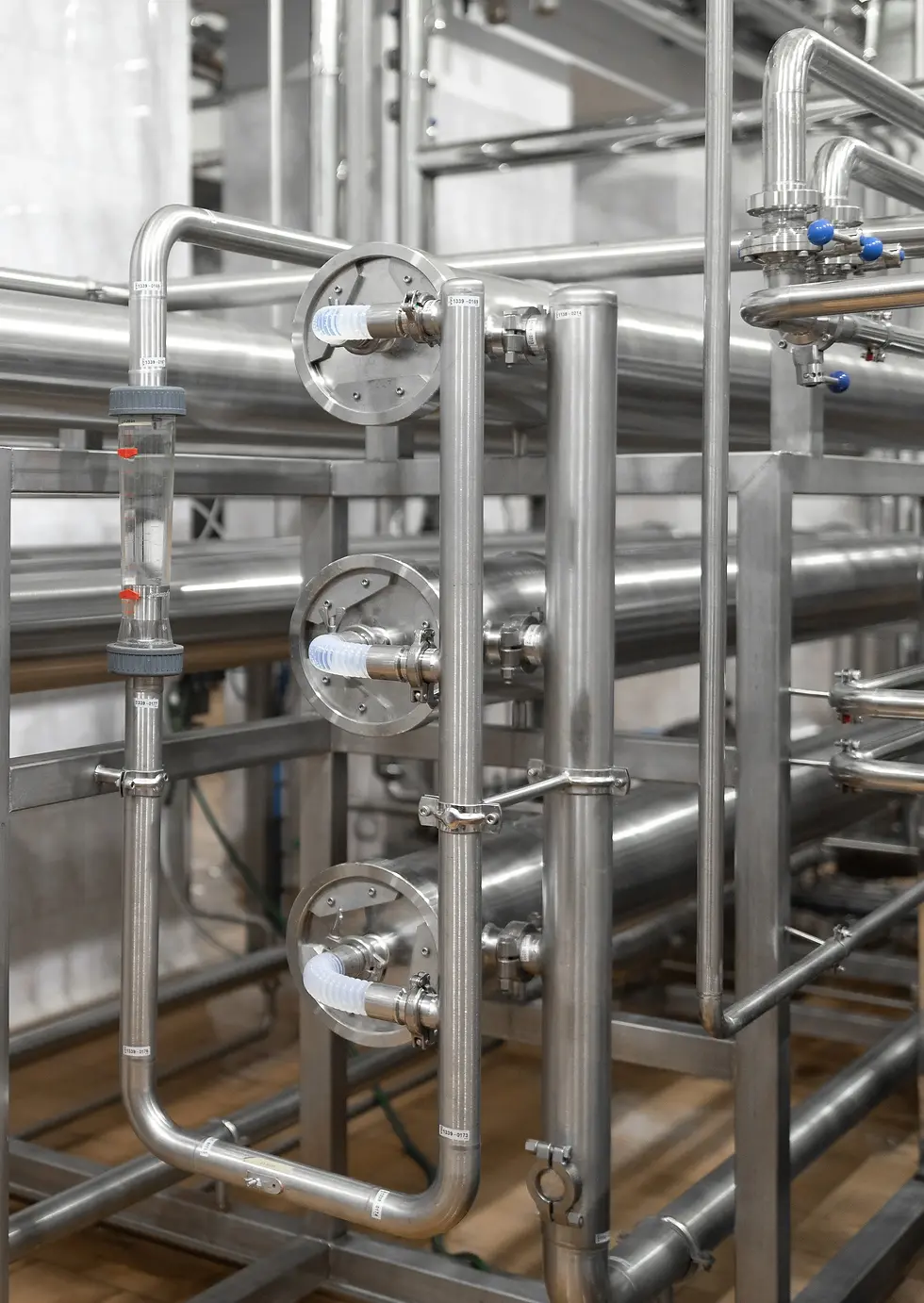
Technical Specifications for SS 304 Stainless Steel in Precision Machining Applications
Stainless Steel 304 (SS 304) is an austenitic chromium-nickel alloy known for excellent corrosion resistance, good formability, and high strength after cold working. It is widely used in precision components requiring tight tolerances, particularly in aerospace, medical, and industrial equipment manufacturing. When machining SS 304 on 3/4/5-axis CNC milling centers and turning equipment, specific parameters must be optimized due to its tendency to work-harden and generate heat.
Below is a comparative technical specification and machining performance table, including SS 304 alongside common materials such as Aluminum, Steel (AISI 1018), ABS, and Nylon, with emphasis on multi-axis milling, turning, and tight tolerance capabilities.
| Material | Hardness (HB) | Tensile Strength (MPa) | Thermal Conductivity (W/m·K) | Machinability Rating (%) | Typical Tolerance (± mm) | Preferred Tooling | Coolant Requirement | Notes for 3/4/5-Axis Machining and Turning |
|---|---|---|---|---|---|---|---|---|
| SS 304 | 200–220 | 515 | 16.2 | 45 | 0.010 – 0.025 | Carbide, TiAlN-coated | Flood coolant required | High work hardening; use sharp tools, consistent feed rates, avoid dwell; ideal for complex geometries with tight tolerances when process-controlled |
| Aluminum 6061 | 95 | 310 | 167 | 90 | 0.005 – 0.010 | Carbide, Polished Uncoated | Optional (air blast common) | Fast material removal; minimal tool wear; excellent for high-speed 5-axis milling of intricate parts |
| Mild Steel (1018) | 125 | 440 | 51.9 | 70 | 0.010 – 0.020 | Carbide or HSS | Recommended | Stable in turning; moderate wear; suitable for tight tolerance shafts and housings |
| ABS (Thermoplastic) | 100 (Rockwell R) | 40 | 0.25 | 80 | 0.050 – 0.100 | High-speed steel, sharp carbide | Not required (air cooling) | Low melting point; prone to burring; use high RPM, low feed; ideal for prototypes and jigs |
| Nylon 6/6 | 80 (Rockwell R) | 75 | 0.25 | 75 | 0.050 – 0.100 | Sharp carbide, polished flutes | Not required | Flexible; requires secure fixturing; minimal heat generation; used in low-friction wear components |
Key Insights for Tight Tolerance Machining of SS 304:
Tool Selection: Use high-quality micro-grain carbide end mills with TiAlN or AlCrN coatings to resist heat and abrasion.
Cutting Parameters: Lower cutting speeds (60–90 SFM) compared to aluminum, with moderate feed rates to prevent work hardening.
Rigidity & Stability: Ensure high machine rigidity and secure fixturing, especially in 5-axis operations where tool reach may compromise stiffness.
Tolerance Control: SS 304 maintains dimensional stability post-machining; achieving ±0.010 mm is standard with process optimization and in-process probing.
Coolant: Flood coolant is essential to dissipate heat and prevent localized deformation, critical in deep cavity milling and long turning operations.
Honyo Prototype applies advanced CNC strategies—such as high-efficiency roughing, dynamic tool paths, and thermal compensation—to consistently produce tight tolerance components in SS 304 and other engineering materials.
From CAD to Part: The Process
Honyo Prototype SS 304 Stainless Steel Manufacturing Process
Honyo Prototype delivers precision SS 304 stainless steel components through a rigorously controlled digital workflow designed for speed, quality, and manufacturability. This process leverages material-specific expertise to address SS 304’s unique properties, including its austenitic structure, corrosion resistance, and work-hardening characteristics.
Upload CAD
Customers initiate the process by uploading native or neutral-format CAD files (STEP, IGES, Parasolid) via our secure customer portal. Our system automatically validates file integrity and identifies critical SS 304 requirements, such as surface finish callouts (e.g., #4 brushed for food contact), weld specifications per ASME B31.3, or tolerance classes per ISO 2768-mK. Geometric complexity is flagged for early DFM assessment, particularly for thin walls or deep cavities prone to vibration during SS 304 machining.
AI-Powered Quoting Engine
Our proprietary AI engine analyzes the CAD geometry against real-time SS 304 material costs, machine availability, and process databases. It factors in SS 304-specific variables:
Current mill-certified 304/304L pricing volatility (per ASTM A276)
Tool wear compensation for high-chromium alloys (18-20% Cr)
Secondary operation requirements (e.g., passivation, electropolishing)
The system generates a formal quotation within 2 business hours, including NIST-traceable material certification options and lead time projections based on queue depth for CNC Swiss machines or fiber laser cutters optimized for 0.5–12mm SS 304 sheet.
Material-Specific DFM Analysis
Engineers conduct an SS 304-focused Design for Manufacturability review, targeting common failure points:
Adjusting sharp internal corners to ≥0.8mm radius to prevent micro-cracking during bending
Recommending peck drilling cycles for deep holes (>3x diameter) to mitigate chip evacuation issues
Validating weld joint designs against AWS D1.6 structural stainless criteria
Flagging features requiring slow-feed milling to control heat buildup (critical for avoiding 475°C embrittlement)
This phase includes a collaborative customer review with annotated CAD markups, typically resolving 92% of manufacturability issues before production.
Precision Production
SS 304 components undergo strictly controlled processing:
| Process Stage | SS 304-Specific Parameters | Quality Control Checkpoints |
|---|---|---|
| CNC Machining | Carbide tooling with TiAlN coating; Coolant-through spindles at 8% concentration; Spindle speeds reduced 15% vs. 316L | In-process CMM verification of flatness (≤0.05mm/m) |
| Laser Cutting | Nitrogen-assisted 6kW fiber laser; Kerf compensation +0.12mm for 3mm sheet | Edge squareness (±0.2°) via optical comparator |
| Finishing | Electropolishing per ASTM A967 Method E; Passivation in 20-25% nitric acid | Salt spray testing (ASTM B117; 500+ hrs) |
| Welding | TIG with ER308L filler; Back purging to <50 ppm O₂; Interpass temp ≤150°C | Dye penetrant inspection (ASTM E165) |
All operations comply with ISO 9001:2015 and IATF 16949 protocols, with material traceability from mill certificate to final inspection report.
Certified Delivery
Completed SS 304 parts undergo final validation against purchase order requirements, including:
Dimensional inspection per ASME Y14.5 GD&T
Surface roughness verification (Ra ≤1.6µm for standard finish)
Batch-specific material test reports (MTRs) showing Cr/Ni/Mo content
Components ship in anti-corrosion VCI packaging with full documentation suite. Standard lead time is 7–12 business days for quantities ≤50 units, with expedited options validated through our production capacity algorithm. This integrated approach ensures SS 304 parts meet stringent industry requirements for medical, semiconductor, and food processing applications.
Start Your Project
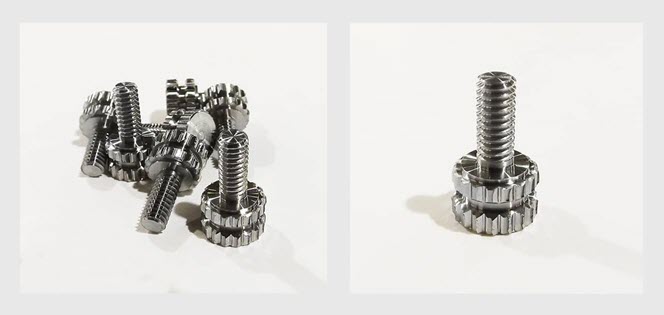
Looking for high-quality SS 304 stainless steel components? Honyo Prototype offers precision manufacturing with fast turnaround times. Our Shenzhen-based factory ensures competitive pricing and strict quality control for all your prototyping and production needs.
Contact Susan Leo at [email protected] to request a quote or discuss your project specifications today.
🚀 Rapid Prototyping Estimator
Estimate rough cost index based on volume.