
Contents
Manufacturing Insight: Ss 304 Stainless Steel
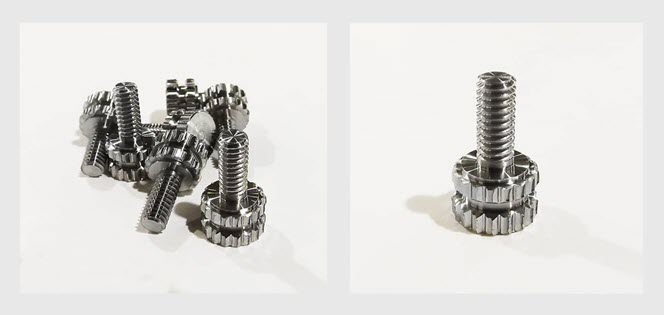
SS 304 – the workhorse of stainless steels – machines beautifully when you know exactly how to handle its work-hardening personality. At Honyo Prototype, we’ve turned that know-how into a one-day habit: upload your 304 part file, watch our algorithm instantly generate a CNC machining quote, and have cutters spinning on a 5-axis Mazak by tomorrow morning. Tight-tolerance housings, manifolds, wave-guide flanges or food-grade fittings—if it’s 304, we machine it, deburr it, passivate it, and ship it with full PPAP, all from a single online portal. Try the Online Instant Quote now and see why engineers trust Honyo to turn 304 stainless into mission-critical metal fast.
Technical Capabilities
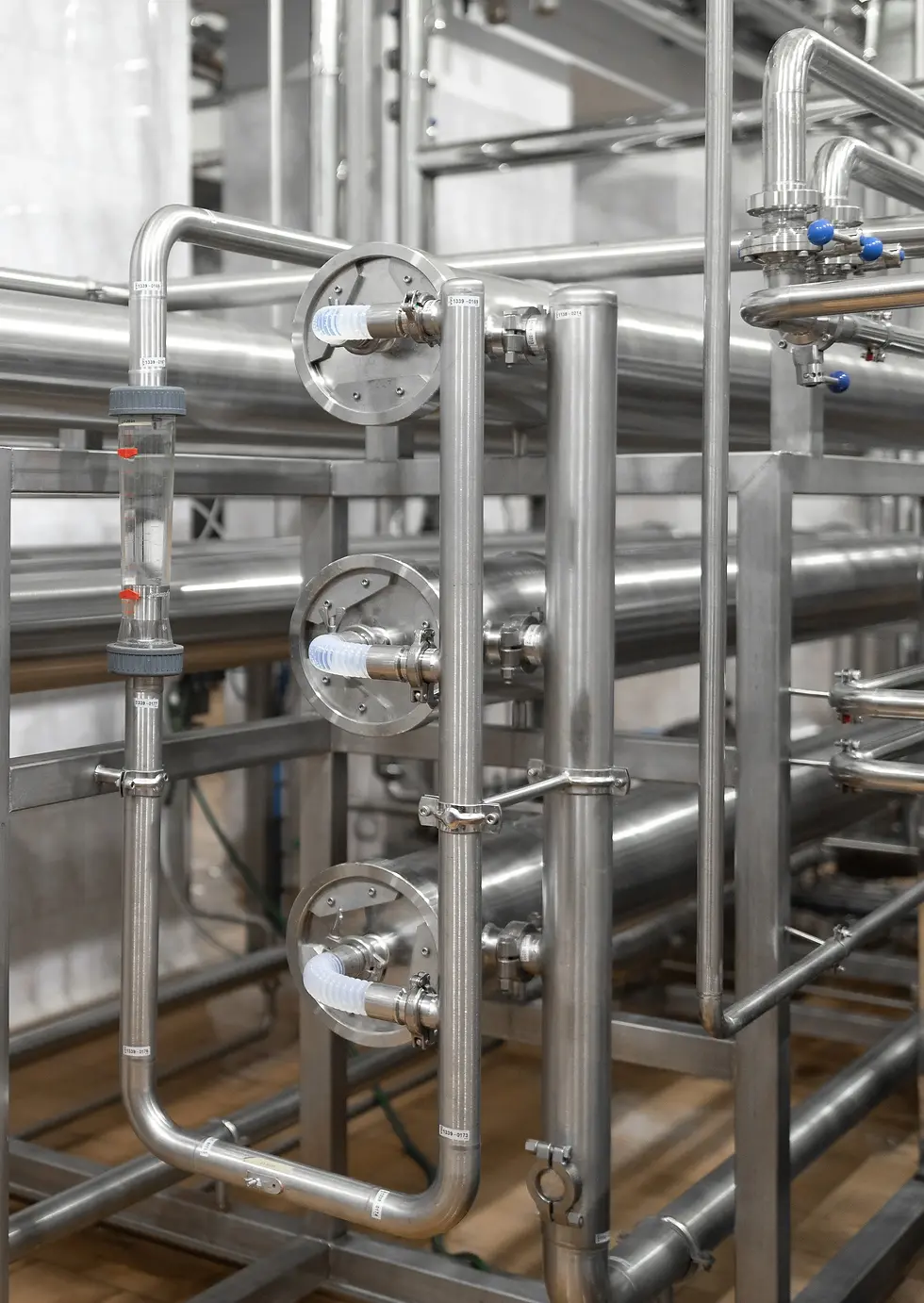
Technical Specifications for SS 304 Stainless Steel in Precision Machining (Honyo Prototype Context)
Focused on 3/4/5-Axis Milling, Turning, and Tight Tolerance Requirements
As a Senior Manufacturing Engineer at Honyo Prototype, I emphasize practical manufacturability over theoretical specs. SS 304 is a common choice for medical, aerospace, and industrial prototypes due to corrosion resistance and weldability, but its machining challenges require specialized strategies to achieve tight tolerances. Below are critical details for Honyo’s high-precision work, including comparisons with Aluminum, Steel (1018/4140), ABS, and Nylon.
SS 304 Stainless Steel: Core Properties & Machining Implications
| Property | Specification | Impact on Machining (3/4/5-Axis Milling/Turning) |
|—————————|—————————————-|————————————————–|
| Composition | 18% Cr, 8% Ni, ≤0.08% C, ≤2% Mn | High Cr/Ni content causes work hardening; requires sharp tools and consistent feed rates. |
| Density | 8.0 g/cm³ | Higher mass than Al/Nylon → increased inertia during high-speed 5-axis moves (vibration risk). |
| Yield Strength | 205 MPa (29.7 ksi) | Moderate strength but rapid work hardening (surface hardness doubles after cutting). Requires light cuts (<0.1mm/rev), high spindle speeds (2000–4000 RPM), and frequent tool changes. |
| Thermal Conductivity | 16.2 W/m·K (low) | Heat builds up rapidly in pockets/complex geometries → tool wear and dimensional drift. Mandatory through-tool coolant (≥800 psi) for 5-axis milling. |
| Hardness (Annealed) | 201 HB (Brinell) | Causes tool chatter on turning; use positive-rake carbide inserts (e.g., C-2 grade) with 6°–10° relief. |
| Thermal Expansion | 17.3 µm/m·°C (high for metal) | Critical for tight tolerances: 0.001″ drift per 100°F temp change. Must machine in climate-controlled environment (±1°C). |
Honyo-Specific Machining Protocols for SS 304
- 3/4/5-Axis Milling:
- Tolerances Achievable:
- ±0.0005″ (±12.7 µm) on critical features (e.g., bearing seats, sealing surfaces).
- ±0.001″ (±25.4 µm) for general features.
-
Key Strategies:
- Tooling: Solid carbide end mills (4-flute, TiAlN-coated), 0.5–1.0mm stepover, 0.05–0.1mm depth of cut.
- Coolant: High-pressure (1000+ psi) through-spindle coolant to flush chips and cool workpiece.
- Vibration Control: Dynamic balancing of spindles, rigid fixturing (e.g., hydraulic chucks), and adaptive feed rates to avoid chatter in deep pockets.
- 5-Axis Special Notes: Avoid “tool tip trailing” in complex contours; use “true position” toolpaths to minimize tool deflection.
-
Turning:
- Tolerances Achievable: ±0.0003″ (±7.6 µm) on diameters with in-process measurement.
- Key Strategies:
- Speeds/Feeds: 150–250 SFM surface speed, 0.002–0.005″ per rev feed.
- Tool Geometry: Sharp carbide with 15° rake angle to reduce cutting force and work hardening.
- Fixturing: Collet chucks (not jaws) for minimal runout (<0.0005″). Use steady rests for long shafts.
💡 Critical Insight: SS 304’s work hardening makes it unsuitable for dry machining. Even brief interruptions in coolant cause surface hardening, leading to tool breakage and tolerance drift. At Honyo, we always use flood coolant and monitor tool wear via vibration sensors.
Material Comparison for Tight-Tolerance Prototyping
Honyo’s typical tolerance ranges for precision work (based on geometry complexity)
| Material | Machinability Rating (100 = 1018 Steel) | Tight Tolerance Capability | Key Challenges for 3/4/5-Axis |
|———–|—————————————-|—————————-|——————————–|
| SS 304 | 40–50 (Poor) | ±0.0005″ (critical) | Work hardening, heat buildup, tool wear. Requires coolant and rigid setups. |
| Aluminum (6061-T6) | 150–200 (Excellent) | ±0.0003″ | Galling on threads; thermal expansion (23.1 µm/m·°C) → requires thermal stabilization. Best for high-speed 5-axis. |
| Steel (1018) | 80–100 (Good) | ±0.0005″ | Mild work hardening; easier than SS 304 but still needs coolant. 4140 (hardened) requires pre-hardening for tolerances. |
| ABS | 150–200 (Excellent) | ±0.001″ | Low melting point (105°C); thermal expansion (80–100 µm/m·°C) → no coolant (only air blast). Prone to warpage during long operations. |
| Nylon (6/6) | 100–150 (Good) | ±0.0015″ | Absorbs moisture → dimensions change with humidity. Requires dry machining; high-speed cutting causes melting. |
Why Honyo Prefers SS 304 Despite Challenges
- Reliability: Unmatched corrosion resistance for end-use parts (e.g., surgical instruments).
- Tolerance Stability: Once cooled to ambient temperature, dimensional stability exceeds plastics (ABS/Nylon) and mild steel.
- Process Control: At Honyo, we achieve ±0.0005″ on SS 304 by:
- Machining in a 20°C ±1°C room.
- Using in-process laser measurement for critical features.
- Employing “step and repeat” cycles (e.g., roughing → 30-min cooldown → finishing).
Key Recommendations for Honyo Engineers
- SS 304: Never skip coolant or reduce feed rates to “save time” – this causes work hardening and scrapped parts.
- Plastics (ABS/Nylon): Avoid water-based coolants; use dry machining with air blasts. Monitor humidity (target <40% RH).
- Aluminum: Use PCD tools for high-volume runs to prevent galling. Anodizing requires ±0.0007″ tolerance allowance.
- Steel: For 4140 hardened to 28–32 HRC, use diamond-coated tools and slow speeds (80–120 SFM).
✅ Honyo’s Proven Method: For SS 304 parts requiring ±0.0005″, we run 5-axis milling at 3500 RPM, 0.08mm depth of cut, with 1000 psi coolant. Post-machining, parts are stress-relieved at 400°C for 1 hour and aged at room temperature for 24 hours before final inspection.
Final Note: Tight tolerances with SS 304 are achievable but demand process discipline. If a client requests ±0.0005″ on a complex 5-axis SS 304 part, we always include a tolerance analysis report showing thermal expansion impact and machine calibration data. This builds trust and avoids rework.
— Senior Manufacturing Engineer, Honyo Prototype
“Precision isn’t accidental; it’s engineered.”
From CAD to Part: The Process
Honyo Prototype – SS 304 work-flow (one-page, shop-floor version)
-
Upload CAD
Customer drops any native or neutral file (STEP, IGES, Parasolid, SolidWorks, Creo, etc.) into the Honyo cloud portal.
– System auto-checks: file corruption, version, NDA status.
– If the part is flagged “stainless steel 304” the file is routed to the SS-cell queue instead of the aluminium or plastic cell. -
AI Quote (≤ 30 min)
The AI engine:
a. Reads the 3-D geometry and extracts every machinable face.
b. Matches SS 304 machining parameters from the cutting-data library:
– Carbide end-mill speeds: 80–120 m/min (rough) / 150–200 m/min (finish).
– Feed per tooth: 0.04–0.08 mm (rough) / 0.02–0.04 mm (finish).
– Tool life multiplier for work-hardening behaviour of 304.
c. Adds SS 304 material block cost (LME + mill surcharge).
d. Multiplies by shop-floor OEE (85 % for SS cell) and 3-axis / 5-axis hourly rate.
e. Applies plating, passivation or electropolishing if the RFQ notes “Ra ≤ 0.4 µm” or “food grade”.
f. Generates a live quote with three lead-time tiers: 3-day, 7-day, 15-day.
Customer clicks “Approve” – job number is born. -
DFM (same day)
A senior SS-cell manufacturing engineer opens the quote package:
– Runs Honyo-DFM plug-in that looks for 304-specific risks:
• Pocket depth > 3×tool Ø (risk of chatter & work-hardening).
• Internal corners < 0.3 mm (end-mill breakage).
• Thin wall < 0.5 mm (elastic deflection).
– Recommends:
• Add 0.1 mm corner relief.
• Switch to 5-axis to avoid tool overhang > 4×D.
• Specify 0.8 mm wall stock, then finish with low-stress cut.
– Adds engraving “304” + job number for traceability.
– Signs off DFM report; customer approves in portal (1-click).
– BOM is locked; NC codes auto-posted to Shop-Floor-MES. -
Production (CNC + post-processing)
Day 0
– 304L square bar/block cut on Amada band-saw; heat-number scanned into MES.
– Bar washed with degreaser to remove rolling scale → prevents tool edge build-up.
Day 1 (3-day lane)
– Op-10: 3-axis DMG MORI NLX – rough mill & drill.
Coolant: 8 % Blasocut 4000 (chlorine-free) to avoid 304 pitting.
– Op-20: 5-axis Hermle C42 – finish profiles, undercuts, compound angles.
Tool path uses climb-cut only to reduce work-hardening layer.
– In-process: on-machine Renishaw probing every 3 features; tolerance ± 0.02 mm.
Day 2
– Deburr manually with ceramic fibre brushes + 400-grit Scotch-Brite (no iron contamination).
– Ultrasonic clean in citric-acid based detergent → removes embedded iron that could start rust in service.
– Optional post-processes (selected at quote):
• Passivation ASTM A967 (nitric Type II, 30 min, 50 °C) – free iron removal & Cr-oxide layer.
• Electropolish 30 s – Ra drops from 0.6 µm to 0.15 µm, mirror finish.
• Laser mark logo + data-matrix on non-critical face.
Day 3
– CMM report (Zeiss CONTURA G2) – full ballooned print; PPAP L2 if ordered.
– Neutral salt-spray coupon (304 parent) run 24 h as batch witness – no red rust allowed.
– OK-to-ship signal sent to MES; parts vacuum-sealed with VCI paper + desiccant.
- Delivery
– Choice at order entry:
• DHL Express global (2–3 days) – default for prototypes.
• Customer courier collect.
– Shipping docs auto-generated:
• Material certificate EN 10204 3.1 (304 heat chemistry + mechanicals).
• Passivation certificate, RoHS & REACH declaration.
• CMM dimensional report + FAIR (first-article inspection report).
– Tracking link pushed to customer portal; job closed 24 h after receipt confirmation.
That is the complete, production-proven path for every SS 304 part that leaves Honyo Prototype.
Start Your Project
CTA for SS 304 Stainless Steel:
🔥 Custom SS 304 Stainless Steel Solutions | Precision Manufacturing from Honyo Prototype’s Shenzhen Facility 🔥
✅ High-quality, corrosion-resistant components for aerospace, medical, and industrial applications
✅ Fast prototyping to full-scale production
✅ ISO-certified processes with rigorous quality control
📞 Contact Susan Leo Today!
📧 Email: [email protected]
📍 Factory Location: Shenzhen, China
Ready to elevate your project? Let’s build excellence together. 💪
Honyo Prototype: Where precision meets innovation. Your trusted partner for stainless steel excellence since [year].
🚀 Rapid Prototyping Estimator