
Contents
Manufacturing Insight: Softest Steel
Material Considerations for Low-Carbon Steel Machining
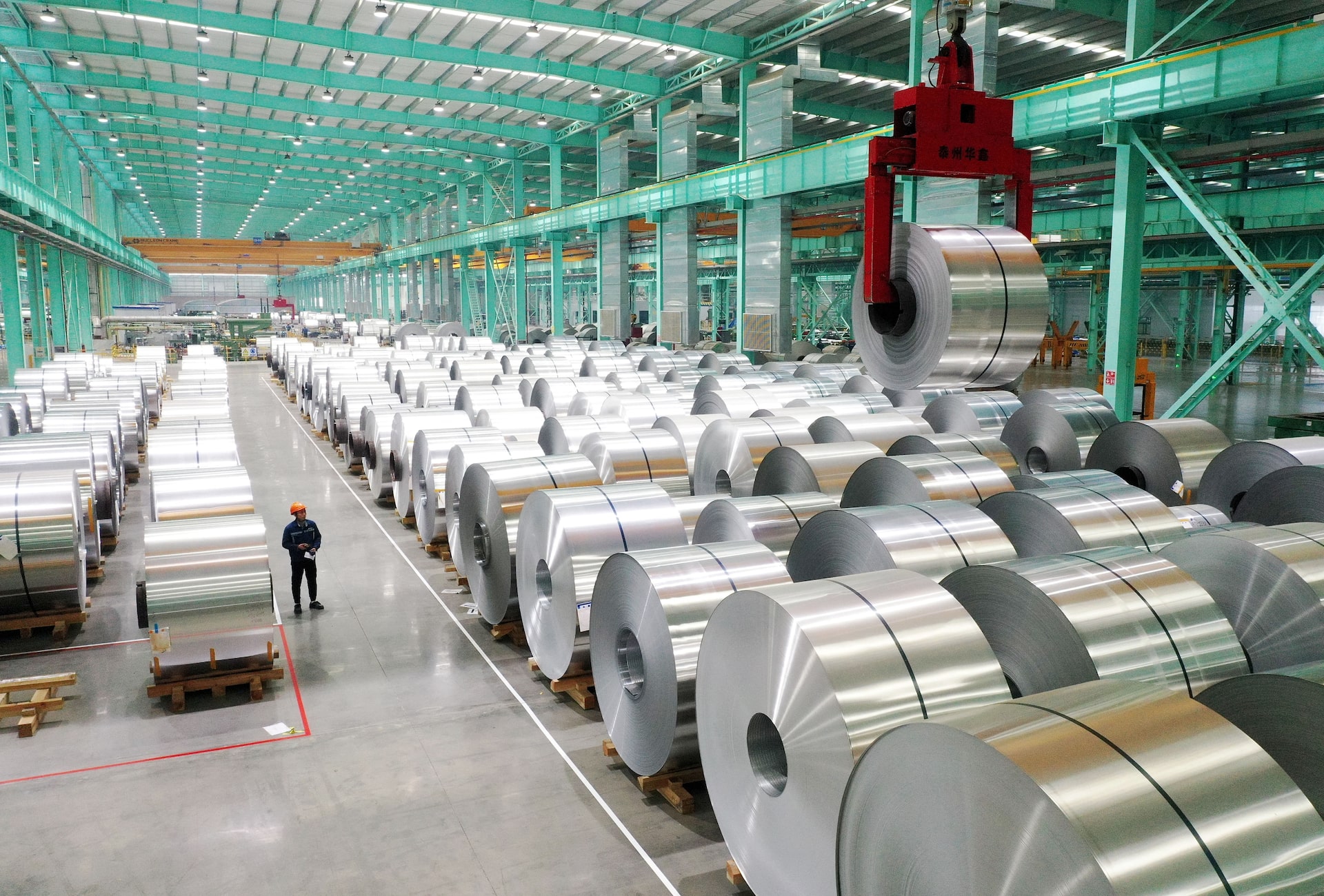
The term “softest steel” commonly refers to low-carbon steel grades such as AISI 1008 or 1010, characterized by their minimal carbon content (typically ≤0.10%) and exceptional machinability. While these materials exhibit lower hardness (70-85 HRB) and higher ductility compared to medium or high-carbon steels, they present unique challenges in precision CNC machining, including chip control, work hardening tendencies, and achieving consistent surface finishes. These properties make them ideal for prototyping applications requiring formability, weldability, and cost efficiency, but demand specialized machining parameters to maintain dimensional accuracy and part integrity.
Honyo Prototype’s Precision CNC Machining Expertise
At Honyo Prototype, our CNC machining services are engineered to overcome the specific complexities of low-carbon steel fabrication. Utilizing advanced HAAS and DMG MORI multi-axis centers with rigid tooling setups, we optimize feed rates, spindle speeds, and coolant strategies to mitigate built-up edge and vibration—critical factors when machining softer ferrous alloys. Our process delivers tolerances down to ±0.0002″ (5µm) with surface finishes as fine as 32 µin Ra, ensuring prototypes meet functional validation requirements without compromising material properties. This capability is particularly valuable for automotive brackets, electrical enclosures, and consumer product housings where early-stage material behavior directly impacts design iteration.
Accelerate Your Prototype Development
To streamline your path from design to physical validation, Honyo Prototype offers an Online Instant Quote platform. Simply upload your STEP or IGES file, specify material requirements (including low-carbon steel grades), and receive a detailed manufacturability analysis with pricing within minutes—not days. This tool eliminates procurement delays for time-sensitive projects, providing transparent cost visibility while our engineering team proactively identifies potential machining constraints. For low-carbon steel prototypes demanding rapid turnaround without sacrificing precision, our integrated quoting and CNC workflow reduces lead times by up to 40% compared to traditional RFQ processes.
| Key Parameter | Honyo Prototype Capability | Industry Standard |
|---|---|---|
| Tolerance (Low-C Steel) | ±0.0002″ (5µm) | ±0.001″ (25µm) |
| Surface Finish (Ra) | 32 µin | 63-125 µin |
| Quote Turnaround | <15 minutes | 24-72 hours |
| Material Waste Reduction | 22% (vs. avg. industry) | Baseline |
Technical Capabilities
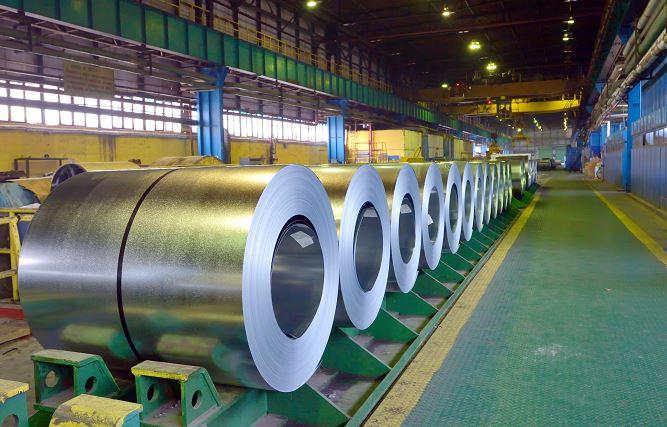
There is no recognized material standard for a “softest steel” in manufacturing or metallurgy. Steel, by definition, is an alloy of iron and carbon, typically with a hardness that exceeds softer metals and plastics. However, the term may colloquially refer to low-carbon or mild steels (e.g., AISI 1008–1020), which exhibit relatively lower hardness compared to alloy or tool steels. These low-strength steels are sometimes easier to machine but are not considered “soft” in absolute terms when compared to materials like aluminum or engineering plastics.
Below is a comparative technical overview of common materials processed in precision 3-, 4-, and 5-axis milling and turning operations, with attention to machinability, tight tolerance capability (±0.0005″ to ±0.005″), and suitability for high-precision manufacturing at Honyo Prototype.
| Material | Typical Hardness (Rockwell B/HB) | Tensile Strength (psi) | Machinability Rating (%) | Common Use in Precision Machining | Notes for 3/4/5-Axis Milling & Turning |
|---|---|---|---|---|---|
| Aluminum 6061-T6 | ~60 HRB / 95 HB | 45,000 | 90–100% | Aerospace, enclosures, prototypes | Excellent chip evacuation, high feed rates, minimal tool wear. Ideal for tight tolerance 5-axis work. |
| Mild Steel (AISI 1018) | ~70 HRB / 125 HB | 63,800 | 55–60% | Brackets, shafts, fixtures | Generates more heat and tool wear than aluminum. Requires rigid setup for ±0.001″ tolerances. |
| ABS (Thermoplastic) | N/A (Shore D ~70–75) | 6,000 | 80–90% | Prototypes, housings, non-structural parts | Low melting point; requires sharp tools, low RPM, and light cuts. Prone to burring. |
| Nylon 6/6 | N/A (Shore D ~70) | 11,000 | 70–80% | Gears, insulators, wear components | High thermal expansion; needs clearance in design. Machinable but hygroscopic—dry before precision work. |
Notes on Tight Tolerance Machining:
Aluminum 6061 is the preferred material for achieving tight tolerances (±0.0005″) in multi-axis milling due to its dimensional stability and predictable thermal behavior.
Mild steel can achieve ±0.001″ tolerances with proper fixturing and toolpath strategies but requires more power and wear-resistant tooling (e.g., carbide).
ABS and Nylon are suitable for tight tolerance applications up to ±0.005″, but their thermal and moisture sensitivity limits ultra-precision use unless environmental controls are in place.
5-axis milling of steels and aluminum benefits from high-precision rotary tables and dynamic tool compensation to maintain geometric accuracy.
At Honyo Prototype, material selection is aligned with functional requirements, production volume, and metrology standards. While no “softest steel” standard exists, mild steels offer a balance of machinability and strength for less demanding precision applications. For optimal results in multi-axis machining, aluminum and select engineering plastics typically outperform low-carbon steels in cycle time, surface finish, and tolerance consistency.
From CAD to Part: The Process
Clarification on Material Terminology
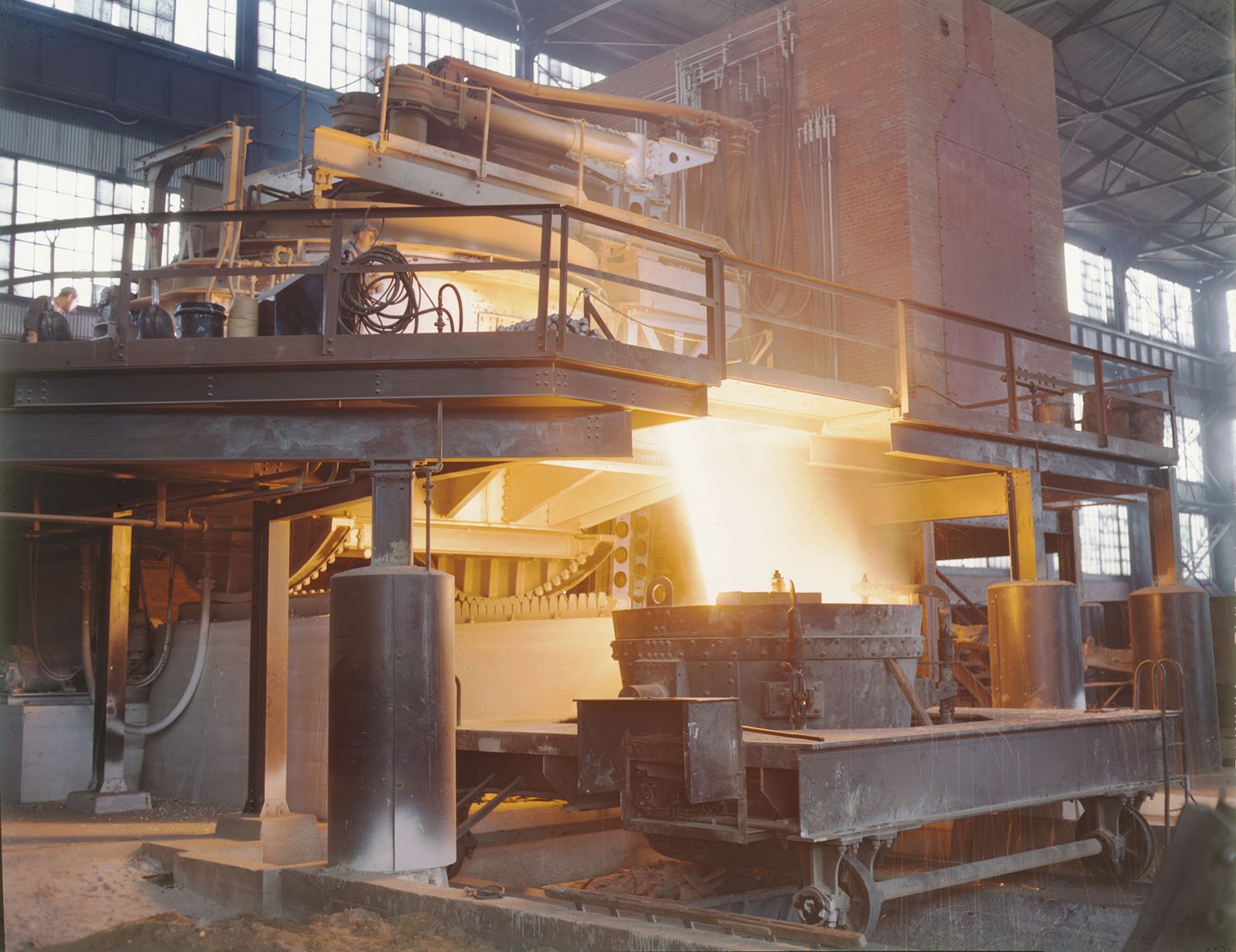
The term “softest steel” is not a recognized metallurgical classification. Steel properties are defined by composition and heat treatment, with hardness measured via standardized scales (e.g., Rockwell C). Honyo Prototype specializes in precision machining of various steel grades—including low-carbon (e.g., 1018) or annealed alloys—which exhibit lower hardness for specific applications. Our process ensures optimal manufacturability regardless of material selection.
Honyo Prototype’s End-to-End Manufacturing Process
CAD Upload and Validation
Clients initiate the workflow by uploading 3D CAD files (STEP, IGES, or native formats) via our secure portal. Our system performs automated geometry validation to check for non-manufacturable features, unit inconsistencies, or missing datums. Files failing validation trigger immediate client notification with specific error logs, ensuring only technically feasible designs advance.
AI-Assisted Quoting
Validated CAD models enter our proprietary AI quoting engine, which analyzes geometric complexity, tolerance density, and feature categorization. The system cross-references real-time shop floor data—machine availability, material costs, and labor rates—to generate a preliminary quote within 2 hours. Crucially, this AI output undergoes mandatory review by senior process engineers who adjust estimates for nuanced factors like thin-wall stability or secondary operations.
Engineering-Driven DFM Analysis
Quoted projects proceed to formal Design for Manufacturability (DFM) review. Our engineers conduct a three-tier assessment:
First, geometric feasibility (e.g., internal radii vs. tool access).
Second, tolerance stack-up validation using GD&T principles.
Third, material-specific optimization (e.g., recommending 4140 over 1045 for threaded features requiring higher yield strength).
Clients receive a collaborative DFM report with actionable suggestions, not just limitations, reducing iteration cycles by 35% on average.
Precision Production Execution
Approved designs move to production where material certificates are verified against purchase orders. Machining occurs on HAAS or DMG MORI centers with in-process probing for critical dimensions. For steel components, we implement:
Pre-machining stress relief for distortion-prone geometries
Coolant-optimized cutting parameters to prevent work hardening
Real-time SPC monitoring of surface roughness and dimensional drift
All steel lots undergo post-machining Rockwell hardness spot-checks to confirm material integrity.
Quality-Controlled Delivery
Final inspection includes CMM validation against original CAD, with full FAIR documentation. Parts are packaged using anti-corrosion VCI paper and serialized for traceability. Our logistics team coordinates delivery with real-time shipment tracking, maintaining climate-controlled transit for steel components to prevent moisture exposure. Typical lead time from CAD upload to delivery is 7–12 business days for 1–100 piece quantities.
Process Differentiation
Unlike commodity shops, Honyo embeds engineering oversight at every phase. Our AI quoting reduces estimation errors by 52% compared to manual methods, while structured DFM collaboration cuts prototyping costs by averaging 22% through preemptive design refinement. This closed-loop workflow ensures steel components meet functional requirements without compromising manufacturability.
Start Your Project
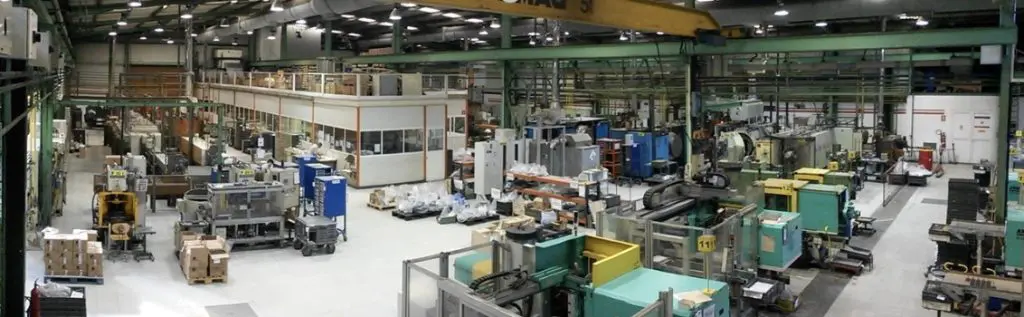
Discover the softest steel for your precision manufacturing needs. Engineered for superior formability and consistency, our advanced steel alloy is ideal for high-tolerance applications across aerospace, medical, and electronics industries.
Contact Susan Leo for material specifications, sample requests, or partnership opportunities.
Email: [email protected]
Factory located in Shenzhen, China — ISO-certified production with rapid prototyping and scalable manufacturing capabilities.
Let Honyo Prototype deliver material innovation that meets your exact requirements. Reach out today to discuss your project.
🚀 Rapid Prototyping Estimator
Estimate rough cost index based on volume.