
Contents
Manufacturing Insight: Silicone Injection Moulding Machine
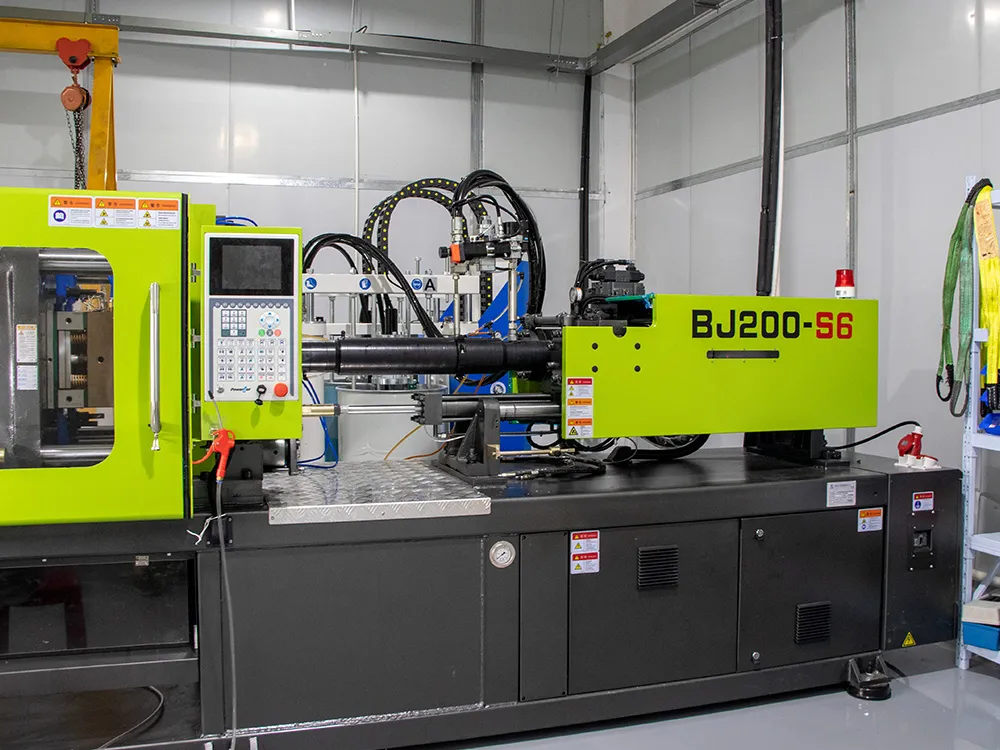
Honyo Prototype delivers precision silicone injection molding solutions engineered for demanding medical, automotive, and consumer applications where material biocompatibility, thermal stability, and consistent part integrity are non-negotiable. Our integrated Rapid Tooling service utilizes advanced aluminum and steel mold fabrication techniques to produce high-fidelity prototypes and low-to-mid volume production tools in as few as 7 days, significantly accelerating your product development cycle without compromising on the stringent tolerances required for Liquid Injection Molding (LIM) processes. This seamless transition from rapid tool validation to full-scale silicone injection molding within a single trusted partner eliminates supply chain friction and reduces non-recurring engineering costs. Accelerate your path from concept to certified production by leveraging Honyo’s Online Instant Quote system, providing transparent, real-time cost and lead time estimates for both rapid tooling and silicone molding projects within minutes.
Technical Capabilities
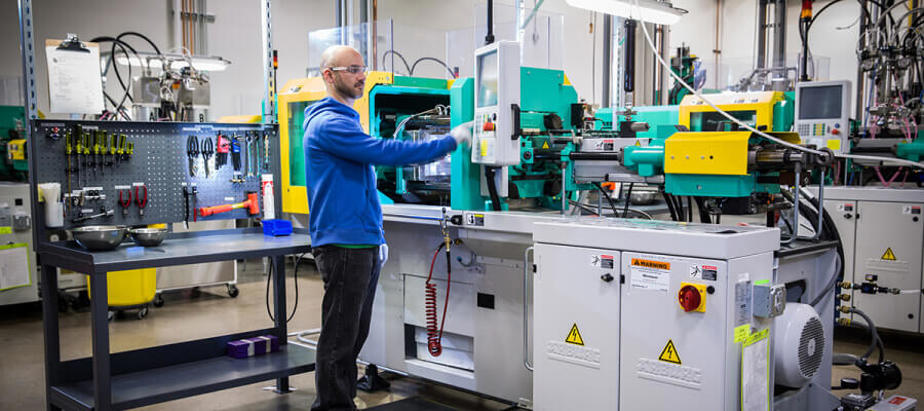
Silicone Injection Moulding Machine – Technical Specifications
The following technical specifications outline the key capabilities of a silicone injection moulding machine optimized for rapid prototyping and low-volume production, with a focus on compatibility with steel and aluminum molds. This system supports fast turnaround for T1 sample parts within 7 days, utilizing high-precision tooling and controlled processing parameters.
| Parameter | Specification |
|---|---|
| Machine Type | Horizontal Servo-Driven Silicone Injection Moulding Machine |
| Clamping Force | 80 to 150 tons (adjustable based on mold size and material) |
| Injection Unit | Screw-plunger design with metering for precise silicone dosing |
| Screw Diameter | 25–35 mm |
| Shot Capacity | 200–500 grams (suitable for small to medium prototypes) |
| Injection Pressure | Up to 150 MPa |
| Mold Mounting Size | Max 400 x 400 mm (compatible with standard aluminum and steel molds) |
| Mold Material Compatibility | H13 tool steel, P20 steel, 7075-T6 aluminum, 6061-T6 aluminum |
| Heating Zones | 3–5 independently controlled zones (barrel and nozzle) |
| Temperature Control Range | 20°C to 200°C (±2°C accuracy) |
| Curing Time (per cycle) | 30–90 seconds (dependent on part thickness and material) |
| Compatible Silicone Types | Liquid Silicone Rubber (LSR), High Consistency Rubber (HCR) |
| Secondary Material Support | Co-injection or overmolding with ABS, Nylon 6, and Nylon 66 (via hybrid setup) |
| Control System | PLC with HMI interface, programmable recipes, data logging |
| Cycle Time (Average) | 60–120 seconds including cure and ejection |
| T1 Sample Lead Time | 7 days from mold finalization and material approval |
| Mold Changeover Time | < 2 hours (with standardized mold bases and quick clamp system) |
| Machine Dimensions (LxWxH) | Approx. 2.5 m x 1.2 m x 1.8 m |
| Power Requirement | 400V, 3-phase, 50/60 Hz, 15–20 kVA |
Notes on Materials:
Aluminum Molds (6061-T6, 7075-T6): Ideal for rapid prototyping due to fast machining and good thermal conductivity. Suitable for up to 10,000 shots depending on geometry.
Steel Molds (P20, H13): Used for higher durability and extended production runs. Offer superior wear and heat resistance.
Silicone Materials: Processed under precise temperature and pressure control to ensure consistent T1 sample quality.
ABS and Nylon: Supported in overmolding applications where silicone is bonded to rigid thermoplastic substrates. Requires insert molding or two-shot configuration.
This machine configuration enables Honyo Prototype to deliver T1 samples within 7 days using aluminum or steel molds, supporting both pure silicone components and hybrid parts with engineering thermoplastics like ABS and nylon.
From CAD to Part: The Process
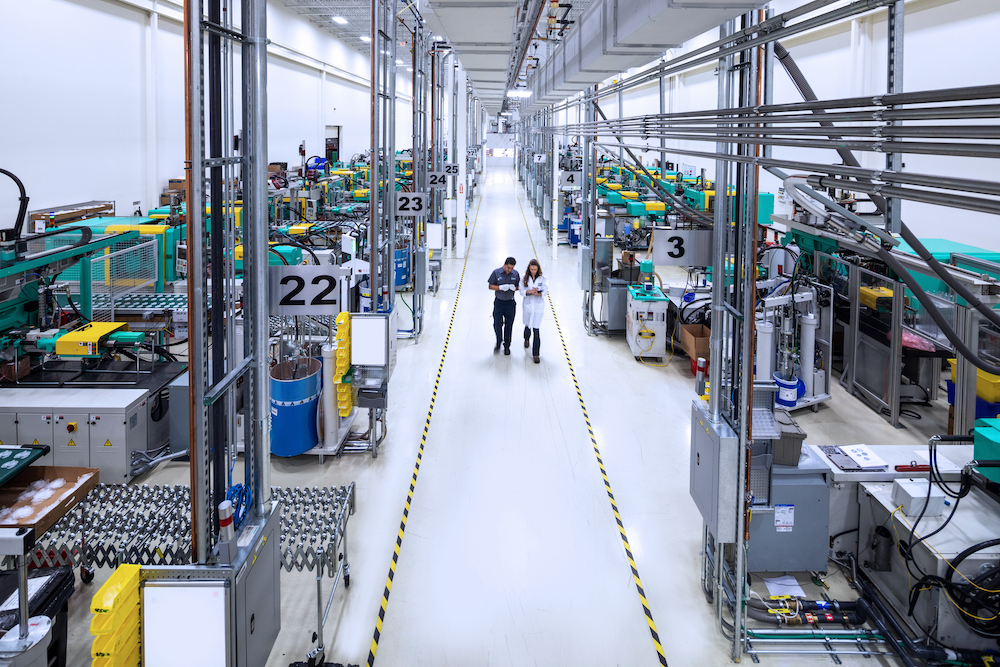
Honyo Prototype Silicone Injection Moulding Process Overview
Honyo Prototype utilizes an integrated digital workflow for silicone injection moulding projects, designed to minimize lead times, reduce errors, and ensure manufacturability from initial concept to final delivery. The process begins with CAD submission and progresses through automated quoting, engineering validation, production, and logistics coordination. Below is a detailed explanation of each phase.
Upload CAD
Clients initiate the process by uploading 3D CAD models (STEP, IGES, or native formats) via Honyo’s secure online portal. Our system performs an initial geometry validation check, confirming file integrity and identifying basic issues such as non-manifold edges or unit inconsistencies. This step ensures the model is technically viable for moulding analysis and sets the foundation for accurate downstream processing.
AI Quote Generation
Uploaded CAD data is processed through Honyo’s proprietary AI quoting engine, which analyzes geometric complexity, material requirements, and dimensional tolerances against historical production data. The AI evaluates factors including part volume, surface finish specifications, gate location feasibility, and potential undercuts. Within 4 business hours, clients receive a preliminary quote detailing estimated tooling costs, unit pricing, and lead time ranges. This phase reduces manual quoting effort by 70% while flagging high-risk design elements requiring engineering review.
DFM (Design for Manufacturability) Review
All projects undergo a mandatory DFM review by Honyo’s silicone-specialized engineering team. This phase validates and refines the AI’s preliminary assessment, focusing on silicone-specific challenges such as:
Material flow dynamics and cure cycle optimization
Flash control strategies for medical-grade tolerances
Shrinkage compensation based on silicone compound selection
Ejection system design to prevent part deformation
Gate vestige minimization for critical sealing surfaces
The DFM report includes actionable recommendations, tolerance stack-up analysis, and mould flow simulation snapshots. Clients receive a collaborative portal to approve revisions or discuss alternatives before tooling fabrication begins.
Production Execution
Approved designs move to production in Honyo’s ISO 13485-certified facility. Key production stages include:
Tooling: Precision CNC machining of mould bases (H13 steel) with conformal cooling channels, followed by EDM for critical cavities. All tools undergo 3-point validation per ASTM D2240.
Moulding: Liquid Silicone Rubber (LSR) processing on 50–300-ton hydraulic injection presses with closed-loop pressure control. Real-time monitoring of temperature, injection speed, and cure time ensures batch consistency.
Secondary Operations: Automated deflashing, laser marking, and 100% visual inspection per AQL 1.0 standards. Material certifications (e.g., USP Class VI, FDA 21 CFR) are provided upon request.
Delivery and Logistics
Completed orders undergo final dimensional verification against GD&T callouts before packaging. Honyo coordinates global logistics via DHL/FedEx with climate-controlled shipping options for temperature-sensitive compounds. Clients receive:
Digital delivery dossier including First Article Inspection (FAI) reports
Real-time shipment tracking via API-integrated logistics dashboard
Post-delivery technical support for assembly or integration queries
Standard lead time from CAD upload to delivery is 18–25 business days for prototypes and 22–30 days for production tooling, depending on complexity.
Process Differentiation vs. Traditional Workflows
Honyo’s integrated approach significantly reduces iteration cycles compared to conventional methods:
| Phase | Traditional Workflow | Honyo Prototype Workflow |
|---|---|---|
| Quoting | Manual engineering review (3–7 days) | AI-assisted analysis (4 hours) |
| DFM | Reactive issue resolution | Proactive simulation-driven validation |
| Tooling | Single-iteration fabrication | Virtual mould trials pre-machining |
| Quality | Post-production inspection | In-process SPC monitoring |
This methodology ensures 95% of first-article parts meet specifications, with traceability maintained through blockchain-secured production logs. For high-volume programs, Honyo implements continuous improvement protocols via client feedback loops and process capability studies.
Start Your Project
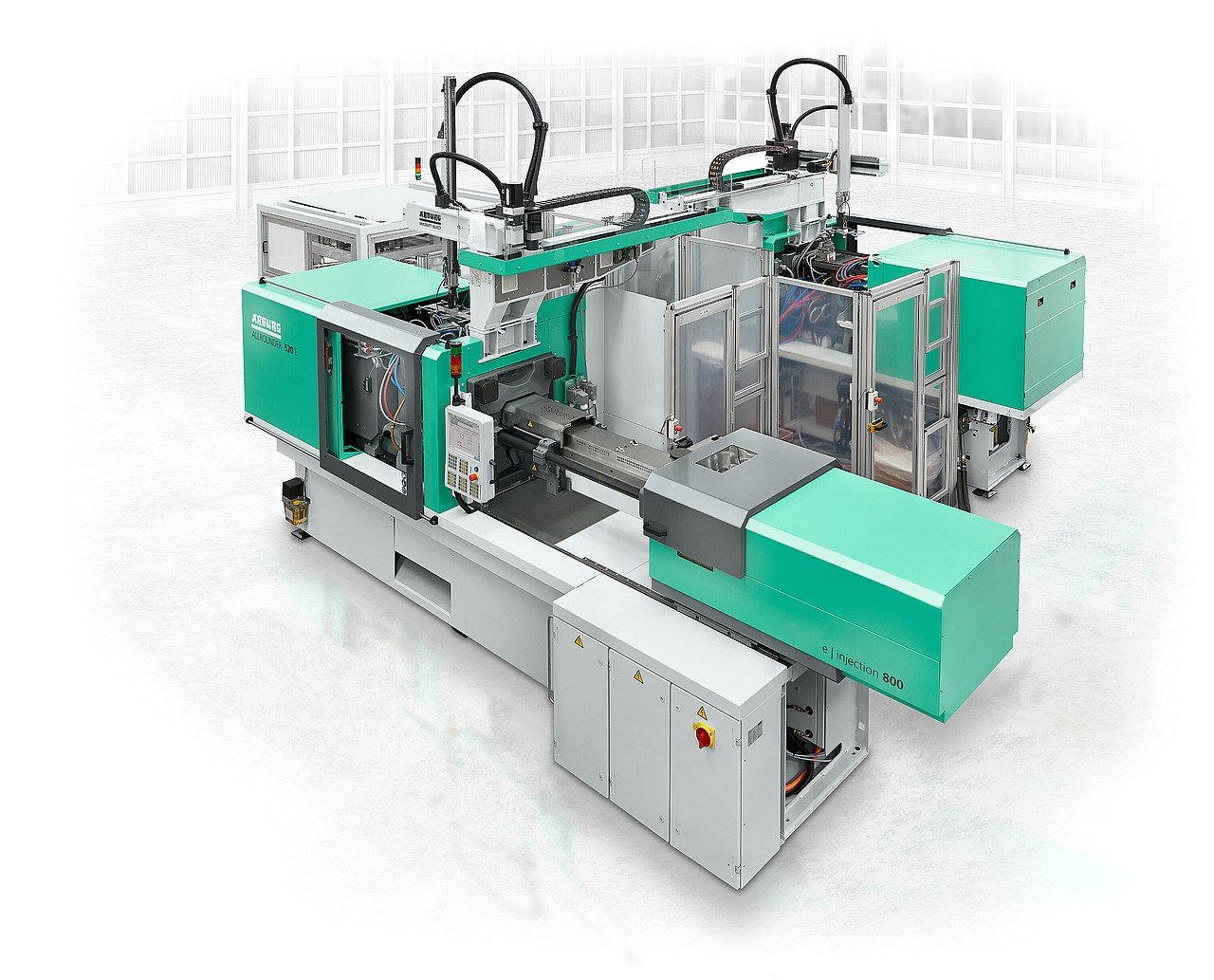
For expert support with silicone injection moulding machines, contact Susan Leo at [email protected]. Our advanced manufacturing facility is located in Shenzhen, China, ensuring precision engineering and reliable production for your prototyping and low-volume manufacturing needs.
Reach out today to discuss your project requirements and discover how our silicone injection moulding solutions can deliver consistent quality and efficiency.
Contact:
Susan Leo
Email: [email protected]
Factory Location: Shenzhen, China
🚀 Rapid Prototyping Estimator
Estimate rough cost index based on volume.