
Contents
Manufacturing Insight: Sheet Metal Inspection
Sheet Metal Inspection: Ensuring Precision from Prototype to Production
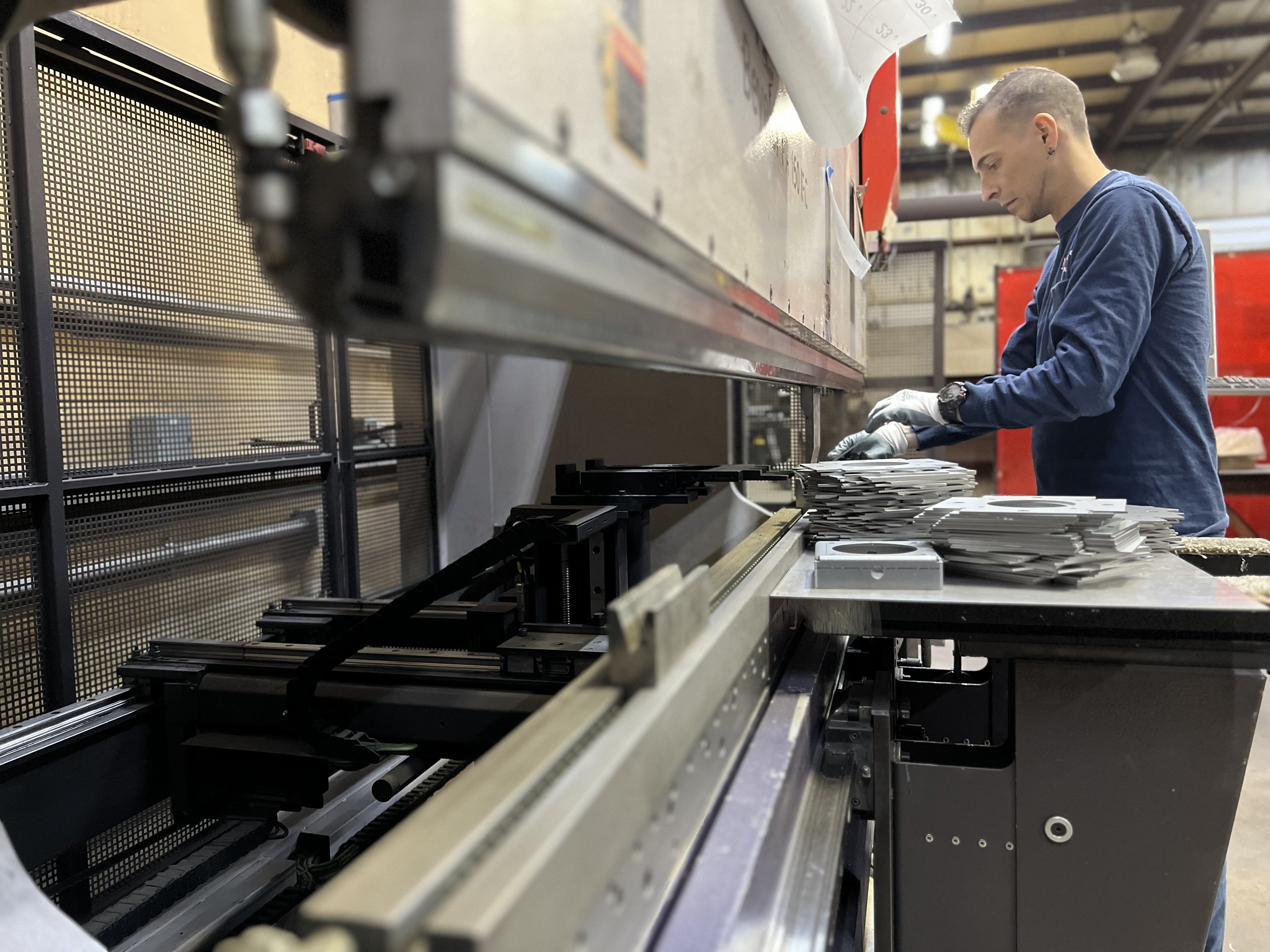
At Honyo Prototype, sheet metal inspection is not merely a final checkpoint but an integral component of our end-to-end fabrication process. We understand that dimensional accuracy, geometric tolerances, and material integrity directly impact the functionality and longevity of your components. Our advanced inspection protocols leverage coordinate measuring machines (CMM), optical comparators, and precision metrology tools to validate critical features against your engineering specifications, ensuring compliance with ISO 2768 and customer-specific standards. This rigorous approach eliminates costly downstream rework and accelerates time-to-market for prototypes and low-volume production runs.
Our Sheet Metal Fabrication services encompass CNC punching, laser cutting, bending, welding, and finishing, all executed with a focus on repeatability and tight-tolerance execution. By embedding inspection at strategic stages—from raw material verification to post-forming validation—we maintain unwavering quality control across complex geometries and diverse alloys, including stainless steel, aluminum, and mild steel. This commitment to precision engineering allows you to confidently integrate Honyo-fabricated parts into mission-critical assemblies, whether for aerospace, medical devices, or industrial equipment.
Initiate your project efficiently with our Online Instant Quote platform, designed for engineers and procurement teams requiring rapid turnaround. Upload your STEP or DXF files to receive a detailed, transparent cost estimate within hours—not days—while our fabrication and inspection capabilities ensure your design intent becomes reality without compromise. Partner with Honyo to transform your sheet metal concepts into validated, production-ready solutions.
Technical Capabilities
Sheet Metal Inspection – Technical Specifications
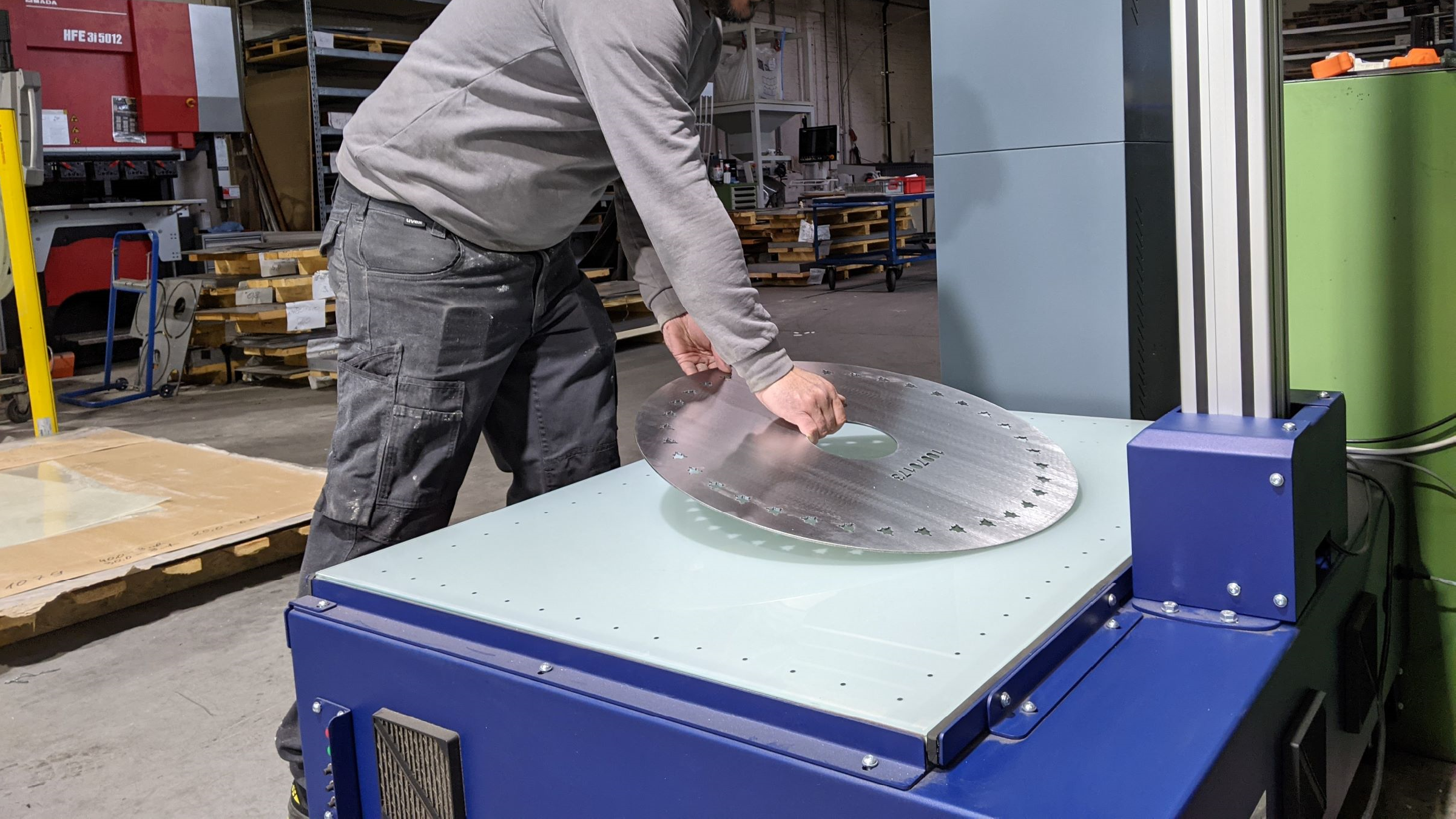
Sheet metal inspection for laser cutting, bending, and welding processes involves evaluating dimensional accuracy, surface quality, geometric tolerances, and material integrity. Below are the key technical specifications and inspection criteria for each process, applicable to common materials including Aluminum, Steel, ABS, and Nylon.
| Process | Inspection Parameter | Tolerance / Criteria | Material Considerations |
|---|---|---|---|
| Laser Cutting | Dimensional Accuracy | ±0.1 mm for Aluminum and Steel; ±0.2 mm for ABS and Nylon | Aluminum and Steel allow tighter tolerances; ABS and Nylon may exhibit thermal warping |
| Edge Quality | Smooth cut edge with minimal dross, no melting or charring | ABS and Nylon require reduced laser power to prevent melting and vaporization | |
| Kerf Width | 0.1–0.3 mm depending on material and laser focus | Steel and Aluminum: consistent kerf; Thermoplastics: wider kerf due to heat spread | |
| Heat-Affected Zone (HAZ) | Minimal HAZ; no discoloration or micro-cracking | Aluminum shows visible oxidation; ABS/Nylon may degrade if cooling is inadequate | |
| Bending | Bend Angle Accuracy | ±0.5° for Aluminum and Steel; ±1° for ABS and Nylon | Springback higher in Aluminum; Steel maintains angle better; plastics require tooling care |
| Bend Radius Consistency | Match to design radius (typically 1x material thickness) | Minimum bend radius: Steel (0.5t), Aluminum (0.8t), ABS (1.5t), Nylon (2t) | |
| Surface Integrity | No cracks, peeling, or deformation at bend line | Aluminum prone to surface cracking if bent below minimum radius; plastics may delaminate | |
| Dimensional Flatness Post-Bend | ±0.2 mm over 100 mm length | Flatness deviations more pronounced in thin Aluminum and flexible thermoplastics | |
| Welding | Weld Penetration | Full penetration for structural joints; 80–100% for Aluminum and Steel | ABS and Nylon use hot gas or ultrasonic welding; penetration depth controlled by pressure |
| Weld Bead Uniformity | Consistent width and height; no undercut, porosity, or spatter | Aluminum requires shielding gas (Ar/He); Steel uses CO₂/MIG; thermoplastics need clean joints | |
| Distortion Control | Max warpage ≤ 0.5 mm per 100 mm length | Aluminum highly conductive but prone to distortion; Steel less so; plastics warp if clamped too tightly | |
| Joint Fit-Up | Gap ≤ 0.2 mm for metal; ≤0.5 mm for thermoplastic joints | Poor fit-up leads to incomplete fusion in metals and weak bonds in plastics |
Notes:
Aluminum: High reflectivity and thermal conductivity require optimized laser and welding parameters. Susceptible to warping if not clamped properly.
Steel: Predictable behavior in cutting and bending; mild steel responds well to MIG welding.
ABS: Thermoplastic; not suitable for high-power laser cutting or arc welding. Best processed with CNC or low-heat joining methods.
Nylon: High moisture absorption; requires pre-drying. Limited to mechanical fastening or specialized welding (e.g., vibration welding).
Inspection tools include coordinate measuring machines (CMM), optical comparators, profilometers, and visual inspection under controlled lighting. First article inspection (FAI) and in-process checks are recommended for critical components.
From CAD to Part: The Process
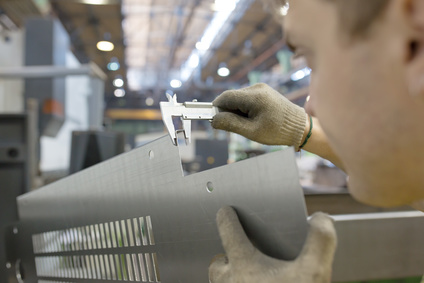
Honyo Prototype integrates rigorous inspection protocols throughout the entire sheet metal manufacturing workflow to ensure dimensional accuracy, material integrity, and compliance with client specifications. The process is not a single discrete inspection phase but a series of validated checkpoints embedded within each stage of our streamlined sequence: Upload CAD → AI Quote → DFM → Production → Delivery. Below is a technical breakdown of how inspection methodologies are applied at each step.
Upon CAD file upload, Honyo’s proprietary AI engine performs an initial geometric validation. This automated scan checks for critical dimensional anomalies, tolerance stack-ups, and manufacturability flags against ISO 2768-mK standards. The system verifies sheet thickness consistency, bend radii feasibility relative to material grade, and hole-to-edge distances to prevent deformation during forming. Any deviations trigger immediate alerts for client consultation prior to quotation, eliminating downstream rework risks.
The AI Quote phase incorporates material certification verification. Our system cross-references the requested alloy (e.g., AISI 304, AL6061-T6) against certified mill test reports in our supplier database. Key parameters like yield strength, chemical composition, and surface finish class (e.g., ASTM A480 for stainless steel) are validated against the CAD-specified requirements. This pre-production material audit ensures raw stock meets mechanical and aesthetic criteria before order commitment.
During DFM analysis, Honyo executes virtual first-article inspection (FAI) using 3D simulation. Our engineers assess tooling clearance, nest efficiency, and potential springback effects through finite element analysis (FEA). Critical characteristics such as bend allowances, weld seam accessibility, and deburring requirements are evaluated against ASME Y14.5 GD&T standards. The DFM report documents all inspection-relevant adjustments, including revised critical-to-quality (CTQ) dimensions and mandatory in-process check points for production.
Production phase inspection employs a tiered quality control framework. First-article inspection (FAI) per AS9102 is performed on the initial run using calibrated CMMs and optical comparators for features exceeding ±0.1mm tolerances. In-process checks occur at each operation: laser cutting accuracy verified via Renishaw probes, press brake angles measured with electronic angle gauges, and weld integrity confirmed through penetrant testing for critical joints. All measurements are logged against the DFM-approved inspection plan in our MES system.
Final delivery includes comprehensive dimensional and functional validation. A full FAI report with ballooned drawings, CMM datasets, and material certs is generated. Dimensional inspection covers flat pattern accuracy, formed geometry, hole positional tolerances, and surface defects per ASTM E303. For assemblies, functional testing such as fit checks with mating components or torque validation for fastened joints is conducted. All non-conformances undergo root-cause analysis with corrective actions documented in our ISO 9001-certified quality management system.
The integration of inspection at each workflow stage ensures traceability from digital model to physical part. Key inspection metrics are captured in our centralized quality dashboard, enabling continuous process improvement. This structured approach minimizes defect escape rates and guarantees that delivered parts meet both technical specifications and industry regulatory requirements.
| Process Phase | Primary Inspection Method | Key Parameters Verified |
|---|---|---|
| CAD Upload | AI Geometric Validation | Tolerance stack-up, bend radii feasibility, hole-to-edge distances, sheet thickness consistency |
| AI Quote | Material Certification Audit | Alloy grade compliance, yield strength, chemical composition, surface finish class |
| DFM | Virtual FAI Simulation | Tooling clearance, springback prediction, weld accessibility, CTQ dimension definition |
| Production | Tiered In-Process QC | Laser cut accuracy (±0.05mm), bend angles (±0.5°), weld integrity, deburring completeness |
| Delivery | Final FAI & Functional Test | Dimensional compliance per ballooned drawing, surface defects, assembly fit, torque validation |
Start Your Project
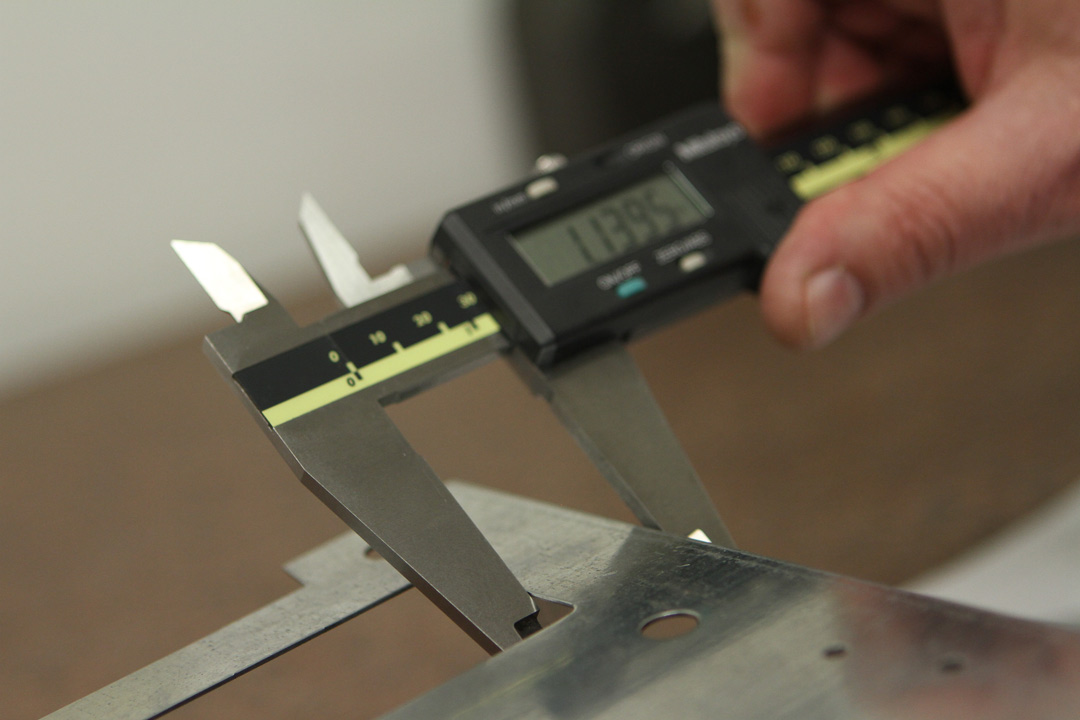
Ensure precision and quality in your sheet metal components with Honyo Prototype’s advanced sheet metal inspection services. Our dedicated quality control team utilizes state-of-the-art measurement and testing equipment to verify dimensional accuracy, material integrity, and compliance with your engineering specifications.
With our in-house manufacturing facility located in Shenzhen, we maintain full oversight of production and inspection processes, enabling fast turnaround and consistent quality for both prototypes and low-volume production runs.
For inquiries or to request a quote, contact Susan Leo at [email protected].
🚀 Rapid Prototyping Estimator
Estimate rough cost index based on volume.