
Contents
Manufacturing Insight: Sheet Metal Fab Equipment
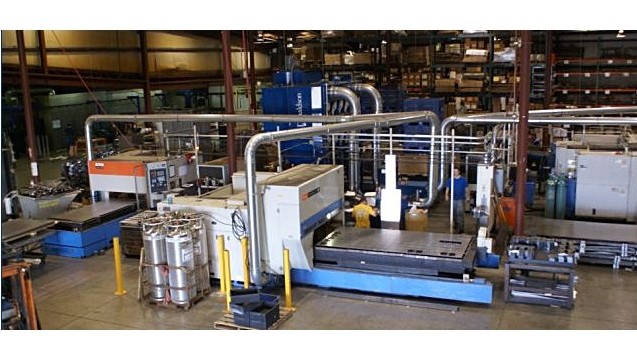
Honyo Prototype delivers precision sheet metal fabrication services engineered for demanding industrial and commercial applications. Our comprehensive in-house capabilities are anchored by a robust fleet of advanced manufacturing equipment, including multi-axis fiber laser cutters for intricate geometries, high-tonnage CNC press brakes ensuring consistent bend accuracy, turret punch presses for efficient feature generation, and automated robotic welding cells. This integrated technology platform supports the full fabrication workflow from raw material to finished assembly, enabling us to consistently achieve tight tolerances, complex part geometries, and superior surface finishes across materials like stainless steel, aluminum, and mild steel. To accelerate your prototyping and low-volume production timelines, we provide immediate project visibility through our proprietary Online Instant Quote System. Upload your CAD files directly to receive a detailed, no-obligation cost assessment and lead time within minutes, eliminating traditional quotation bottlenecks and allowing engineering teams to proceed with confidence. Partner with Honyo Prototype for scalable, high-integrity sheet metal solutions backed by responsive digital tools designed for modern manufacturing workflows. Submit your designs today to experience streamlined fabrication from quote to delivery.
Technical Capabilities
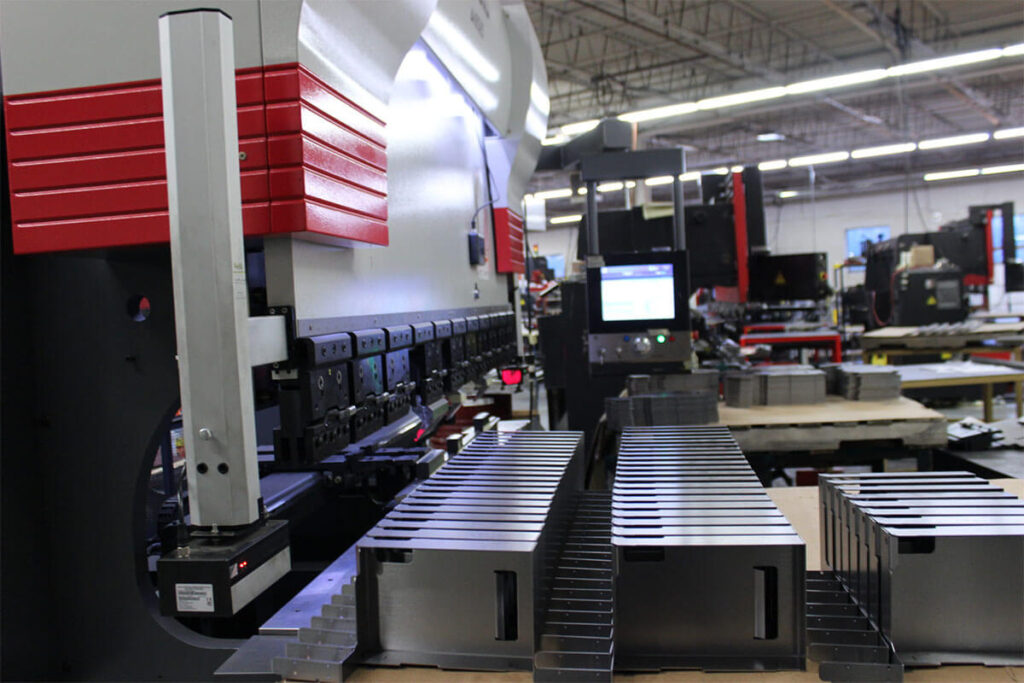
Sheet Metal Fabrication Equipment Technical Specifications
The following table outlines the key technical specifications for core sheet metal fabrication equipment, focusing on laser cutting, bending, and welding systems. These machines are engineered to process common industrial materials including aluminum, steel, ABS, and nylon, with performance varying based on material properties and application requirements.
| Equipment Type | Key Specifications | Compatible Materials | Typical Tolerances | Max Material Thickness | Power/Force Rating | Notes |
|---|---|---|---|---|---|---|
| Fiber Laser Cutting Machine | Wavelength: 1070 nm, Laser Power: 1–6 kW, Cutting Speed: up to 40 m/min, Positioning Accuracy: ±0.03 mm/m | Aluminum, Steel, ABS (limited), Nylon (limited) | ±0.1 mm | Aluminum: 25 mm, Steel: 30 mm, ABS/Nylon: 10 mm (with CO₂ assist) | Up to 6 kW (fiber laser) | Best for conductive metals; plastics require CO₂ laser or post-processing due to melting behavior |
| CO₂ Laser Cutting Machine | Wavelength: 10.6 μm, Laser Power: 50–500 W (for plastics), Cutting Speed: up to 100 m/min | ABS, Nylon, Thin Aluminum/Steel (≤2 mm) | ±0.2 mm | ABS: 20 mm, Nylon: 15 mm, Steel/Aluminum: 3 mm | 100–500 W typical for non-metal use | Preferred for non-metal sheet materials; not ideal for thick metals |
| Press Brake (CNC) | Bending Force: 50–500 tons, Bed Length: 1–6 m, Axis Control: 6–12 axes (back gauge), Repeatability: ±0.1° | Aluminum, Steel | ±0.5° angular, ±0.2 mm linear | Aluminum: 12 mm, Steel: 10 mm | 50–500 tons depending on model | Not suitable for ABS or nylon in standard configurations; thermoplastics require heated tooling |
| Resistance Spot Welder | Current Output: 5–20 kA, Electrode Force: 1–5 kN, Cycle Time: 0.5–2 sec | Aluminum, Steel (sheet) | ±0.5 mm electrode placement | Aluminum: 3 mm (dissimilar alloys challenging), Steel: 6 mm | 10–100 kVA power input | Ineffective for ABS, nylon; used only for conductive metals |
| MIG/TIG Welding System | Current Range: 30–300 A, Gas Shielding: Argon/CO₂ mix (MIG), Pure Argon (TIG) | Aluminum, Steel | ±1 mm joint alignment | Aluminum: 10 mm (TIG), Steel: 12 mm (MIG) | 20–40 V OCV, 300 A max | TIG preferred for aluminum; ABS and nylon require specialized plastic welding techniques |
| Plastic Welding (Hot Gas/Extrusion) | Temperature Range: 200–400°C, Airflow: 200–600 L/h | ABS, Nylon | ±1 mm joint fit-up | ABS: 15 mm, Nylon: 12 mm | 2–5 kW heating power | Dedicated systems for thermoplastics; not used for metals |
Notes on Material Compatibility:
Aluminum and Steel: Fully supported across laser cutting, bending, and welding platforms with appropriate process parameters.
ABS and Nylon: Compatible only with CO₂ laser cutting and plastic-specific welding; not suitable for standard press brakes or arc welding due to low melting points and non-conductive nature.
From CAD to Part: The Process
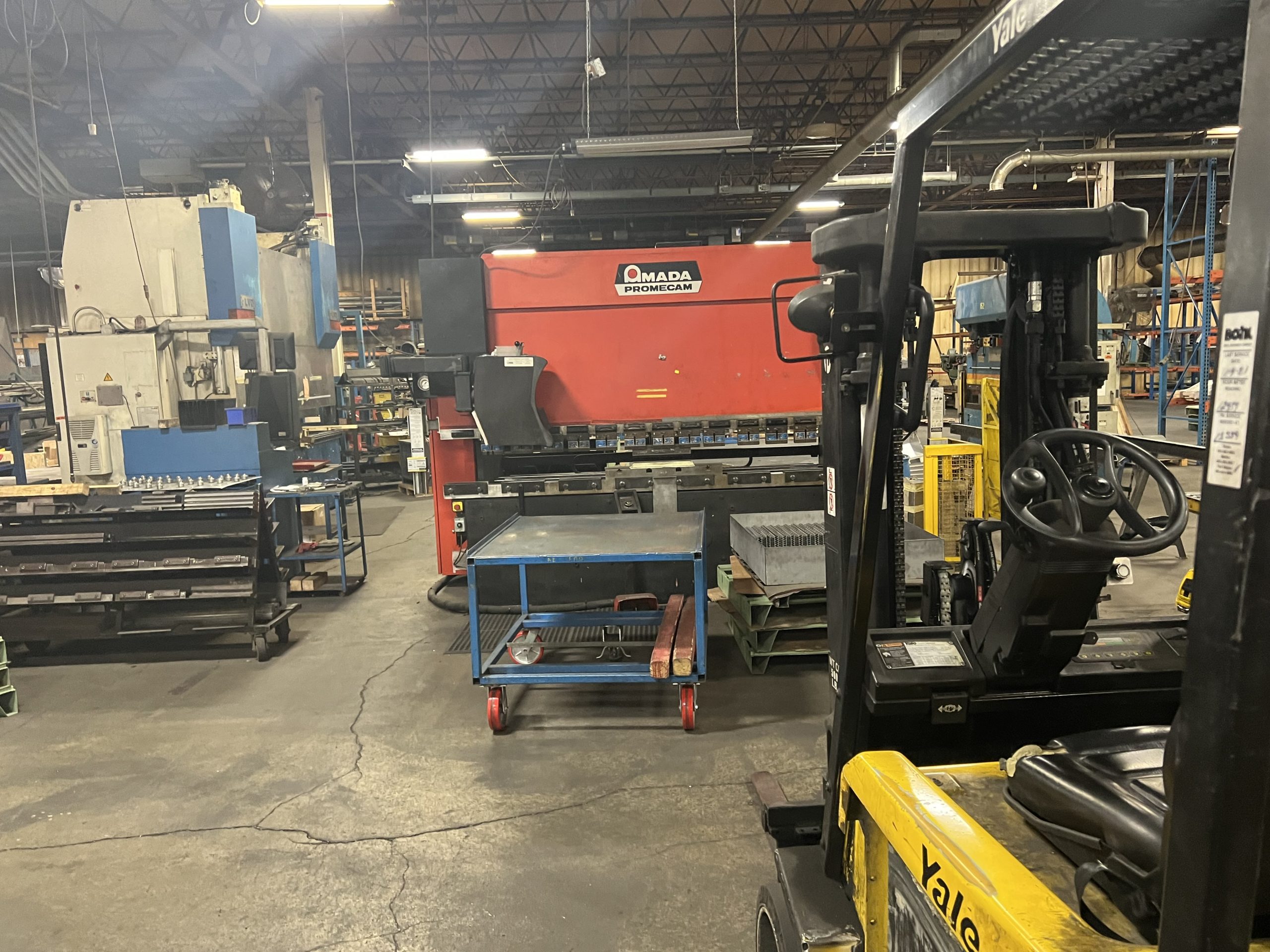
Honyo Prototype Sheet Metal Fabrication Equipment Workflow
Honyo Prototype employs a streamlined, technology-driven process for sheet metal fabrication equipment handling, ensuring precision, speed, and cost efficiency from initial design to final delivery. This workflow integrates advanced digital tools with hands-on engineering expertise to minimize lead times while maintaining rigorous quality standards.
Upload CAD
Clients initiate the process by uploading native or neutral CAD files (STEP, IGES, DWG, or native formats like SOLIDWORKS) via Honyo’s secure customer portal. Our system performs automated file validation to confirm geometric integrity, unit consistency, and required metadata. Files undergo immediate virus scanning and encryption, ensuring IP protection. For complex assemblies, we recommend including a 2D flat pattern drawing to expedite downstream processing.
AI Quote Generation
Upon CAD validation, our proprietary AI quoting engine analyzes the geometry, material specifications, and tolerances to generate a detailed cost estimate within 60–90 seconds. The AI factors in real-time variables such as material scrap optimization, machine setup complexity, secondary operations (e.g., tapping, welding), and regional logistics costs. Unlike basic quoting tools, our AI cross-references historical production data from 15,000+ sheet metal projects to predict manufacturability risks, providing clients with transparent cost drivers and alternative material suggestions where applicable.
Engineer-Verified DFM Analysis
All quotes trigger an automated Design for Manufacturability (DFM) review conducted by Honyo’s certified sheet metal engineers—not solely by AI. This critical phase identifies and resolves potential production issues before fabrication begins. Key DFM checks include:
| Parameter | Standard Check | Outcome Handling |
|---|---|---|
| Bend Radius | Minimum radius vs. material thickness (e.g., 0.8mm min for 1.0mm AL6061) | Auto-suggest radius adjustment or tooling change |
| Hole-to-Edge | Clearance ≥ 1.5x material thickness | Flag for redesign or laser repositioning |
| Kerf Compensation | Laser/waterjet kerf offset applied to nested geometry | Adjust CAD paths automatically |
| Tooling Conflicts | Press brake tool clearance vs. part features (e.g., flanges near cutouts) | Propose tooling sequence revision |
Engineers provide actionable feedback within 4 business hours, including annotated CAD markups and revised flat patterns. Clients approve the DFM report or request iterations via the portal before proceeding.
Precision Production
Approved designs move to production on Honyo’s integrated equipment network:
Cutting: 5kW Trumpf TruLaser 5030 fiber lasers (0.5–25mm steel) or OMAX 80× waterjets for non-ferrous materials, with ±0.1mm positional accuracy.
Forming: Amada HG-1003 hydraulic press brakes with automatic tool changers (50–200 ton capacity), utilizing coining/bending simulations to ensure angular repeatability of ±0.5°.
Secondary Ops: Automated tapping stations, robotic MIG/TIG welding cells, and powder coating lines (ISO 14644 Class 8 cleanroom for critical finishes).
Real-time machine telemetry syncs with our MES, allowing clients to track job status hourly via the portal. First-article inspections (FAI) per AS9102 are performed for lots >50 units.
Quality-Controlled Delivery
Completed parts undergo dimensional validation via CMM (Zeiss CONTURA) and visual inspection against ASME Y14.5 GD&T callouts. All shipments include:
Material certifications (mill test reports)
FAI/PPAP documentation (upon request)
Custom kitting with anti-corrosion packaging for international logistics
Parts ship via DHL/FedEx with temperature/humidity monitoring for sensitive finishes, typically within 72 hours of production completion. Global delivery lead times average 8–12 days door-to-door, with real-time GPS tracking accessible through the client portal.
This closed-loop process reduces traditional sheet metal prototyping timelines by 40–60% while maintaining ISO 9001:2015 and IATF 16949 compliance. Honyo’s integration of AI-driven quoting with human-engineered DFM ensures manufacturability without compromising design intent—delivering production-ready parts on spec, every time.
Start Your Project
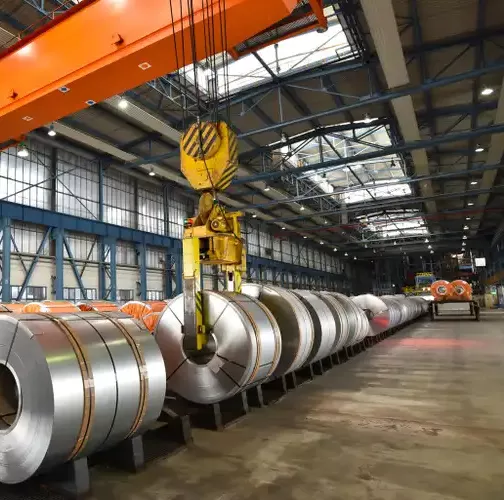
Explore our advanced sheet metal fabrication equipment designed for precision and efficiency in high-mix, low-volume production environments. Built to meet the demands of prototyping and bridge manufacturing, our in-house solutions ensure fast turnaround and consistent quality.
Contact Susan Leo for equipment specifications, capacity details, or partnership opportunities.
Email: [email protected]
Honyo Prototype – Precision Sheet Metal Manufacturing
Factory located in Shenzhen, China
🚀 Rapid Prototyping Estimator
Estimate rough cost index based on volume.