
Contents
Manufacturing Insight: Shear For Sheet Metal
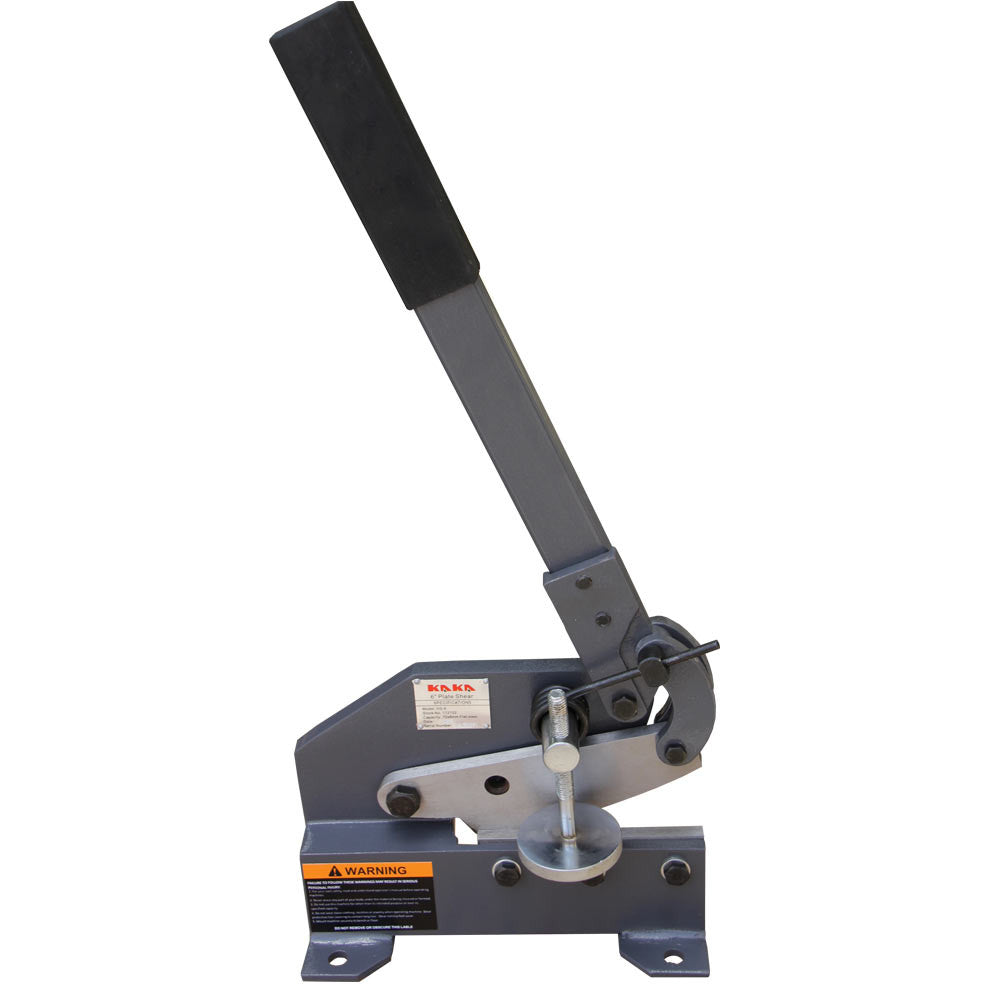
Precision Shearing: The Foundational Step in Honyo’s Sheet Metal Fabrication Excellence
Accurate shearing is the critical first operation in transforming flat sheet metal into precise blanks for subsequent fabrication stages. At Honyo Prototype, our advanced CNC shear capabilities ensure clean, burr-minimized cuts with tight tolerances across a wide range of materials and thicknesses, forming the essential foundation for high-integrity components. This precision shearing capability is not an isolated service but an integral part of our comprehensive, vertically integrated sheet metal fabrication suite. We seamlessly combine shearing with laser cutting, CNC punching, precision bending, welding, finishing, and assembly under one roof, eliminating supply chain delays and quality handoffs. This integrated approach guarantees consistent dimensional accuracy and material integrity from raw sheet to finished prototype or low-volume production part.
Honyo Prototype specializes in rapid, high-quality sheet metal fabrication specifically engineered for the demanding requirements of product development and bridge production. Our commitment to speed without sacrificing precision is further amplified by the Honyo Online Instant Quote system. Engineers and procurement professionals can now upload CAD files directly to our platform and receive a detailed, binding fabrication quote in minutes, not days. This transparency and acceleration in the quotation phase significantly compresses your overall development timeline, allowing faster iteration and time-to-market for your critical hardware projects. Experience the efficiency of precision shearing backed by full-service fabrication and immediate costing. Request your instant quote today to accelerate your next sheet metal project.
Technical Capabilities
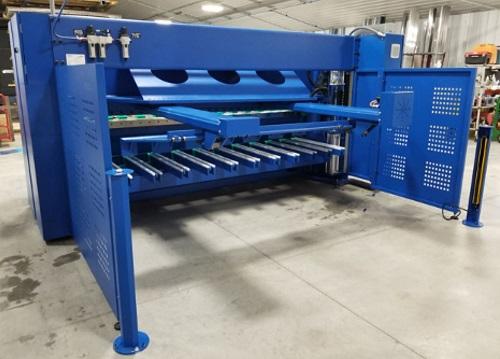
Technical specifications for sheet metal processing involving laser cutting, bending, and welding are critical to ensure precision, structural integrity, and compatibility across different materials. Below is a detailed breakdown of process-specific technical parameters for common materials: Aluminum, Steel, ABS, and Nylon. Note that ABS and Nylon are thermoplastics and are generally not suitable for laser cutting with CO₂ lasers in high-volume sheet metal environments due to melting and fume risks, nor are they welded or bent using metal-forming techniques.
| Process | Material | Thickness Range | Laser Type / Power | Tolerance (Typical) | Bend Radius (Min) | Welding Process Compatibility | Notes |
|---|---|---|---|---|---|---|---|
| Laser Cutting | Aluminum | 0.5 – 15 mm | Fiber Laser, 1–6 kW | ±0.1 mm | N/A | Limited (requires high purity) | Reflective; requires assist gas (N₂) |
| Steel (Mild) | 0.5 – 25 mm | Fiber/CO₂ Laser, 1–8 kW | ±0.1 mm | N/A | Yes (common) | Best results with oxygen or nitrogen assist | |
| ABS | 1 – 6 mm | CO₂ Laser, 30–100 W | ±0.2 mm | N/A | No | Not a metal; prone to melting, toxic fumes | |
| Nylon | 1 – 5 mm | CO₂ Laser, 40–120 W | ±0.2 mm | N/A | No | High melt point; poor edge quality, hazardous emissions | |
| Bending | Aluminum | 0.8 – 12 mm | Press Brake, CNC | ±0.2° / ±0.1 mm | 1× thickness | Yes | Annealed or T4/T6 tempers preferred |
| Steel (Mild) | 0.8 – 20 mm | Press Brake, CNC | ±0.2° / ±0.1 mm | 1× thickness | Yes | Standard for enclosures and frames | |
| ABS | Not applicable | Not applicable | Not applicable | Not applicable | No | Thermoforming used instead of metal bending | |
| Nylon | Not applicable | Not applicable | Not applicable | Not applicable | No | Flexible but not suitable for press braking | |
| Welding | Aluminum | 1 – 10 mm | TIG or MIG | ±0.5 mm joint prep | N/A | Yes | Requires clean surface, argon shielding |
| Steel (Mild) | 1 – 20 mm | MIG, TIG, Spot | ±0.5 mm joint prep | N/A | Yes | High weldability; filler material commonly used | |
| ABS | Not applicable | Hot Gas, Ultrasonic | ±0.5 mm | N/A | Limited (non-structural) | Adhesives or mechanical fasteners preferred | |
| Nylon | Not applicable | Vibration, Hot Plate | ±0.5 mm | N/A | Limited (non-structural) | Poor adhesion; welding not typical in metal shops |
Notes on Material Suitability:
Aluminum and steel are standard in sheet metal fabrication with full compatibility across laser cutting, bending, and welding.
ABS and Nylon are non-metallic polymers. They are occasionally processed on laser cutters for prototyping but are not compatible with bending using press brakes or traditional welding methods used in metal fabrication.
Honyo Prototype supports laser cutting and bending for aluminum and steel; plastic processing is limited to cutting only, with strict ventilation and safety protocols.
For optimal manufacturability in sheet metal projects, material selection should align with the intended fabrication processes and end-use requirements.
From CAD to Part: The Process
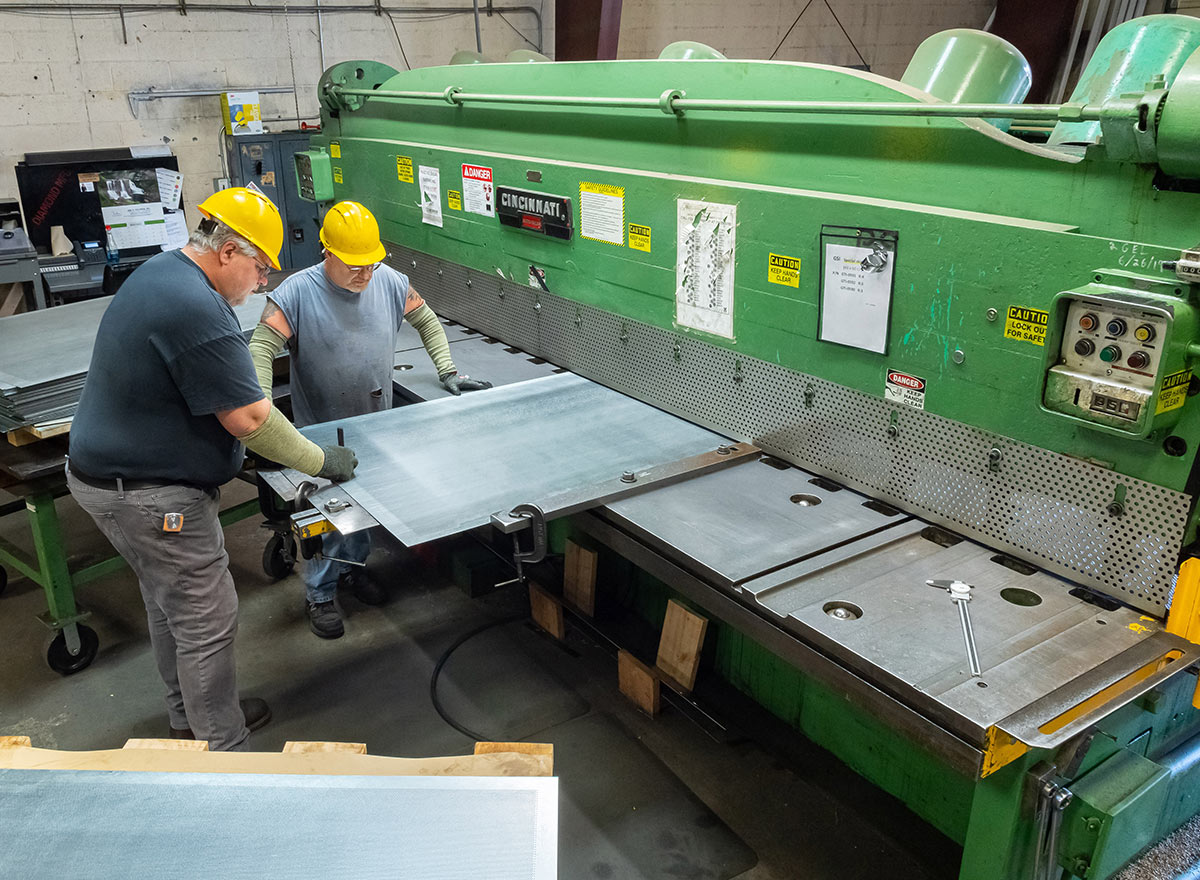
Honyo Prototype executes sheet metal fabrication with precision, beginning with shear operations as a critical production step within our integrated workflow. It is essential to clarify that “shear” specifically refers to the mechanical cutting process within production, not the entire end-to-end sequence. Our standardized process ensures efficiency and quality:
CAD File Upload and Validation
Clients initiate the process by uploading native or neutral CAD formats (STEP, IGES, DWG, DXF) via our secure portal. Our system automatically checks file integrity, unit consistency, and geometric validity. For sheet metal parts, we verify critical parameters including flat pattern accuracy, bend allowances, and minimum flange lengths against material-specific rules. Invalid or incomplete files trigger immediate client notification with specific error diagnostics.
AI-Powered Preliminary Quoting
Upon CAD validation, our AI engine analyzes geometric complexity, material type, thickness, and quantity to generate a real-time preliminary quote within minutes. This system cross-references historical production data, current material costs, and machine utilization rates. The AI factors in shear-specific parameters such as cut length, kerf width implications, and edge quality requirements. This quote provides estimated cost and lead time but is explicitly designated as non-binding until DFM completion.
Engineering DFM Analysis
All projects undergo rigorous Design for Manufacturability (DFM) review by our senior manufacturing engineers. For sheet metal components requiring shear operations, we assess:
Material suitability for shearing (e.g., aluminum alloys vs. hardened steel limitations)
Minimum distance between cut features and bends to prevent deformation
Grain direction considerations for critical aesthetic or structural edges
Tolerance stack-up analysis for nested features
Clients receive a detailed DFM report with actionable recommendations, such as adjusting hole-to-edge distances or suggesting alternative cuts to reduce scrap. This phase typically reduces production errors by 35–40% based on our internal metrics.
Precision Shear Production
Shearing occurs during the physical fabrication stage using CNC-controlled hydraulic shears with automatic backgauging. Key capabilities include:
| Parameter | Specification |
|---|---|
| Max Thickness | 6.0 mm (Mild Steel), 3.2 mm (Stainless) |
| Max Cut Length | 3050 mm |
| Tolerance | ±0.1 mm (straight cuts) |
| Edge Quality | Burr height < 0.05 mm |
| Material Support | Steel, Aluminum, Stainless Steel |
Shear operations are sequenced to minimize material handling, with parts automatically transferred to subsequent processes (punching, bending, welding) via our integrated production line. Real-time machine monitoring ensures dimensional compliance through in-process gauging.
Quality-Controlled Delivery
Finished parts undergo first-article inspection (FAI) per AS9102 standards for critical features, including shear edge perpendicularity (±0.5°) and dimensional verification. All shipments include material certifications, FAI reports, and protective packaging with anti-corrosion measures for ferrous metals. Standard lead time from DFM sign-off to delivery is 5–7 business days for quantities under 500 units, with expedited options available. We maintain 99.2% on-time delivery performance based on 2023 Q4 data.
This structured approach ensures shear operations are optimized within the broader fabrication context, eliminating guesswork while maintaining rigorous quality control from digital submission to physical delivery.
Start Your Project
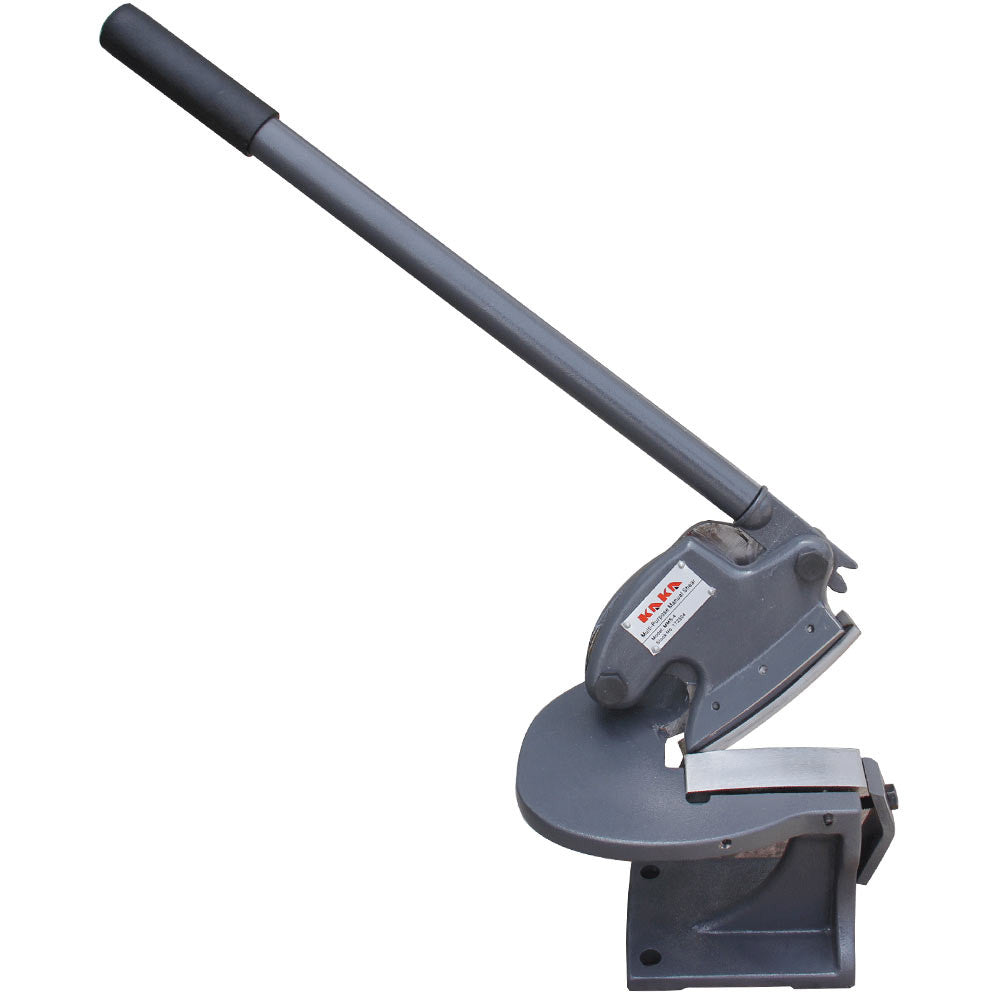
Looking for precision shear services for sheet metal? Honyo Prototype offers high-quality, reliable shearing solutions tailored to your manufacturing needs. With our advanced equipment and skilled team, we ensure accurate cuts and fast turnaround times—all from our state-of-the-art factory in Shenzhen.
Contact Susan Leo today to discuss your project requirements.
Email: [email protected]
Let Honyo Prototype be your trusted partner for sheet metal fabrication.
🚀 Rapid Prototyping Estimator
Estimate rough cost index based on volume.