
Contents
Manufacturing Insight: Screen Printing On Steel
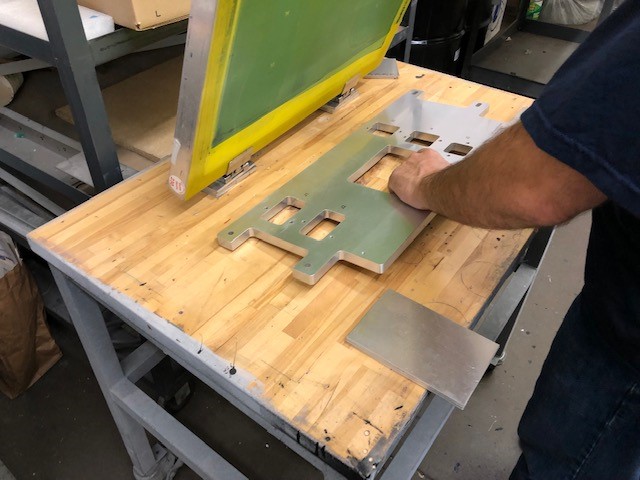
Precision Marking Solutions for Industrial 3D Printed Steel Components
Screen printing on steel remains a critical process for applying durable legends, calibration marks, or branding to metal components, particularly in demanding sectors like aerospace, automotive, and industrial equipment. At Honyo Prototype, we recognize that seamless integration of marking processes directly impacts the functionality and traceability of end-use parts. Our Industrial 3D Printing services specialize in producing complex steel components—using aerospace-grade alloys such as 17-4 PH stainless steel and tool steels—with optimized surface finishes specifically engineered to accept high-fidelity screen printing. This ensures markings adhere uniformly without compromising the structural integrity or corrosion resistance of the 3D printed part.
Unlike traditional manufacturing workflows where post-processing adds significant lead time, Honyo streamlines the entire value chain. Our end-to-end capabilities include design validation, metal additive manufacturing, heat treatment, precision finishing, and coordination with certified screen printing partners. This integrated approach guarantees dimensional accuracy between the printed part and its markings, eliminating common pitfalls like ink bleed or adhesion failure on additive-manufactured surfaces. For engineering teams requiring rapid iteration, our Online Instant Quote system provides real-time cost and lead time estimates for 3D printed steel prototypes within seconds, accelerating your path from CAD model to fully marked, production-ready component.
Industrial 3D Printing Service Comparison
| Parameter | Honyo Prototype Standard | Typical Industry Baseline |
|---|---|---|
| Material Options | 17-4 PH SS, 316L, Tool Steels, Inconel 718 | Limited to 304/316 SS |
| Surface Finish (as-built) | Ra 6.3–12.5 μm (optimized for marking) | Ra 15–25 μm (requires extensive prep) |
| Integrated Marking Support | Full coordination with screen printing partners | Customer-managed post-processing |
| Quote Turnaround | Online Instant Quote (under 60 seconds) | Manual RFQ (24–72 hours) |
By unifying additive manufacturing expertise with downstream finishing requirements, Honyo Prototype delivers steel components where screen-printed markings perform as reliably as the part itself—without project delays. Initiate your next project with our Online Instant Quote to experience industrial-grade precision from digital file to marked physical asset.
Technical Capabilities
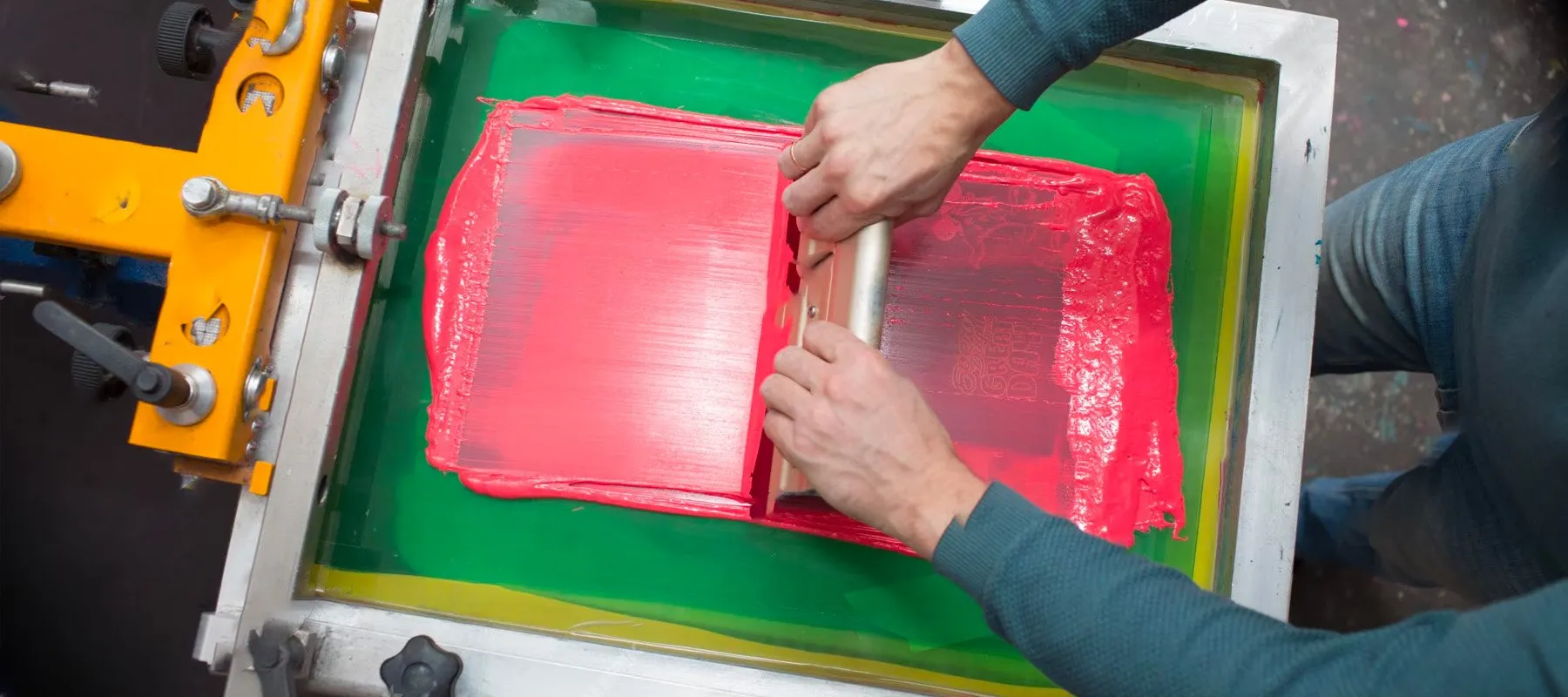
Screen printing is a surface finishing technique used to apply ink or coatings onto flat or slightly curved substrates, commonly employed for labeling, branding, or functional markings on manufactured parts. However, screen printing is not a primary additive manufacturing process. The technologies referenced—SLA (Stereolithography), SLS (Selective Laser Sintering), MJF (Multi Jet Fusion), and DMLS (Direct Metal Laser Sintering)—are additive manufacturing (AM) methods used to fabricate three-dimensional parts, which may later undergo screen printing as a post-processing step.
Below is a technical comparison of these AM technologies, including their compatibility with screen printing and typical materials such as Aluminum, Steel, ABS, and Nylon. Note that screen printing is generally applicable only to parts with stable, smooth surfaces, which may require post-processing (e.g., coating, sanding) depending on the base AM technology.
| Technology | Full Name | Primary Materials | Surface Quality for Screen Printing | Post-Processing for Screen Printing | Notes on Metal Compatibility (Aluminum/Steel) |
|---|---|---|---|---|---|
| SLA | Stereolithography | Photopolymer resins | Smooth, ideal for screen printing | Minimal; cleaning and curing usually sufficient | Not applicable; non-metallic process |
| SLS | Selective Laser Sintering | Nylon (PA11, PA12), occasionally filled composites | Moderately rough (powder-based); requires coating or sealing | Sanding, priming, or epoxy coating recommended | Limited to polymers; not suitable for Aluminum/Steel |
| MJF | Multi Jet Fusion | Nylon (PA12), glass-filled Nylon | Smoother than SLS but still porous; better resolution | Dyeing, sealing, or coating improves print adhesion | Polymer-only; not compatible with Aluminum/Steel |
| DMLS | Direct Metal Laser Sintering | Stainless Steel, Tool Steel, Aluminum, Titanium, Inconel | As-built surface is rough; machining or polishing needed | Machining, sandblasting, or coating required | Fully compatible with Aluminum and Steel; ideal for metal parts requiring screen printing after finishing |
Important Clarification:
Screen printing is not performed directly during SLA, SLS, MJF, or DMLS processes. It is a secondary operation applied after part fabrication and surface preparation. For metal parts produced via DMLS (e.g., stainless steel or aluminum), successful screen printing requires achieving a smooth, contaminant-free surface through post-processing such as polishing, anodizing (for aluminum), or coating. Polymer parts from SLA, SLS, or MJF may accept screen printing more readily, especially SLA due to its smooth surface finish.
At Honyo Prototype, we recommend evaluating surface finish requirements early in the design phase to ensure compatibility with screen printing and other labeling methods. For high-volume or durable markings on steel or aluminum components, alternative methods such as laser engraving or pad printing may offer better durability and adhesion.
From CAD to Part: The Process
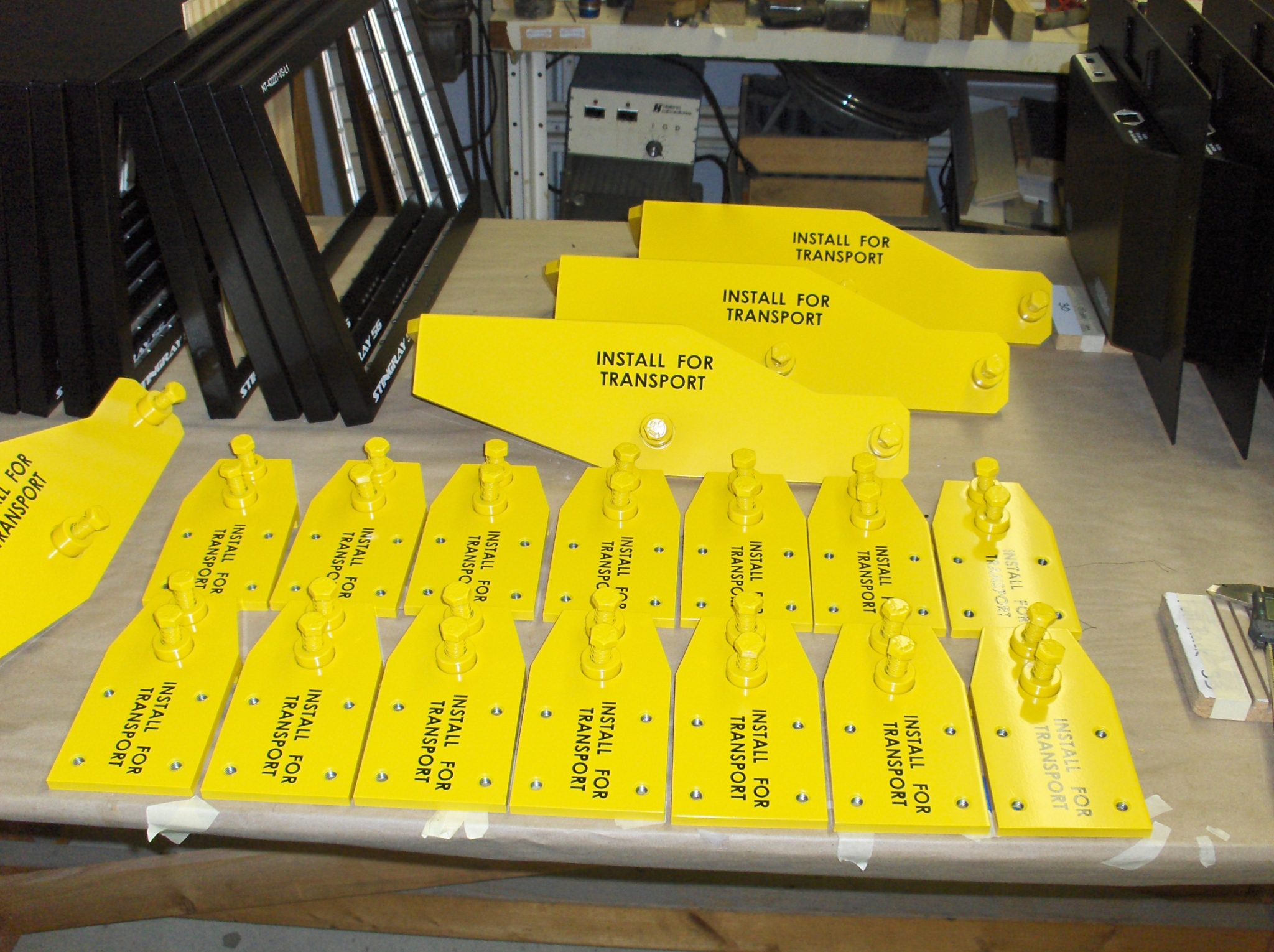
Honyo Prototype executes screen printing on steel components through a rigorously controlled digital workflow designed for precision, material compatibility, and rapid turnaround. Our process integrates advanced automation with metallurgical expertise specific to metal substrates, ensuring optimal adhesion and durability of printed features on steel surfaces. Below is the detailed sequence:
Upload CAD
Clients initiate the process by uploading native CAD files (STEP, IGES, or native SOLIDWORKS/AutoCAD formats preferred) via our secure customer portal. For steel applications, we specifically verify critical parameters including material grade (e.g., 304SS, 410SS, cold-rolled steel), surface finish (mill scale, polished, coated), and dimensional tolerances. This initial upload triggers automated file validation checks for geometric integrity and layer compatibility with screen printing requirements.
AI Quote
Our AI-powered quoting engine processes the CAD data within minutes, analyzing steel-specific factors such as part geometry complexity, surface area for printing, required ink opacity, and secondary operations (e.g., pre-cleaning, post-curing). The system cross-references real-time material costs for steel substrates and specialty metal inks (e.g., solvent-based or UV-curable formulations engineered for metal adhesion). Quotes include granular cost breakdowns for steel preparation steps often overlooked by competitors, such as vapor degreasing or chemical etching for optimal ink bonding.
DFM Analysis
Engineers conduct a mandatory Design for Manufacturability review focused on steel substrate challenges. Key checks include:
Verification of minimum feature sizes relative to steel surface roughness (Ra values)
Assessment of ink coverage requirements against steel’s thermal expansion coefficient
Confirmation of print registration marks placement to accommodate steel’s rigidity
Evaluation of ink curing parameters compatible with steel’s thermal mass
We provide actionable feedback within 24 hours, proposing modifications to prevent ink peeling or registration drift during thermal cycling. Common steel-specific DFM recommendations involve adjusting squeegee pressure settings or specifying adhesion promoters for low-surface-energy alloys.
Production
Upon DFM approval, steel components undergo a dedicated production sequence:
1. Surface Preparation: Degreasing via alkaline soak cleaning followed by abrasive blasting (if mill scale is present) to achieve 300-500 µin Ra profile
2. Printing: Application using calibrated pneumatic screen printers with steel-specific parameters (150-200 mesh counts, 60-75 Shore A durometer squeegees)
3. Curing: Forced-air or UV curing at temperatures adjusted for steel’s conductivity (typically 130-150°C for 15-20 minutes)
4. Quality Control: 100% visual inspection under 500 lux lighting plus cross-hatch adhesion testing per ASTM D3359
The following table summarizes critical process parameters for common steel substrates:
| Steel Type | Pre-Treatment Requirement | Ink System | Curing Profile | Adhesion Test Result |
|---|---|---|---|---|
| 304 Stainless | Citric acid passivation | UV-curable | 140°C x 18 min | 5B (no removal) |
| Cold Rolled Steel | Phosphate conversion coat | Epoxy-based | 150°C x 20 min | 4B (minor flaking) |
| 410 Stainless | Abrasive blast + primer | Two-part polyurethane | 135°C x 22 min | 5B (no removal) |
Delivery
Finished steel components undergo final inspection against ASME B46.1 surface texture standards before packaging. We implement VCI (Vapor Corrosion Inhibitor) packaging for all steel parts to prevent flash rusting during transit. Shipment includes material traceability documentation (mill test reports), first-article inspection data, and adhesion test certificates. Standard lead time from CAD upload to delivery is 7-10 business days for prototype quantities, with real-time production tracking available via client portal.
This integrated approach ensures screen-printed steel components meet stringent industrial requirements for outdoor exposure, chemical resistance, and mechanical durability. For complex steel alloys or regulatory applications (e.g., medical or aerospace), we recommend early engagement with our metallurgy team during the DFM phase to optimize print performance. Contact Honyo engineering for substrate-specific process validation data.
Start Your Project
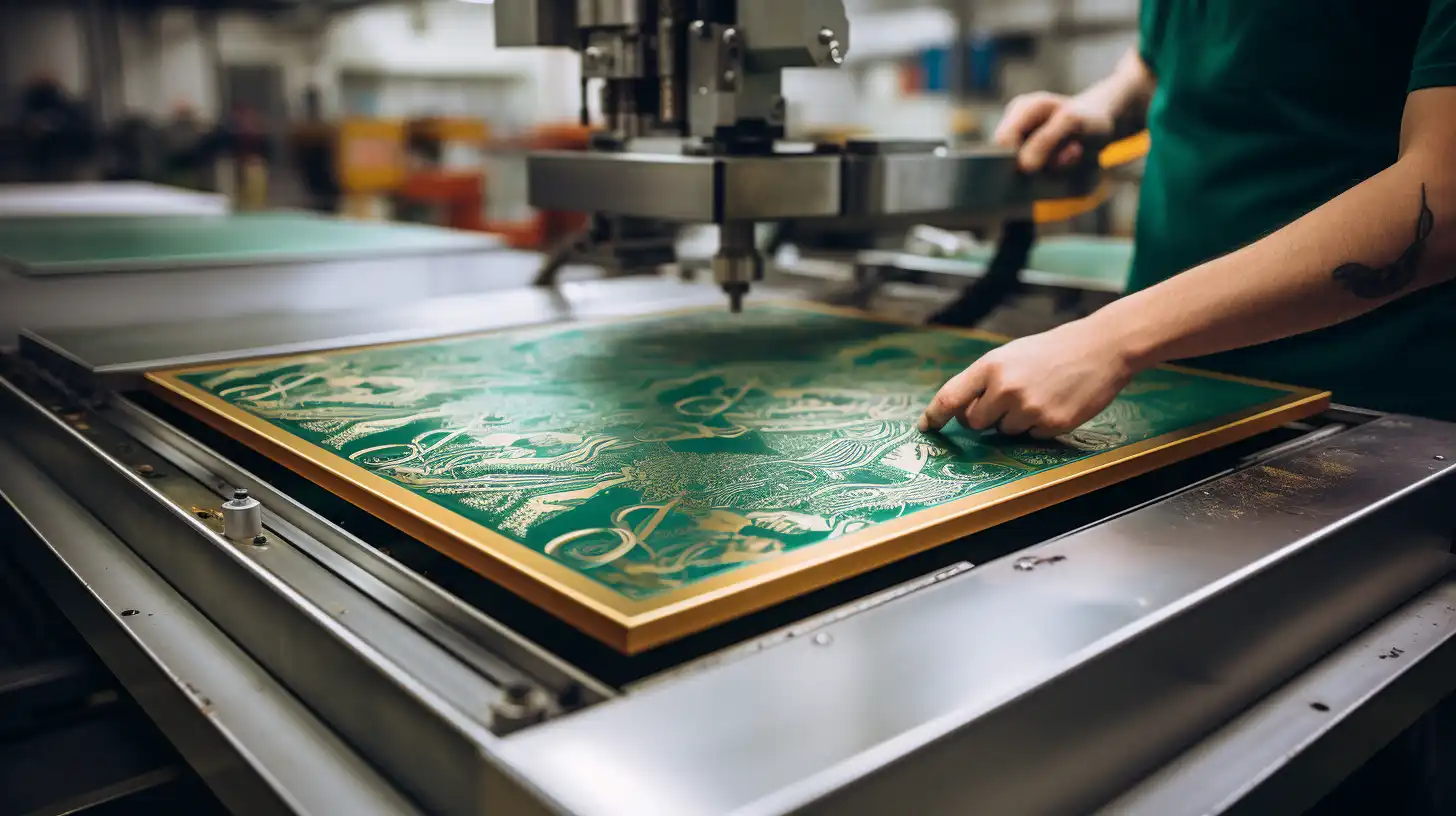
For high-precision screen printing on steel components, contact Susan Leo at [email protected]. Our dedicated facility in Shenzhen offers industrial-grade screen printing solutions tailored for metal substrates, ensuring durable, repeatable results for prototyping and low-volume production. Reach out today to discuss your project specifications and receive a detailed quote.
🚀 Rapid Prototyping Estimator
Estimate rough cost index based on volume.