
Contents
Manufacturing Insight: Sand Steel
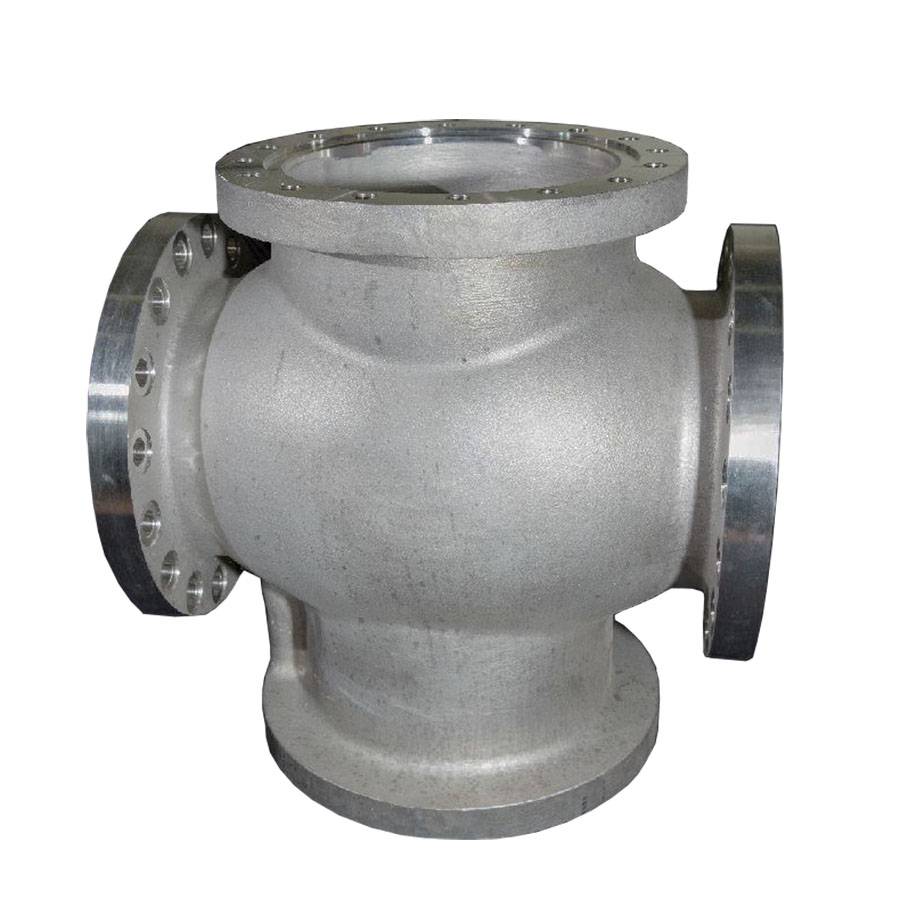
Precision Machining for Sand-Cast Steel Components: Elevate Your Prototypes and Low-Volume Production
Sand-cast steel remains a fundamental process for creating complex, near-net-shape components across aerospace, energy, and industrial sectors. However, the inherent dimensional variability and surface finish limitations of the as-cast state often prevent these parts from meeting stringent functional requirements for critical assemblies. Achieving tight tolerances, precise datum structures, and smooth bearing surfaces on sand-cast steel necessitates advanced subtractive manufacturing expertise. At Honyo Prototype, we specialize in transforming rough sand-cast steel blanks into high-integrity, mission-critical components through our state-of-the-art CNC machining capabilities.
Our engineering-led approach leverages multi-axis CNC milling, turning, and grinding centers specifically configured for the challenges of machining cast steel alloys. We understand the material behavior, optimal toolpath strategies, and fixturing requirements needed to maintain dimensional stability while achieving micron-level accuracy on features such as bores, sealing surfaces, and mounting interfaces. Whether you require single-setup machining of complex geometries or high-repeatability processing for bridge tooling, our processes are designed to maximize yield from your cast substrates while ensuring metallurgical integrity.
Honyo Prototype serves as your strategic partner for bridging the gap between casting feasibility and end-use performance. We eliminate the traditional bottleneck of lengthy procurement cycles for precision machining services through our Online Instant Quote platform. Simply upload your sand-cast steel part CAD file, specify material grade and required tolerances, and receive a comprehensive, transparent manufacturing assessment with lead time and cost breakdown within minutes. This digital workflow accelerates your path from casting pattern approval to validated, ready-to-assemble components, enhancing your supply chain efficiency for both rapid prototyping and low-volume production runs. Leverage our machining precision to unlock the full functional potential of your sand-cast steel designs.
Technical Capabilities
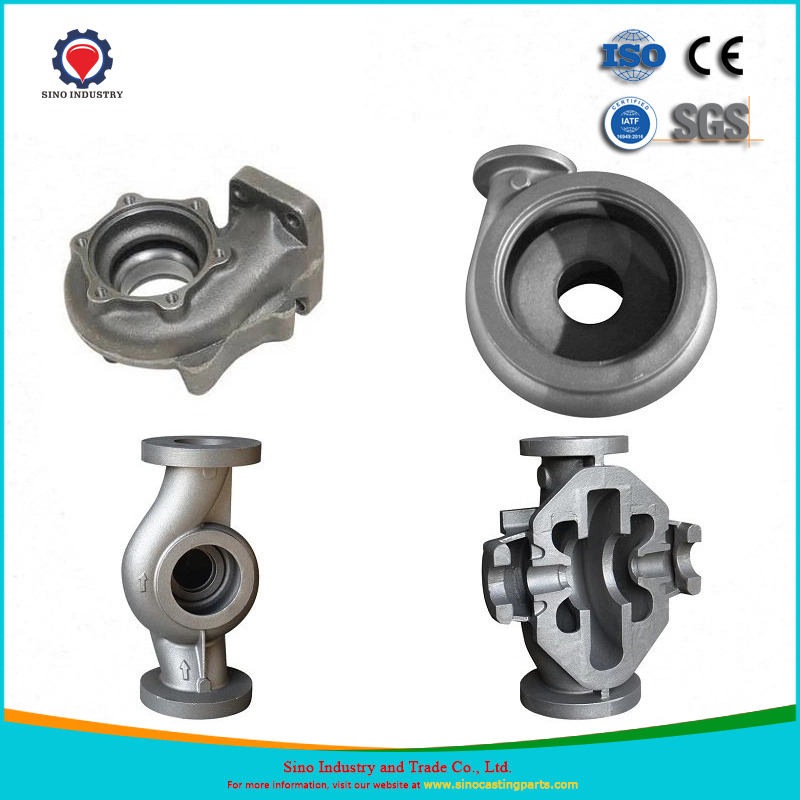
The term “sand steel” is not a recognized material in manufacturing or metallurgy. It may be a misinterpretation or miscommunication—possibly referring to cast steel or gray iron (commonly formed using sand casting), or potentially a proprietary or non-standard material. However, in the context of precision machining processes such as 3/4/5-axis milling and turning with tight tolerance requirements, the relevant materials are typically well-defined engineering metals and polymers.
Below is a technical comparison of commonly machined materials—Aluminum (e.g., 6061-T6), Steel (e.g., 4140), ABS, and Nylon—in the context of multi-axis milling, turning, and tight tolerance applications.
| Material | Typical Tolerance Range | Machinability (Relative) | Thermal Stability | Surface Finish (Typical Ra in µm) | Recommended for Tight Tolerance? | Notes for 3/4/5-Axis Milling & Turning |
|---|---|---|---|---|---|---|
| Aluminum (6061-T6) | ±0.005 mm to ±0.025 mm | Excellent | Moderate | 0.8 – 3.2 | Yes | High material removal rate; low cutting forces; excellent for complex 5-axis geometries; minimal tool wear |
| Steel (4140, Annealed) | ±0.010 mm to ±0.050 mm | Good | High | 1.6 – 6.3 | Yes | Requires rigid setup and proper tooling; higher tool wear than aluminum; suitable for high-strength precision components |
| ABS (Acrylonitrile Butadiene Styrene) | ±0.050 mm to ±0.100 mm | Very Good | Low (prone to warping) | 1.6 – 6.3 | Limited | Low melting point; use sharp tools and light cuts; avoid heat buildup; good for prototyping and non-structural parts |
| Nylon (PA6 or PA66) | ±0.050 mm to ±0.150 mm | Good | Low to Moderate | 1.6 – 6.3 | Conditional | High moisture absorption affects dimensional stability; requires dry material for tight tolerance work; excellent wear resistance |
Key Considerations for Tight Tolerance Machining:
For 3/4/5-axis milling and turning operations requiring tight tolerances, material selection must account for dimensional stability, thermal expansion, and consistent microstructure. Aluminum and alloy steels are preferred for high-precision applications due to their predictable behavior under cutting loads and environmental conditions. Thermoplastics like ABS and Nylon can be machined to moderate precision but are generally not recommended for critical tight-tolerance features without environmental controls and post-process stabilization.
If “sand steel” was intended to refer to sand-cast steel or iron components, note that such parts typically require extensive CNC finishing to achieve tight tolerances and are not inherently suitable for precision work in as-cast form.
From CAD to Part: The Process
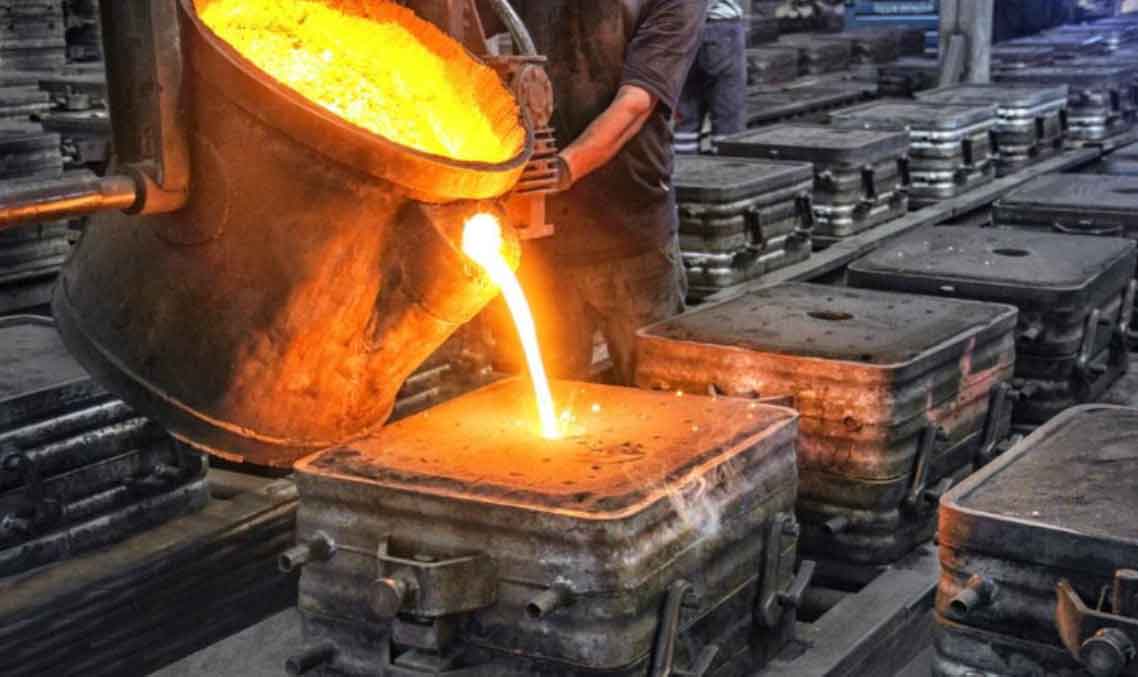
Honyo Prototype Sand Casting Process for Steel Components
Honyo Prototype utilizes sand casting for low-to-medium volume steel part production, leveraging a streamlined digital workflow to ensure precision and efficiency. This process—specifically for steel alloys cast using sand molds—is distinct from “sand steel” (a non-standard term); we refer to it as sand casting of steel. Our end-to-end sequence begins with CAD upload and concludes with certified delivery, integrating AI-driven automation with expert engineering oversight.
CAD Upload and Validation
Clients initiate the process by uploading 3D CAD models in industry-standard formats (STEP, IGES, or native SOLIDWORKS) via our secure portal. Our system automatically checks for file integrity, unit consistency, and geometric completeness. Missing critical details (e.g., parting lines, draft angles, or gating system requirements) trigger an immediate notification for client correction, preventing downstream delays. All data undergoes encryption per ISO 27001 protocols to protect intellectual property.
AI-Powered Quoting Engine
Validated CAD files enter our proprietary AI quoting system, which analyzes geometry, material specifications (e.g., ASTM A216 WCB, AISI 4140), and requested quantities. The algorithm calculates material utilization, mold complexity, machining allowances, and secondary operations (e.g., heat treatment, surface finishing). Within 2 business hours, clients receive a detailed quote including cost breakdown, lead time estimate, and preliminary manufacturability flags. This AI layer reduces quoting time by 70% compared to manual methods while maintaining >95% accuracy for standard geometries.
Engineering-Led DFM Review
Quotes transition to our manufacturing engineering team for rigorous Design for Manufacturability (DFM) analysis. Unlike purely automated systems, Honyo’s metallurgists and foundry engineers conduct hands-on reviews to address sand casting-specific challenges. Key focus areas include:
| DFM Parameter | Critical Checks | Common Resolution |
|---|---|---|
| Draft Angles | Minimum 1°–3° per side | Suggest gradual taper adjustments |
| Wall Thickness | Uniformity; avoid sections <3mm | Propose ribbing or coring solutions |
| Parting Line Placement | Minimize undercuts; align with gravity flow | Redesign split location |
| Gating System | Runner/riser sizing for steel shrinkage control | Optimize feed metal volume |
| Surface Finish | As-cast (Ra 12.5–25 µm) vs. machined requirements | Specify machining allowances |
Clients receive a formal DFM report with actionable recommendations. Approval requires explicit sign-off before proceeding, ensuring alignment on technical trade-offs.
Production Execution
Approved designs move to production in our ISO 9001-certified foundry. The sand casting workflow includes: Pattern creation from 3D data using CNC-machined urethane or 3D-printed models; green sand or no-bake mold fabrication; steel melt preparation in induction furnaces with spectral analysis for chemistry verification; controlled pouring and solidification; shakeout and cutoff; and final heat treatment (e.g., normalizing, stress-relieving). In-process inspections occur at 5 critical stages, including ultrasonic testing for internal defects per ASTM A609. Secondary operations like CNC machining or shot blasting follow as specified.
Certified Delivery and Traceability
Finished parts undergo final QA per client-specified tolerances (typically ±0.5mm linear, ±1° draft). Each shipment includes: material test reports (MTRs) with chemical composition and mechanical properties; dimensional inspection reports (using CMM or optical comparators); and a full traceability log linking the part to melt batch, mold data, and operator records. Logistics are managed via real-time tracking, with standard lead times of 15–25 days from DFM approval. Expedited options reduce this to 10–14 days for urgent prototypes.
This integrated approach ensures steel sand castings meet functional requirements while minimizing iteration cycles. By combining AI efficiency with deep foundry expertise, Honyo Prototype delivers production-ready steel components with the reliability expected in aerospace, energy, and industrial machinery applications.
Start Your Project
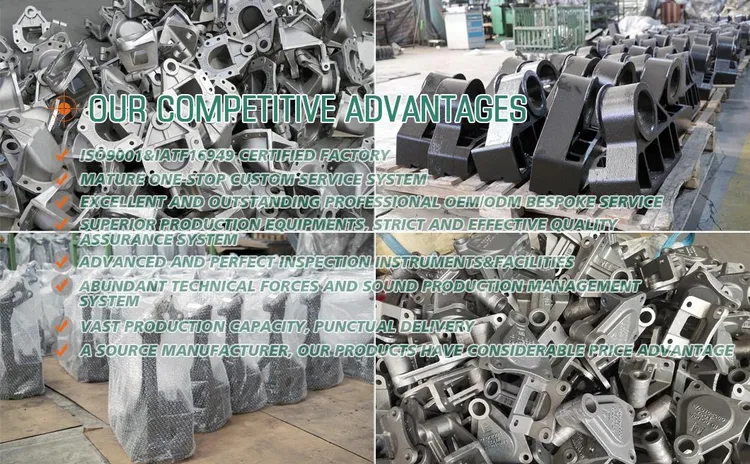
Interested in sand steel prototyping and low-volume production? Contact Susan Leo at [email protected] for expert support.
Honyo Prototype operates a dedicated manufacturing facility in Shenzhen, ensuring fast turnaround and high-quality output for your precision components.
Reach out today to discuss your project requirements and discover how our sand steel capabilities can meet your engineering and production needs.
🚀 Rapid Prototyping Estimator
Estimate rough cost index based on volume.