
Contents
Manufacturing Insight: Sand Stainless Steel
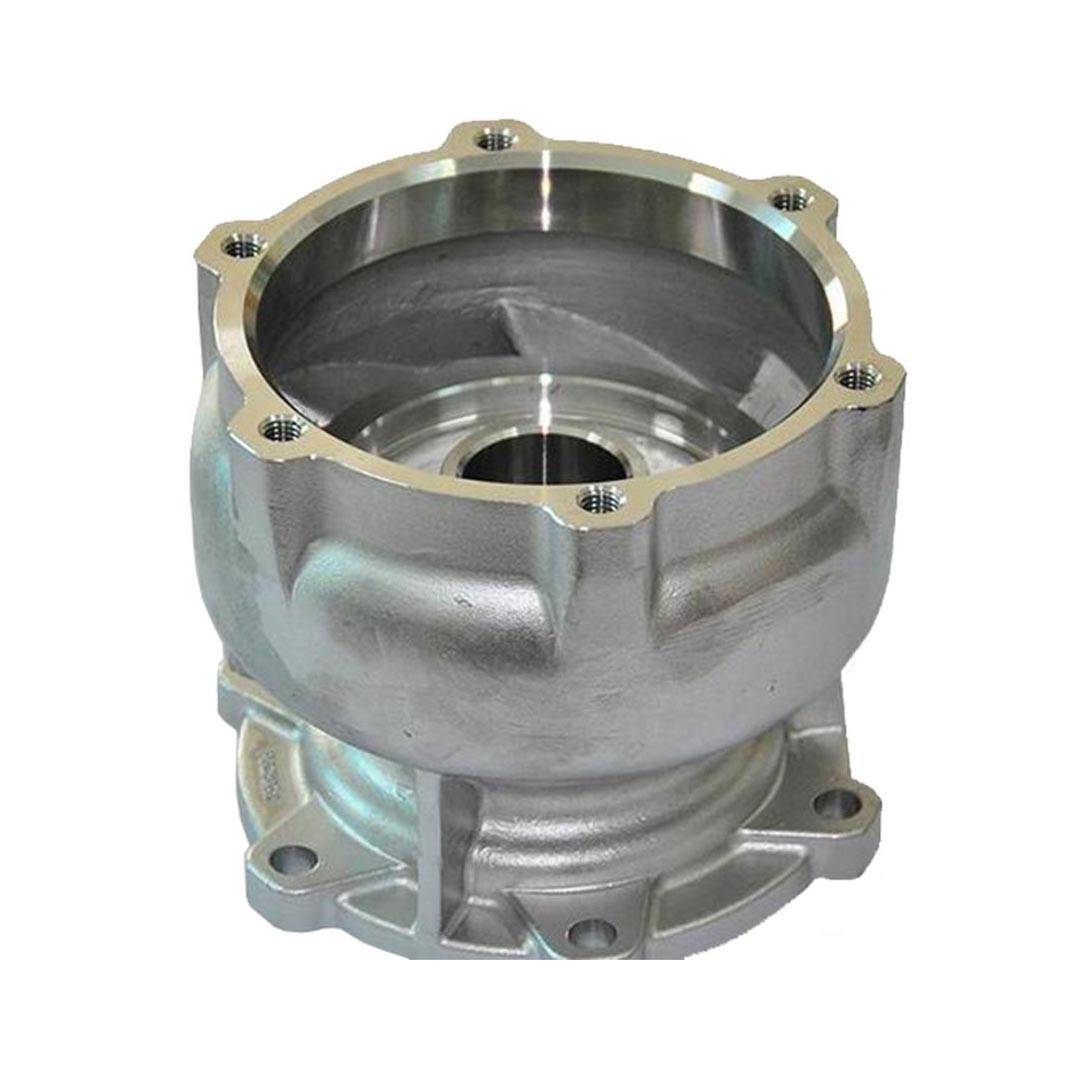
Precision Sand Cast Stainless Steel Machining Solutions from Honyo Prototype
Honyo Prototype delivers advanced CNC machining services specifically engineered for sand cast stainless steel components, addressing the unique challenges of this demanding material combination. Sand casting provides an economical method for producing complex stainless steel near-net shapes, while our precision CNC machining capabilities ensure final parts meet stringent dimensional tolerances and surface finish requirements critical for aerospace, medical, and industrial applications. We specialize in transforming sand cast 304, 316, and specialty stainless steel castings into high-integrity finished components through optimized machining processes that mitigate material hardness and work-hardening tendencies.
Our integrated manufacturing approach combines multi-axis milling, turning, and grinding with rigorous in-process inspection to achieve tolerances down to ±0.005 mm on critical features. Secondary operations including precision drilling, tapping, deburring, and non-destructive testing are seamlessly managed under one roof, eliminating supply chain delays. Every project adheres to AS9100 and ISO 13485 quality protocols, with material certifications and first-article inspection reports provided as standard. Key capabilities include:
| Process Stage | Technical Capability | Material Compatibility |
|---|---|---|
| Primary Machining | 5-axis milling, Swiss turning, grinding | Sand cast 304L, 316L, 17-4PH |
| Tolerances | ±0.005 mm (standard), ±0.002 mm (critical) | Cast stainless steel alloys |
| Secondary Services | CMM inspection, passivation, laser marking | Fully integrated workflow |
Accelerate your prototyping and low-volume production timelines with Honyo’s Online Instant Quote system. Upload your sand cast stainless steel part CAD file to receive a detailed manufacturability analysis and competitive pricing within hours—not days. This digital workflow eliminates traditional RFQ bottlenecks while providing transparent cost drivers for design optimization. Partner with Honyo Prototype to transform your sand cast stainless steel designs into precision-engineered reality with unmatched speed and technical rigor.
Technical Capabilities
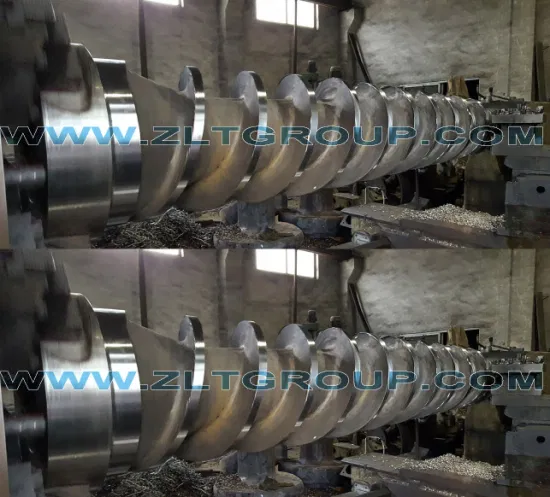
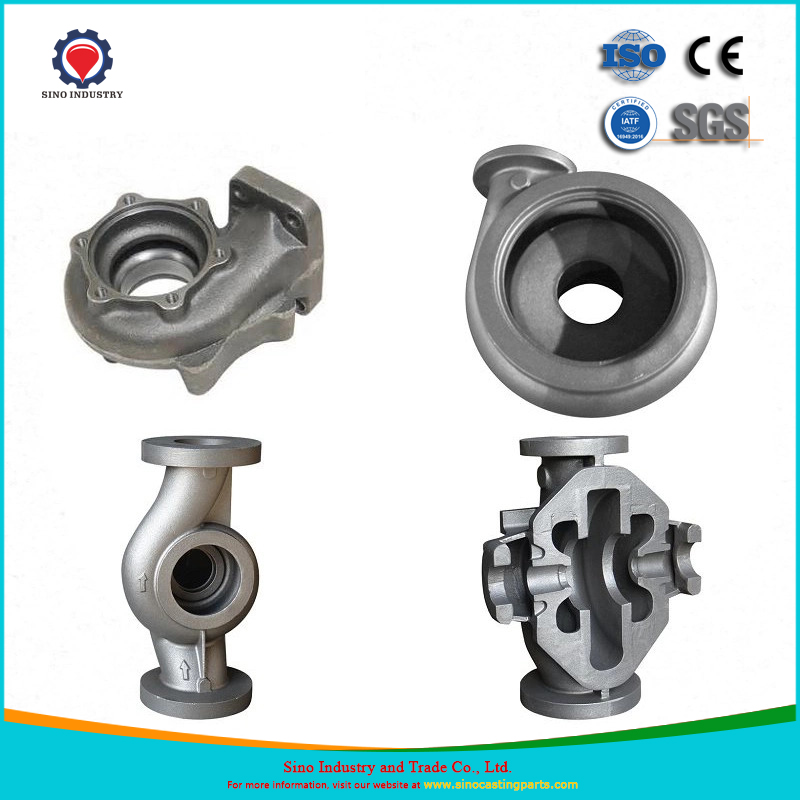
The term “sand stainless steel” typically refers to stainless steel components produced using sand casting methods, which are then machined to achieve precise dimensional accuracy and surface finish. These castings serve as near-net-shape blanks ideal for high-precision CNC machining operations such as 3-axis, 4-axis, and 5-axis milling, as well as turning. When tight tolerances are required, post-cast machining is essential to meet exacting specifications.
Below is a technical comparison of sand-cast stainless steel against other commonly machined materials—aluminum, steel (wrought), ABS, and nylon—in the context of multi-axis milling, turning, and tight-tolerance applications.
| Material | Typical Form for Machining | Machinability Rating | Max Achievable Tolerance (Milling) | Max Achievable Tolerance (Turning) | Surface Finish (Ra, µm) | Recommended for 4/5-Axis | Notes |
|---|---|---|---|---|---|---|---|
| Sand Cast Stainless Steel | Near-net shape casting | 45–55% (relative to B1112 steel) | ±0.025 mm | ±0.020 mm | 1.6 – 3.2 | Yes (with rigid setup) | Requires pre-machining to remove sand residues; excellent corrosion resistance; high strength; challenging due to work hardening |
| Aluminum (e.g., 6061-T6) | Wrought plate, bar, or billet | 90–100% | ±0.012 mm | ±0.010 mm | 0.8 – 1.6 | Excellent | High material consistency; low cutting forces; ideal for complex 5-axis geometries |
| Carbon Steel (e.g., 1045) | Bar stock or forged billet | 70% | ±0.015 mm | ±0.012 mm | 1.6 – 2.4 | Good | Predictable machining; higher tool wear than aluminum; good for high-strength requirements |
| ABS (Acrylonitrile Butadiene Styrene) | Solid sheet or rod | High (soft material) | ±0.050 mm | ±0.040 mm | 3.2 – 6.3 | Moderate | Low melting point; prone to chatter; suitable for prototypes and non-structural parts |
| Nylon (Polyamide) | Extruded rod or block | Moderate | ±0.050 mm | ±0.040 mm | 3.2 – 6.3 | Moderate | Hygroscopic; requires stress-relieving; excellent wear resistance; used in wear pads, gears |
Notes on Sand Cast Stainless Steel Machining:
Pre-Machining Requirements: Sand-cast blanks often contain residual sand, scale, and surface irregularities. A rough machining pass is typically required before precision operations.
Tooling: Use of carbide tooling with positive rake angles and appropriate coatings (e.g., AlTiN) is recommended to combat work hardening and abrasive inclusions.
Fixturing: Due to non-uniform stock distribution in castings, 3+2 or 5-axis machining must account for variable material engagement; adaptive toolpaths are beneficial.
Tight Tolerance Applications: Achieving tolerances below ±0.025 mm requires stress-relief cycles prior to final passes and precision CMM verification.
Applications: Valves, pumps, marine components, and industrial machinery parts where corrosion resistance and structural integrity are critical.
For high-accuracy 4-axis and 5-axis milling, wrought materials like aluminum and carbon steel are generally preferred due to dimensional consistency. However, sand cast stainless steel remains a cost-effective starting point for large, complex parts where material savings outweigh added machining time.
From CAD to Part: The Process
Honyo Prototype’s end-to-end process for manufacturing sandblasted stainless steel components follows a tightly integrated digital workflow designed for speed, precision, and manufacturability assurance. This sequence—specifically for achieving a consistent matte or textured finish via sandblasting (abrasive blasting) on machined stainless steel parts—ensures rapid turnaround without compromising quality. Below is a technical breakdown of each phase.
CAD Upload
Clients initiate the process by uploading native or neutral CAD files (STEP, IGES, Parasolid) through Honyo’s secure customer portal. Our system performs instant validation checks for geometry integrity, unit consistency, and file completeness. For stainless steel projects, the portal explicitly prompts for material grade specification (e.g., 304, 316, 17-4PH) and surface finish requirements, including sandblasting parameters such as media type, grit size, and target roughness. This eliminates downstream ambiguities and aligns with ASTM B444 or ISO 8501-1 standards for abrasive blasting.
AI-Powered Quoting
Upon CAD validation, Honyo’s proprietary AI engine analyzes the model to generate an instant quote within minutes. The algorithm evaluates critical factors: stainless steel grade machinability, raw material costs, CNC machining complexity (e.g., thin walls, tight tolerances), and sandblasting requirements. It cross-references historical production data from 50,000+ stainless steel parts to predict cycle times and costs with 95%+ accuracy. Crucially, the AI identifies potential sandblasting conflicts early—such as internal cavities inaccessible to media or areas requiring masking—and flags them in the quote for client review.
Design for Manufacturability (DFM) Analysis
After quote acceptance, Honyo’s engineering team conducts a rigorous DFM review focused on stainless steel’s unique challenges. This phase addresses:
Machinability: Avoiding work-hardening through optimized toolpaths and feed rates.
Sandblasting feasibility: Verifying blast media reachability, recommending optimal pressure (60–90 PSI), and specifying media (e.g., aluminum oxide grit for 304/316 SS).
Tolerance interactions: Ensuring critical dimensions aren’t compromised by surface texturing.
Material-specific risks: Mitigating heat discoloration (e.g., “sugaring”) during machining that could affect blast uniformity.
The DFM report, delivered within 24 hours, includes actionable suggestions—like adjusting edge radii to prevent media entrapment—with no obligation to proceed.
Production Execution
Approved DFM packages move to production under Honyo’s ISO 9001-certified workflow:
1. CNC Machining: Stainless steel stock is precision-machined using rigid tooling and cryogenic cooling to minimize thermal distortion. All operations adhere to ±0.005 mm tolerances.
2. Pre-Blast Preparation: Parts undergo ultrasonic cleaning to remove oils/swarf, followed by meticulous masking of non-blast areas using high-temperature tapes or fixtures.
3. Sandblasting: Conducted in enclosed blast cabinets with automated nozzles. Media selection and pressure are strictly controlled per the DFM plan. Typical surface finishes achieved:
| Parameter | Typical Range for Stainless Steel |
|---|---|
| Grit Size | 80–120 mesh (Al₂O₃) |
| Surface Roughness | Ra 1.6–3.2 μm |
| Coverage | 100% uniform matte finish |
- Post-Processing: Parts are passivated (per ASTM A967) to restore corrosion resistance, then inspected via profilometry to validate roughness compliance.
Quality-Controlled Delivery
Every sandblasted stainless steel component undergoes final inspection:
Dimensional verification against CAD using CMM or optical comparators.
Surface roughness validation via portable profilometers (results documented in the CoC).
Visual inspection under controlled lighting for consistency, pitting, or residual media.
Certified test reports (including material certs and passivation validation) accompany shipments. Honyo guarantees on-time delivery via tracked logistics, with standard lead times of 7–10 days for machined-and-blasted stainless steel prototypes. Expedited options (3–5 days) are available for urgent requirements, supported by our 24/7 production floor.
This integrated approach ensures sandblasted stainless steel parts meet functional and aesthetic specifications while minimizing time-to-part—a critical advantage for clients in medical, aerospace, and industrial equipment development.
Start Your Project
Looking for high-quality sand cast stainless steel components? Partner with Honyo Prototype for precision manufacturing and reliable production. Our factory in Shenzhen is equipped to deliver durable, cost-effective solutions tailored to your specifications.
Contact Susan Leo at [email protected] to discuss your project and request a quote today.
🚀 Rapid Prototyping Estimator
Estimate rough cost index based on volume.