
Contents
Manufacturing Insight: S S 304 Stainless Steel
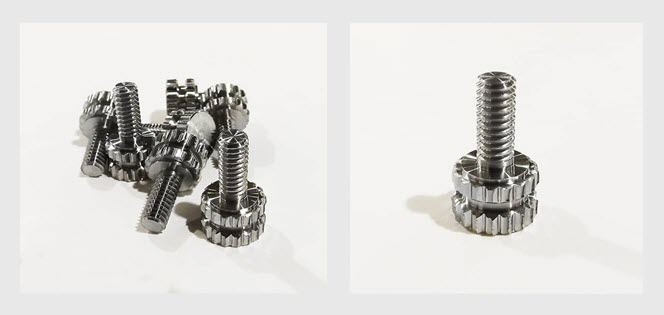
Precision Machining for 304 Stainless Steel: Engineered for Performance
304 stainless steel remains a cornerstone material in demanding industrial applications due to its exceptional corrosion resistance, robust mechanical properties, and superior weldability across diverse environments. Its austenitic structure provides reliable performance in everything from fluid handling systems and medical components to aerospace fixtures and food processing equipment, while maintaining compliance with ASTM A276 and AISI 304 specifications. Achieving tight tolerances and flawless surface finishes in this work-hardening alloy, however, demands specialized CNC machining expertise to prevent thermal distortion, maintain material integrity, and ensure consistent part functionality.
At Honyo Prototype, our advanced CNC milling and turning centers are specifically optimized for 304 stainless steel production. We leverage proprietary toolpath strategies, cryogenic cooling protocols, and real-time in-process metrology to control heat generation and microstructural stability, delivering components with dimensional accuracy to ±0.005mm and surface finishes as fine as Ra 0.4µm. Our engineering team collaborates directly with clients to address material-specific challenges—such as galling during threading or residual stress management—ensuring your 304 stainless parts meet rigorous functional and regulatory requirements without costly rework.
Accelerate your prototyping or low-volume production timeline with Honyo’s Online Instant Quote platform. Simply upload your 3D model, specify 304 stainless steel as your material, and receive a detailed manufacturability analysis with competitive pricing in under 60 seconds—no sales calls or email delays. This seamless integration of material science expertise and digital efficiency empowers design engineers to iterate faster while maintaining uncompromised quality in every machined component.
Technical Capabilities
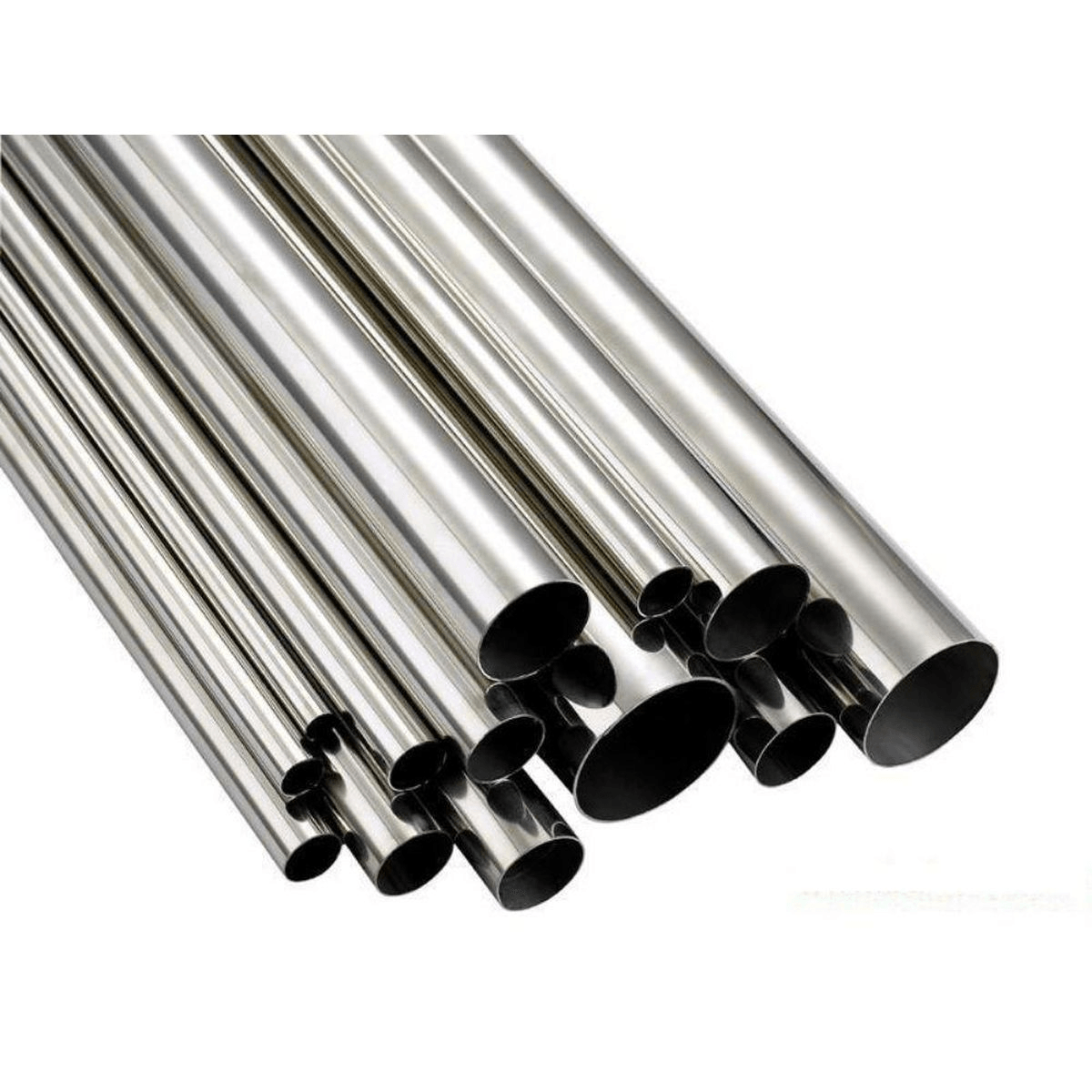
Material: 304 Stainless Steel – Technical Specifications for Precision Machining (3/4/5-Axis Milling, Turning, Tight Tolerance Applications)
304 stainless steel is an austenitic chromium-nickel alloy known for excellent corrosion resistance, good formability, and high strength after cold working. It is widely used in aerospace, medical, food processing, and industrial equipment due to its reliability and weldability. When machining 304 stainless steel—especially in multi-axis milling and precision turning—special considerations are required due to its tendency to work-harden, generate heat, and cause tool wear.
Below is a comparative technical overview including 304 stainless steel and common materials such as aluminum, steel (general carbon steel), ABS, and nylon, with emphasis on machinability in high-precision environments.
| Property / Material | 304 Stainless Steel | Aluminum (6061-T6) | Carbon Steel (1018) | ABS (Acrylonitrile Butadiene Styrene) | Nylon (PA6/PA66) |
|---|---|---|---|---|---|
| Density (g/cm³) | 8.0 | 2.7 | 7.87 | 1.04 | 1.13 |
| Tensile Strength (MPa) | 515 (annealed) | 310 | 440 | 40–50 | 70–85 |
| Hardness (Brinell, HB) | 187 | 95 | 126 | 80–100 (Rockwell R-scale) | 80–100 (Rockwell R-scale) |
| Thermal Conductivity (W/m·K) | 16.2 | 167 | 51.9 | 0.19 | 0.25 |
| Coefficient of Thermal Expansion (µm/m·°C) | 17.3 | 23.6 | 12.2 | 70–100 | 80–120 |
| Machinability Rating (%) | 45% (fair to poor) | 90–100% (excellent) | 70% (good) | 100% (excellent) | 80% (good) |
| Typical Tooling for Milling/Turning | Carbide with sharp positive rake, PVD-coated inserts, high-pressure coolant | Carbide or HSS, polished flutes | Carbide, HSS, general-purpose inserts | Carbide, high rake HSS | Carbide, sharp HSS, low cutting speeds |
| Max Recommended RPM (for Ø12mm end mill) | 3,500–5,000 rpm (with coolant) | 10,000–15,000 rpm | 6,000–8,000 rpm | 12,000–18,000 rpm | 8,000–12,000 rpm |
| Surface Finish (Achievable Ra in µm) | 0.4–0.8 µm (with fine finishing passes) | 0.2–0.4 µm | 0.4–1.6 µm | 0.2–0.8 µm | 0.4–1.0 µm |
| Tight Tolerance Capability | ±0.005 mm (±0.0002″) routinely achievable with proper fixturing, thermal control, and tool compensation | ±0.005 mm achievable; stable at room temp | ±0.01 mm typical; sensitive to heat | ±0.025 mm; high thermal expansion affects precision | ±0.025 mm; moisture absorption impacts dimensional stability |
| Key Machining Challenges | Work hardening, built-up edge, high cutting forces, heat retention | Chatter, galling, soft material evacuation | Heat generation, chip control | Melting, burring, softening at high speeds | Melting, sticking, moisture absorption |
| Coolant Requirement | Mandatory (high-pressure, through-tool preferred) | Recommended (flood or mist) | Recommended | Not required (air blast sufficient) | Air blast or light mist |
| Common Applications in Prototyping | Medical instruments, food-grade components, marine hardware | Aerospace brackets, enclosures, heat sinks | Shafts, jigs, fixtures | Housings, prototypes, non-structural parts | Gears, bushings, wear components |
Notes on 304 Stainless Steel in High-Precision Machining:
Work Hardening: 304 stainless steel rapidly work-hardens if not machined with sufficient depth of cut and sharp tools. Light passes should be avoided.
Tool Selection: Use fine-grain carbide end mills with PVD coatings (e.g., TiAlN) and positive rake geometry to reduce cutting forces.
Thermal Management: Low thermal conductivity leads to heat concentration at the tool tip. High-pressure coolant is essential for tool life and tolerance control.
Tolerance Stability: Achieving tight tolerances (±0.005 mm) requires stable setups, pre-machining stress relief, and controlled ambient temperature.
Multi-Axis Considerations: In 4 and 5-axis milling, ensure tool reach and rigidity are optimized to prevent deflection and maintain surface accuracy.
Compared to aluminum, steel, ABS, and nylon, 304 stainless steel is the most challenging to machine tightly due to its mechanical and thermal properties, but offers superior strength and environmental resistance for demanding end-use applications.
From CAD to Part: The Process
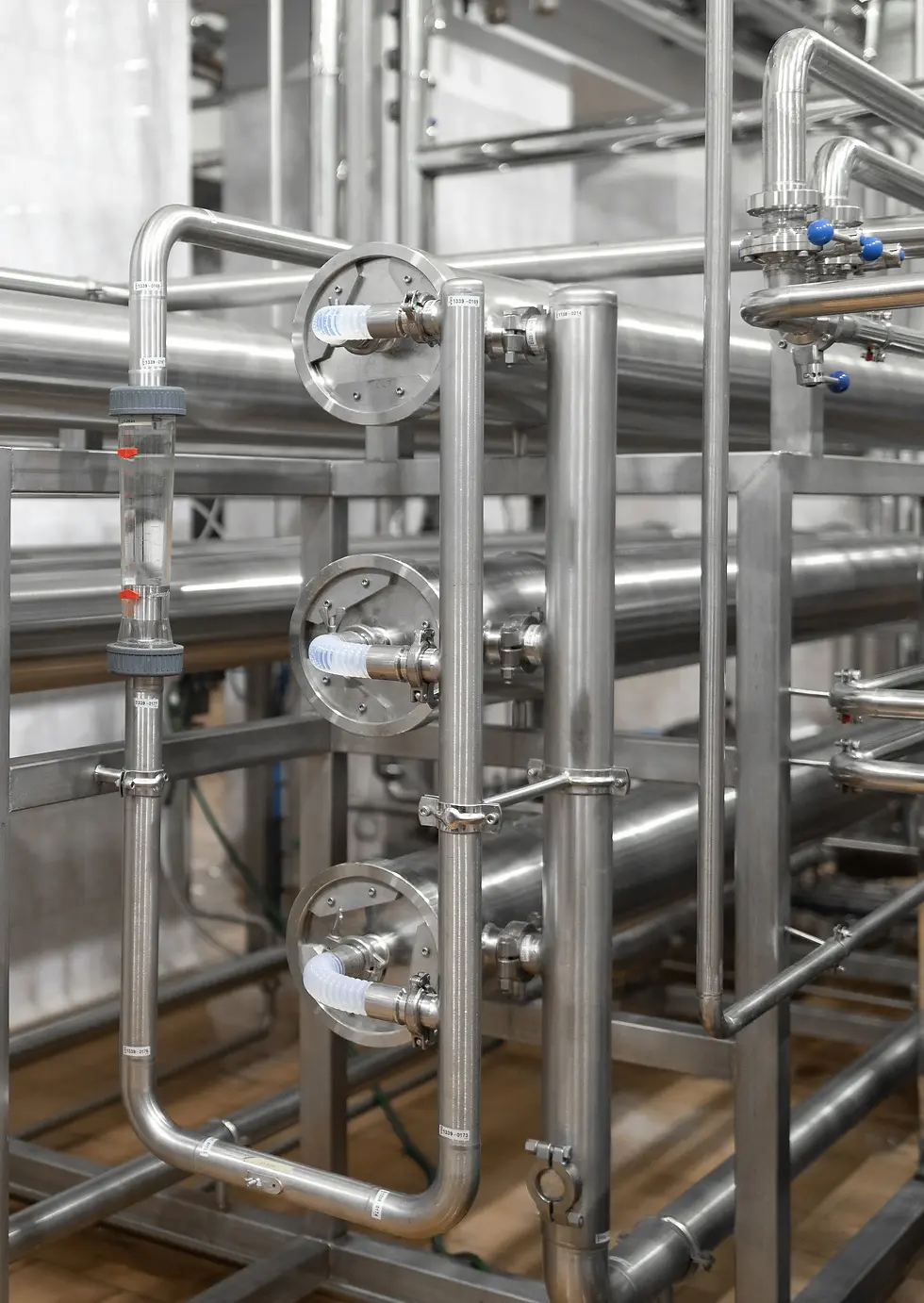
Honyo Prototype Process for 304 Stainless Steel Components
Honyo Prototype executes a streamlined, technology-driven workflow for 304 stainless steel fabrication, ensuring precision, cost efficiency, and adherence to material-specific requirements. The process begins with the client uploading a native CAD file (STEP, IGES, or Parasolid formats preferred) to our secure customer portal. Our system validates geometric integrity and confirms compatibility with 304 stainless steel’s properties, including its austenitic structure, moderate corrosion resistance, and work-hardening characteristics.
AI-Powered Quoting Engine
Upon CAD validation, our proprietary AI quoting engine analyzes the geometry, material specifications, and tolerances to generate an instant preliminary quote. For 304 stainless steel, the algorithm factors in critical variables: higher machining time due to low thermal conductivity and work hardening, specialized tooling requirements (e.g., carbide inserts with positive rake angles), passivation/post-processing needs, and scrap rate adjustments. The output includes a detailed cost breakdown, material sourcing confirmation (ASTM A276/A479 certified stock), and estimated lead time, all within 2 business hours.
Material-Specific DFM Analysis
All 304 stainless steel projects undergo mandatory Design for Manufacturability (DFM) review by our engineering team. This phase addresses stainless steel’s unique challenges:
Work Hardening Mitigation: Recommendations for optimized feed rates, depths of cut, and avoidance of stagnant tool engagement.
Tolerance Feasibility: Verification of geometric dimensioning (e.g., flatness <0.1mm over 100mm) considering thermal distortion during machining.
Contamination Prevention: Advisory against shared tooling with carbon steel to avoid iron embedding and subsequent corrosion.
Post-Processing Alignment: Confirmation of passivation (ASTM A967) or electropolishing requirements based on end-use environment.
Clients receive a formal DFM report with actionable suggestions, typically within 24–48 hours. Approval or iteration occurs via digital sign-off before proceeding.
Precision Production Execution
Approved designs move to CNC machining centers dedicated to stainless steel. Our protocol includes:
Material Handling: Vacuum-gripped stock to prevent surface marring; dedicated coolant systems to avoid cross-contamination.
Process Control: In-process CMM checks for critical features; adaptive toolpath strategies to minimize heat buildup.
Quality Gates: 100% first-article inspection per AS9102; batch-level chemical verification via PMI (Positive Material Identification).
Finishing: Automated passivation baths with nitric acid per AMS 2700, followed by ultrasonic cleaning and dry-air drying.
Delivery and Documentation
Final inspection data, including dimensional reports and material test certificates (MTRs), are uploaded to the client portal. Parts ship with:
Traceable lot-controlled documentation (heat number, mill certs)
ASTM-compliant passivation validation
Protective packaging (VCI film for moisture resistance)
Typical lead times for 304 stainless steel prototypes range as follows:
| Quantity | Machining Lead Time | Total Delivery (Incl. DFM/QC) |
|---|---|---|
| 1–5 pcs | 5–7 business days | 7–10 business days |
| 6–20 pcs | 7–10 business days | 10–14 business days |
All shipments include real-time logistics tracking and comply with ISO 9001:2015 and AS9100D standards. This integrated approach ensures 304 stainless steel components meet stringent performance criteria while minimizing time-to-market for aerospace, medical, and semiconductor applications.
Start Your Project
Looking for high-quality 304 stainless steel for your next manufacturing project? Honyo Prototype offers precision fabrication and reliable production using premium-grade SS304, ideal for demanding industrial and commercial applications. With our state-of-the-art factory located in Shenzhen, we ensure tight tolerances, fast turnaround times, and full material traceability.
Contact Susan Leo today at [email protected] to request a quote, discuss material specifications, or explore custom fabrication solutions tailored to your requirements.
🚀 Rapid Prototyping Estimator
Estimate rough cost index based on volume.