
Contents
Manufacturing Insight: Rolled Steel Vs Cast Iron
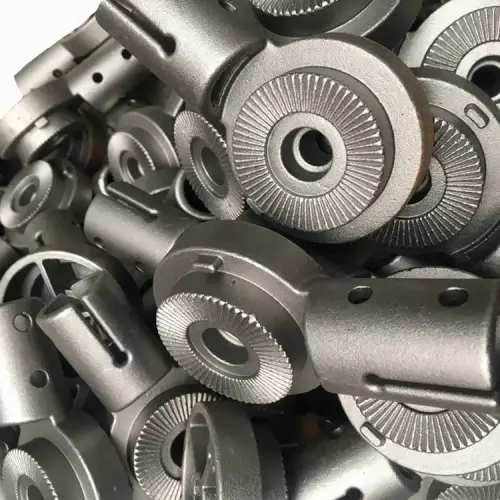
Material Selection Fundamentals in Precision Manufacturing
Choosing between rolled steel and cast iron significantly impacts component performance, cost, and manufacturability in industrial applications. Rolled steel delivers superior tensile strength, consistent grain structure, and excellent weldability, making it ideal for high-stress structural components and dynamic load-bearing parts. Cast iron, particularly gray iron, offers exceptional vibration damping, compressive strength, and wear resistance, suited for machine bases, housings, and applications requiring stability under static loads. Understanding these material characteristics is critical during the design phase to optimize functionality and production efficiency.
Honyo Prototype: Precision CNC Machining Expertise
At Honyo Prototype, our advanced CNC machining capabilities are engineered to handle the unique challenges of both rolled steel and cast iron with uncompromising precision. Our multi-axis milling and turning centers, coupled with rigorous process controls, ensure tight tolerances (±0.005mm) and superior surface finishes regardless of material complexity. We mitigate rolled steel’s work-hardening tendencies through optimized toolpaths and coolant strategies, while our specialized tooling and parameters address cast iron’s abrasive graphite content to prevent premature tool wear and maintain dimensional integrity.
Material Comparison for Critical Applications
| Property | Rolled Steel | Cast Iron (Gray) |
|---|---|---|
| Tensile Strength | High (400-1000+ MPa) | Moderate (150-400 MPa) |
| Vibration Damping | Low | Very High |
| Machinability | Good (varies by alloy) | Excellent (self-lubricating) |
| Key Applications | Shafts, gears, frames | Machine beds, brackets |
Accelerating Your Prototyping Workflow
Honyo Prototype eliminates traditional quoting delays with our Online Instant Quote system. Upload your rolled steel or cast iron part design in STEP, IGES, or native CAD formats to receive a detailed, production-ready quotation within hours—not days. This seamless integration of material science expertise and digital efficiency ensures your transition from design validation to functional prototype is faster, more predictable, and aligned with stringent manufacturing requirements. Partner with us to leverage material-specific machining mastery that reduces time-to-market without sacrificing quality.
Technical Capabilities
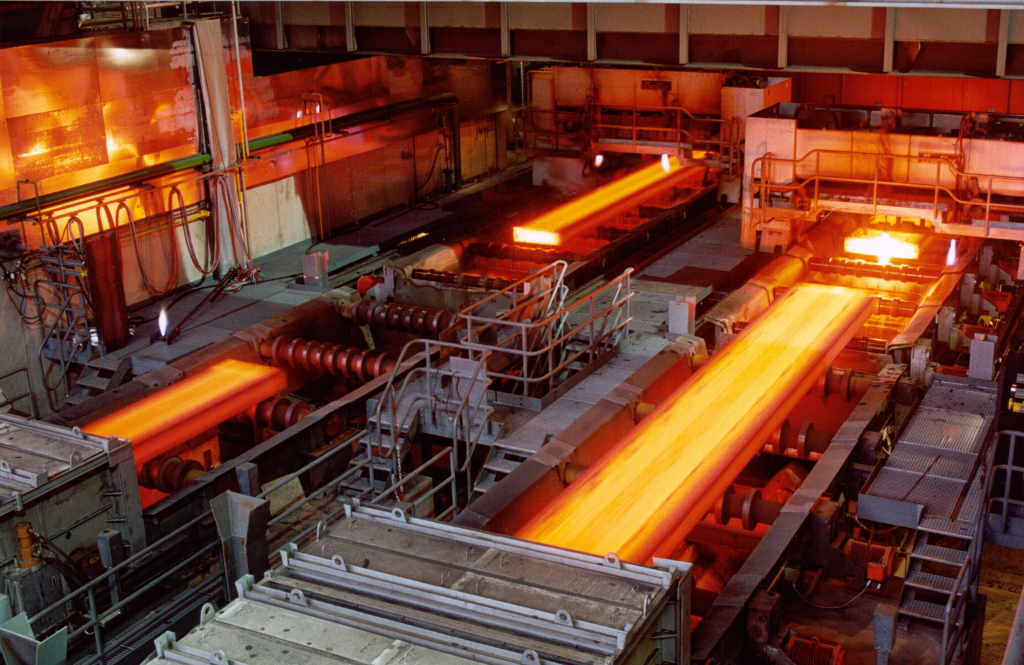
Technical Comparison: Rolled Steel vs Cast Iron for Precision Machining Applications
When selecting base materials for machine tool structures such as beds, columns, and frames in 3/4/5-axis milling and turning centers, the choice between rolled steel and cast iron significantly impacts performance—especially in tight tolerance applications. Below is a comparative analysis focused on rigidity, damping capacity, thermal stability, machinability, and compatibility with workpiece materials such as aluminum, steel, ABS, and nylon.
| Property | Rolled Steel | Cast Iron (e.g., Grey Cast Iron Grade 30) |
|---|---|---|
| Material Composition | Low to medium carbon steel (e.g., ASTM A36, AISI 1018) formed via hot/cold rolling | Typically Fe-C-Si alloy with 2.5–4% carbon, graphite flakes (e.g., ASTM A48) |
| Damping Capacity | Low – poor vibration absorption; requires structural enhancements (ribbing, polymer filling) | High – inherent micro-damping due to graphite flakes; ideal for minimizing chatter |
| Stiffness (Elastic Modulus) | High (~29 x 10⁶ psi) – excellent elastic rigidity under load | Moderate (~14–18 x 10⁶ psi) – lower modulus but compensated by mass and geometry |
| Thermal Stability | Higher coefficient of thermal expansion; more prone to thermal deflection | Better thermal mass and stability; slower heat transfer reduces short-term distortion |
| Machinability (of Base Structure) | Requires heavy-duty milling; prone to work hardening; weldable and repairable | Excellent for large-scale milling; abrasive graphite wears tools but allows high MRR |
| Weight | Lighter per unit volume; advantageous for moving components | Denser and heavier; enhances stability but increases machine footprint and power needs |
| Dimensional Stability | Residual stresses from rolling/welding may cause long-term drift; stress-relief critical | Excellent long-term stability when properly aged; minimal creep under static load |
| Typical Use in Machine Tools | Welded frames for gantry mills, portable CNC routers, high-speed machines | Bed, column, and base components in high-precision CNC machining centers |
| Impact on Tight Tolerances (±0.0002″ or less) | Requires active thermal control and dynamic compensation due to lower damping | Superior for micron-level tolerances due to damping and stability |
| Compatibility with Workpiece Materials | Suitable for high-speed machining of aluminum, ABS, and nylon where vibration is managed | Preferred for hardened steel, titanium, and high-precision aluminum parts requiring surface finish and accuracy |
| Surface Finish Capability (on Workpieces) | Can achieve good finish but more sensitive to chatter in interrupted cuts | Enables superior surface finishes in steel and aluminum due to vibration suppression |
| Cost and Lead Time | Lower raw material cost; faster fabrication via welding; less machining | Higher material and mold cost; longer lead time due to casting and aging cycles |
Summary for Application Context:
In 3/4/5-axis milling and precision turning, cast iron remains the preferred material for high-end CNC machine bases due to its superior damping and stability—critical when holding tight tolerances across diverse materials. It excels when machining steel and aluminum, where rigidity and chatter control are paramount. For ABS and nylon, where cutting forces are low, rolled steel machines can perform adequately if properly designed.
Rolled steel structures are increasingly used in high-speed and multi-axis machines where weight savings and design flexibility (via welding) are priorities. However, they require additional engineering (such as polymer-concrete fillings or active damping systems) to approach the performance of cast iron in tight tolerance environments.
For mission-critical applications involving micron-level tolerances and mixed-material batches (e.g., aerospace aluminum and tool steel), cast iron machine platforms provide more consistent, predictable performance over time.
From CAD to Part: The Process
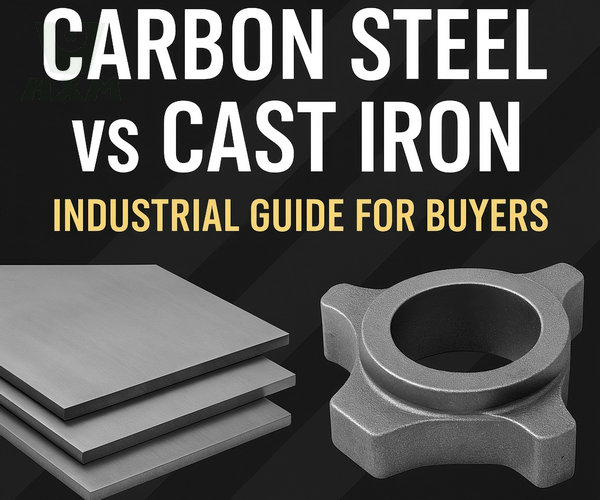
Honyo Prototype executes a rigorous, integrated workflow for both rolled steel and cast iron components, ensuring material-specific requirements are addressed from initial design through final delivery. Our process begins with secure CAD file upload to our proprietary platform, where geometric complexity and initial material indications are parsed. The AI-powered quoting engine then generates preliminary cost and lead time estimates, applying distinct material cost factors, machining allowances, and processing parameters for rolled steel versus cast iron based on real-time market data and historical production metrics.
During the Design for Manufacturability (DFM) phase, our engineering team conducts a material suitability assessment. For rolled steel parts, we focus on grain flow orientation, cold working limitations, and weldability concerns in the design. Cast iron components undergo scrutiny for minimum section thickness, draft angles, riser placement, and shrinkage compensation. The DFM report explicitly details geometric constraints, tolerance capabilities, and cost implications unique to each material, providing actionable recommendations to optimize manufacturability. Critical differences addressed include:
| Parameter | Rolled Steel Considerations | Cast Iron Considerations |
|---|---|---|
| Tolerance Capability | ±0.025mm achievable via precision milling | ±0.1mm typical as-cast; ±0.05mm with machining |
| Minimum Wall Thickness | 1.5mm feasible with CNC forming | 6mm minimum recommended for sound casting |
| Internal Features | Unlimited complexity via machining | Limited by core insertion requirements |
| Stress Relief | Required after welding/machining | Integral to casting cooling cycle |
| Shrinkage Allowance | Negligible (0.1-0.2%) | Critical (1-2% depending on alloy) |
Production execution follows validated DFM outputs. Rolled steel components proceed through precision sawing, CNC milling, turning, and stress-relief heat treatment in controlled environments. Cast iron parts undergo pattern-making, mold preparation, controlled pouring, shakeout, and mandatory stress-relief annealing before any secondary operations. Both material streams utilize our real-time in-process inspection protocols with CMM verification at critical stages.
Delivery encompasses comprehensive quality documentation including material test reports (MTRs) with certified chemical composition and mechanical properties, first-article inspection reports, and traceability records. Cast iron deliveries include as-cast surface condition reports and thermal treatment certificates, while rolled steel shipments feature grain flow diagrams and post-machining hardness verification. Our logistics team coordinates final packaging to prevent transit damage specific to each material’s handling requirements, with delivery timelines reflecting the inherent process differences—cast iron typically requiring 15-25% longer lead times due to metallurgical solidification and thermal treatment cycles compared to equivalent rolled steel components. All deliverables undergo final cross-functional review against the original CAD specifications and material requirements before client shipment.
Start Your Project
Considering the differences between rolled steel and cast iron for your next project? Let our manufacturing experts at Honyo Prototype guide you to the right material choice based on strength, durability, cost, and application requirements.
With our precision manufacturing facility located in Shenzhen, we deliver high-quality components tailored to your specifications—whether you need the uniform grain structure of rolled steel or the vibration-damping properties of cast iron.
Contact Susan Leo today at [email protected] to discuss your project and get expert support from concept to production.
🚀 Rapid Prototyping Estimator
Estimate rough cost index based on volume.