
Contents
Manufacturing Insight: Reamer Bits For Steel
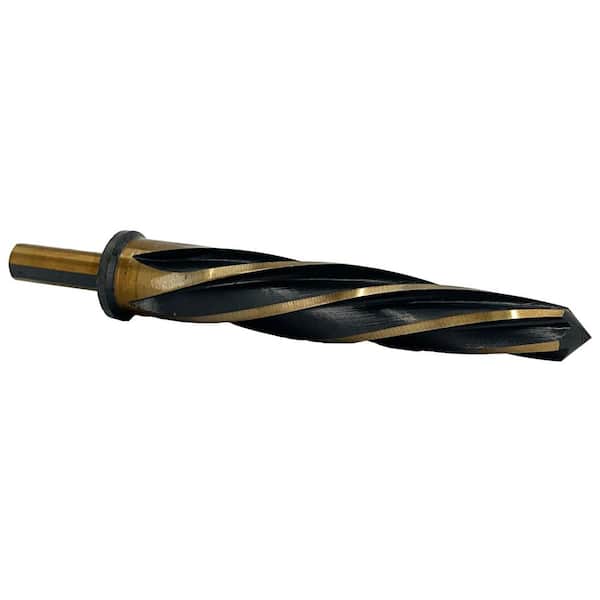
Precision Reamer Bit Machining for Steel Applications
Achieving tight tolerances and superior surface finishes in steel components demands specialized reamer bit manufacturing expertise. Steel’s inherent hardness and work-hardening characteristics present significant challenges, including accelerated tool wear, dimensional inaccuracies, and compromised hole integrity if not addressed with precision-engineered processes. At Honyo Prototype, our CNC machining services are specifically optimized for high-performance reamer bit production in carbon steel, alloy steel, and stainless steel grades. We leverage advanced multi-axis CNC grinding and milling centers, coupled with proprietary toolpath strategies and rigid-process controls, to ensure geometric accuracy within ±0.002mm and surface roughness down to Ra 0.4µm. Our engineering team selects and applies premium substrate materials and coatings—such as TiAlN and AlCrN—tailored to your steel grade and operational requirements, maximizing tool life and consistency in demanding production environments.
Every reamer bit undergoes stringent in-process metrology using coordinate measuring machines (CMM) and optical comparators, adhering to ISO 2768 and customer-specific quality standards. This disciplined approach eliminates common pitfalls like chatter, poor chip evacuation, and premature failure, directly enhancing your assembly line efficiency and part reliability. For rapid project initiation, Honyo Prototype provides an Online Instant Quote platform. Simply upload your CAD file or specifications to receive a detailed, transparent cost estimate and lead time within minutes—accelerating your path from design to certified steel-machining performance. Partner with Honyo Prototype for reamer bits that deliver precision, durability, and measurable value in your steel fabrication workflows.
Technical Capabilities
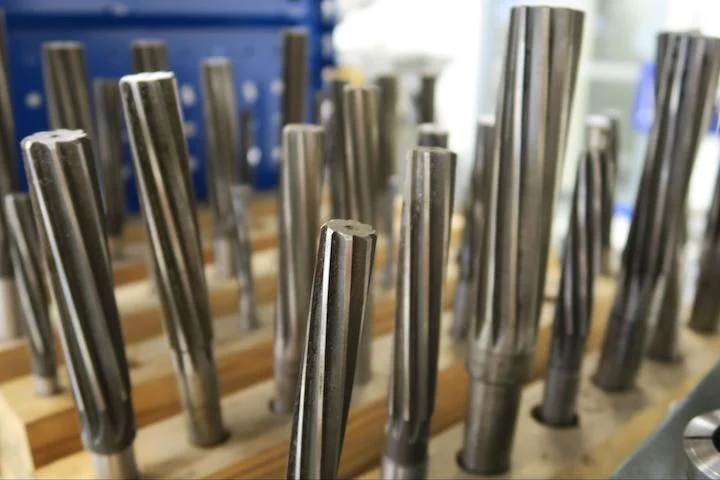
Technical Specifications for Reamer Bits for Steel in Precision Machining Applications
Reamer bits designed for steel are engineered to deliver high dimensional accuracy, superior surface finish, and long tool life in demanding machining environments. These tools are optimized for use in 3/4/5-axis milling centers and CNC turning operations where tight tolerances (typically ±0.0002″ to ±0.001″) are required. While primarily intended for steels, they are also capable of reaming aluminum, ABS, and nylon—though cutting parameters must be adjusted accordingly to prevent issues such as built-up edge or excessive heat in softer materials.
The following table outlines key technical specifications and performance characteristics for solid carbide and carbide-tipped reamer bits used in precision steel reaming, with cross-compatibility data for other materials.
| Parameter | Specification / Detail |
|---|---|
| Nominal Diameter Range | 3 mm to 25 mm (0.125″ to 1.000″) |
| Tolerance Class | H7 to H9 (Standard); Custom ground to H6 for tight-tolerance applications |
| Shank Type | Straight shank, Weldon flat, or hydraulic/polygonal interface for high-precision holders |
| Flute Count | 4 to 6 flutes (4-flute common for steel; 6-flute for finer finish and rigidity) |
| Helix Angle | 30° to 45° (35° typical for steel; variable helix to reduce chatter) |
| Material (Tool Body) | Micrograin solid carbide with TiAlN or AlTiN coating for wear and heat resistance |
| Coating (Typical) | AlTiN (preferred for steel), TiN (general purpose), or uncoated for aluminum/nylon |
| Surface Finish (Typical) | Ra < 0.8 µm (32 µin) when reaming steel under optimal conditions |
| Runout Requirement | ≤ 0.0001″ (0.0025 mm) TIR for tight-tolerance bores |
| Recommended RPM Range (Steel) | 150–600 SFM (Surface Feet per Minute); adjust based on diameter and coolant use |
| Feed Rate (Steel) | 0.002–0.006 ipr (inches per revolution), depending on depth and rigidity |
| Coolant Delivery | Internal through-spindle coolant (highly recommended for chip evacuation and cooling) |
| Compatibility – Steel | Excellent (low alloy, stainless, tool steels); use peck reaming for interrupted cuts |
| Compatibility – Aluminum | Good with uncoated or ZrN-coated tools; high rake geometry recommended |
| Compatibility – ABS | Acceptable; low cutting forces; use sharp edges and low feed to avoid melting |
| Compatibility – Nylon | Acceptable; requires sharp cutting edges and chip control; avoid excessive heat |
| Concentricity Accuracy | Achieves ±0.0002″ (±0.005 mm) when used with precision collets and minimal runout |
| Application in 5-Axis Milling | Suitable for angled access and complex cavity reaming with rigid toolholding systems |
| Tool Life (Steel) | 1,500–3,000 holes under optimal conditions (depends on hardness and lubrication) |
Notes
For tight-tolerance reaming in steel, tool pre-setting and in-process gaging are recommended to maintain consistency, especially in automated 4/5-axis workflows. When switching between materials (e.g., from steel to aluminum), dedicated tooling or thorough cleaning is advised to prevent galvanic wear or contamination. Reamer geometry should be selected based on hole depth: chucking reamers (1–3xD) for through-holes, and precision hand or machine reamers for blind or semi-blind applications.
From CAD to Part: The Process
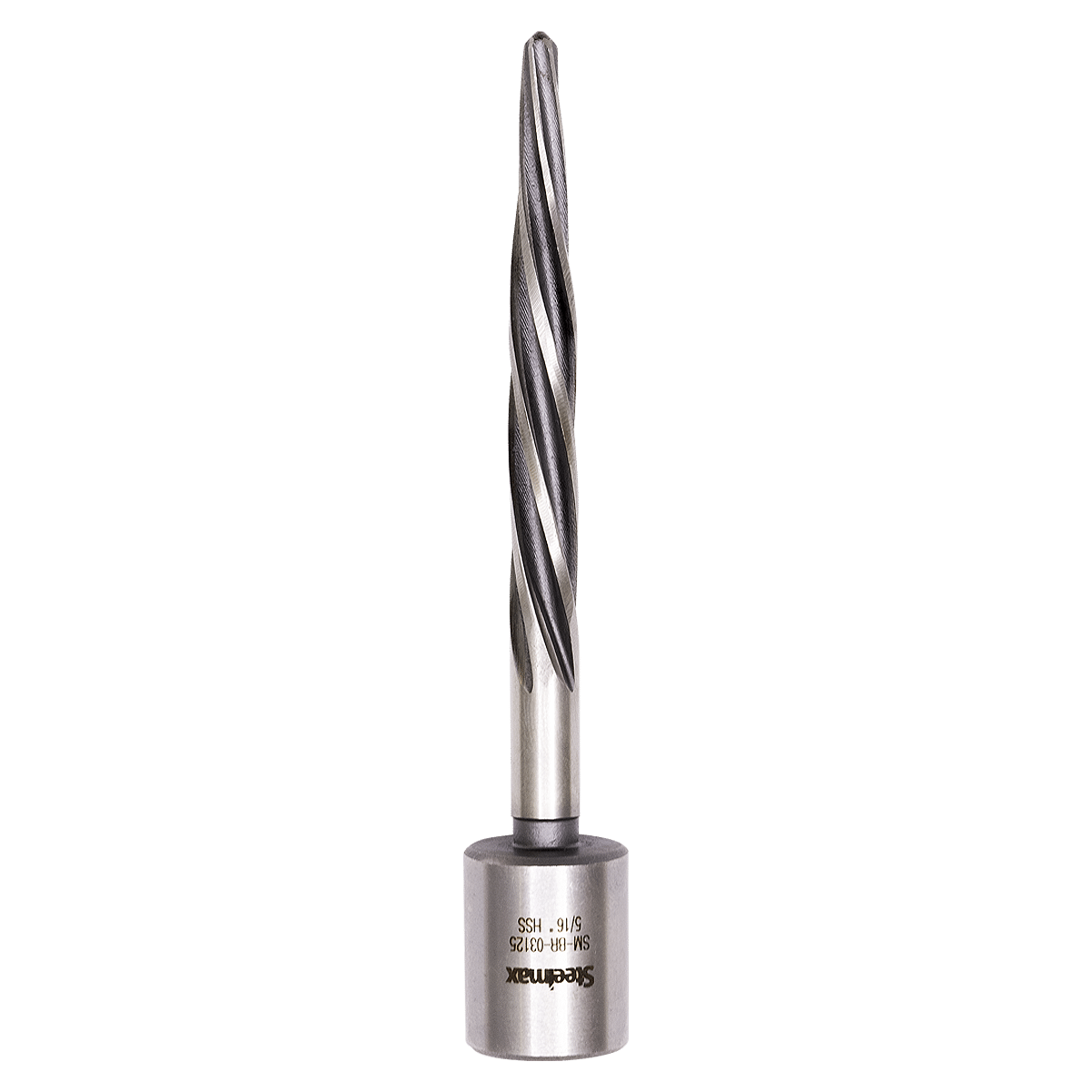
Honyo Prototype executes a rigorously controlled manufacturing process for precision reamer bits targeting steel applications. This integrated workflow ensures technical compliance, cost efficiency, and on-time delivery for demanding industrial clients.
Upload CAD
Clients initiate the process by uploading detailed 3D CAD models (STEP/IGES formats preferred) via our secure customer portal. For steel reamer bits, critical geometry inputs include flute profile, helix angle, relief angles, pilot diameter, and tolerance specifications per ASME B94.2 or ISO 523 standards. Material grade requirements (e.g., M2, M35, or solid carbide grades like K10 for specific steel alloys) must be explicitly defined. Our system performs automated validation checks for file integrity and unit consistency before progression.
AI Quote Generation
Our proprietary AI engine analyzes the CAD geometry against 12,000+ historical steel machining datasets. Within 90 minutes, the system generates a technically validated quote detailing:
Machining time estimates based on steel hardness (e.g., AISI 1045 vs. 4140)
Material cost breakdown by specified grade (HSS-Co, carbide, etc.)
Secondary operation requirements (e.g., steam oxidation for chip evacuation)
Predicted tool life metrics per ISO 1832 standards
The AI flags potential cost drivers such as sub-5mm diameters requiring micro-milling or complex relief angles increasing grinding cycles. Historical accuracy for steel reamer quotes exceeds 92%.
DFM Analysis
Engineers conduct a mandatory Design for Manufacturability review focusing on steel-specific challenges:
Verification of flute volume adequacy for chip evacuation in gummy steels (e.g., 304 stainless)
Assessment of core diameter strength to prevent deflection at >0.5mm/rev feed rates
Thermal expansion compensation for tight tolerance zones (<±0.005mm)
Carbide grade validation against workpiece hardness (e.g., K20 for hardened steels >45 HRC)
Coolant hole placement optimization to prevent built-up edge formation
Clients receive a formal DFM report with actionable recommendations, including geometric modifications to reduce grinding wheel wear by 15–30% in high-volume runs.
Production Execution
Manufacturing occurs in climate-controlled cells with steel-specific protocols:
CNC grinding using electroplated diamond wheels (grit size 150–300) for carbide reamers
In-process CMM checks at critical stages (e.g., after flute grinding and before relief cutting)
Surface roughness validation to Ra ≤ 0.4μm via profilometry to minimize friction in steel
Final inspection per ASME B94.2 Section 5.3 including concentricity (TIR < 0.003mm) and thread accuracy
All steel reamers undergo functional testing in representative workpiece material with documented torque and runout data.
Delivery and Documentation
Shipments include:
Individual vacuum-sealed packaging with VCI corrosion inhibitors for steel tools
Traceability documentation (material certs, heat treatment records, inspection reports)
Customized usage guidelines for target steel alloys (e.g., recommended SFM for 1018 vs. 4340)
Digital twin access for future reorders via our customer portal
Standard lead time for production reamer bits is 12–18 business days from CAD approval, with expedited options for prototype quantities. All deliveries include a dimensional conformance report signed by our ASQ-certified quality engineer.
Start Your Project
Looking for high-performance reamer bits designed specifically for steel applications? Honyo Prototype offers precision-engineered reamer bits manufactured in our Shenzhen factory, ensuring tight tolerances, superior durability, and consistent results in demanding industrial environments.
Contact Susan Leo today at [email protected] to request product specifications, place an order, or discuss your custom reaming requirements. Our team is ready to support your manufacturing needs with fast turnaround and quality you can trust.
🚀 Rapid Prototyping Estimator
Estimate rough cost index based on volume.