
Contents
Manufacturing Insight: Quality Electric Steel Casting
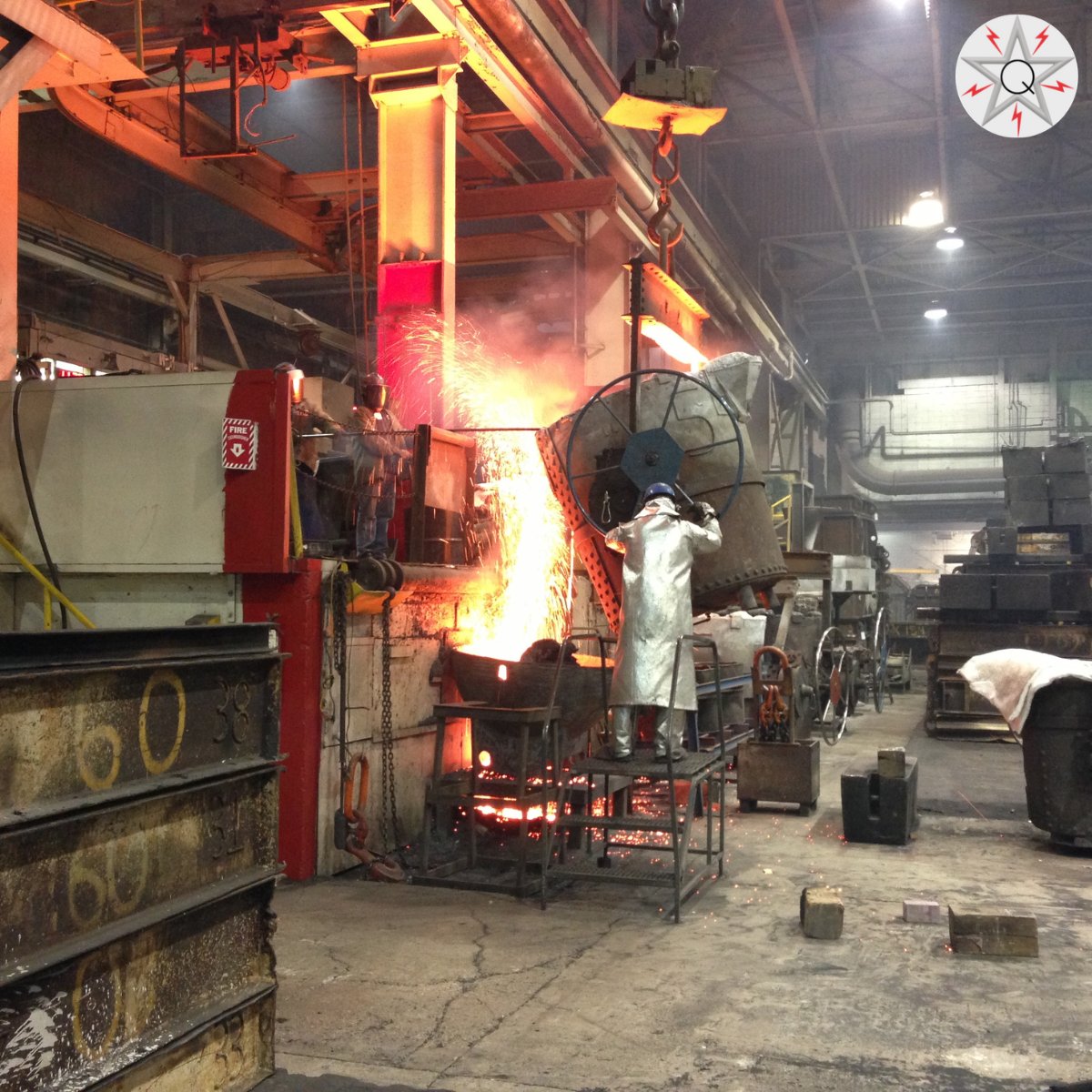
Precision Electric Steel Casting Solutions Enhanced by Honyo Prototype’s CNC Machining Expertise
Achieving optimal performance in electric steel components demands exceptional material integrity and micron-level dimensional accuracy, particularly for critical applications in motors, transformers, and advanced power systems. At Honyo Prototype, we specialize in high-quality electric steel casting processes that ensure superior magnetic properties and structural consistency, directly addressing the stringent requirements of modern electromechanical design. Our integrated manufacturing approach leverages in-house CNC machining capabilities to refine cast components with tight tolerances, complex geometries, and flawless surface finishes, eliminating secondary supplier dependencies and accelerating time-to-market. This seamless transition from casting to precision machining guarantees part reliability while maintaining the material’s critical electromagnetic characteristics.
Engineers and procurement teams can immediately assess project feasibility and costs through our Online Instant Quote system, which provides transparent, real-time pricing for both casting and CNC machining services—streamlining prototyping and low-volume production without compromising on quality or technical rigor.
Technical Capabilities
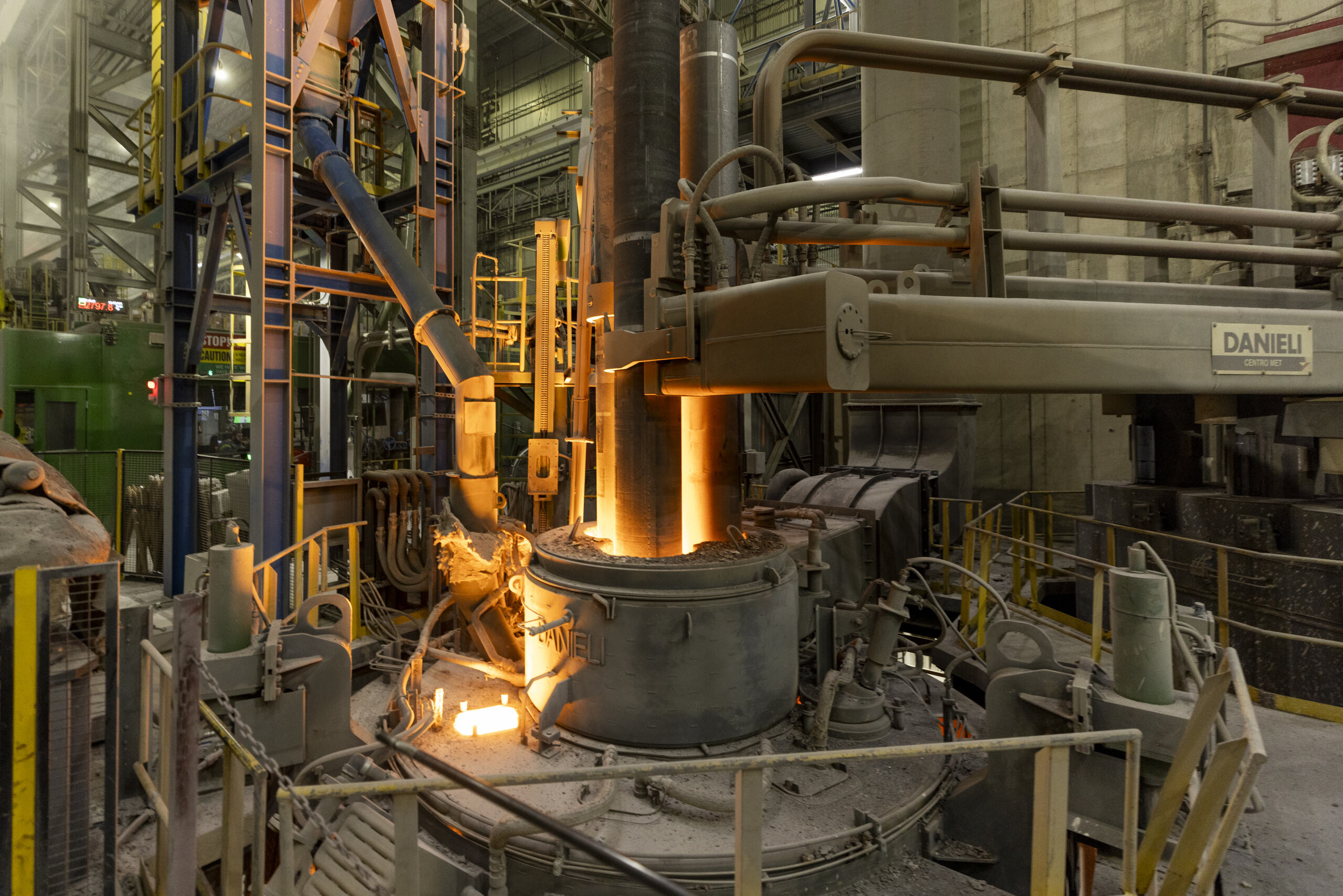
Technical Specifications for High-Quality Electric Steel Casting Components – Precision Machining Focus
High-quality electric steel casting components used in precision manufacturing applications require tight tolerance control, excellent surface finish, and material consistency to support advanced machining processes such as 3-axis, 4-axis, and 5-axis milling, as well as precision turning operations. While electric steel is primarily used in electrical and magnetic applications (e.g. motors, transformers), the term may be interpreted in this context as high-purity, low-carbon steel suitable for precision machined components, or more broadly to include other materials commonly machined in similar environments (Aluminum, Steel, ABS, Nylon).
Below is a summary of key technical specifications across these materials when subjected to high-precision CNC machining processes.
| Parameter | Aluminum (6061-T6) | Steel (4140, 1018) | ABS (Acrylonitrile Butadiene Styrene) | Nylon (PA6, PA66) |
|---|---|---|---|---|
| Typical Tolerance (Machining) | ±0.005 mm (±0.0002″) | ±0.010 mm (±0.0004″) | ±0.050 mm (±0.002″) | ±0.050 mm (±0.002″) |
| Surface Finish (Ra) | 0.8 – 1.6 µm (32–63 µin) | 1.6 – 3.2 µm (63–125 µin) | 3.2 – 6.3 µm (125–250 µin) | 3.2 – 6.3 µm (125–250 µin) |
| Machinability (Relative Rating) | Excellent (High) | Good (Moderate) | Excellent (High) | Good (Moderate to High) |
| Tool Wear Consideration | Low (non-abrasive) | Moderate to High (hardness) | Very Low | Moderate (can be gummy) |
| Recommended for 5-Axis Milling | Yes – Ideal for complex geometries | Yes – with carbide tooling | Yes – lightweight fixtures, prototypes | Yes – wear-resistant parts |
| Recommended for Turning | Yes – high-speed capability | Yes – robust for shafts, pins | Limited – mainly for prototype parts | Yes – for bushings, gears |
| Thermal Stability | Moderate (CTE ~23 µm/m·°C) | Good (CTE ~12 µm/m·°C) | Poor (high CTE ~70–100 µm/m·°C) | Poor (hygroscopic, CTE ~80 µm/m·°C) |
| Common Applications | Aerospace, Enclosures, Heat Sinks | Industrial Machinery, Tools, Shafts | Prototypes, Jigs, Non-structural Parts | Bearings, Gears, Wear Components |
Notes on Electric Steel Context: True electric steel (e.g., silicon electrical steel) is generally not machined via conventional milling or turning due to its laminated, brittle nature and use in electromagnetic cores. However, if the context refers to high-quality steel castings used in electric motor housings or powertrain components, then materials like 4140 or 1018 steel are relevant and machinable to tight tolerances using CNC methods.
For 3/4/5-axis milling and turning operations, aluminum and steel are preferred for tight tolerance work due to dimensional stability and machinability. ABS and nylon are used primarily in prototyping or low-wear applications where metal replacement is desired, though they require careful fixturing and parameter control due to thermal expansion and compliance.
Tight tolerance machining (±0.01 mm or better) is routinely achieved in aluminum and steel using calibrated CNC systems, thermal compensation, and high-precision tooling. ABS and nylon are generally held to looser tolerances unless post-machining stabilization or secondary operations are applied.
From CAD to Part: The Process
Honyo Prototype Electric Steel Casting Process Overview
Our end-to-end workflow for high-integrity electric steel casting integrates advanced digital tools with metallurgical expertise to ensure magnetic performance, dimensional accuracy, and structural reliability. The sequence is rigorously controlled through integrated quality gates.
Upload CAD
Clients submit 3D CAD models (STEP/IGES formats) via our secure portal. Our system immediately performs automated geometry validation, checking for critical electric steel constraints: minimum wall thickness (≥2.5mm for laminations), draft angles (≥1.5°), and feature complexity that could induce magnetic flux distortion. Invalid geometries trigger real-time feedback with specific correction guidance before proceeding.
AI-Powered Quoting System
Proprietary AI analyzes the validated CAD to generate instant technical and commercial quotes. The algorithm cross-references:
Material grade requirements (e.g., non-oriented Si-Fe grades M19-M43, Co-Fe VACOFLUX®)
Predicted solidification patterns to avoid porosity in critical flux paths
Core loss (W/kg) simulations at 1.5T/400Hz using Jiles-Atherton modeling
Tooling complexity scoring for progressive die compatibility
Quotes include material cost breakdowns, lead time projections, and preliminary core loss estimates within 90 minutes.
DFM (Design for Manufacturing) Engineering Review
Honyo’s materials engineers conduct a mandatory collaborative DFM session within 24 hours of quote acceptance. Key focus areas:
Lamination stack optimization: Burr height control (<0.03mm), interlaminar insulation integrity, and stacking factor validation (≥96%)
Casting gate design to minimize inclusions in high-flux regions
Thermal stress mapping to prevent warpage during annealing
Alignment of grain orientation with magnetic circuit paths
Clients receive a formal DFM report with actionable recommendations, typically reducing NRE costs by 18–32% through geometric adjustments.
Production Execution
All castings undergo vacuum induction melting (VIM) followed by electroslag remelting (ESR) to achieve oxygen content <15ppm and inclusion ratings per ASTM E45 Type A ≤1.0. Critical process parameters:
| Process Stage | Key Controls | Electric Steel Specifics |
|---|---|---|
| Melting | Vacuum <10⁻² mbar, Slag basicity 1.8–2.2 | Precise Si/Al deoxidation to control core loss |
| Casting | Mold temp gradient ≤15°C/cm, Solidification rate 0.5–2.0 mm/s | Directional solidification for grain alignment |
| Heat Treatment | Decarburization annealing (820°C/3h in N₂-H₂), Stress relief (760°C) | Magnetic domain refinement |
| Finishing | Burr-free stacking (±0.02mm flatness), Laser marking | Insulation coating thickness 0.08–0.12μm |
100% of laminations undergo Epstein frame testing per IEC 60404-2, with full traceability from melt chemistry to final core loss values.
Delivery and Validation
Shipments include:
Certified material test reports (MTRs) with actual vs. predicted core loss differentials
Digital twin data package: As-cast geometry scans, thermal imaging of annealing cycles, and magnetic property maps
IATF 16949-compliant PPAP documentation
All parts undergo final dimensional verification via CMM (0.005mm accuracy) and magnetic validation before release. Typical lead time from CAD upload to delivery is 14–21 days for prototype quantities, with real-time production tracking via client portal.
Start Your Project
For high-quality electric steel casting solutions, contact Susan Leo at [email protected]. With our advanced manufacturing facility located in Shenzhen, we deliver precision-engineered components meeting stringent industry standards. Partner with Honyo Prototype for reliable production, consistent quality, and responsive service tailored to your specifications.
Contact Information
Name: Susan Leo
Email: [email protected]
Location: Shenzhen, China
Reach out today to discuss your project requirements and learn how our expertise in electric steel casting can support your manufacturing goals.
🚀 Rapid Prototyping Estimator
Estimate rough cost index based on volume.