
Contents
Manufacturing Insight: Pvc Machining
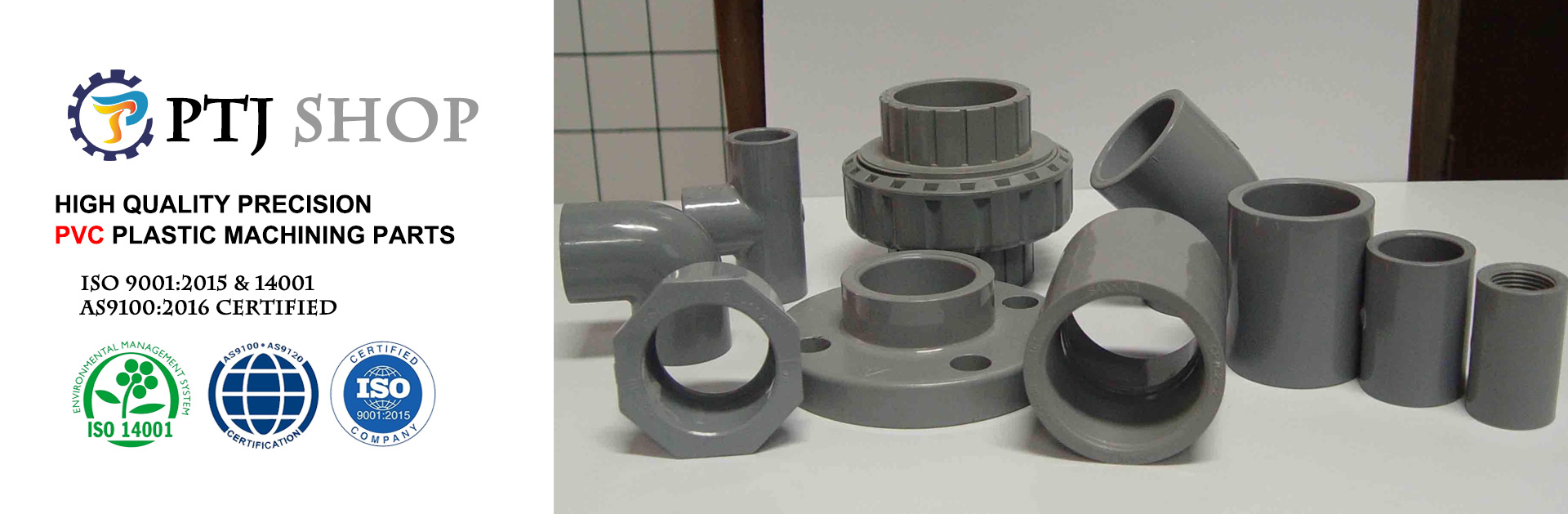
PVC machining presents unique technical challenges due to the material’s amorphous thermoplastic nature, low thermal conductivity, and susceptibility to stress cracking and melting under improper cutting conditions. Achieving tight tolerances, smooth surface finishes, and dimensional stability in PVC components requires precise control over spindle speeds, feed rates, tool geometry, and thermal management to prevent deformation or chip welding during the CNC process. At Honyo Prototype, our engineering team specializes in overcoming these complexities through optimized CNC machining protocols specifically developed for PVC and other challenging polymers.
Our advanced CNC machining services leverage high-precision 3-axis and 5-axis milling centers paired with proprietary toolpath strategies and coolant methodologies tailored for PVC’s thermal sensitivity. We implement rigorous process validation protocols, including in-process metrology and material-specific fixturing, to ensure consistent part integrity across prototypes and low-volume production runs. This expertise extends to critical applications demanding chemical resistance, electrical insulation, or dimensional accuracy where standard machining approaches often fail. The table below summarizes key PVC machining parameters optimized within our facility:
| Parameter | Typical PVC Challenge | Honyo Prototype Solution |
|---|---|---|
| Cutting Temperature | Melting/Deformation (>60°C) | Cryogenic air assist + optimized RPM |
| Chip Evacuation | Clogging leading to re-melt | High-pressure chip breakers + vacuum |
| Surface Finish | Roughness from tearing | Polished carbide tools + climb milling |
| Dimensional Stability | Stress-induced warpage | Stress-relieved stock + slow cooling |
For engineering teams requiring rapid validation of PVC component designs, Honyo Prototype provides an Online Instant Quote platform that delivers manufacturability feedback and pricing within minutes. This system integrates our material-specific machining knowledge directly into the quoting engine, ensuring accurate cost and lead time estimates reflective of PVC’s processing requirements. Upload your CAD file to receive a technically vetted quote without procurement delays, accelerating your path from design iteration to functional prototype.
Technical Capabilities
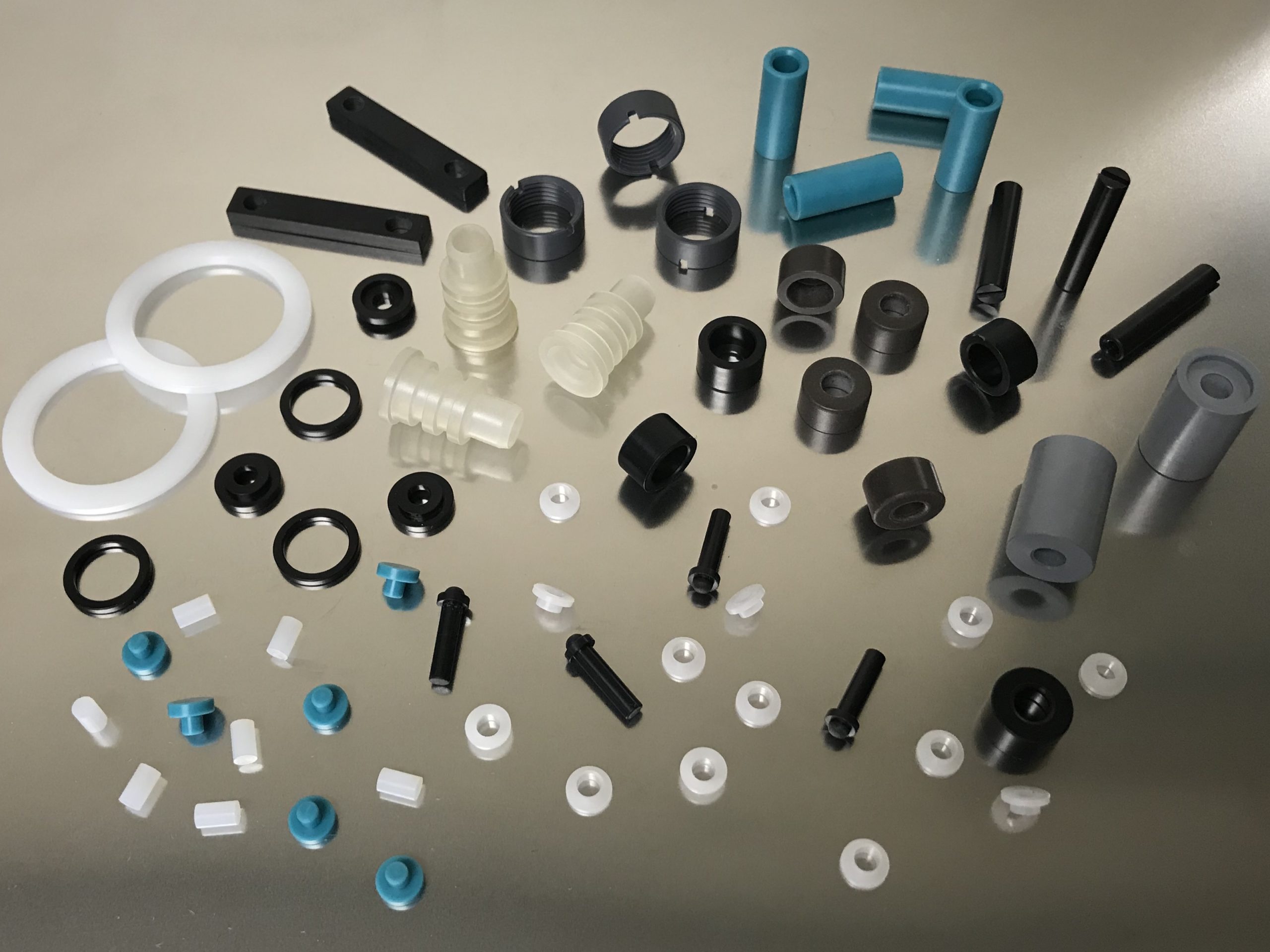
PVC Machining Technical Specifications Overview
While PVC (polyvinyl chloride) is a common plastic material used in machining, the term “PVC machining” in this context appears to refer to precision CNC machining processes applied to a range of engineering materials, including metals and plastics such as Aluminum, Steel, ABS, and Nylon. Below are the technical specifications relevant to 3/4/5-axis milling and turning operations with an emphasis on tight-tolerance capabilities.
| Parameter | 3-Axis Milling | 4-Axis Milling | 5-Axis Milling | CNC Turning | Tight Tolerance Capability |
|---|---|---|---|---|---|
| Axis Movement | X, Y, Z linear axes | X, Y, Z + rotational A-axis | X, Y, Z + rotational A and B/C axes | X, Z linear + C-axis rotation | Supported across all configurations |
| Typical Materials | Aluminum, Steel, ABS, Nylon | Aluminum, Steel, ABS, Nylon | Aluminum, Steel, ABS, Nylon | Aluminum, Steel, ABS, Nylon | All listed materials |
| Material Suitability | High for all listed materials | High for complex geometries | Ideal for intricate 3D contours | Excellent for cylindrical parts | Material-dependent; all support ±0.005 mm (±0.0002″) with proper setup |
| Tolerance Range | ±0.01 mm (±0.0004″) standard | ±0.01 mm (±0.0004″) standard | ±0.005 mm (±0.0002″) achievable | ±0.005 mm (±0.0002″) typical | Down to ±0.0025 mm (±0.0001″) with precision tooling and environmental control |
| Surface Finish (Ra) | 0.8–3.2 µm (32–125 µin) | 0.8–3.2 µm (32–125 µin) | 0.4–1.6 µm (16–63 µin) | 0.4–1.6 µm (16–63 µin) | As low as 0.2 µm (8 µin) with fine tool paths and polishing passes |
| Spindle Speed Range | 8,000–24,000 RPM (machining centers) | 8,000–24,000 RPM | 10,000–30,000 RPM (high-speed models) | 3,000–12,000 RPM (turning centers) | Higher speeds improve finish and accuracy in non-ferrous and plastic materials |
| Tooling Compatibility | Carbide, HSS, diamond-coated (for plastics) | Same as 3-axis with 4th-axis integration | High-precision carbide/diamond tools | Carbide inserts, diamond-tipped (for plastics) | Critical for maintaining tolerances; frequent tool wear monitoring required |
| Coolant/Lubrication | Flood coolant (metals), air blast or mist (plastics) | Same as 3-axis | Same as 3-axis | Flood or mist depending on material | Avoid excessive coolant with hygroscopic materials like Nylon |
| Setup Complexity | Low | Moderate | High | Low to moderate | Increases with axis count and tolerance demands |
| Applications | Flat components, enclosures, jigs | Indexed features, ported manifolds | Aerospace components, molds, medical | Shafts, bushings, connectors | Metrology parts, sealing surfaces, precision gears |
Notes on Material Behavior in Machining:
Aluminum is highly machinable with excellent chip evacuation and tight-tolerance stability, especially in 5-axis configurations. Steel requires robust tooling and slower feeds/speeds but achieves high dimensional accuracy. ABS and Nylon, while softer and prone to thermal deformation, can be machined to tight tolerances using sharp tools, reduced cutting forces, and proper fixturing to prevent deflection.
For all materials, achieving tight tolerances depends on machine rigidity, thermal stability, in-process inspection (e.g., probe systems), and skilled programming using CAM software optimized for high-precision tool paths.
From CAD to Part: The Process
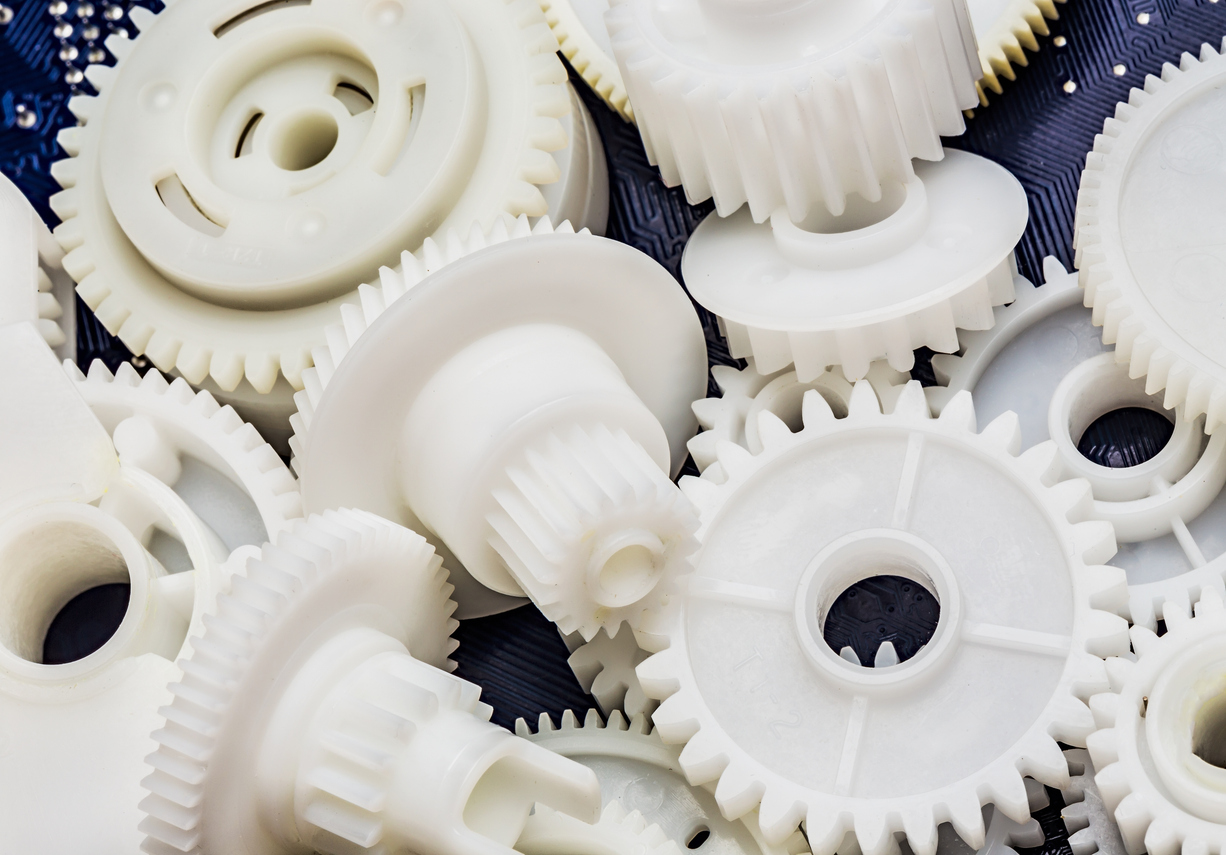
Honyo Prototype employs a specialized, streamlined workflow for PVC machining projects designed to balance rapid turnaround with the material-specific challenges of polyvinyl chloride. Our process ensures dimensional accuracy, surface quality, and structural integrity while mitigating PVC’s inherent sensitivities to heat, stress, and chip adhesion. Below is a detailed explanation of each phase.
Upload CAD
Clients initiate the process by uploading native or neutral CAD files (STEP, IGES, Parasolid) via our secure customer portal. For optimal results with PVC, we require precise geometric definitions and explicit tolerance callouts, particularly for thin walls or deep cavities where material deflection is a concern. Our system performs an immediate file integrity check, flagging potential issues like unsupported overhangs or non-manufacturable radii before proceeding. This phase typically completes within minutes of upload.
AI Quote Generation
Our proprietary AI engine analyzes the CAD geometry, material selection (specifying PVC grade), and requested tolerances to generate an instant preliminary quote. The algorithm factors in PVC-specific parameters: thermal expansion coefficients, chip evacuation requirements, and tool wear rates unique to chlorinated polymers. Critical considerations include minimum wall thickness validation (we enforce 1.5mm as an absolute baseline for rigid PVC) and assessment of features prone to melting during high-speed machining. The AI output includes a baseline lead time estimate and flags high-risk geometries for engineering review. Standard quotes are available within 2 business hours.
DFM Analysis
Every PVC project undergoes mandatory Design for Manufacturability review by our polymer machining specialists. This human-led phase validates and refines the AI assessment, focusing on PVC failure modes:
Verification of minimum wall thickness against deflection under clamping forces
Optimization of toolpaths to minimize heat buildup (max spindle RPM capped at 8,000 for rigid PVC)
Strategic placement of ejector pins to prevent stress cracking in translucent grades
Coolant strategy validation to avoid static charge accumulation
We provide specific, actionable feedback within 24 hours, including suggested geometry modifications to reduce cost or improve yield without compromising function. Clients receive a formal DFM report with annotated visuals prior to approval.
Production Execution
Approved designs move to our dedicated polymer CNC cell equipped with temperature-controlled environments and ESD-safe tooling. Key production protocols for PVC:
Tooling: Carbide end mills with polished flutes and reduced helix angles to prevent chip welding
Machining Parameters: Flood coolant application at 15°C with 5% anti-static additive; stepovers limited to 15% of tool diameter
In-Process Inspection: First-article verification of critical dimensions after roughing to detect early thermal distortion
Post-Processing: Stress-relief annealing cycles for parts with tight tolerances (±0.05mm) followed by non-abrasive deburring
All operations adhere to ISO 9001 traceability standards with real-time production dashboards accessible to clients.
Delivery and Quality Assurance
Final inspection includes CMM validation against CAD nominal values, surface roughness testing (Ra ≤ 1.6µm standard for visible surfaces), and dimensional stability checks under controlled humidity (45-55% RH). Parts are packaged in anti-static foam with desiccant packs to prevent moisture absorption during transit. Standard lead time is 5-7 business days from DFM approval, with expedited 3-day service available for simple geometries. Every shipment includes a full inspection report and material certification traceable to the resin lot number.
Material properties significantly influence outcomes in PVC machining. The table below summarizes key grades we process and their critical machining parameters:
| PVC Grade | Max Operating Temp (°C) | Tensile Strength (MPa) | Key Machining Constraint | Typical Applications |
|---|---|---|---|---|
| Rigid (Type 1) | 60 | 55 | Wall thickness ≥ 2.0mm recommended | Enclosures, fluid manifolds |
| Flexible (Type 3) | 55 | 20 | Requires vacuum table fixturing | Gaskets, seals |
| Translucent | 50 | 48 | Zero coolant residue tolerance | Optical housings, sight glasses |
| Chlorinated (CPVC) | 93 | 50 | Strict 18°C max coolant temp | Chemical processing components |
This integrated workflow ensures clients receive dimensionally stable, functionally reliable PVC components while minimizing iteration cycles. We maintain a 98.7% first-pass yield rate on qualified PVC designs through this controlled process.
Start Your Project
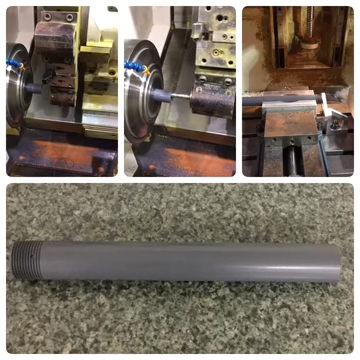
Looking for precision PVC machining services? Contact Susan Leo at [email protected] to discuss your project requirements.
Honyo Prototype operates a dedicated manufacturing facility in Shenzhen, equipped to handle low-volume production, prototyping, and custom machining of PVC components with tight tolerances and fast turnaround times.
Our Shenzhen factory ensures high-quality machining processes tailored to the unique properties of PVC, including milling, turning, and drilling, with strict quality control and material traceability.
Reach out today to request a quote or technical consultation.
🚀 Rapid Prototyping Estimator
Estimate rough cost index based on volume.