
Contents
Manufacturing Insight: Properties Of 4130 Steel
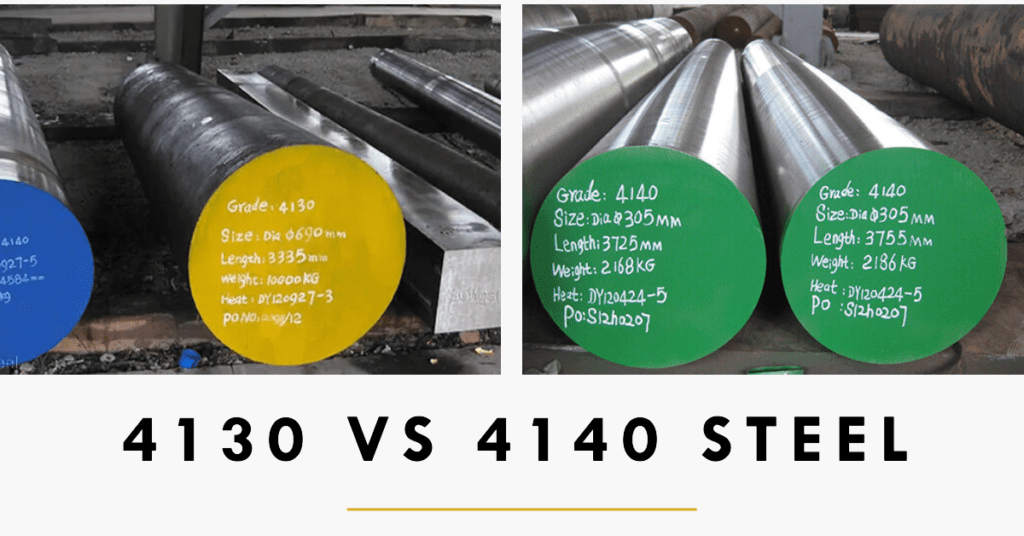
Understanding 4130 Steel: Precision Machining Excellence from Honyo Prototype
Chromium-molybdenum alloy steel 4130 remains a cornerstone material for demanding applications where strength, weldability, and fatigue resistance are non-negotiable. Its balanced composition delivers high tensile strength, excellent toughness across a range of temperatures, and superior hardenability compared to many carbon steels, making it indispensable in aerospace structures, motorsports roll cages, bicycle frames, and critical hydraulic components. However, unlocking the full potential of 4130 steel in precision components requires machining expertise that respects its specific thermal and work-hardening characteristics. Suboptimal tool paths, feeds, speeds, or coolant strategies can lead to dimensional inaccuracies, surface integrity issues, or accelerated tool wear, compromising the very properties that make 4130 desirable.
Honyo Prototype leverages decades of specialized experience in CNC machining challenging alloys like 4130 steel to deliver components that meet exacting engineering specifications. Our advanced multi-axis CNC milling and turning centers, operated by veteran machinists deeply familiar with alloy steel behavior, ensure precise dimensional control, optimal surface finishes, and adherence to critical metallurgical requirements. We implement rigorously validated processes for stress relief, heat treatment sequencing, and tight-tolerance machining to guarantee the structural integrity and performance of your 4130 parts. Key mechanical properties we consistently achieve within spec include:
| Property | Typical Value for 4130 Steel (Annealed) | Relevance to Precision Machining |
|---|---|---|
| Tensile Strength | 560 – 670 MPa (81 – 97 ksi) | Requires robust fixturing and stable cutting forces |
| Yield Strength | 460 – 550 MPa (67 – 80 ksi) | Influences springback; demands precise compensation |
| Elongation | 25% min | Indicates formability; machining affects final ductility |
| Hardness (HB) | 150 – 200 | Dictates tool selection and cutting parameters |
When your project demands the reliable performance of 4130 steel, partner with a manufacturer that combines deep material science understanding with state-of-the-art CNC capabilities. Honyo Prototype provides seamless integration from engineering review through precision machining, heat treatment coordination, and stringent quality verification. Accelerate your development cycle immediately—leverage our Online Instant Quote platform to receive a detailed, accurate manufacturing assessment for your 4130 steel components within hours, not days. Submit your CAD file today and experience the Honyo advantage in high-integrity alloy machining.
Technical Capabilities
Technical Properties of 4130 Steel for Precision Machining Applications
4130 steel is a low-alloy chromium-molybdenum steel widely used in aerospace, automotive, and high-performance industrial applications due to its excellent strength-to-weight ratio, weldability, and response to heat treatment. When machining 4130 steel—particularly in tight-tolerance 3-, 4-, and 5-axis milling and turning operations—its mechanical properties and machinability characteristics must be carefully considered to achieve optimal surface finish, dimensional accuracy, and tool life.
Below is a comparative overview of key material properties relevant to precision CNC machining processes. This includes 4130 steel alongside commonly machined materials such as Aluminum (6061-T6), Steel (1018), ABS, and Nylon (6/6).
| Material | Tensile Strength (Ultimate) | Yield Strength | Hardness (Brinell) | Density (g/cm³) | Thermal Conductivity (W/m·K) | Machinability Rating (%) | Typical Applications in Precision Machining |
|---|---|---|---|---|---|---|---|
| 4130 Steel | 700–900 MPa | 500–700 MPa | 180–220 HB | 7.85 | 42 | 65–70% | Aerospace fittings, structural components, high-strength shafts requiring tight tolerances (±0.0005″) |
| 1018 Steel | 440 MPa | 370 MPa | 125–150 HB | 7.87 | 52 | 70–75% | Jigs, fixtures, low-stress mechanical parts; easier to machine than 4130 but lower strength |
| Aluminum 6061-T6 | 310 MPa | 275 MPa | 95 HB | 2.70 | 167 | 90–100% | Enclosures, heat sinks, lightweight structural parts; excellent for high-speed 5-axis milling |
| ABS | 40 MPa | 35 MPa | 100–110 HB | 1.04 | 0.19 | 80–85% | Prototypes, housings, non-structural components; ideal for tight-tolerance turning and milling in low-temp environments |
| Nylon 6/6 | 80 MPa | 70 MPa | 80–90 HB | 1.14 | 0.25 | 75–80% | Insulators, bushings, wear parts; requires sharp tools and controlled feeds/speeds to maintain dimensional stability |
Machining Considerations for 4130 Steel in Tight-Tolerance Applications
4130 steel is typically supplied in the annealed condition (HRB 75–85), which provides good machinability prior to heat treatment. However, for tight-tolerance work, post-machining heat treatment (such as normalizing, stress relieving, or hardening and tempering) can induce dimensional changes. Therefore, precision components often require finish machining after heat treatment to maintain tolerances within ±0.0005″.
In 3-, 4-, and 5-axis milling operations, 4130 steel demands rigid setups, high-precision tooling, and controlled cutting parameters. Recommended practices include:
Use of carbide end mills with TiAlN or AlCrN coatings to resist heat and wear
Moderate cutting speeds (SFM: 150–250) and feed rates optimized for depth of cut
Peck drilling and proper coolant application to manage built-up edge
Turning operations benefit from CBN or ceramic inserts when machining hardened 4130
Compared to aluminum, 4130 steel generates significantly higher cutting forces and heat, necessitating robust machine tools and frequent tool wear monitoring. While ABS and nylon are easier to machine at high speeds, they lack the structural integrity for high-load applications, making 4130 steel the preferred choice where strength, durability, and precision are critical.
From CAD to Part: The Process
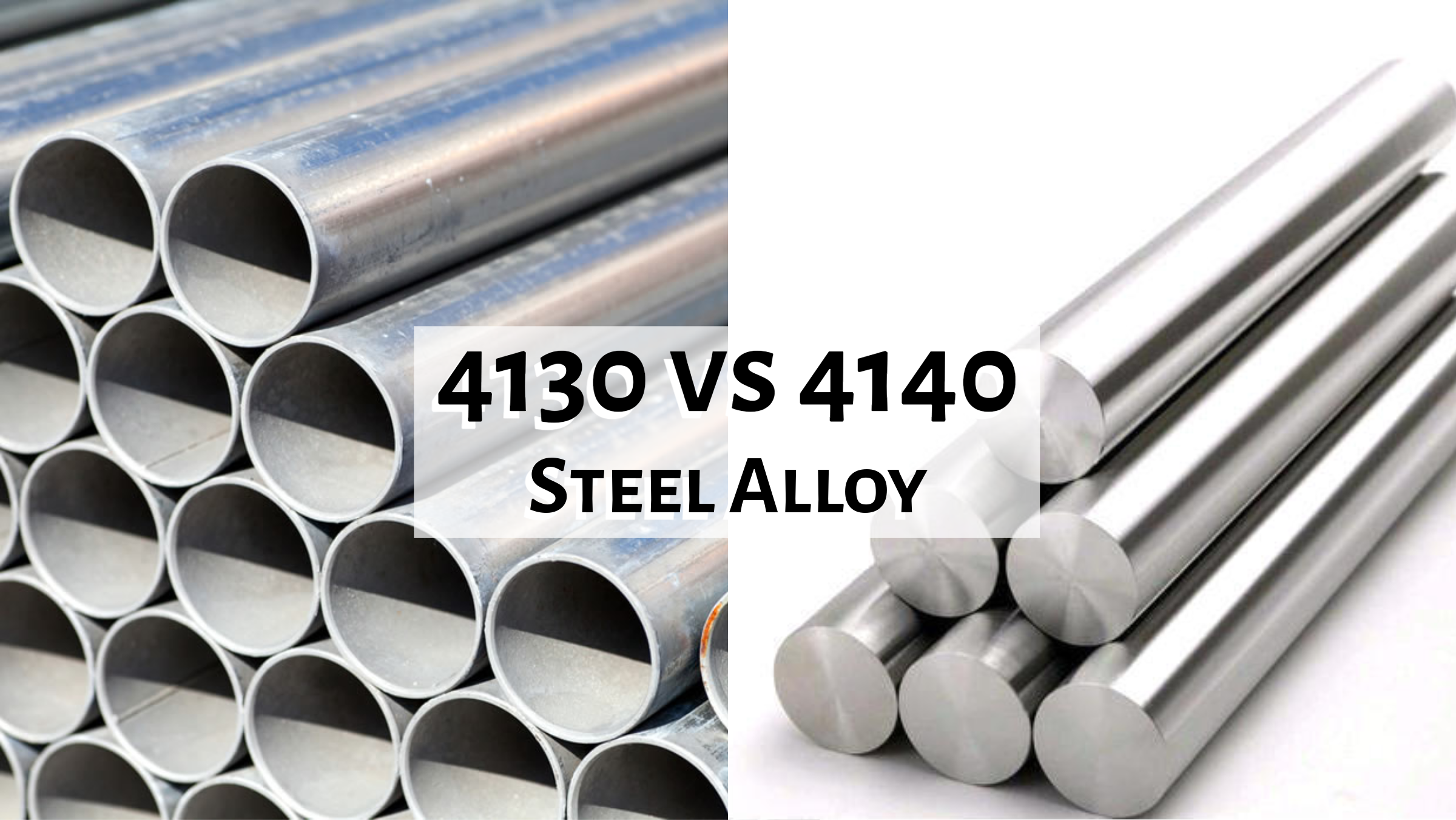
Honyo Prototype maintains rigorous material-specific protocols throughout our manufacturing workflow to ensure 4130 chromoly steel components meet exact mechanical and structural requirements. Our process integrates material science expertise at every stage, beginning with CAD validation and extending through final certification.
Upon CAD file upload, our system performs an immediate material specification audit. The AI engine cross-references the designated 4130 steel against Honyo’s certified material database, verifying compliance with ASTM A29/A30 standards. Critical checks include minimum wall thickness validation against 4130’s weldability limits, geometric feasibility for heat treatment distortion control, and identification of features requiring post-weld stress relief. Any CAD model specifying 4130 without required preheat zones for welding or inadequate fillet radii for fatigue-critical applications triggers an automated engineering review flag.
The AI quotation phase incorporates 4130-specific cost and lead time algorithms based on decades of shop-floor data. Material cost calculations reflect real-time alloy surcharge fluctuations and mandatory mill test report (MTR) acquisition fees. Machining time estimates account for 4130’s work-hardening characteristics during milling operations, while fabrication sequences incorporate required pre-bake cycles for weldments exceeding 1/4″ thickness. The system automatically appends mandatory process notes such as “Stress relief required per AMS 2759/3” or “Hardness verification at 3 locations” to the quote documentation.
During Design for Manufacturability (DFM) analysis, our engineers conduct material-specific simulations. Finite element analysis evaluates grain flow orientation for forged components, while thermal modeling predicts distortion during quenching from 1550°F. We validate that specified heat treatment parameters (typically oil quench from 1550°F followed by tempering between 400-1200°F) align with the required tensile strength range. Critical geometry reviews focus on 4130’s sensitivity to stress concentrations, with recommendations for increased transition radii in high-cycle fatigue applications.
Production execution follows strict 4130-specific procedures. Material traceability begins with heat number verification against certified MTRs showing actual chemical composition and base material properties. Machining employs reduced feed rates and specialized tool geometries to manage 4130’s tendency to work-harden. Welding procedures mandate preheat to 400°F minimum with interpass temperature control, using ER80S-D2 filler metal per AWS D1.1. Heat treatment cycles are monitored via dual thermocouples with automatic quench initiation at precise temperature thresholds.
Final inspection includes material property verification per project requirements. For critical aerospace components, we perform onsite Rockwell C hardness mapping and witness third-party tensile testing. All deliverables include comprehensive certification packages containing:
Original mill test reports with actual chemistry
Heat treatment process logs with time-temperature graphs
Non-destructive test reports (dye penetrant, radiographic)
Dimensional inspection data with critical feature callouts
The following table summarizes typical 4130 steel properties achieved through Honyo’s controlled process:
| Property | As-Forged Condition | After Q&T (800°F Temper) | Test Standard |
|---|---|---|---|
| Tensile Strength | 75-90 ksi | 125-140 ksi | ASTM A370 |
| Yield Strength | 45-60 ksi | 110-125 ksi | ASTM A370 |
| Elongation in 2″ | 20-25% | 15-18% | ASTM A370 |
| Hardness (HRC) | 15-20 | 28-32 | ASTM E18 |
| Charpy Impact | 40-60 ft-lb | 25-35 ft-lb | ASTM E23 |
This integrated approach ensures every 4130 steel component we deliver maintains the precise balance of strength, ductility, and weldability required for demanding applications in aerospace, motorsports, and structural frameworks. Clients receive not just a finished part, but full material pedigree documentation validating performance-critical properties.
Start Your Project
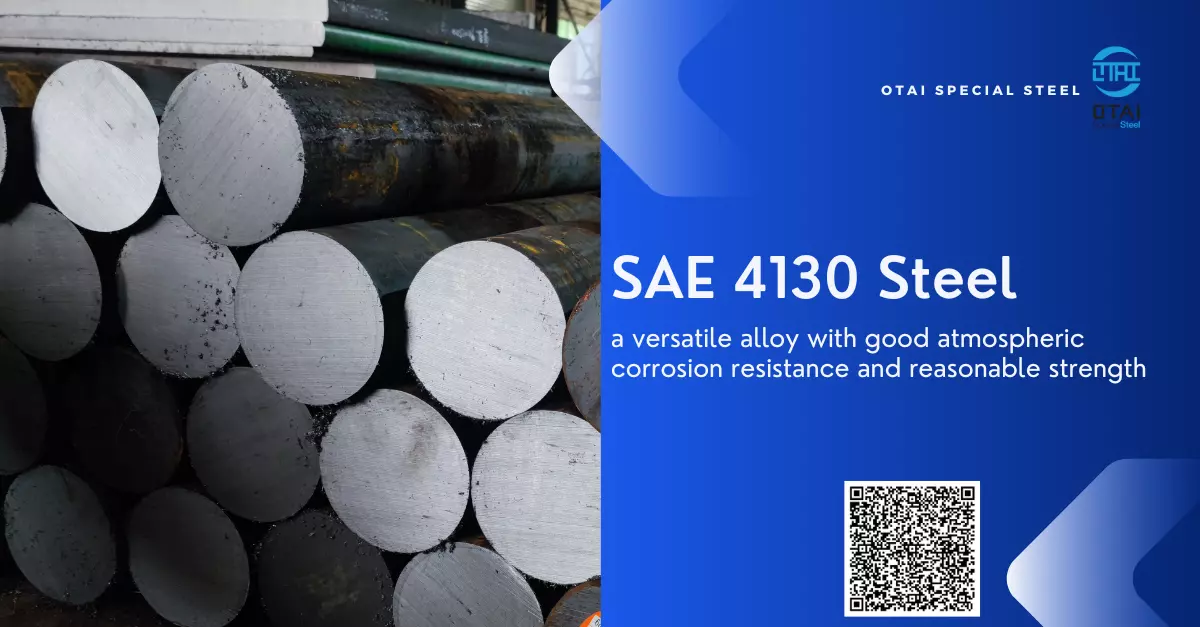
Learn more about the mechanical and physical properties of 4130 steel, a high-strength chromium-molybdenum alloy widely used in aerospace, automotive, and structural applications. Known for its excellent weldability, fatigue resistance, and high tensile strength, 4130 steel is ideal for precision components and prototyping.
For detailed material specifications, testing data, or custom fabrication services, contact Susan Leo at [email protected]. Our manufacturing facility is located in Shenzhen, China, and supports low to high-volume production with strict quality control and fast turnaround times.
🚀 Rapid Prototyping Estimator
Estimate rough cost index based on volume.