
Contents
Manufacturing Insight: Properties Of 1045 Steel
Understanding 1045 Steel: Precision Machining Excellence at Honyo Prototype
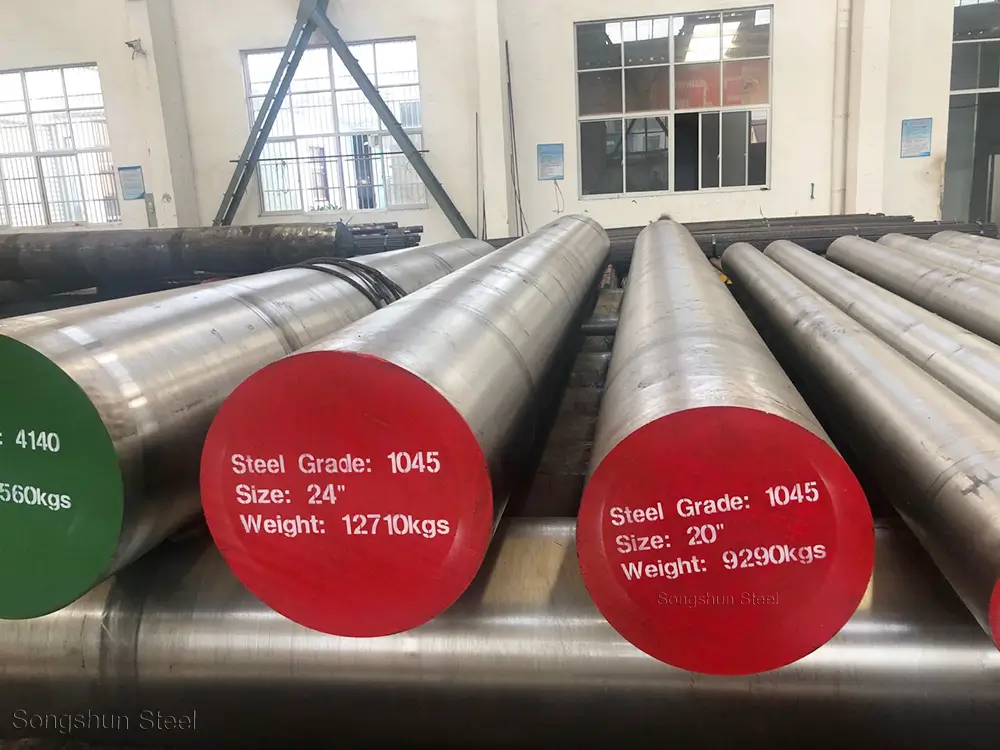
Medium-carbon 1045 steel remains a cornerstone material in demanding industrial applications due to its optimal balance of strength, wear resistance, and machinability. Its composition, featuring approximately 0.43-0.50% carbon, provides a solid foundation for components requiring moderate hardness and good fatigue strength after heat treatment, such as shafts, spindles, gears, and hydraulic parts. Key mechanical properties in the annealed condition typically include a tensile strength of 570 MPa, yield strength of 310 MPa, and an elongation of 16% in 50mm, offering a reliable profile for precision manufacturing. The material responds well to quenching and tempering, allowing tailored mechanical properties, while its relatively free-machining nature compared to higher-carbon steels makes it highly suitable for complex CNC operations.
Achieving tight tolerances and superior surface finishes in 1045 steel demands deep material-specific expertise and optimized CNC machining parameters. Honyo Prototype leverages extensive experience with this alloy, utilizing advanced multi-axis CNC milling and turning centers alongside rigorously controlled processes to maximize dimensional accuracy, minimize tool wear, and ensure consistent part quality. Our engineering team understands the nuances of machining 1045 steel, from managing chip formation during high-speed cutting to implementing strategies that prevent work hardening and maintain structural integrity.
| Property | Typical Value (Annealed) | Relevance to CNC Machining |
|---|---|---|
| Carbon Content | 0.43-0.50% | Balances machinability with achievable hardness |
| Tensile Strength | 570 MPa | Requires robust fixturing and tool selection |
| Yield Strength | 310 MPa | Influences cutting forces and deflection risk |
| Elongation | 16% in 50mm | Indicates formability; impacts chip control |
| Machinability | Good (72% of B1112) | Allows efficient material removal rates |
When your next prototype or low-volume production run requires the proven performance of 1045 steel, trust Honyo Prototype’s precision CNC machining capabilities to transform your design into a high-integrity component. Evaluate your project’s feasibility and receive a detailed manufacturing assessment instantly. Utilize our Online Instant Quote system today to experience streamlined quoting for 1045 steel parts and accelerate your path from design to delivery.
Technical Capabilities
Technical Properties of 1045 Steel for Precision Machining Applications
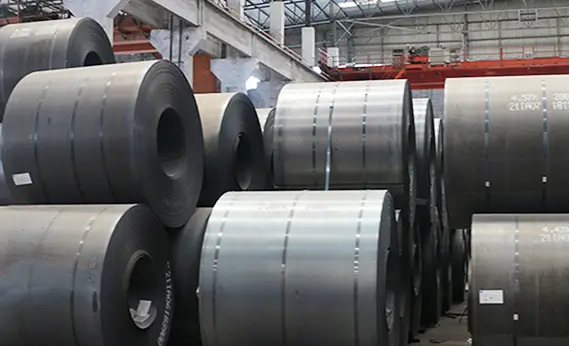
1045 steel is a medium-carbon steel widely used in precision machining due to its excellent balance of strength, hardness, and machinability. It is particularly suitable for components requiring tight tolerances and good wear resistance, commonly used in shafts, gears, and tooling. When compared to materials such as aluminum, steel (general reference), ABS, and nylon, 1045 steel offers higher strength and thermal stability but requires more robust tooling and slower machining parameters.
Below is a comparative table highlighting key material properties and their implications for 3-axis, 4-axis, and 5-axis milling, turning, and tight-tolerance applications.
| Property | 1045 Steel | Aluminum (6061-T6) | General Mild Steel (A36) | ABS (Acrylonitrile Butadiene Styrene) | Nylon (PA6/PA66) |
|---|---|---|---|---|---|
| Tensile Strength (Ultimate) | 570–700 MPa | 310 MPa | 400–550 MPa | 40–50 MPa | 70–85 MPa |
| Yield Strength | 310–450 MPa | 276 MPa | 250 MPa | 35–45 MPa | 50–70 MPa |
| Hardness (Brinell, HB) | 170–210 HB | 95 HB | 120 HB | 80–100 HB | 80–90 HB |
| Density | 7.85 g/cm³ | 2.70 g/cm³ | 7.85 g/cm³ | 1.04 g/cm³ | 1.13–1.15 g/cm³ |
| Thermal Conductivity | 51.9 W/m·K | 167 W/m·K | 50–55 W/m·K | 0.19 W/m·K | 0.25 W/m·K |
| Coefficient of Thermal Expansion | 11.7 µm/m·°C | 23.6 µm/m·°C | 12.0 µm/m·°C | 70–100 µm/m·°C | 80–120 µm/m·°C |
| Machinability Rating (Relative) | 60–70% | 90–100% | 70–75% | Excellent (but gummy) | Good (but prone to creep) |
| Typical Tolerance Capability (Machined) | ±0.005 mm (±0.0002″) | ±0.0125 mm (±0.0005″) | ±0.010 mm (±0.0004″) | ±0.05 mm (±0.002″) | ±0.05–0.1 mm (±0.002–0.004″) |
| Recommended Tooling | Carbide, CBN, or coated HSS | Carbide or uncoated HSS | Carbide or coated HSS | Carbide or sharp HSS | Carbide or sharp HSS |
| Coolant Requirement | Required (flood or mist) | Recommended | Required | Optional (air blow preferred) | Optional (air blow preferred) |
| Surface Finish (Typical Achievable) | 0.8–1.6 µm Ra | 0.4–0.8 µm Ra | 1.0–2.0 µm Ra | 1.6–3.2 µm Ra | 1.6–3.2 µm Ra |
Application Notes for 3/4/5-Axis Milling and Turning
1045 steel performs well in multi-axis machining environments when proper cutting speeds, feeds, and toolpaths are applied. Due to its higher strength and work-hardening tendency, it requires rigid setups, sharp cutting tools, and consistent coolant application to maintain dimensional accuracy and surface finish. For tight-tolerance components (e.g., ±0.005 mm), stress relief prior to final machining is recommended to minimize distortion.
Compared to aluminum, 1045 steel demands higher spindle power and lower RPMs but offers superior dimensional stability under load and temperature. Unlike plastics such as ABS and nylon, it does not exhibit significant creep or thermal expansion, making it ideal for precision mechanical and structural parts. However, its higher density and wear on tooling increase machining costs relative to aluminum and polymers.
In high-precision turning and milling operations, 1045 steel is often chosen when mechanical performance outweighs the need for lightweight or high-speed material removal.
From CAD to Part: The Process
Honyo Prototype Process for 1045 Steel Component Manufacturing
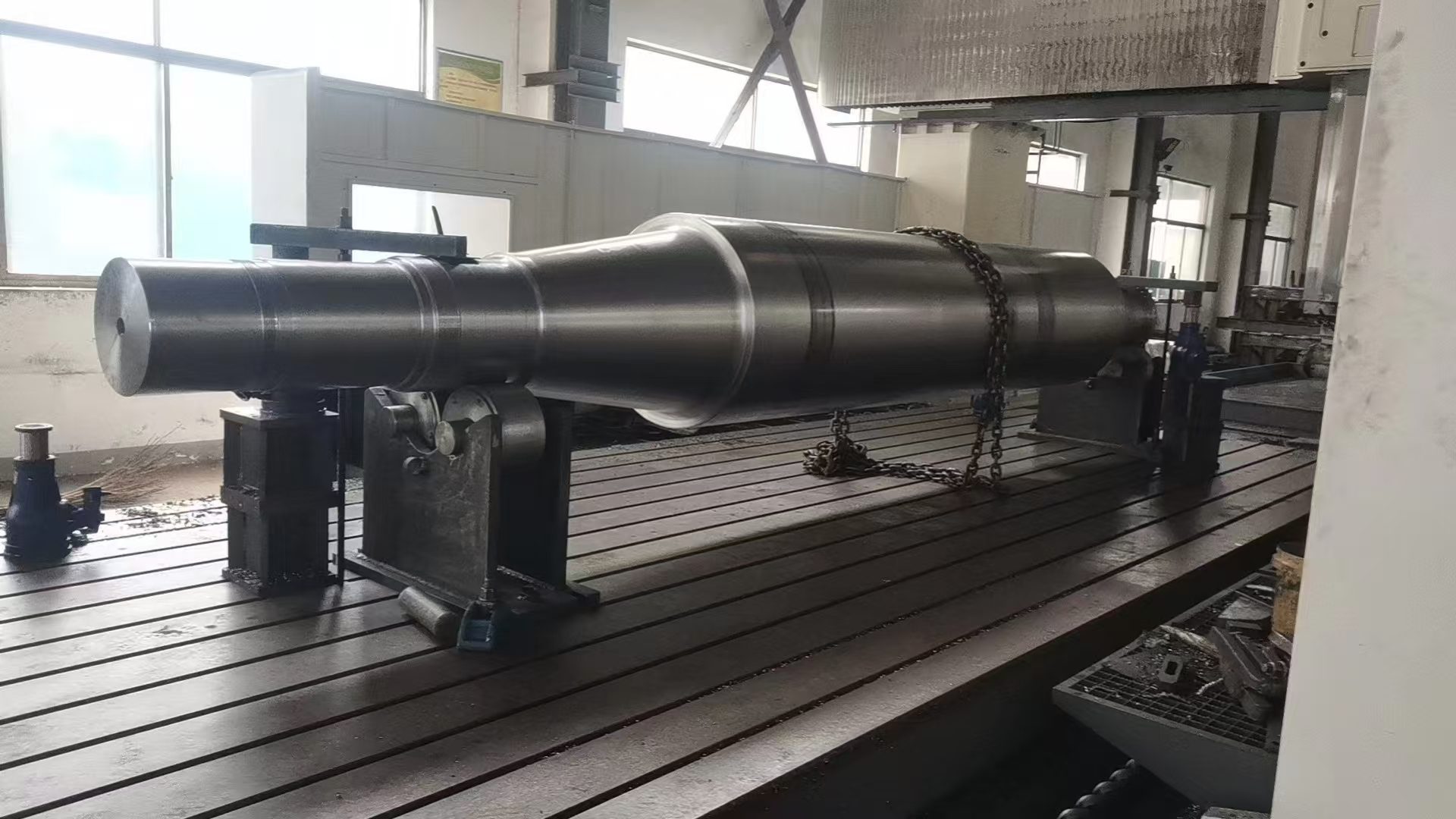
Upon receiving a CAD file specifying 1045 steel, Honyo initiates a structured workflow that rigorously accounts for the material’s mechanical and thermal properties. Key properties of 1045 steel—including its medium carbon composition (0.43–0.50% C), typical tensile strength range of 570–700 MPa, Brinell hardness of 170–210 HB in the as-rolled condition, and responsiveness to heat treatment (e.g., achievable hardness up to 55 HRC after quenching and tempering)—are actively managed at each phase to ensure part integrity and performance.
Upload CAD
The process begins with precise validation of the CAD model’s material designation against ASTM A108 standards for 1045 steel. Our system cross-references the specified geometry with 1045 steel’s inherent properties, such as its moderate machinability (72% relative to B1112) and susceptibility to distortion during heat treatment. Any ambiguity in material callouts triggers immediate clarification with the client to prevent downstream deviations.
AI Quote
Honyo’s AI-driven quoting engine integrates real-time material databases and production constraints specific to 1045 steel. The system calculates costs based on critical property-driven factors:
Raw material yield strength variance (requiring ±15% stock allowance for stress relief)
Heat treatment complexity (e.g., annealing for machinability vs. quenching for final hardness)
Machining time adjustments for 1045’s work-hardening tendency
The quote explicitly details property-dependent cost variables, such as additional fees for tight-tolerance features requiring post-heat-treatment grinding due to potential warpage.
DFM Analysis
Our engineering team conducts a material-centric DFM review focused on 1045 steel’s limitations and opportunities:
Recommending annealed condition (197 HB max) for complex geometries to avoid tool wear and dimensional instability
Flagging thin-section features prone to cracking during quenching, proposing alternative section thicknesses or stress-relief steps
Validating heat treatment specifications against achievable property ranges (e.g., confirming 28–32 HRC is feasible via oil quenching per AISI guidelines)
The DFM report includes a property compliance matrix showing how design choices align with 1045 steel’s expected performance envelope.
Production
During manufacturing, 1045 steel’s properties dictate strict process controls:
Raw material certification (mill test reports verifying chemical composition and initial hardness) is mandatory
Heat treatment parameters are dynamically adjusted based on part cross-sections to ensure uniform hardness (e.g., varying quench media for sections >25mm thick)
In-process hardness testing at critical stages using calibrated Rockwell testers
Machining sequences optimized for 1045’s thermal sensitivity (e.g., intermediate stress-relief cycles for high-precision components)
Delivery
Final inspection includes comprehensive property verification:
Dimensional validation against as-machined and post-heat-treated states
Hardness mapping at specified locations (documented in test reports)
Traceability linking each part to its certified heat lot and process parameters
All deliverables include a Material Conformance Report detailing measured properties against ASTM standards, with critical values summarized as follows:
| Property | As-Received Range | Processed Range (Typical) | Test Standard |
|---|---|---|---|
| Tensile Strength | 570–700 MPa | 620–850 MPa* | ASTM A370 |
| Hardness (HRC) | N/A (Annealed) | 15–55 (as specified) | ASTM E18 |
| Carbon Content | 0.43–0.50% | Verified per MTR | ASTM E415 |
*Achieved via quenching/tempering; exact range depends on section size and heat treatment parameters.
This end-to-end process ensures 1045 steel components meet both dimensional and material performance requirements, with all property-critical decisions documented for full traceability. Honyo’s integration of material science into each workflow stage minimizes risk while optimizing cost and lead time for production-ready prototypes.
Start Your Project
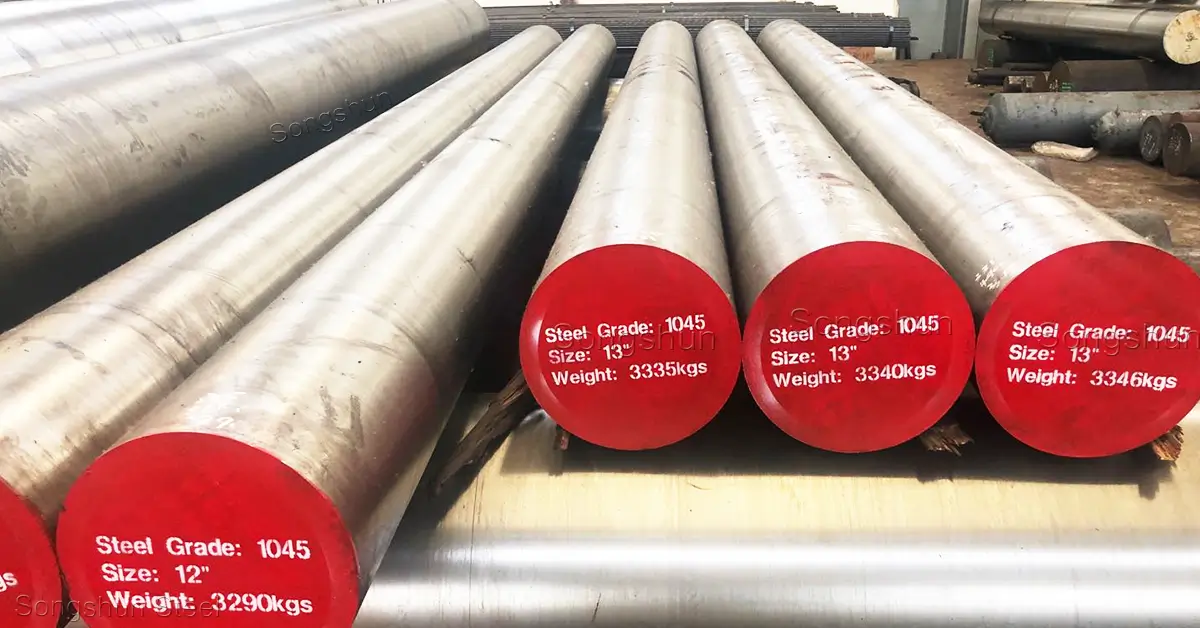
Learn more about the mechanical and physical properties of 1045 steel, including tensile strength, hardness, machinability, and heat treatment characteristics. Ideal for applications requiring high strength and wear resistance.
For detailed material specifications and technical support, contact Susan Leo at [email protected].
Honyo Prototype has a fully equipped manufacturing facility in Shenzhen, providing precision machining and rapid prototyping services with 1045 steel and other engineering materials. Trust our expertise for high-quality, production-ready components.
🚀 Rapid Prototyping Estimator
Estimate rough cost index based on volume.