
Contents
Manufacturing Insight: Printing On Aluminium Sheet
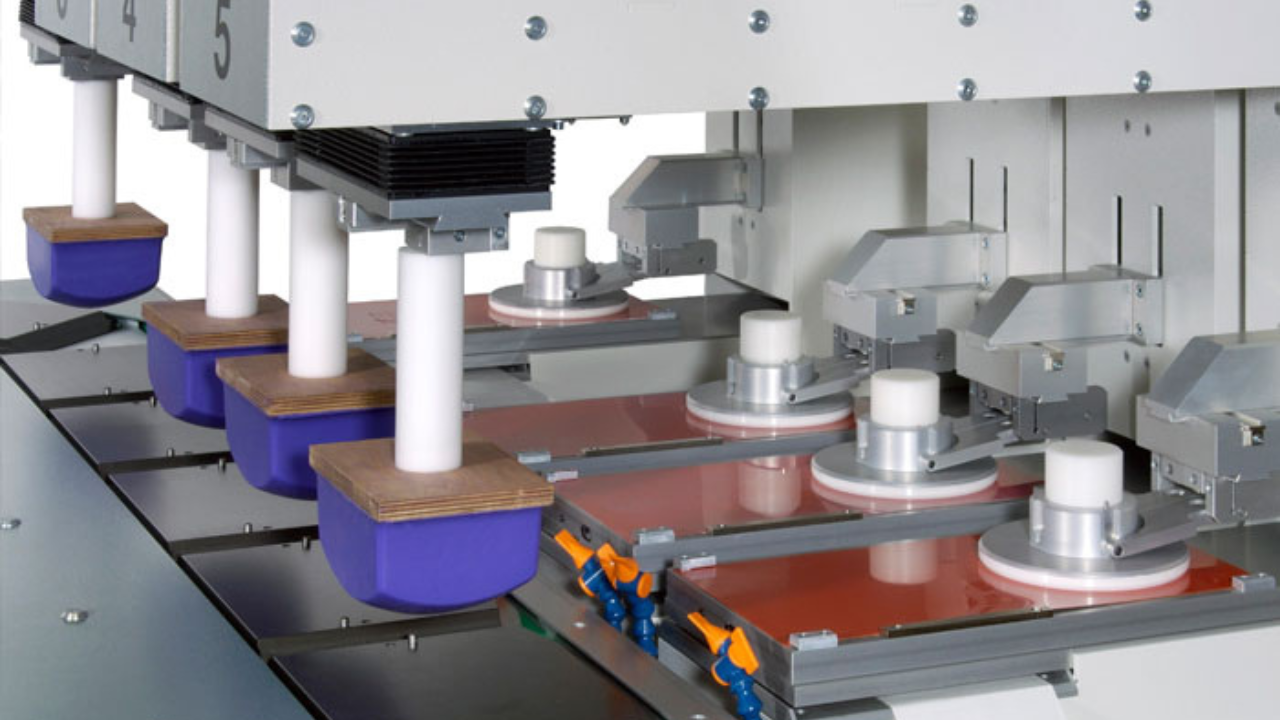
Precision Additive Manufacturing for Aluminum Sheet Applications
Honyo Prototype delivers industrial-grade metal additive manufacturing solutions specifically engineered for demanding aluminum sheet applications. Our Laser Powder Bed Fusion (LPBF) technology transforms aluminum alloys—including 6061, 7075, and AlSi10Mg—into complex, high-integrity components directly from digital models, bypassing the constraints of traditional subtractive or forming methods. This capability eliminates tooling dependencies, reduces material waste by up to 90%, and accelerates iteration cycles for prototypes and low-volume production runs where sheet metal fabrication falls short.
We address critical industrial challenges such as topology-optimized lightweight structures, integrated cooling channels, and consolidated assemblies that cannot be achieved through conventional sheet metal processing. Every part undergoes stringent in-process monitoring and post-build validation to meet aerospace, automotive, and industrial equipment specifications for mechanical properties, surface finish, and dimensional accuracy.
Leverage our Online Instant Quote platform to receive precise, real-time cost and lead time estimates for your aluminum sheet 3D printing project within minutes—enabling faster design validation and procurement decisions without manual RFQ delays. Submit your STEP or CAD file today to experience industrial additive manufacturing engineered for real-world performance.
Technical Capabilities
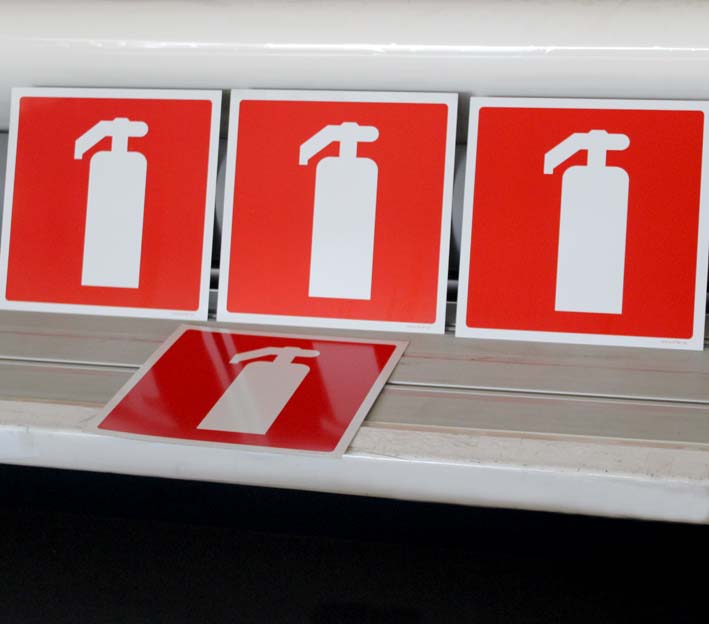
The term “printing on aluminium sheet” may be misinterpreted in the context of additive manufacturing. Typically, industrial 3D printing processes do not involve printing on an aluminium sheet in the way that one might print on paper or apply ink. Instead, some additive manufacturing technologies build parts from aluminium or other materials layer by layer, sometimes using a build plate (often aluminium or steel) as a base. Below is a clarification and technical comparison of the specified processes—SLA, SLS, MJF, and DMLS—with a focus on their compatibility with aluminium and other materials such as steel, ABS, and nylon.
Note: SLA, SLS, and MJF do not process aluminium directly. Only DMLS (a subset of metal powder bed fusion) is capable of printing in aluminium alloys. The others are polymer-based and may use aluminium-coated or composite materials in niche cases, but not pure aluminium.
| Process | Full Name | Primary Materials | Can Print Aluminium? | Build Plate Material | Key Technical Specifications |
|---|---|---|---|---|---|
| SLA | Stereolithography | Photopolymer resins (e.g., standard, tough, ceramic-filled) | No | Typically steel or coated aluminium | Uses UV laser to cure liquid resin; layer resolution: 25–100 µm; high surface finish; not suitable for functional metal parts |
| SLS | Selective Laser Sintering | Nylon (PA11, PA12), TPU, composites (e.g., glass-filled nylon) | No | Typically aluminium or steel | Uses CO₂ laser to sinter polymer powder; layer thickness: 80–120 µm; no supports needed; good for functional plastic parts |
| MJF | Multi Jet Fusion | Nylon (PA12), PA12 glass-filled, TPU | No | Typically aluminium or steel | Uses inkjet array and heating elements; layer thickness: 80 µm; faster than SLS; excellent mechanical properties for polymers |
| DMLS | Direct Metal Laser Sintering | Aluminium (AlSi10Mg, AlSi7Mg), Stainless Steel (17-4 PH, 316L), Titanium, Inconel | Yes (AlSi10Mg, AlSi7Mg) | Typically steel (maraging steel or stainless) | Uses fiber laser to sinter metal powder; layer thickness: 20–50 µm; high precision; suitable for complex metal parts; requires support structures and post-processing |
Clarifications:
SLA, SLS, MJF: These are polymer-based technologies and do not process metallic aluminium. They may use aluminium build plates for thermal stability.
DMLS: The only process listed capable of producing parts from aluminium alloys. It fully melts or sinters metal powder to create dense, functional components.
ABS: Not typically used in SLS or MJF; instead, nylon-based materials are standard. ABS can be processed via FDM, which is not listed here.
Steel: Used in DMLS (as a build material) and as a build plate material in polymer systems for durability.
For applications requiring aluminium parts, DMLS is the appropriate choice among these technologies. For polymer parts with high strength or thermal resistance, SLS and MJF using nylon-based materials are ideal.
From CAD to Part: The Process
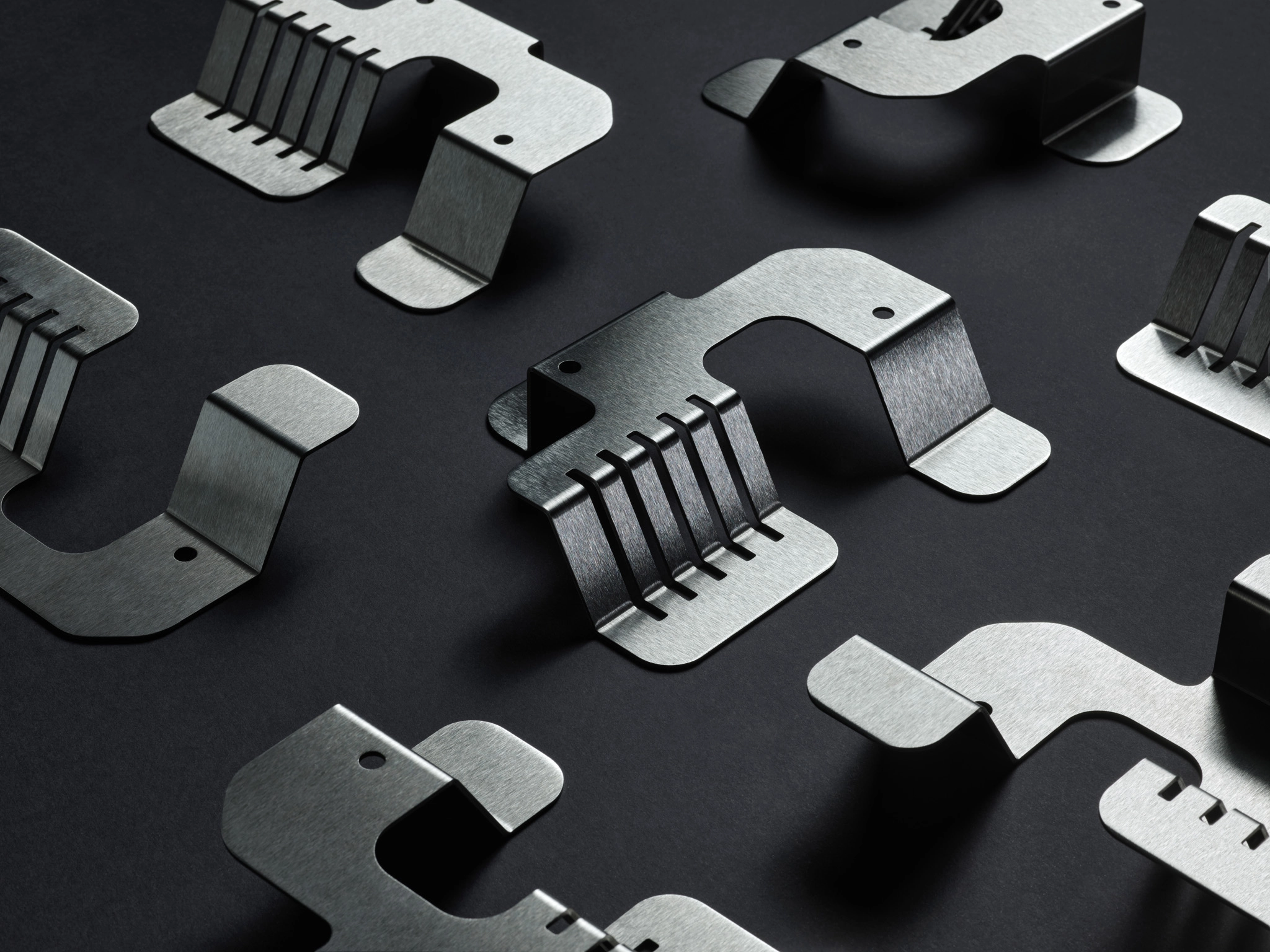
Honyo Prototype executes precision printing on aluminum sheets through a rigorously controlled six-stage workflow designed for engineering-grade accuracy and manufacturability. This process ensures optimal adhesion, color fidelity, and structural integrity specific to aluminum substrates.
CAD Upload and Material Specification
Clients initiate the process by uploading native CAD files (STEP, IGES, or native SOLIDWORKS formats) via our secure portal. Critical parameters including aluminum alloy grade (e.g., 5052-H32, 6061-T6), sheet thickness tolerance (±0.05mm standard), surface finish (mill, brushed, or anodized), and print area coordinates must be specified. Non-compliant file formats trigger immediate automated validation feedback.
AI-Powered Quoting Engine
Our proprietary AI engine analyzes the CAD geometry, material specs, and print requirements within 90 minutes. The system cross-references real-time data on aluminum sheet availability, printing method suitability (digital direct-to-metal, screen, or pad printing), and anodization requirements. Quotes include explicit validation of minimum feature sizes (0.2mm for screen printing, 0.05mm for digital), thermal expansion allowances for large sheets (>1m²), and UV-cure adhesion protocols for outdoor applications. Cost breakdowns separate material, surface prep, and printing variables.
Engineering-Driven DFM Analysis
All orders undergo mandatory Design for Manufacturability review by our metallurgy-specialized engineers. Key aluminum-specific checks include:
Verification of bend lines relative to grain direction to prevent cracking
Thermal distortion modeling for heat-affected zones during printing/curing
Anodization pore depth validation (8–12μm standard) for ink retention
Edge clearance validation (min. 3mm from cut edge for print integrity)
Clients receive annotated PDF reports with actionable corrections; 87% of first-pass DFM issues relate to inadequate anodization specifications or thermal relief in high-density designs.
Production Execution with Aluminum-Specific Protocols
Approved jobs move to production under strict environmental controls:
1. Surface Preparation: Alkaline degreasing followed by chromate conversion coating (per AMS-C-5541)
2. Anodization: Type II sulfuric acid anodizing at 18–20V for 30 minutes (achieves 10–12μm oxide layer)
3. Printing: Digital UV-cure printing at 1200dpi using epoxy-based inks resistant to aluminum’s alkaline surface
4. Curing: Forced-air convection oven at 190°C for 15 minutes to ensure ink penetration into anodized pores
All sheets undergo 100% automated optical inspection for color delta-E <1.5 (vs. Pantone) and adhesion testing per ASTM D3359.
Quality Validation and Packaging
Final inspection includes:
Salt spray testing (ASTM B117) for outdoor applications (500+ hours rating)
Micro-hardness testing of printed surface (min. 300 HV)
Flatness verification (<0.5mm/m² for sheets >1mm thick)
Sheets are interleaved with non-sulfuric VCI paper, sealed in anti-static polyethylene, and crated with edge protectors to prevent micro-scratches during transit.
Global Delivery with Traceability
Shipments include:
Material test reports (MTRs) with aluminum chemistry certification
Anodization process logs (voltage, time, electrolyte temp)
Print calibration certificates (spectrophotometer readings)
Standard lead time is 7–10 business days from DFM approval. Expedited 72-hour service available for sheets ≤1.5mm thickness with pre-approved materials. All shipments include real-time GPS tracking and customs documentation for seamless international delivery.
Start Your Project
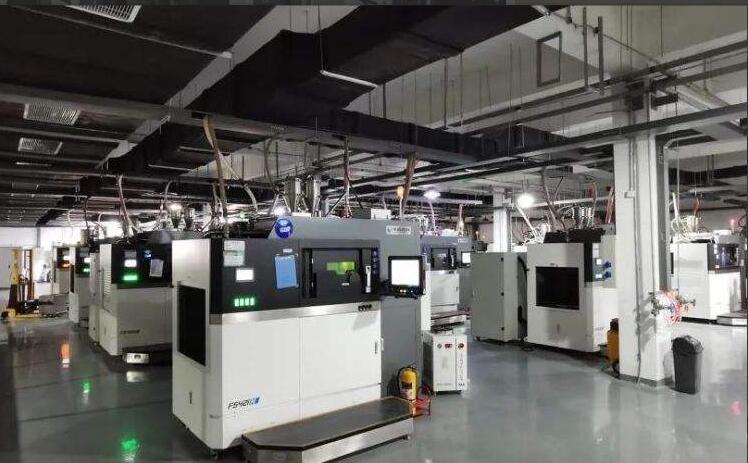
For high-quality printing on aluminium sheets, contact Susan Leo at [email protected]. Honyo Prototype operates a dedicated manufacturing facility in Shenzhen, ensuring precision, fast turnaround, and consistent quality for your custom metal printing needs. Reach out today to discuss your project specifications and receive a tailored solution.
Contact Information
Name: Susan Leo
Email: [email protected]
Factory Location: Shenzhen, China
Let us support your prototyping and production requirements with advanced printing technology on aluminium substrates.
🚀 Rapid Prototyping Estimator
Estimate rough cost index based on volume.