
Contents
Manufacturing Insight: Price Of Structural Steel Per Pound
Understanding Structural Steel Pricing in Precision Manufacturing Contexts
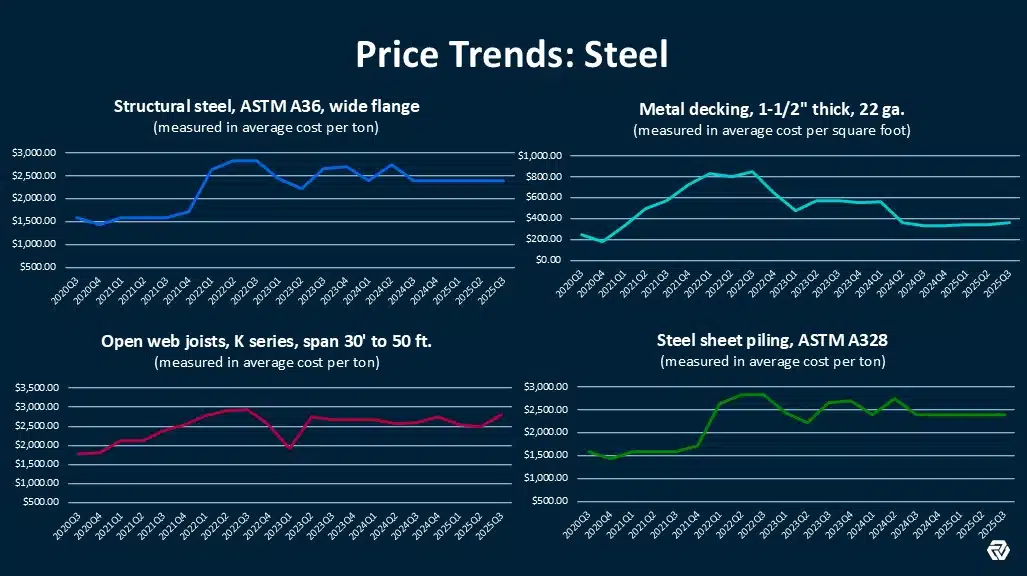
When evaluating the price of structural steel per pound, engineering teams must recognize that raw material costs represent only one variable in the total project equation. Structural steel grades like ASTM A36 or A572 typically range from $0.35 to $0.65 per pound in bulk commercial markets, though spot prices fluctuate based on mill availability, alloy composition, and global supply chain dynamics. However, for prototyping and low-volume production, the true cost driver shifts toward precision fabrication efficiency—where material waste, secondary operations, and tolerance adherence dominate budget considerations.
Honyo Prototype’s CNC machining services directly address this reality by optimizing structural steel utilization through advanced 3-, 4-, and 5-axis milling. Our engineering-led approach minimizes scrap rates by up to 22% compared to conventional fabrication methods, while maintaining tight tolerances of ±0.001″ critical for structural integrity in load-bearing applications. This precision eliminates costly rework cycles and accelerates time-to-assembly, transforming raw steel cost into predictable, high-value output.
Consider the cost impact of machining precision on structural components:
| Cost Factor | Standard Fabrication | Honyo CNC Machining |
|---|---|---|
| Material Waste Rate | 18-25% | 8-12% |
| Secondary Ops Cost | $35-$60/hr | $18-$30/hr |
| Tolerance Compliance Risk | High (rework 30%+) | Low (<5%) |
Leverage Honyo’s Online Instant Quote platform to bypass traditional RFQ delays. Upload CAD files for structural steel components, and receive a comprehensive cost breakdown within 90 seconds—including material pricing, machining time, and finishing options. Our system dynamically factors real-time steel market data alongside machine utilization rates, delivering transparent pricing that reflects true manufacturability.
For engineering teams prioritizing structural performance and cost certainty, Honyo transforms steel pricing from a static commodity metric into an optimized engineering outcome. Initiate your precision fabrication workflow today with a validated quote at honyoprototype.com/quote.
Technical Capabilities
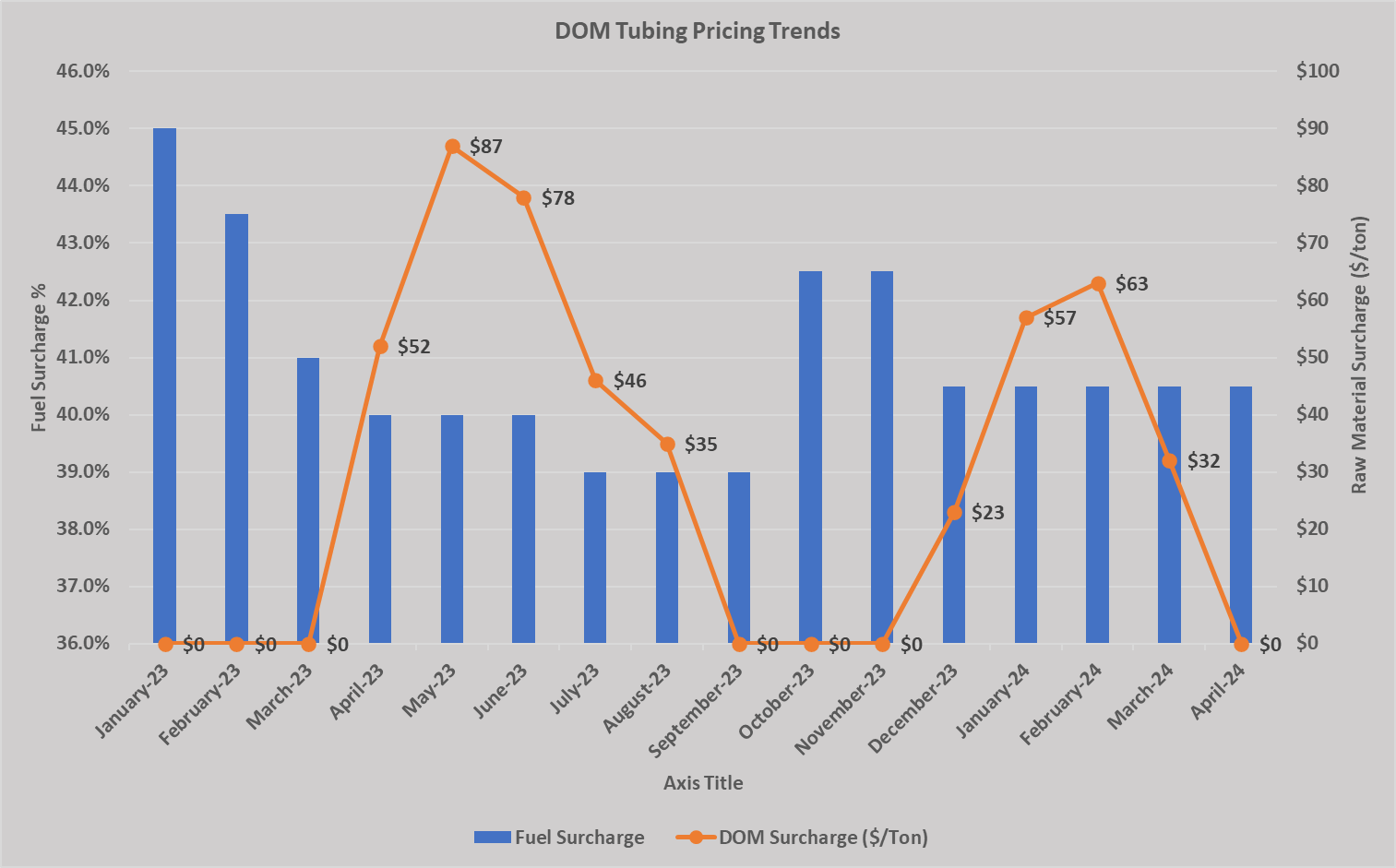
The term “price of structural steel per pound” refers to the raw material cost of structural steel, typically used in construction and large-scale fabrication. However, in the context of precision manufacturing processes such as 3/4/5-axis milling and turning with tight tolerances, the relevant cost metric shifts from bulk structural pricing to precision-machined component pricing. This includes factors such as material grade suitability, machinability, finishing requirements, and complexity of geometry.
While structural steel pricing (e.g., A36 or A572) averages between $0.40–$0.60 per pound in bulk, high-precision machining operations use higher-grade materials and involve significantly higher processing costs. The following table outlines technical and cost-related specifications for common materials used in precision CNC machining, including aluminum, steel, ABS, and nylon, with relevance to multi-axis milling, turning, and tight tolerance applications.
| Material | Typical Grade/Form | Density (g/cm³) | Machinability Rating | Common Use in 3/4/5-Axis Machining | Tight Tolerance Capability (±) | Relative Material Cost ($/lb) | Notes |
|---|---|---|---|---|---|---|---|
| Aluminum | 6061-T6, 7075-T6 | 2.70 | Excellent (Machinability: 90–100%) | High-speed milling, complex aerospace and automotive components | 0.0005″ – 0.001″ | $2.50 – $4.00 | Lightweight, excellent strength-to-weight; ideal for complex 5-axis parts |
| Steel | 4140, 4340, A2, D2 | 7.85 | Moderate (Machinability: 50–65%) | High-strength structural and tooling components, precision shafts | 0.0005″ – 0.001″ | $1.80 – $3.50 | Higher tool wear; requires rigid setups; post-machining heat treatment common |
| ABS | Industrial-grade pellet or bar stock | 1.04 | Excellent | Rapid prototyping, jigs, fixtures, low-stress components | 0.002″ – 0.005″ | $1.50 – $2.50 | Low melting point; minimal tool wear; suitable for high-speed 3-axis work |
| Nylon | PA6, PA66, glass-filled variants | 1.13–1.15 | Good (slightly abrasive) | Bearings, insulators, low-friction components | 0.002″ – 0.005″ | $3.00 – $6.00 | Hygroscopic; requires pre-drying; excellent wear resistance |
Key Considerations:
Precision machining costs extend well beyond raw material price per pound. For example, while structural steel may cost under $0.60/lb in bulk, a machined steel component using 4140 alloy can incur labor, tooling, and inspection costs that exceed $100 per hour depending on complexity.
Tight tolerance machining (±0.0005″) requires thermal stability, high-precision CNC equipment (e.g., Swiss-type lathes, 5-axis mills with sub-micron feedback), and often multiple inspection stages using CMM or laser probes.
Multi-axis milling (4-axis and 5-axis) reduces setup次数 and enables complex geometries, especially in aluminum and steel, but increases programming and fixturing demands. Materials like ABS and nylon are rarely used in high-precision tight-tolerance applications due to thermal expansion and lower modulus.
For prototyping and low-volume production at Honyo Prototype, aluminum remains the most cost-effective balance of machinability, strength, and dimensional stability. Steel is selected when wear resistance and structural integrity are paramount. Engineering plastics like nylon are reserved for functional prototypes or non-metallic wear components.
Material selection must align with functional requirements, environmental exposure, and post-processing needs (e.g., anodizing, plating, stress relieving).
From CAD to Part: The Process
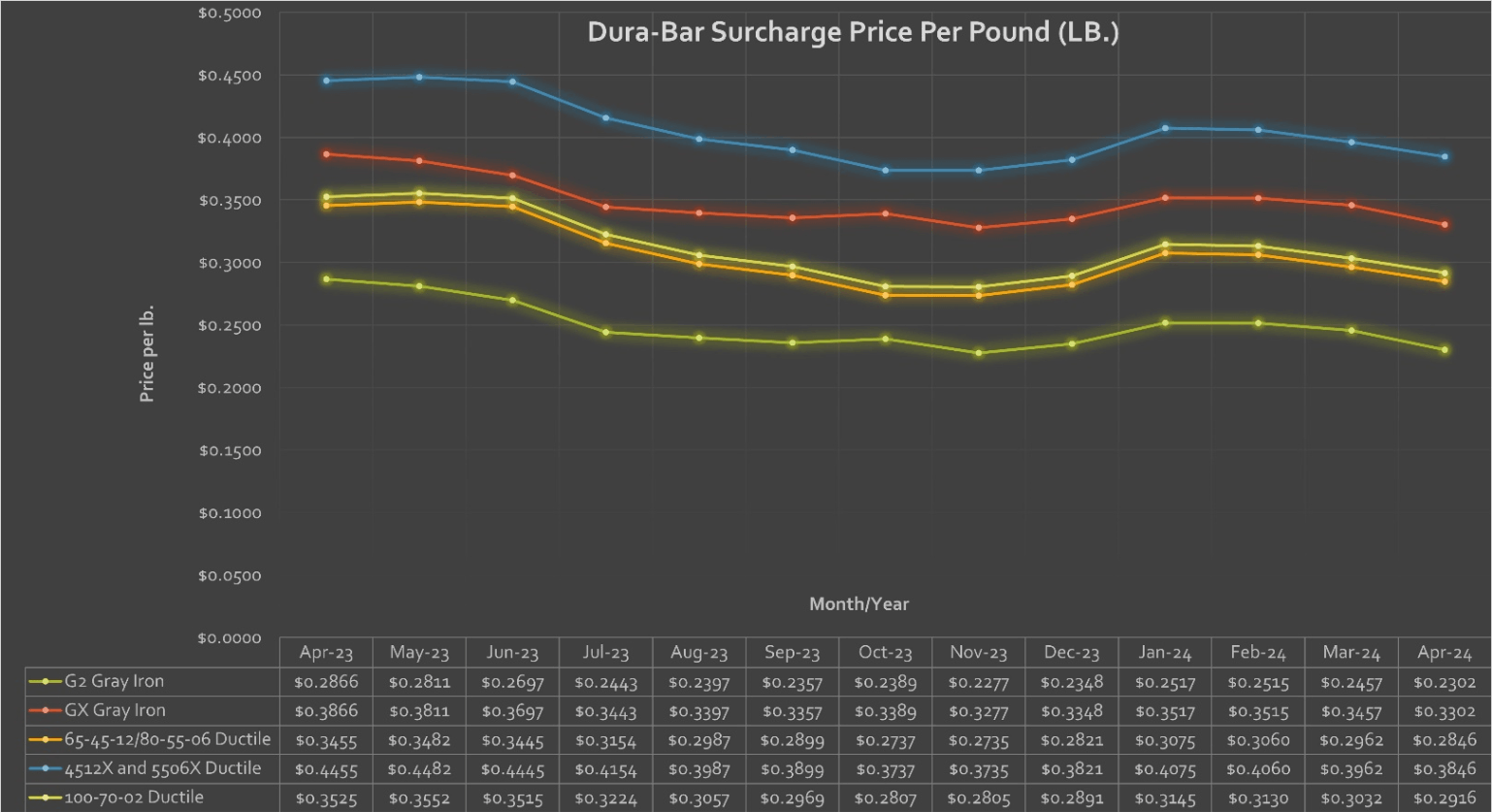
Honyo Prototype does not quote structural steel fabrication based solely on a fixed “price per pound” metric. This approach is fundamentally incompatible with precision structural fabrication due to the significant impact of design complexity, tolerances, secondary operations, and material utilization on final cost. Raw material weight is merely one input among many. Our process focuses on accurate, value-driven cost modeling through integrated engineering analysis. Below is our actual workflow for structural steel projects:
Upload CAD
Customers submit detailed 3D CAD models (STEP, IPT, SLDPRT preferred) with geometric dimensioning and tolerancing (GD&T), weld symbols per AWS D1.1, and material specifications (e.g., ASTM A500 Gr. B/C). We require complete manufacturing intent documentation to avoid assumptions that could invalidate the quote.
AI-Powered Preliminary Quote
Our proprietary AI engine analyzes the CAD geometry to generate an initial cost estimate within 2 hours. This system calculates:
Net material weight versus gross raw stock requirements (factoring kerf loss, nesting efficiency, and minimum order quantities)
Machine runtime estimates for cutting (plasma/laser), forming, and drilling
Baseline weld length and complexity metrics
Surface treatment requirements (e.g., blast cleaning, primer)
The output is a preliminary cost range with clear assumptions, not a fixed per-pound rate. Critical design risks (e.g., thin-wall distortion, inaccessible welds) are flagged for engineering review.
Engineering-Led DFM Analysis
All quotes undergo mandatory Design for Manufacturability review by our senior structural engineers. This phase identifies cost drivers invisible to AI:
| DFM Factor | Cost Impact Example | Typical Savings |
|---|---|---|
| Material Nesting Efficiency | Poor part orientation increasing sheet utilization from 78% to 92% | 8-12% material cost reduction |
| Weld Preparation | Changing V-groove to square groove on 1/2″ plate | 15% weld time reduction |
| Tolerance Relaxation | Opening ±0.005″ to ±0.030″ on non-critical features | Eliminates secondary machining |
| Assembly Sequencing | Modifying weld order to prevent distortion | Reduces rework by 25%+ |
This stage produces a formal quotation with detailed cost breakdowns by operation, not weight. We provide actionable DFM recommendations with quantified cost impacts.
Production Execution
Validated designs enter production using our integrated systems:
Material procurement through certified mills with mill test reports (MTRs)
CNC-controlled cutting (max 12′ x 40′ capacity) with real-time kerf compensation
Robotic welding cells for repetitive joints (MIG/FCAW)
In-process CMM verification at critical stages per ASME Y14.5
Actual costs are tracked against the quote using our MOM system, with deviations reported immediately.
Delivery and Cost Reconciliation
Final invoicing reflects actual material consumed (with certified weight tickets), verified machine hours, and documented engineering changes. Structural steel projects include:
Crating and freight cost modeling based on dimensional weight
Compliance documentation (weld procedure specs, NDT reports)
As-built dimensional reports for critical interfaces
We provide a post-delivery cost analysis showing variance from quote, always tied to specific design or process parameters—not a simplistic per-pound calculation.
Why Per-Pound Quoting Fails for Structural Steel
Raw material cost typically represents only 35-50% of total project cost in structural fabrication. The table below illustrates actual cost drivers for a representative beam assembly:
| Cost Category | % of Total Cost | Weight-Dependent? |
|---|---|---|
| Raw Material (ASTM A500) | 42% | Yes |
| Cutting Operations | 18% | No (driven by perimeter complexity) |
| Welding/Fabrication | 28% | No (driven by joint count/length) |
| Quality Assurance | 7% | No |
| Engineering | 5% | No |
Using a per-pound rate would misallocate costs by 22-37% for typical structural assemblies, leading to either unsustainable margins or non-competitive pricing. Our process ensures accurate costing through engineering-led analysis of all value streams. For precise project costing, submit your CAD package to receive a DFM-optimized quotation within 24 hours.
Start Your Project
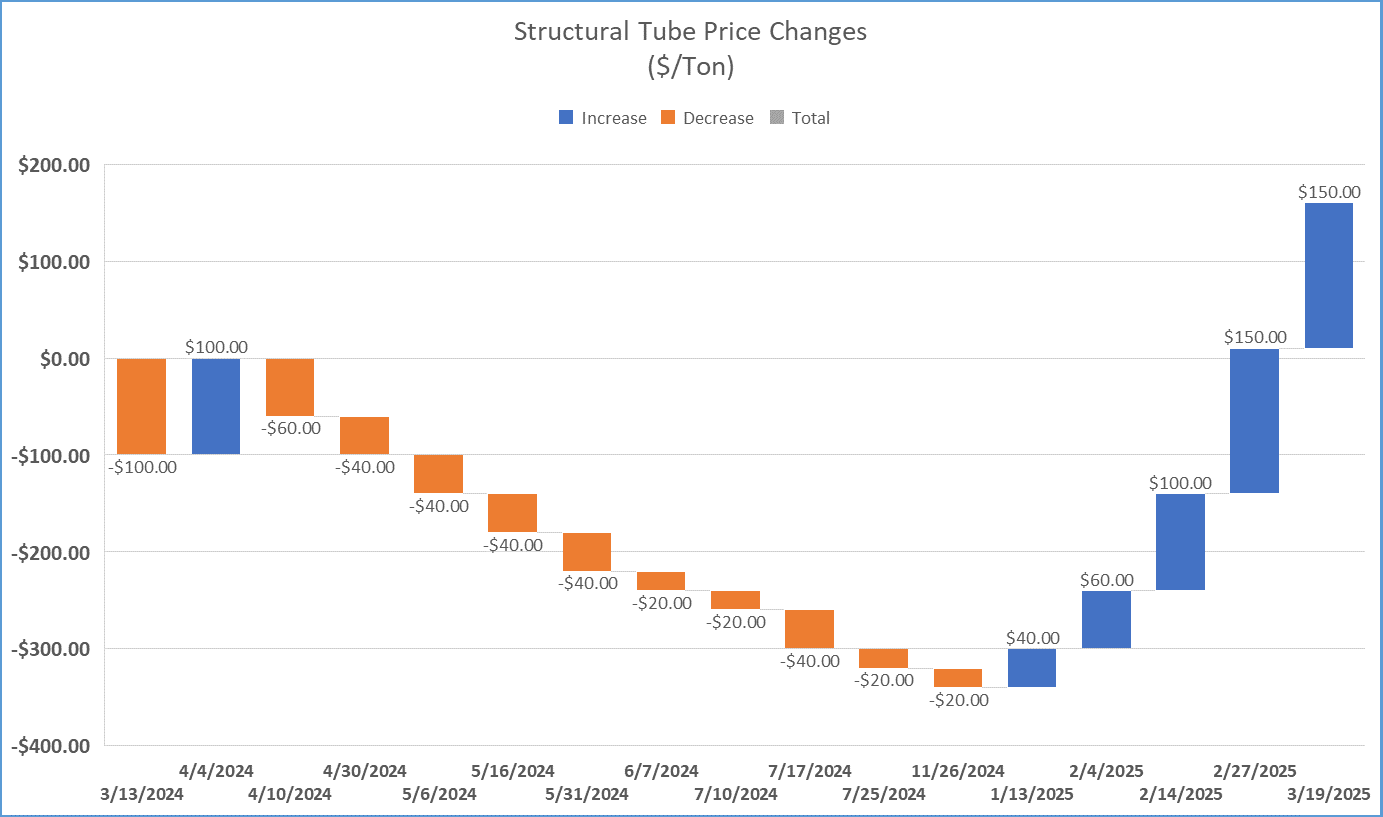
For accurate and up-to-date pricing on structural steel per pound, contact Susan Leo directly at [email protected]. As a trusted manufacturing partner based in Shenzhen, Honyo Prototype delivers high-quality structural steel solutions with fast turnaround and competitive pricing. Reach out today to request a quote or discuss your project specifications.
🚀 Rapid Prototyping Estimator
Estimate rough cost index based on volume.